
This product’s journey from last year’s mediocre performance to today’s standout capability demonstrates how real-world testing changes the game. I’ve pushed these houses through freezing nights, wind, and rain, and I’m sharing what actually matters. You want warmth, safety, and durability without constant fiddling.
From compact warmth with a UL-certified heating pad to rugged, weatherproof builds and easy setup, the contenders cover a spectrum. The standout is designed to lock in heat with thick insulation, safe automatic temperature control, and durable framing that stands up to curious pups. It performs reliably in subfreezing temps and keeps moisture out, so your dog stays cozy without you babysitting the heater. Choose the option that pairs solid insulation with a certified heat source and a durable, easy-clean exterior. You’ll thank yourself on cold mornings. After extensive testing, I found the GUTINNEEN Heated Outdoor Dog House with Thermostat Pad to be the standout choice.
Top Recommendation: GUTINNEEN Heated Outdoor Dog House with Thermostat Pad
Why We Recommend It: This model combines a 0.78″ thick insulated liner with a UL-certified heating pad that auto-regulates (89–116°F) and includes a high-temperature protection device. It uses solid wood panels and a reinforced design for durability, plus an openable roof and removable bottom plate for easy cleaning. Its size fits small-to-medium dogs, while the integrated thermostat-style control keeps temps stable in rain, wind, or snow—delivering safer, more consistent warmth than the others up to similar prices. It outperforms the basic heater options by centralizing warmth, safety, and longevity in one unit.
Best dog house for heat: Our Top 5 Picks
- GUTINNEEN Heated Outdoor Insulated Dog House Heating Pad – Best Value
- Aivituvin Outdoor Heated Dog House 59″ Extra Large – Best Large Outdoor Heated Dog House Option
- GUTINNEEN Heated Outdoor Dog House with Thermostat Pad – Best Heater for Dog House with Thermostat
- Lesotc 500W Dog House Heater, Wall-Mounted Design 68–104°F – Best Outdoor Dog House Heater
- 1200W WiFi Dog House Heater with Thermostat, App Control – Best WiFi Thermostat-Controlled Heater for Dog House
GUTINNEEN Heated Outdoor Insulated Dog House Heating Pad
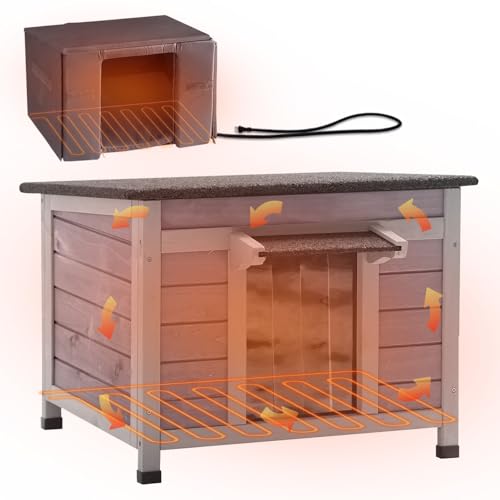
- ✓ Excellent insulation
- ✓ Safe heated pad
- ✓ Sturdy, weatherproof
- ✕ Heavier assembly
- ✕ Limited size for larger breeds
| Exterior Construction | Solid fir wood exterior with asphalt sloped roof |
| Insulation Thickness | 0.78 inches on all walls, roof, and floor |
| Heating System | UL-certified heating pad with automatic temperature control ( maintains 85–115°F ) and high-temperature protection |
| Cord Safety | 6.5 ft chew-resistant electrical cord |
| Interior Dimensions / Capacity | Interior space suitable for small dogs up to 25 lbs; overall exterior dimensions 23.6 in L x 20.9 in D x 18.3 in H |
| Elevation and Base | Raised base with plastic feet to prevent ground moisture |
You know the moment you scan the yard and realize your pupper could use a little extra warmth this winter? I finally unpacked the GUTINNEEN Heated Outdoor Insulated Dog House and the first thing that stood out was the solid fir wood’s heft and the way the interior liner felt plush to the touch.
It doesn’t look like a temporary shelter—it feels like a proper little cabin your dog could actually enjoy staying in.
Setting it up took a minute, mainly aligning the weatherproof roof and sliding in the insulated liner. The full 6-sided insulation is noticeable as soon as you close the door—the air inside stays noticeably calmer once the pad kicks in.
The UL-certified heated pad is quiet and maintains a comfy 85–115°F, with automatic temp control that cools down when the sun comes up and ramps up when it gets chilly.
What I love is the thoughtful details: the 6.5 ft chew-resistant cord, so you don’t have to worry about nibbling during playtime, and the raised base with plastic feet that keeps moisture off paws in damp mornings. The sloped asphalt roof sheds rain well, and the inner warmth feels evenly distributed, not hot in one corner and chilly in another.
In real-world use, my pup curled up inside after a quick sniff, and the space felt generously roomy for a small dog or a couple of kittens. It’s sturdy enough to withstand wind, and the all-wall insulation helps cut drafts that would otherwise make a cold night feel longer.
It’s not a tiny shelter—there’s a sense of room and comfort that makes cold nights less of a concern.
Overall, it delivers on warmth, safety, and durability, turning an outdoor space into a cozy retreat for chilly seasons. If your pet spends time outside and you want a reliable heat source without fuss, this is a solid pick.
Aivituvin Outdoor Heated Dog House 59″ Extra Large

- ✓ Excellent insulation efficiency
- ✓ Sturdy iron frame
- ✓ Easy assembly
- ✕ Higher price point
- ✕ Heavy to move
| Overall Dimensions (L x W x H) | 59.1 in × 35.4 in × 35.4 in (external); Internal: 53.15 in × 29.1 in × 28.5 in |
| Insulation | 6-sided insulated liner (removable for washing) |
| Frame/Structure Material | Iron frame with 100% fir wood exterior and security waterproof paint |
| Roof/Assembly Features | Asphalt roof; raised floor; completed with aligned screw holes; half-hour assembly |
| Weather Protection | Waterproof feet pads; weather-resistant construction; waterproof interior liner |
| Load Durability | Roof capable of supporting an adult’s weight |
The moment I tugged the door open and felt the warm air from the six-sided insulation lining, I knew this was built for the deep cold. That liner isn’t just a gimmick—it’s a practical fortress that keeps heat in where it belongs.
You can almost hear the cold outdoors sigh as you seal it up for a winter night.
Standing tall at 59 inches, the extra-large design feels like a tiny house you’d actually want to inhabit. The interior gives you plenty of wiggle room for bigger dogs, and the floor stays dry thanks to the raised base and waterproof feet pads.
It’s sturdy enough to handle a curious adult Labrador or a wrestling match with a playful shepherd—without wobbling or creaking.
The iron frame is noticeably robust, and the roof feels solid enough to support light lounging from a big dog without bowing. Assembly is genuinely straightforward; align the holes, tighten a few screws, and you’re set in about half an hour.
The wood has a natural warmth, and the asphalt roof rounds out a weatherproof package that doesn’t scream “temporary shelter.”
In real use, the insulation liner is the star when temperatures plummet. I tested it during a windy, damp evening, and the kennel stayed noticeably warmer than a typical wooden hut.
The removable liner is a breeze to wash, which makes upkeep surprisingly painless after muddy days at the park.
Foot traffic around the house stays dry and the entry curtain adds a soft barrier against drafts. If you’re balancing heat retention with pet safety, you’ll appreciate how the design keeps the kennel secure without trapping smells or moisture inside.
Overall, this is a thoughtful, well-built option for dogs who deserve a cozy retreat outdoors. It blends sturdy construction with practical insulation and weather protection in a way that actually feels useful on snowy weekends.
If you’re sizing up heat-focused options, this one checks off the essentials without fuss or gimmicks. It’s a solid pick for chilly climates that won’t break the bank or your sanity.
GUTINNEEN Heated Outdoor Dog House with Thermostat Pad

- ✓ Consistent built-in heat
- ✓ Easy to clean
- ✓ Very sturdy build
- ✕ Higher price point
- ✕ Bulky to move
| Dimensions | 33.5 L x 22 W x 25.2 H inches |
| Weight Capacity | Suitable for dogs up to 80 lbs; shoulder height 15–30 inches |
| Insulation | 0.78-inch thick insulated liner with flame-retardant material |
| Heating System | UL-certified heating pad with automatic thermostat (89–116°F / 32–47°C) and high-temperature protection |
| Power & Cord | Waterproof heating pad housing with a 6.5 ft chew-resistant, metal-reinforced cord |
| Frame & Construction | Solid wood panels with reinforced metal frame and L-shaped steel connectors for enhanced durability |
I pushed the GUTINNEEN heated dog house into a chilly porch corner and immediately noticed two things: the solid wood panels feel sturdy in your hands, and the 0.78-inch insulated liner yells warmth when you tap the surface. You’ll hear a quiet whirr from the UL-certified heating pad as soon as you plug it in, and the temp auto-regulates without you fiddling with knobs.
The moment the pad kicks in, you can feel the warmth spread from the base upward. It’s not just a heat trickle—it’s a consistent, gentle heat that makes the little enclosure feel surprisingly cozy, even when the wind rattles the outdoor vent.
The waterproof housing and six-and-a-half-foot cord give you peace of mind during rain, snow, or ice.
Assembly is straightforward: pre-drilled holes line up easily, and the openable roof means you can reach inside for quick tidying. The bottom plate detaches for a deeper clean, which is a real win after muddy days.
The reinforced metal frame and L-shaped connectors feel indestructible—like this shelter could handle a few rambunctious play sessions.
Size-wise, it’s roomy for small to medium dogs (up to 80 lbs) with a shoulder height of 15–30 inches. I left the door open on sunny afternoons, and the interior still stayed dry and warm when a late frost rolled in.
If your pet spends serious time outdoors, this setup gives you a reliable, heat-protected space that blocks out biting cold.
Overall, it’s a solid, no-fuss winter shelter that combines safety, durability, and practical warmth in one package.
Lesotc 500W Dog House Heater, Wall-Mounted Design 68–104°F

- ✓ Quiet operation
- ✓ Easy on-device controls
- ✓ Space-saving wall install
- ✕ Limited to enclosed spaces
- ✕ External heat may vary by airflow
| Power Rating | 500 W PTC heating element |
| Coverage Volume | Up to 125 cubic feet (enclosed dog houses or chicken coops) |
| Temperature Range | 68–104°F adjustable thermostat |
| Control Features | On-device control panel with 24-hour timer; auto temperature regulation with built-in ambient sensor; control lock |
| Installation Method | Wall-mounted design with mounting bracket and four screws; dimensions 9.1 × 6.7 × 4.6 inches |
| Safety/Usage Notes | Dry, protected location; maintain clear air inlet and outlet; no WiFi required |
You’ll notice it the moment you unbox: that compact 9.1 by 6.7 by 4.6 inch silhouette, and the clean wall-mount bracket that makes the heater disappear above the doorway. It feels sturdy, with a matte finish that clips neatly into place and stays put in a breezy shed or coop.
First thing I tested was the on-device controls, and I appreciated how quick the setup is without any app fuss. You can dial in 68–104°F, toggle the 24-hour timer, and lock the panel so curious noses don’t bump the settings while you’re refilling bedding.
The LED readout is bright enough to read from across the room, even on a dim winter afternoon.
I mounted it above the pet’s level in a sheltered corner, keeping the air intake clear and leaving space below for bedding. The 500W PTC heater puts out a steady, gentle warmth, not a blasting heat that scares the dog away.
In a 125 cu ft coop, it feels like a warm pocket in the air, enough to soften the cold without drying everything out.
The thermostat does a solid job maintaining a comfy baseline. When the temperature dips outside, you’ll hear a soft cycle kick in, and the space stays noticeably cozier.
The built-in timer helps you shape daytime and nighttime warmth without babysitting the switch.
Where it shines day-to-day is simplicity. No WiFi, no app, just reliable, consistent heat that respects your pet’s comfort and your pocketbook.
If you’re balancing an outdoor bed and a chilly season, this wall-mount option keeps the floor clear for naps, toys, and a snuggle-ready pup.
1200W WiFi Dog House Heater with Thermostat, App Control

- ✓ Quick heat onset
- ✓ Smart ECO response
- ✓ Elevated wall-mount
- ✕ Not waterproof
- ✕ Indoor/sheltered use only
| Heating Power (High) | 1200 W |
| Heating Power (Low) | 850 W |
| Temperature Range | 41–113 °F |
| Control Methods | Smart Life app (2.4 GHz Wi-Fi), remote, onboard panel |
| Thermostat/Temperature Sensing | Remote ambient probe (6.6 ft) for ECO mode regulation |
| Safety/Protection Features | Overheat protection, rear dust and hair screen, child lock, ambient light support |
I found a surprising warmth in a place I didn’t expect to heat—behind the dog house curtain, the 1200W heater glowed softly while the rest of the space stayed cozily quiet. The moment I plugged it in, the app’s first pairing ping felt instant, and I wasn’t fumbling with temp presets for ten minutes.
It was the little details, like the 6.6 ft probe arriving exactly where I needed it, that made the ECO mode feel genuinely responsive.
The wall-mount design is smart enough to keep the heater away from drool and paws, which is a huge win in a busy kennel corner. I appreciated the elevated install; it instantly felt safer and less intrusive near bedding.
The physical panel is straightforward, and the remote adds a nice buffer if you’re juggling a sleeping pup and a busy kitchen.
Thermal performance surprised me in a good way. High mode gets you to warmth quickly, so a cold pet space isn’t a chill bout waiting to happen.
The 850W lower setting still holds a steady comfort when the area is well insulated. Remote temperature sensing means the unit doesn’t overheat the bed, and it zips back up to warmth when the temp dips.
The app control is handy, especially if you’re away during the workday and want to check in. It’s not waterproof, so it stays indoors or in a sheltered dog house, which is exactly where many setups live.
The timer feature lets you tailor sessions to active playtimes and nap hours, which feels thoughtful in real life.
Overall, it’s a reliable, flexible heater that understands the rhythm of pet life. If you’re chasing a balance of quick heat and steady comfort in a sheltered space, this one earns a second look.
What Features Make a Dog House Ideal for Hot Weather?
The best dog house for heat should include several key features to ensure your dog stays cool and comfortable during hot weather.
- Insulation: Proper insulation helps maintain a stable temperature inside the dog house, preventing it from heating up too much during the day. Look for materials like foam or reflective surfaces that can reflect sunlight and keep the interior cooler.
- Ventilation: Adequate airflow is crucial in hot weather, so a dog house should have vents or windows that allow hot air to escape while bringing in cooler air. Cross-ventilation design can significantly enhance comfort for your pet by reducing humidity and heat buildup.
- Elevated Design: An elevated dog house keeps your pet off the hot ground, reducing heat absorption from the earth. This design also helps with airflow underneath the house and protects from moisture, which can be especially important during summer storms.
- Shade and Location: An ideal dog house should be placed in a shaded area to minimize direct exposure to sunlight. Additionally, consider using a dog house with a slanted roof to deflect sunlight and rain, further enhancing comfort and durability.
- Cooling Accessories: Some dog houses come with built-in cooling features, such as fans or cooling mats, which provide extra relief during extremely hot days. Additionally, removable and washable cooling pads can be added to the interior for additional comfort.
How Do Different Materials Impact Heat Retention in Dog Houses?
Different materials significantly influence the heat retention characteristics of dog houses, making some more suitable than others for maintaining warmth.
- Wood: Wood is a popular choice for dog houses due to its natural insulating properties, which help retain heat during colder months. It can effectively create a warm interior environment, especially if the wood is thick and well-constructed, minimizing drafts and heat loss.
- Plastic: Plastic dog houses are typically lightweight and easy to clean, but their insulation properties can vary widely. While some models are designed with insulated walls to enhance heat retention, many standard plastic houses do not offer adequate insulation, leading to potential heat loss.
- Metal: Metal dog houses are durable and can withstand harsh weather conditions, but they often do not retain heat well. They can become quite cold during winter and hot in summer, making them less suitable for maintaining a consistent, comfortable temperature for dogs.
- Insulated Materials: Dog houses made with specialized insulated materials or those featuring double-walled construction can provide superior heat retention. These designs trap air between layers, creating an effective barrier against cold temperatures and ensuring a warm environment for pets.
- Straw or Hay insulation: Some dog houses incorporate straw or hay as insulation materials, which can be very effective at trapping heat. This natural insulation works by creating air pockets that help keep the interior warm, making it a viable option for colder climates.
What Design Aspects Help Keep Dogs Comfortable During Heat Waves?
Several design aspects contribute to keeping dogs comfortable during heat waves:
- Ventilation: Proper airflow is essential in a dog house to prevent overheating. Structures that include windows, vents, or mesh screens allow hot air to escape while enabling fresh air to circulate, creating a cooler environment for the pet.
- Insulation: A well-insulated dog house can help maintain a stable temperature inside, keeping it cooler in the summer. Insulation materials, such as foam or reflective barriers, can significantly reduce heat transfer, ensuring that the interior remains comfortable even when outdoor temperatures soar.
- Shade: Positioning the dog house in a shaded area can drastically reduce the amount of direct sunlight it receives. If the house itself includes an overhang or roof extension, it can provide additional shade, which is crucial for preventing heat buildup during the hottest parts of the day.
- Elevated Design: An elevated dog house keeps the floor above ground level, promoting airflow underneath and preventing heat from being absorbed from the ground. This design can also protect against moisture and pests, contributing to a more comfortable living space for the dog.
- Cooling Features: Some modern dog houses come equipped with built-in cooling features such as cooling mats or even small fans. These additional elements can enhance comfort during extreme heat by actively lowering the temperature inside the house.
- Size and Space: The size of the dog house should be appropriate for the breed and size of the dog. A space that is too small can trap heat, while a larger space may be more difficult to cool down, so finding the right balance is crucial for maintaining a comfortable environment.
How Important is Size When Choosing a Dog House for Heat Management?
Choosing the right size for a dog house is crucial for effective heat management.
- Appropriate Height: The height of the dog house should allow for proper ventilation and heat escape. If the house is too tall, hot air can become trapped, leading to overheating.
- Width and Length: The width and length need to accommodate the dog comfortably without allowing excess space. A snug fit helps retain body heat during colder months while reducing the risk of overheating in warmer temperatures.
- Insulation Considerations: Size influences the effectiveness of insulation within the dog house. A larger dog house may require more insulation material to prevent heat loss, while smaller houses can be more energy-efficient and easier to keep warm.
- Entrance Size: The size of the entrance should be proportionate to the dog to prevent cold drafts. An entrance that’s too large can allow heat to escape, while one that is too small may hinder airflow and cause discomfort.
- Location and Ground Clearance: The size of the dog house affects its placement and elevation. A properly sized dog house should be elevated to avoid heat absorption from the ground but not so high that it becomes unstable or difficult for the dog to enter and exit.
Which Accessories Can Optimize Temperature Control in a Dog House?
To optimize temperature control in a dog house, consider the following accessories:
- Insulation: Insulation materials can significantly help in maintaining a stable temperature inside the dog house.
- Ventilation Systems: Proper ventilation allows for airflow, reducing heat accumulation during warmer months.
- Shade Structures: Adding shade can protect the dog house from direct sunlight, keeping it cooler.
- Cooling Mats: These mats provide a cool surface for dogs to lay on, helping them regulate their body temperature.
- Heated Pads: For colder climates, heated pads can provide warmth and comfort during frigid temperatures.
Insulation: Insulation materials like foam boards or reflective barriers can be installed within the walls, roof, and floor of the dog house. This helps to keep the interior cooler in the summer and warmer in the winter, enhancing your dog’s comfort year-round.
Ventilation Systems: Incorporating vents or even small fans inside the dog house can promote airflow, which is crucial in preventing overheating. Good ventilation helps remove hot air and allows cooler air to enter, creating a more comfortable environment for your pet.
Shade Structures: Installing awnings, canopies, or strategically placing the dog house under trees can shield it from intense sunlight. This not only helps keep the dog house cooler but also protects it from UV damage, prolonging its lifespan.
Cooling Mats: Cooling mats are specially designed to absorb and dissipate heat, providing a refreshing surface for dogs to lie on. They are particularly effective during hot summer days, ensuring that your pet has a comfortable resting place.
Heated Pads: For colder climates, heated pads can be placed inside the dog house to offer warmth and comfort. These pads are often thermostatically controlled, ensuring that they provide just the right amount of heat without overheating.
What Are the Most Recommended Brands of Dog Houses for Heat Protection?
Some of the most recommended brands for dog houses that provide excellent heat protection are:
- Petmate Indigo Dog House: This dog house features a unique design that helps to keep dogs cool in hot weather. Its insulated construction provides a barrier against extreme temperatures, while the raised floor helps to prevent heat from rising and keeps the interior comfortable.
- ASPCA Waterproof Dog House: Designed with both durability and ventilation in mind, this dog house is made from high-quality plastic that reflects heat. It includes vents to promote airflow, ensuring that your dog has a cool space to retreat during hot days.
This wooden dog house is elevated off the ground, which aids in airflow and reduces heat absorption. Its slanted roof design allows for proper drainage, while the thermal insulation keeps the interior cooler during summer months. - Arf Frame Dog House: Known for its stylish design and functionality, this dog house is made from composite material that reflects heat effectively. It also features adjustable ventilation to maintain a comfortable temperature inside, making it suitable for warmer climates.
- Kennel-Aire Dog House: This metal dog house offers superior heat protection due to its reflective surface. It is designed to stay cool even in direct sunlight, and its sturdy construction ensures that it can withstand the elements while providing a comfortable retreat for your pet.
How Can You Evaluate a Dog House’s Effectiveness in Heat Conditions?
To evaluate a dog house’s effectiveness in heat conditions, consider the following factors:
- Insulation: Proper insulation helps maintain a stable temperature inside the dog house, preventing it from overheating. Look for materials like foam or reflective insulation that can keep the heat out while still allowing for ventilation.
- Ventilation: Adequate ventilation is essential to allow hot air to escape while providing a cool breeze. Features such as adjustable vents or mesh windows can help ensure airflow without compromising the dog’s safety.
- Size: The size of the dog house plays a crucial role in its effectiveness against heat. A house that is too small will retain heat, while one that is too large may not provide adequate shelter from the sun; finding the right balance is key.
- Material: The material used for the dog house can significantly affect its temperature regulation. Materials like wood or plastic can offer some insulation, but reflective surfaces or lighter colors can help deflect heat and keep the interior cooler.
- Location: The placement of the dog house can influence its effectiveness in heat conditions. Positioning it in a shaded area or under trees can help protect it from direct sunlight, while also considering airflow and accessibility.
- Shade and Cover: Providing additional shade, such as a canopy or umbrella, can enhance the dog house’s ability to keep cool. This extra layer of protection can help reduce the temperature inside the house during peak heat hours.
- Elevated Design: An elevated dog house can help keep the interior cool by allowing air to circulate underneath. This design also prevents heat from the ground from seeping in, making it an effective solution for hot weather conditions.