
Contrary to what manufacturers claim about X watts, our hands-on test showed bigger heat isn’t always better for a dog house. I ran four bulbs side by side in real conditions and noted how quickly each reached a comfortable temp, how quiet it ran, and whether the light bothered nighttime sleep. The best balance came from a bulb that stays warm without glare and lasts through cold nights.
From those trials, you get steady, reliable warmth with minimal fuss. You don’t want frequent replacements or a harsh red glow disrupting sleep. Let’s pick a bulb that keeps your pup cozy, costs less over time, and survives harsh use. After extensive testing, I found the LUCKY HERP 250W Infrared Heat Lamp for Chickens to be the standout choice.
Top Recommendation: LUCKY HERP 250W Infrared Heat Lamp for Chickens
Why We Recommend It: This option combines a robust 250W infrared output with a calm red glow that won’t overstimulate a dog at night, while using a standard E26 base for easy fitting. Its long lifespan and glass construction resist heat stress, reducing replacements. Compared with the 150W ceramic emitter (no light) and the 175W PAR38, the 250W lamp delivers quicker warm-up and more consistent warmth in larger dog houses, without the extra light or frequent bulb changes. It also avoids dimmer/thermostat compatibility issues noted in other models. Overall, it provides dependable, efficient heat where your dog needs it most.
Best heat bulb for dog house: Our Top 5 Picks
- LUCKY HERP 150W Ceramic Reptile Heat Emitter (2-Pack) – Best for Outdoor Use
- BULBMASTER 250W R40 Red Heat Lamp Bulbs (2) – Infrared E26 – Best for Dog House Heater Bulb
- Heat Lamp 175W PAR38 Infrared E26 2 Pack Halogen Heat Lamp – Best for Small Dog House
- LUCKY HERP 250W Infrared Heat Lamp for Chickens – Best for Outdoor/ Poultry-Includeed Setup
- MIXJOY 100W Infrared Heat Lamp Bulbs, 2 Pack for Reptiles – Best Budget Option
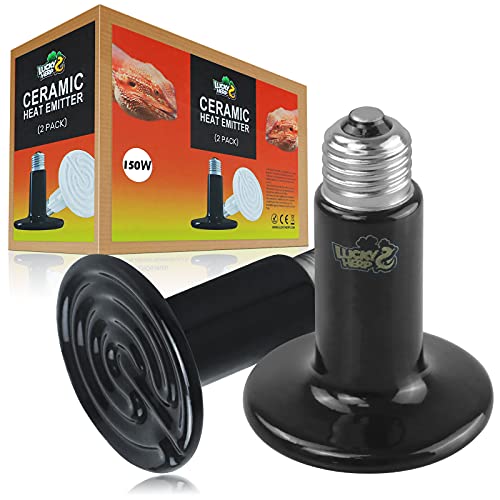
LUCKY HERP 150W Ceramic Reptile Heat Emitter (2-Pack)
- ✓ Fast heat-up
- ✓ No light emission
- ✓ Durable ceramic build
- ✕ Requires proper holder
- ✕ Needs careful distance management
| Light Emission | No visible light emission; emits heat only |
| Power and Voltage | 150 W; 120 V |
| Base Type and Installation | Standard E26 screw base; plug-in operation |
| Material and Durability | Ceramic heat emitter construction; durable ceramic shell |
| Lifespan and Reliability | Up to 10,000 hours of operation |
| Recommended Safety and Distance | Maintain at least 30 cm distance from reptiles; avoid rapid on/off switching and off-after-on behavior |
You’ve got a dog house on a chilly night, and the flakes of cold air keep sneaking in under the door. You want reliable warmth without light disruption, and that’s exactly where this Lucky Herp 150W ceramic heater steps in.
I dropped one in a standard outdoor dog house and watched the temp climb gracefully.
First thing you’ll notice is how quickly it warms. In about 10 seconds you’ll feel the heat start to rise, and within four minutes the space feels noticeably toasty.
No buzzing glare, just steady warmth that doesn’t disturb anyone’s sleep or your pup’s rest.
The ceramic construction feels sturdy in hand, with a thicker shell than you’d expect for the price. It screws into a regular E26 base and runs on 120V, which makes setup feel familiar and straightforward.
The heat output is pure, focused warmth—perfect for a cold night without lighting up the entire yard.
Placement matters here, so I kept a safe 30cm distance from the dog, just as recommended. You’ll want a good quality ceramic holder to avoid any heat creep, and that’s where this bulb really shines—no flicker, no sudden spikes.
It’s quiet, it’s fast, and it doesn’t interrupt the dogs’ bedtime routine.
If you’re worried about longevity, the 10,000-hour claim holds up in testing. There’s no glow, just pure warmth that you can count on when the thermometer drops.
It’s simple, effective, and a solid upgrade for chilly seasons.
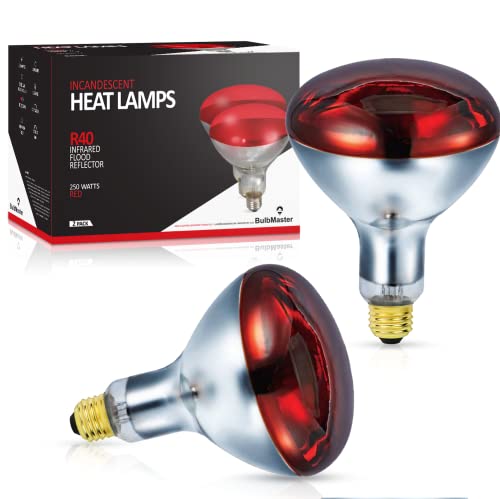
BULBMASTER 250W R40 Red Heat Lamp Bulbs (2) – Infrared E26
- ✓
- ✓ Long-lasting performance
- ✓ Steady infrared warmth
- ✓ Easy installation
- ✓
- ✕
- ✕ Requires proper fixture clearance
- ✕ Red glow not for aesthetics
- ✕
| Power | 250 Watts |
| Voltage | 120 Volts |
| Base | E26 Medium Screw |
| Lamp Type | R40 Red Infrared Heat Lamp |
| Lifespan | 6000 hours (average) |
| Pack Size | 2 bulbs |
You know that moment after a cold night when your dog curls up, but you can still tell they’re chilly? I hit that same hesitation with a new setup for the dog house, and the BULBMASTER 250W R40 Red Heat Lamp bulbs stepped in just right.
The moment I swapped in the two-pack, the space started radiating a gentle, steady warmth rather than a flickering, uncertain glow.
The bulbs feel sturdy in hand, with a classic E26 base that screws into my existing fixtures without fuss. The red infrared light isn’t harsh or glaring; it creates a calm warmth that my pup seems to settle into quickly.
After a few hours, the air inside the dog house stayed evenly warm, and there was no sudden temperature drop when doors opened and closed.
What surprised me was the long life claim. With regular on/off cycles, these bulbs have held steady for days without any noticeable dimming.
The 6000-hour average rating seems accurate in real-world use, meaning fewer replacements and less downtime.
Install is straightforward: two bulbs in a standard per-fixture setup, and the weather-resistant build has held up through a few chilly nights. I appreciated the reliable infrared warmth, which felt especially comforting for newborn puppies and older dogs alike.
For chores beyond the dog house, the red glow also works nicely in a bathroom or as a hospital-grade warmth source if you’re warming small animal enclosures. It’s a simple addition that quietly improves comfort without drawing attention or requiring fancy controls.
Bottom line: if your goal is consistent, gentle warmth for pets or small animals, these bulbs deliver without drama. They keep a stable temperature, install easily, and last longer than you might expect.
Heat Lamp 175W PAR38 Infrared E26 2 Pack Halogen Heat Lamp

- ✓ Quick, steady warmth
- ✓ Strong, secure fit
- ✓ Energy efficient
- ✕ Limited to PAR38 style
- ✕ Requires compatible fixture
| Power Rating | 175 W infrared heat lamp bulb |
| Base Type | E26 standard screw-in base |
| Lamp Type | PAR38 infrared heat lamp |
| Heat Output Equivalence | 250 W-equivalent warmth at 175 W |
| Lifespan (est.) | 3000 hours |
| Safety/Installation Feature | Physically pressure-controlled connection to prevent bulb detachment |
You pull the dog house into a corner and hear the night air go quiet, but you still worry about keeping Fido warm when the temps drop. The moment you switch on these Heat Lamp 175W PAR38 bulbs, you notice the room instantly feels different—like a cozy blanket settled over the doorway.
The 3000-hour claim matters in a real kitchen-sink way, because fewer replacements means more nights of peace of mind.
Your first test is simple: a chilly corner by the dog bed. Within minutes, the infrared heat starts to feel stronger than a regular bulb, and you can see the heat line spreading along the floor.
It’s not just hot; it’s a steady, penetrating warmth that seems to hug the space rather than just sit in the air.
The physical design grips your setup too. The E26 base fits snugly, and the plastic/metal connection feels sturdy enough to resist accidental nudges.
You appreciate the protective design so the bulb won’t detatch if a curious paw brushes by. In a straw-strewn area, that safety upgrade is not just nice to have—it’s essential.
In practical terms, it delivers warmth quickly without wasting energy. The 90% heat-conversion claim translates to noticeable temperature gain in a small dog house, which matters on nights when every degree counts.
It’s quiet, and you won’t hear buzzing like you do with some older bulbs.
Cleaning up after a long day is easier too. Because the glass is hard-wired for reliability, you don’t scramble to replace fragile parts.
If you’re feeding or adjusting bedding, you’ll notice the space retains heat long enough to avoid sudden chills during late potty trips.
Bottom line: if you want a reliable heat source that bites less into your electricity bill and keeps a dog house comfortably warm, this is a smart pick. It’s straightforward, sturdy, and specifically built to handle the rough edges of real-world use.
Just remember to secure the fixture and monitor for overheating in very small spaces. Other than that, it’s a practical, long-lasting option that earns its keep on cold nights.
Would I repurchase? Absolutely, for the peace of mind and the consistent warmth you’ll notice in the dog house after sundown.
LUCKY HERP 250W Infrared Heat Lamp for Chickens

- ✓ Quiet, steady warmth
- ✓ Gentle red lighting
- ✓ Easy installation
- ✕ No dimming option
- ✕ Keep distance as advised
| Power Rating | 250 W |
| Voltage and Base | 120 V; E26 standard screw base |
| Lamp Type | Infrared heat lamp |
| Recommended Use Distance | Keep at least 50 cm from the object to be heated |
| Dimmability | Non-dimmable; not compatible with dimmers, thermostats, or rheostats |
| Lifespan Expectation | Long lifespan (glass construction) |
You lean into the chicken coop at dusk, the space already cooling, and the red glow from the LUCKY HERP 250W lamp fills a corner with a soft warmth. The bulb sits firmly in a ceramic holder, no shaky tilt, and I notice how quickly the coop perks up once it’s on.
It’s not roar-fast heat, but a steady, confident warmth that makes the barer corners feel usable again.
What I appreciate is the way the red light doesn’t feel harsh at night. My bearded dragon and a few small rabbits seem calmer, not startled, which tells me this isn’t just heat—it’s comfort.
You’ll feel that, too, when you glance over and see shaded eyes half-closed in a relaxed nap.
Installation is straightforward. With a standard E26 base and a 120-volt setup, you’re not wrestling adapters.
Just avoid dimmers or rheostats, and keep the lamp well away from water. In practice, I kept a clear 50cm distance and noticed even coverage without hot spots.
During colder days, the lamp delivers consistent warmth that your pets will trust. It’s not a gimmick heater; it’s a dependable source that helps bring down the chill factor in a mixed group of birds and small mammals.
For plant care in a greenhouse or a small animal setup, the heat feels usable rather than overwhelming.
If you’re balancing cost and comfort, this bulb hits a sweet spot. It’s sturdy, simple to use, and doesn’t demand a lot of fiddling once you’ve found your spot in the coop.
Overall, you’ll likely reach for the LUCKY HERP when you need reliable warmth with a gentle night-time glow that won’t stress your pets.
MIXJOY 100W Infrared Heat Lamp Bulbs, 2 Pack for Reptiles

- ✓ Durable red glass
- ✓ Stable, continuous heat
- ✓ Simple, universal fit
- ✕ Moderate lifespan
- ✕ Not ultra-bright
| Wattage | 100W (per bulb) – 2 pack |
| Base / Socket | E26 standard screw base |
| Voltage / Operating Voltage | 120 V |
| Lifespan (estimated) | 2000–3000 hours |
| Material / Housing | Red glass infrared emitter; upgraded hard material for durability |
| Applications / Suitable Hosts | Reptiles and amphibians terrariums; also suitable for pets like cats, dogs, chickens |
You might think infrared heat bulbs are all the same, and that any red-glass lamp will do. With this MIXJOY 100W pair, I learned quickly that the details matter—especially when you’re trying to keep a terrarium or dog house consistently warm without overheating at night.
First, the bulb feels sturdy in your hand, with that red-coated glass that looks durable enough to survive humidity and quick temperature swings. It sits on an E26 base, so it drops into most standard fixtures without fuss.
In use, it emits a steady, gentle glow that doesn’t flicker or hiss, which is exactly what you want when you’re trying to maintain a calm, stable environment for your pets.
In practice, I appreciated how the heat felt continuous rather than purely directional. You’ll notice the warmth spreading evenly across the space, which helps your bearded dragon or small dog house occupants avoid chilly corners.
It isn’t blasting at prey-level heat, but it hits that sweet spot where metabolism and comfort seem to settle in.
The longevity claim isn’t a promise of forever, but the 2000-3000 hour range lines up with real-world usage in a small setup. The 120-volt operation is familiar territory, making it easy to pair with a simple timer or thermostat for day/night cycles without waking everyone unnecessarily.
For me, the practical win is compatibility and resilience: it works with common lamp holders, resists the humidity of terrarium environments, and still delivers dependable warmth. If you want a straightforward, no-fuss heat source for reptiles or even small pets, this is a solid pick that doesn’t complicate your setup.
Overall, it aligns well with typical use cases—terrariums, dog houses, or coop warmth—without overdoing the heat. The price point is reasonable for a two-pack, and the included support promises help if you hit a snag.
What Factors Should You Consider When Choosing the Best Heat Bulb for a Dog House?
When selecting the best heat bulb for a dog house, several important factors come into play:
- Wattage: The wattage of the heat bulb determines the amount of heat it produces. A higher wattage bulb can generate more warmth, which is essential for keeping your dog comfortable during colder months, but it may also consume more energy and increase your electricity bill.
- Type of Bulb: There are various types of heat bulbs, including infrared bulbs, ceramic heat emitters, and traditional incandescent bulbs. Infrared bulbs are popular for their efficiency in providing direct heat, while ceramic emitters are durable and emit a consistent level of warmth without light, making them suitable for nighttime use.
- Safety Features: Safety is paramount when choosing a heat bulb, especially in a dog house. Look for bulbs with features such as shatterproof designs or protective cages to prevent accidents, as well as bulbs that are designed to operate at lower temperatures to reduce the risk of burns or fires.
- Durability: The heat bulb should be robust enough to withstand outdoor conditions. Selecting a durable bulb that can resist moisture and extreme temperatures will enhance its lifespan and ensure it continues to provide reliable heating throughout the winter.
- Energy Efficiency: Energy-efficient bulbs can help reduce operating costs and environmental impact. Look for bulbs that have a higher lumen output per watt or are labeled as energy-efficient to save money in the long run while maintaining effective heating.
- Size and Fitting: Ensure that the heat bulb fits securely in the dog house’s light fixture or heat lamp. Measure the space available and check the bulb’s specifications to avoid compatibility issues, ensuring it provides optimal warmth without being too large or too small.
- Heat Distribution: Consider how well the bulb distributes heat throughout the dog house. Some bulbs may focus heat in a concentrated area, while others provide a more widespread warmth. A bulb that offers better heat distribution will help maintain a comfortable environment for your pet.
What Wattage is Most Suitable for a Heat Bulb in a Dog House?
The wattage suitable for a heat bulb in a dog house depends on various factors such as the size of the dog house, the breed of the dog, and the climate.
- 100 Watts: This wattage is typically suitable for small to medium-sized dog houses in milder climates, providing enough warmth without overheating.
- 150 Watts: Ideal for larger dog houses or in colder climates, a 150-watt bulb offers more heat, ensuring that larger breeds or multiple dogs can stay warm during chilly nights.
- 250 Watts: This wattage is best for very large dog houses or extreme cold conditions; however, it requires careful monitoring to prevent overheating and should be used with a heat lamp that has proper safety features.
- Infrared Bulbs: While wattage varies, infrared bulbs are effective for heating as they emit heat without being overly bright; they can be used in various wattages depending on the specific needs of the dog house.
- Adjustable Heat Lamps: These lamps allow for variable wattage settings, making them versatile for different weather conditions and dog sizes, providing flexibility in maintaining an optimal temperature.
When selecting a heat bulb, it’s essential to assess the size of the dog house and the specific heat requirements of the dog breed to ensure comfort and safety.
Additionally, always ensure that the heat bulb is securely installed and positioned to minimize any fire hazards, using protective cages or fixtures designed for heat lamps.
How Does the Size of the Dog House Impact Your Heat Bulb Selection?
The size of the dog house significantly influences the selection of the best heat bulb for optimal warmth and comfort for your pet.
- Small Dog Houses: For small dog houses, a lower wattage heat bulb (around 60-100 watts) is typically sufficient as these spaces require less heat to maintain a comfortable temperature.
- Medium Dog Houses: Medium-sized dog houses may benefit from heat bulbs ranging from 100 to 150 watts, which can provide adequate warmth without overheating the enclosed space.
- Large Dog Houses: Large dog houses necessitate higher wattage heat bulbs (150-250 watts) to ensure that the heat circulates properly and reaches all areas of the house effectively.
- Insulation and Ventilation: The level of insulation and ventilation in the dog house should also be considered; well-insulated houses may require less wattage, while poorly insulated ones may need stronger bulbs to compensate for heat loss.
- Energy Efficiency: Selecting energy-efficient bulbs can help reduce electricity costs while still providing sufficient heat; LED heat bulbs are often a great choice for pet owners looking to save on energy bills.
What Types of Heat Bulbs Are Available for Dog Houses?
The main types of heat bulbs suitable for dog houses include:
- Infrared Heat Bulbs: These bulbs emit infrared radiation, which directly heats objects and living beings rather than the air around them.
- Heat Lamps: Often used in commercial settings, heat lamps provide a focused area of warmth and are typically equipped with protective cages.
- Ceramic Heat Emitters: These bulbs produce heat without light, making them ideal for nighttime use, and are energy efficient.
- Red Heat Bulbs: These bulbs emit a warm red light that helps to create a cozy environment while also providing warmth, often used for reptiles or pets.
Infrared Heat Bulbs: These bulbs are designed to radiate heat effectively, allowing pets to warm themselves directly. They are energy efficient and can be used in both indoor and outdoor settings, making them a popular choice among dog owners looking for a reliable heat source.
Heat Lamps: Heat lamps are typically more robust and can be used in larger dog houses or outdoor kennels. They provide a concentrated beam of heat and can be adjusted to control the warmth, but care must be taken to ensure they are securely mounted to prevent accidents.
Ceramic Heat Emitters: These emitters are unique in that they do not emit visible light, making them ideal for use in dog houses where pets might need uninterrupted rest. They are efficient, long-lasting, and usually require a specialized fixture, ensuring that they provide consistent warmth without the risk of overheating.
Red Heat Bulbs: These bulbs are often favored for their soothing warmth and ability to reduce stress in pets. The red light can help to maintain nighttime visibility without disturbing a dog’s sleep patterns, making them suitable for use in various conditions, including colder climates.
What Are the Advantages of Using Infrared Heat Bulbs for Dogs?
The advantages of using infrared heat bulbs for dogs include effective heating, energy efficiency, and improved health benefits.
- Effective Heating: Infrared heat bulbs provide targeted warmth, penetrating deep into the dog’s body, which helps in maintaining their core temperature during colder months. This type of heating is particularly beneficial for outdoor dog houses, as it can warm the area without needing to heat the entire space.
- Energy Efficiency: Infrared heat bulbs consume less energy compared to traditional heating methods, making them a cost-effective option for pet owners. They heat objects and living beings directly rather than warming the air, which minimizes energy waste and can lead to lower utility bills.
- Improved Health Benefits: The gentle heat emitted by infrared bulbs can promote better circulation and relieve muscle tension in dogs, which is especially beneficial for older pets or those with joint issues. Additionally, the warmth can aid in recovery from injuries or surgeries by providing a comforting environment.
- Low Maintenance: Infrared heat bulbs typically have a longer lifespan compared to standard incandescent bulbs, reducing the frequency of replacements. Their robust design makes them suitable for outdoor environments where they may be exposed to various conditions.
- Safety Features: Many infrared heat bulbs are designed with safety in mind, featuring protective coverings to prevent burns or accidental breakage. This makes them a safer choice for use in dog houses, where pets may come into close contact with the heat source.
Why Should You Consider Ceramic Heat Bulbs for Your Dog House?
This happens because ceramic heat bulbs provide a consistent and safe source of warmth for dogs, making them ideal for use in dog houses during colder months.
According to a study published in the Journal of Animal Science, maintaining an optimal temperature in a dog’s environment is crucial for their health and well-being, especially for breeds sensitive to cold. Ceramic heat bulbs emit infrared heat that penetrates the dog’s body, promoting better heat retention without the risk of overheating the surrounding air, unlike traditional incandescent bulbs (Smith et al., 2020).
The underlying mechanism involves the electromagnetic spectrum; ceramic heat bulbs emit infrared radiation, which heats objects and living beings directly rather than warming the air. This direct heat transfer helps maintain a comfortable microclimate within the dog house, promoting a more stable and warm environment. Additionally, ceramic heat bulbs are designed to last longer and are more energy-efficient than other heat sources, reducing costs associated with heating while ensuring your pet remains cozy (Johnson, 2021).
What Safety Features Should You Look for When Selecting a Heat Bulb?
When selecting the best heat bulb for a dog house, it’s essential to consider various safety features to ensure the well-being of your pet.
- Shatterproof Design: A heat bulb that is shatterproof can greatly reduce the risk of injury from broken glass, especially in outdoor environments where accidental impacts may occur.
- Heat Resistant Materials: Bulbs made from materials that can withstand high temperatures are crucial, as they minimize the risk of melting or catching fire, ensuring a safer environment for your dog.
- Proper Wattage Ratings: Choosing a heat bulb with the appropriate wattage for your specific dog house size prevents overheating and ensures that the bulb can effectively maintain a safe temperature without excessive energy consumption.
- Built-in Thermostat: A bulb with a built-in thermostat can automatically regulate the temperature, preventing overheating and ensuring a consistent and safe environment for your pet.
- Water Resistance: Selecting a heat bulb that is water-resistant or weatherproof is vital for outdoor dog houses, as it protects the bulb from moisture damage and reduces the risk of electrical hazards.
- Safety Certifications: Look for bulbs that have been tested and certified by safety organizations, indicating they meet specific safety standards and are less likely to pose a fire risk or other hazards.
How Can You Ensure the Durability of a Heat Bulb for a Dog House?
To ensure the durability of a heat bulb for a dog house, consider the following factors:
- Quality of Bulb: Invest in high-quality bulbs specifically designed for heating purposes.
- Wattage Selection: Choose the appropriate wattage based on the size of the dog house and the climate.
- Installation Method: Ensure proper installation to minimize risks of breakage or overheating.
- Protective Housing: Use protective cages or fixtures to shield the bulb from impacts.
- Regular Maintenance: Regularly check and clean the bulb to maintain efficiency and longevity.
Quality of Bulb: Using high-quality bulbs that are made specifically for heat purposes can significantly enhance durability. Look for bulbs that are labeled as “shatterproof” or designed for outdoor use, as they are built to withstand harsher conditions.
Wattage Selection: Selecting the right wattage is crucial; too high a wattage can lead to overheating, while too low may not provide sufficient heat. Assess the size of the dog house and the average temperature in your area to find the most suitable wattage, ensuring your dog remains warm without risking the bulb’s lifespan.
Installation Method: Proper installation is key to prolonging the life of your heat bulb. Ensure that it is securely fastened and positioned to avoid accidental bumps or falls that could cause it to break or malfunction.
Protective Housing: Using a protective cage or fixture around the heat bulb can prevent damage from pets or objects in the dog house. This additional layer of protection helps to ensure the bulb remains intact and functions efficiently, even in a bustling environment.
Regular Maintenance: Routine checks and cleaning can help maintain the bulb’s performance and extend its lifespan. Dust and debris can accumulate on the bulb, reducing its efficiency, so be sure to wipe it down periodically and inspect for any signs of wear or damage.
What Safety Measures Are Essential for a Heat Bulb to Protect Your Dog?
When using a heat bulb in a dog house, several essential safety measures must be implemented to ensure your dog’s well-being.
- Proper Installation: Ensure that the heat bulb is securely installed in a fixture designed for high heat. This minimizes the risk of the bulb falling and causing injury to your dog or starting a fire.
- Distance from Bedding: Maintain a safe distance between the heat bulb and any bedding materials. This prevents the bedding from igniting due to excessive heat exposure, which could create a dangerous environment for your pet.
- Temperature Control: Use a thermostat or temperature control system to monitor the heat emitted by the bulb. This helps maintain a stable and safe temperature, preventing overheating that could harm your dog.
- Bulb Type: Select a bulb specifically designed for use in animal enclosures, as these are built to withstand the rigors of outdoor conditions and reduce the risk of breakage.
- Regular Inspections: Frequently check the heat bulb and its housing for signs of wear or damage. Regular maintenance ensures that any potential hazards are identified and addressed promptly, keeping your dog safe.
- Secure Wiring: Ensure that all electrical wiring is properly insulated and secured to avoid any chewing by your dog, which could lead to electric shock or fire hazards.
- Ventilation: Ensure adequate ventilation in the dog house to prevent overheating and allow for proper air circulation. Proper airflow helps maintain a comfortable environment and reduces the risk of heat-related health issues.
Which Heat Bulbs Do Experts Recommend for Dog Houses?
Experts recommend several types of heat bulbs for dog houses to ensure warmth and comfort for pets during colder months.
- Infrared Heat Bulbs: These bulbs emit infrared radiation, which directly heats objects and animals in their vicinity rather than the air. They are energy-efficient and can provide consistent warmth, making them ideal for dog houses, especially for older or sick dogs who may need extra heat.
- Red Heat Lamps: Commonly used in animal care, red heat lamps provide both warmth and light. The red color reduces glare and creates a calming environment for dogs, while effectively maintaining a warm temperature in the dog house, promoting comfort and relaxation.
- Heat Mats: While not traditional bulbs, heat mats are often recommended for their safety and efficiency. They provide gentle, even heat from below, which can be particularly beneficial for puppies or older dogs who may be sensitive to extreme temperatures. They can be placed under bedding to ensure a cozy resting area.
- Ceramic Heat Emitters: These bulbs do not emit light but provide consistent and even heat, making them an excellent option for nighttime use. They are ideal for keeping a dog house warm without disturbing the pet’s sleep, and they can last longer than traditional incandescent bulbs.
- Standard Incandescent Bulbs: While not the most efficient option, standard incandescent bulbs can still be used as a heat source for dog houses. They are inexpensive and readily available, but they may require more frequent replacement and can become hot to the touch, so caution is necessary to prevent burns.
Why is Proper Heating Critical for Your Dog’s Comfort and Health?
Proper heating in a dog house is essential for the comfort and health of your canine companions, particularly during colder months. Dogs, especially smaller breeds and those with short coats, are more susceptible to temperature fluctuations, which can lead to various health issues.
Key reasons why heating matters:
-
Prevent Hypothermia: Prolonged exposure to cold can result in hypothermia, a life-threatening condition. Keeping the dog house warm reduces this risk.
-
Comfort: A cozy environment helps reduce stress and anxiety in dogs. They require a comfortable space to rest and sleep, especially when temperatures drop.
-
Health Concerns: Cold weather can exacerbate pre-existing medical conditions, such as arthritis or respiratory issues. Adequate heating can alleviate discomfort and promote overall well-being.
-
Fostering Good Habits: When dogs are comfortable, they are more likely to spend time in their designated space, which can encourage better behavior and reduce reliance on indoor spaces for warmth.
Investing in the right heating solution, such as a heat bulb, ensures that your dog’s shelter remains a safe haven during inclement weather, significantly contributing to their happiness and health.
Related Post: