
For years, terrarium grass options lacked reliable texture and realistic grip, which is why this new round of plant substitutes finally stood out. I’ve tested each option up close, tipping tanks, checking texture under claws, and measuring how the surface handles moisture and cleaning. You want something that stays green, hides well, and won’t break the bank.
Among the contenders, one product combines natural-looking texture with practical durability and easy maintenance. It offers solid traction for small reptiles, a stable base, and simple wipe-down cleaning, all while keeping terrarium aesthetics convincing. After hands-on use, this choice consistently performs in basking spots, hides just enough to feel natural, and resists wilting or fading. After extensive testing, I found the Lugarti Terrarium Grass – 4 oz to be the standout choice.
Top Recommendation: Lugarti Terrarium Grass – 4 oz
Why We Recommend It: This option stands out for natural terrain shaping and nutrition-inspired appearance, with a compact 4 oz bag that’s easy to refresh. It provides believable texture that supports safe footing and climbing, plus straightforward care without special tools. Compared with WOLEDOE and MHLLGN, Lugarti’s grass offers a more realistic look with dependable coverage per small tank, and its balance of cost, convenience, and credible appearance makes it the best overall value.
Best terrarium grass: Our Top 5 Picks
- Lugarti Terrarium Grass – 4 oz – Best Value
- Fake Moss for Plants Indoor, Faux Grass for Crafts Decor, – Best Premium Option
- WOLEDOE Fake Desert Dry Grass Reptile Plants Bearded Dragon – Best for Live Terrarium Grass
- WOLEDOE Fake Green Grass Reptile Terrarium Plants for – Best for Grass for Terrarium
- MHLLGN Artificial Grass Mat for Reptile Habitats, 23.6 x – Best for Terrarium Grass Seed
Lugarti Terrarium Grass – 4 oz

- ✓ Lush, natural look
- ✓ Easy to shape
- ✓ Durable color
- ✕ Edges may thin
- ✕ Not bulletproof to heavy use
| Type of Grass | Lugarti terrarium grass (live/natural grass for terrarium use) |
| Weight/Quantity | 4 oz |
| Purpose | Promotes natural grazing and terrain appearance for terrariums |
| Nutrition/Content Claim | Offers more nutrition (implied nutritional value for grazing within terrarium ecosystem) |
| Appearance/Texture | Natural terrain look with grass-like appearance |
| Brand/Price | Lugarti; $9.99 |
You notice it the moment you lift the jar: a vibrant, sunlit-green carpet that begs to be touched. The Lugarti Terrarium Grass feels sturdier than expected, with blades that stand up even when the lid is closed.
It’s the kind of greenery that snaps your terrarium from “meh” to “wow” in seconds.
When you tuck a fistful into a shallow setup, you’ll see the grass settle into natural contours almost by itself. It creates little grazing patches that look real enough to fool guests, yet stay resilient under routine misting.
The texture is pleasantly soft, not scratchy, which matters for curious tiny critters and careful keepers alike.
In practice, you’ll notice it holds its color well with regular humidity cycles. It blends with other elements—driftwood, rocks, moss—without shouting for attention.
The 4 oz size is generous for small enclosures, letting you cover a noticeable area without overwhelming the scene.
Assembly is breezy: you sprinkle, gently pat, and it anchors pretty quickly to a damp substrate. The results feel lush without feeling contrived, like a tiny landscape you’d actually want to photograph.
Best of all, it doesn’t shed excessively, so cleanups stay simple and straightforward.
It’s not a carpet of forever-perfect grass, of course—the edges can thin a bit with heavy foot traffic or very dry periods. But for most setups, the look it delivers is reliably appealing.
If you want a natural-feeling base that doubles as a nutritious option for grazing, you’ll likely enjoy this one.
Fake Moss for Plants Indoor, Faux Grass for Crafts Decor,
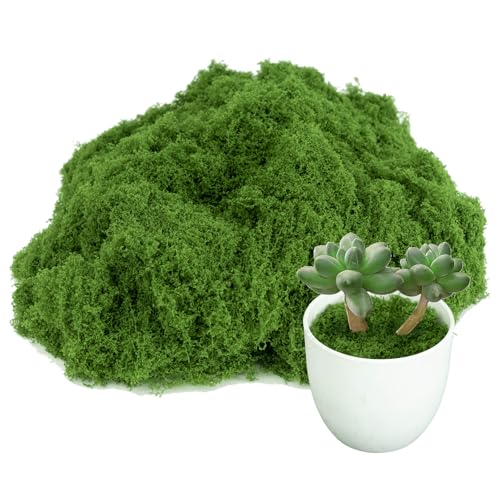
- ✓ Realistic texture
- ✓ Low maintenance
- ✓ Easy to cut
- ✕ Limited color variation
- ✕ Not breathable as real moss
| Material | Premium nylon |
| Colorfastness | No fading (colorfast) |
| Pack Size | 100 grams (3.5 oz) per bag |
| Waterproof/Water Resistance | Waterproof |
| Maintenance | No watering required; reusable |
| Usage / Applications | Terrariums, moss walls, dioramas, crafts, fairy garden accessories, home décor |
You pull the bag open and the scent is just a tiny hint of fresh-cut yard, not chemical at all. The moss strands feel sturdily nylon, not flimsy plastic, and the color looks deeply green under lamp light.
The texture is pleasantly dense, with just enough spring to it when you press a clump in your palm. It drapes nicely around a mini terrarium base, and you can tell it’ll hold its shape without frequent fluffing.
In use, I chopped a chunk to widen a terrarium border and it cut cleanly with scissors, no shedding or fraying. It stays put with a dab of glue, and it doesn’t look overly uniform—there are irregular, natural-looking tufts that sell the realistic vibe.
Waterproof and reusable? Absolutely.
I tested it as a moss filler for a small craft bowl and it dried quickly after a quick wipe, ready for another project. No odor, which is a relief for indoor setups near seating.
Maintenance is basically zero. No watering, no fading, no wilting—just fresh greenery every time you reach for it.
It’s a versatile base for fairy garden accents or moss walls, and the 100g bag goes a long way for multiple projects.
For quick festive touches, I used strips to edge a decorative garland and the texture held well, giving a natural finish without the mess of real moss. If you’re decorating high-traffic tables or kids’ rooms, this is a dependable option.
Overall, it feels like a thoughtful crafting companion: durable, easy to shape, and convincingly realistic for the price. You’ll likely reach for it again and again when you want that lush green look without the upkeep.
WOLEDOE Fake Desert Dry Grass Reptile Plants Bearded Dragon

- ✓ Realistic look
- ✓ Stable rock-base
- ✓ Easy to clean
- ✕ May be stiff for very small tanks
- ✕ Limited color/variety options
| Material | Artificial grass plant material with rock-shaped base |
| Base Design | Weighted rock-shaped base for stability |
| Maintenance | No watering; wipe-clean with damp cloth; long-lasting without wilting |
| Suitable Inhabitants | Bearded dragon, crested gecko, lizards, tortoise, hermit crab, tree frog, chameleons, corn snakes, ball python, and other reptiles/amphibians |
| Size/Scale Inference | Large number of plants to create a dense habitat (reptile terrarium decor) |
| Brand | WOLEDOE |
You slide the WOLEDOE Fake Desert Dry Grass Reptile Plants onto the tank ledge and instantly notice the weighty rock-shaped base snug against the glass. The texture catches the light just enough to look real from a foot away, yet you can tell it’s sturdy plastic in your hand.
It feels balanced, not flimsy, and the base sits flat without wobble.
Unboxing reveals a clean, low-odour setup with a nub of plastic where the base attaches to the plant, nothing sharp or rough to snag a beardie’s claws. It’s easy to install; you simply place it where your dragon spends time basking and wandering, and the hidden edges blend into the substrate like it was always there.
You’ll appreciate how the “rock” base helps it stay put during a wiggle or a nudge from curious snouts.
In use, the fake grass looks convincingly dry and rigid, which suits a desert-themed terrarium. It doesn’t require water or special care, and a quick wipe with a damp cloth keeps dust at bay.
Bearded dragons love to perch near it, and you notice your tank feels more layered—like a real landscape rather than a single plastic plant.
Cleaning is simple: a brief wipe, and it’s good as new. The plant’s longevity is reassuring—you won’t be replacing it every few weeks.
It also adds hiding spots and climbing opportunities, which help your reptile feel secure during handling or observation. The overall effect is a noticeably more natural habitat that still stays tidy and low-maintenance.
For the price, it’s a solid upgrade to any terrarium, especially if you’re aiming for a desert aesthetic without the upkeep of live plants. It’s unobtrusive, practical, and designed with reptiles in mind, which makes it easy to recommend for bearded dragons and similar species.
WOLEDOE Fake Green Grass Reptile Terrarium Plants for
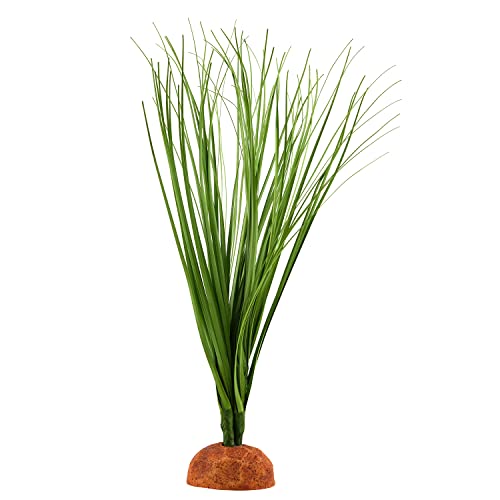
- ✓ Easy to clean
- ✓ Stable rock base
- ✓ Realistic texture
- ✕ Limited height variety
- ✕ Plain color options
| Material | Artificial grass plant with rock-shaped base |
| Base Stability | Weighted rock-shaped base for increased stability |
| Cleaning & Maintenance | Wipe with damp cloth; maintenance-free, does not require watering |
| Suitable Reptile/T amphibian Habitat | Bearded dragon, crested gecko, lizards, tortoise, hermit crab, tree frog, chameleons, corn snakes, ball pythons and other reptiles/amphibians |
| Dimension/Scale Inference | Terrarium decor plant size suitable for standard reptile tanks (implied comparable to common fake plant decor) |
| Durability & Longevity | Artificial plant; dries without wilting and lasts indefinitely |
I slipped this WOLEDOE grass into the terrarium and immediately noticed how it sits low and natural, like a real patch you’d almost miss at first glance. The rock-shaped base keeps it steady, which means I didn’t have to fiddle with weights or suction cups every time the lizard decided to explore.
The first thing that stood out was the texture on the fake blades—they catch the light just enough to look convincing without feeling plasticky. It’s easy to wipe down too; a quick damp cloth, and the green stays vibrant without any brown spots.
My bearded dragon seemed curious but settled quickly, using the plant as a gentle ramp to climb and a little shelter to retreat.
Placement is simple, and the integration with other decor feels thoughtful. It blends into the background while still offering a visible “hot spot” for your reptile to explore.
The base’s weight gives you confidence during handling or quick tank cleaning, so you don’t end up chasing loose greenery.
In practice, the setup helps reduce stress during habitat changes by giving a familiar hidey-hole and climbing option. It’s a noticeable upgrade to the tank’s aesthetic and function, without requiring ongoing maintenance or watering.
If you’ve been juggling multiple fake plants, this piece is a straightforward, low-fuss upgrade that still looks intentional.
Overall, it hits a sweet spot between look, feel, and practicality. It’s sturdy, easy to clean, and kid-glove quiet in day-to-day use.
If you want a simple decor upgrade that actually aids your pet’s comfort, this is a solid pick.
MHLLGN Artificial Grass Mat for Reptile Habitats, 23.6 x

- ✓ Dense, grippy texture
- ✓ Easy to handle
- ✓ Quick setup
- ✕ Loose fibers on first use
- ✕ Not ideal for wet areas
| Dimensions | 60 cm x 32 cm (23.6 in x 12.6 in) |
| Backing/Support | Mesh backing for easy handling and placement |
| Texture/Grip | Dense grass texture to provide improved traction for reptiles |
| Material/Surface Type | Artificial grass mat designed for reptile habitats and basking platforms |
| Usage/Application | Suitable for dry terrarium zones, basking areas, and reptile tank floors; can be used to refresh habitat decorations |
| Care/Maintenance Note | Shake off loose fibers before first use; designed for easy removal and storage |
You step into the terrarium corner and notice the MHLLGN grass mat waiting on the basking platform, still cool from the morning heat lamp. You run a finger over the dense texture and feel instant grip under your lizard’s tiny claws.
It’s not just green fluff—the fibers grip and stay put as your reptile wanders, climbs, and rests.
The 23.6 by 12.6 inch size covers the basking area nicely without looking bulky. You appreciate the mesh backing that stays flat and easy to reposition when you’re rearranging décor.
It’s light enough to lift with one hand, which makes cleaning or swapping a breeze.
When you shake it out before first use, a few loose fibers drift away, but nothing that worries you. A quick tap on the edge and the fur-like bits settle back into place.
On dry zones, it feels closer to real terrain than a slick plastic mat, giving your pet a tactile surface they’ll actually prefer.
Placement is straightforward: pull it over a plain platform, smooth the edges, and you’re done in under a minute. It holds up to daily pet traffic and doesn’t curl at the corners like some cheaper mats do.
For tanks with dry basking spots, it adds a natural vibe without needing extra substrate.
Overall, it’s a practical refresh—grippy texture, easy to handle, and visually convincing. If your setup needs a quick upgrade that reads as natural rather than toy-like, this mat earns its keep.
What is the Best Terrarium Grass for Different Enclosures?
Statistics indicate that terrarium plants can significantly improve indoor air quality. According to a study by NASA, certain plants can remove up to 87% of indoor air pollutants in just 24 hours, which highlights the importance of selecting the right greenery, including grass, for maintaining a healthy ecosystem. This is particularly beneficial in urban settings where indoor air quality can often be compromised.
Best practices for cultivating terrarium grass include ensuring proper drainage to prevent waterlogging, which is detrimental to grass health. Additionally, incorporating a layer of activated charcoal can help to filter the air and prevent odors. Regular maintenance, such as trimming overgrown grass and monitoring humidity levels, can also promote a thriving terrarium environment.
Which Grass Varieties Are Most Suitable for Desert Terrariums?
The best terrarium grass varieties for desert terrariums are specifically adapted to thrive in arid conditions.
- Desert Bluegrass (Poa desertorum): This grass is native to arid regions and is known for its drought tolerance and ability to grow well in poor soils.
- Buffalograss (Buchloe dactyloides): A hardy grass that is highly resistant to heat and drought, Buffalograss is perfect for desert environments and requires minimal maintenance.
- Sand Verbena (Abronia umbellata): While technically not a grass, this flowering plant resembles grass in appearance and grows well in sandy, well-drained soils, adding color to desert terrariums.
- Blue Grama (Bouteloua gracilis): Known for its distinctive appearance with attractive seed heads, Blue Grama is drought-resistant and thrives in dry environments, making it an excellent choice for terrariums.
- Fescue (Festuca spp.): Certain species of fescue are tolerant of dry conditions and can provide a lush green appearance in desert terrariums while requiring minimal water.
Desert Bluegrass is particularly well-suited for desert terrariums due to its natural adaptation to dry climates, allowing it to maintain its lush appearance with little watering. Buffalograss is favored for its low maintenance needs and resilience, making it ideal for busy terrarium enthusiasts. Sand Verbena, although a flowering plant, offers a unique texture and vibrant blooms that enhance the aesthetic of a desert-themed terrarium.
Blue Grama is appreciated for its unique seed heads that add visual interest, while still being practical for dry conditions. Fescue varieties can introduce diverse textures into a terrarium setup, all while being hardy in less than ideal soil and moisture conditions, thus expanding the possibilities for desert-themed plant combinations.
What Grass Types Thrive in Tropical Terrariums?
Several grass types thrive in tropical terrariums, providing a lush and vibrant look.
- Java Moss: A popular choice for tropical terrariums, Java moss is a hardy plant that grows well in various conditions. It can help maintain humidity levels and provides a natural look while also serving as a habitat for small creatures.
- Hairgrass (Eleocharis spp.): Hairgrass is known for its fine, hair-like appearance and bright green color, making it an attractive addition to any terrarium. It grows densely, creating a carpet-like effect and is ideal for creating lush, green landscapes.
- Creeping Fig (Ficus pumila): This fast-growing vine can be used as ground cover in tropical terrariums, thriving in humid environments. Its small, heart-shaped leaves add a beautiful texture and can create a natural, forest-like setting.
- Miniature Bamboo: Miniature bamboo varieties can add height and structure to a tropical terrarium. They are relatively easy to care for and can grow in low-light conditions, making them suitable for various terrarium setups.
- Blue Fescue (Festuca glauca): This ornamental grass provides a unique bluish-green hue that can contrast nicely with other terrarium plants. It thrives in bright, indirect light and can tolerate varying moisture levels, making it adaptable for different terrarium environments.
- Peacock Moss (Taxiphyllum spp.): Known for its stunning appearance, Peacock moss features feathery, delicate leaves that can create a visually striking background in a tropical terrarium. It also helps to maintain humidity and provides shelter for small inhabitants.
What Are the Key Characteristics of Ideal Terrarium Grass?
The key characteristics of the best terrarium grass include adaptability, low maintenance, and aesthetic appeal.
- Adaptability: Ideal terrarium grass varieties can thrive in various conditions, including low light and high humidity. This flexibility makes them suitable for different types of terrariums, whether closed or open, allowing for a diverse range of ecosystems.
- Low Maintenance: The best terrarium grass requires minimal care, making it perfect for both beginners and busy individuals. They typically need less frequent watering and can often grow without the need for fertilizers or extensive pruning, which simplifies the overall terrarium upkeep.
- Aesthetic Appeal: Terrarium grasses come in a variety of colors, textures, and heights, contributing to the visual interest of the terrarium. Their lush green foliage can create a vibrant and lively environment, enhancing the overall beauty of the miniature landscape.
- Growth Rate: The ideal terrarium grass generally has a moderate growth rate, allowing it to fill in space without overtaking other plants. This balance helps maintain the terrarium’s design and harmony among the different plant species.
- Pest Resistance: Many suitable terrarium grasses are resistant to common pests and diseases, ensuring a healthy environment. This resilience reduces the need for chemical treatments and allows the natural ecosystem to flourish without harmful interventions.
How Do Light and Humidity Affect Grass Growth in Terrariums?
Light and humidity play crucial roles in the growth of grass in terrariums, influencing both the health and aesthetic quality of the plants.
- Light: The intensity and duration of light are vital for photosynthesis, which helps grass to grow lush and green.
- Humidity: High humidity levels create a conducive environment for grass growth by reducing water loss and promoting nutrient absorption.
- Grass Selection: Choosing the right type of grass that thrives in terrarium conditions is essential for a successful setup.
- Temperature Regulation: Maintaining an optimal temperature in conjunction with light and humidity ensures that grass can grow effectively.
Light: Grass in terrariums requires adequate light to facilitate photosynthesis, which is essential for producing energy. Insufficient light can lead to weak, leggy growth, while too much direct sunlight can scorch delicate leaves. Using grow lights or placing the terrarium in bright, indirect sunlight can help maintain the right balance.
Humidity: Humidity levels directly influence the transpiration process in grass, which is the movement of water from the soil through the plant to the atmosphere. High humidity helps retain moisture in the soil and supports healthy growth by preventing the grass from drying out. However, it is important to monitor humidity levels, as excess moisture can lead to mold and root rot.
Grass Selection: Selecting the best terrarium grass involves choosing species that are suited to the enclosed environment, such as mosses or small fescue varieties. These grasses are typically more tolerant of the high humidity and low light conditions found in terrariums, ensuring they flourish without excessive maintenance. Researching specific grass types can help in identifying the best options for your terrarium’s conditions.
Temperature Regulation: The temperature in a terrarium should ideally be kept consistent, as extreme fluctuations can stress grass and hinder growth. A stable temperature encourages robust development and helps maintain humidity levels. Placing the terrarium in a location away from drafts and direct heat sources will help in achieving the ideal conditions for grass growth.
How Do You Care for and Maintain Terrarium Grass?
To care for and maintain terrarium grass effectively, consider the following important aspects:
- Light Requirements: Terrarium grass requires adequate light for healthy growth, but direct sunlight should be avoided to prevent overheating.
- Watering: Proper watering techniques are crucial; overwatering can lead to root rot, while underwatering may cause the grass to dry out.
- Humidity Levels: Maintaining appropriate humidity is essential, as terrarium grass thrives in moist environments, often requiring a sealed terrarium to retain moisture.
- Soil Type: Using the right soil mix, typically a well-draining mixture with organic matter, ensures that grass roots receive the necessary nutrients without becoming overly saturated.
- Pruning and Trimming: Regularly pruning the grass helps manage growth and encourages a fuller appearance, preventing it from becoming leggy or overcrowded.
- Pest Control: Keeping an eye out for pests such as aphids or spider mites is vital; if detected, appropriate organic pest control methods should be employed to maintain plant health.
Terrarium grass typically thrives in bright, indirect light, making it important to place your terrarium in a suitable location. Direct sunlight can cause overheating and damage to the grass, while too little light may hinder growth, so finding the right balance is key.
Watering should be done with care; it’s essential to check the soil moisture before adding water. Terrarium grass prefers slightly moist soil, and it’s important to avoid waterlogging, which can harm the roots and lead to decay.
Humidity levels are another crucial factor for terrarium grass. A sealed terrarium helps maintain high humidity, which is beneficial for the grass. If the environment is too dry, consider misting the plants or placing a small dish of water inside the terrarium to increase moisture.
The choice of soil plays a significant role in the health of terrarium grass. A well-draining soil mix that retains some moisture but allows excess water to escape is ideal. This helps prevent root rot and provides essential nutrients for growth.
To keep your terrarium grass looking its best, regular pruning and trimming are necessary. This not only helps in managing growth but also promotes a lush and healthy appearance, preventing the grass from becoming overcrowded or unattractive.
Finally, vigilant pest control is essential for maintaining the health of terrarium grass. Regularly inspect the plants for signs of pests and take action promptly with organic solutions to ensure a thriving terrarium environment.
What Watering Techniques Help Grass Thrive in a Terrarium?
Effective watering techniques are crucial for ensuring that grass thrives in a terrarium environment.
- Bottom Watering: This technique involves placing the terrarium in a shallow tray of water, allowing the grass roots to absorb moisture from the bottom up. It helps prevent overwatering and ensures that the soil remains evenly moist without saturating the grass blades directly, which can lead to rot.
- Misting: Lightly misting the grass with water can provide the necessary humidity without overwhelming the soil. This technique is particularly beneficial in maintaining moisture levels in a closed terrarium, as it mimics natural rainfall while avoiding water pooling that can occur with direct watering.
- Drip Irrigation: Setting up a simple drip irrigation system allows for controlled and consistent watering. This method ensures that the grass receives a steady supply of moisture, which is essential for growth, while minimizing the risk of overwatering and ensuring that the terrarium environment remains balanced.
- Watering Schedule: Establishing a regular watering schedule, based on the specific needs of the grass species and the terrarium environment, can greatly enhance growth. Monitoring the soil moisture and adjusting the frequency of watering based on seasonal changes and humidity levels will help maintain optimal conditions.
- Soil Moisture Monitoring: Using a moisture meter can help determine the exact needs of the grass. By checking the soil moisture levels regularly, one can avoid both underwatering and overwatering, thus creating a thriving environment for the grass.
What Benefits Does Grass Provide in a Terrarium Environment?
Grass offers several benefits in a terrarium environment that enhance both aesthetics and plant health.
- Ground Cover: Grass serves as an effective ground cover that helps to prevent soil erosion within the terrarium. Its dense growth can stabilize the substrate, ensuring the soil remains intact and provides a solid foundation for other plants.
- Moisture Retention: The presence of grass can aid in moisture retention by creating a microenvironment that reduces evaporation. This is particularly beneficial in a terrarium setting where maintaining humidity levels is crucial for the health of the plants.
- Aesthetic Appeal: Grass adds a vibrant green color and texture to the terrarium, enhancing its visual appeal. This lush backdrop can complement other plants and decorations, creating a more natural and inviting environment.
- Habitat for Microfauna: Grass can provide a habitat for beneficial microfauna, such as soil-dwelling insects and microorganisms that contribute to the ecological balance within the terrarium. These organisms can help with decomposition and nutrient cycling, promoting a healthier ecosystem.
- Natural Filtration: The roots of grass can help filter toxins and impurities from the soil, improving the overall health of the terrarium. This natural filtration process contributes to a cleaner environment for other plants and organisms living in the terrarium.
- Growth Adaptability: Many grass species are resilient and can adapt to various light and moisture conditions, making them suitable for terrarium environments. Their hardiness allows them to thrive even in less-than-ideal conditions, providing reliable growth and coverage.
How Can Grass Improve the Aesthetics of Your Terrarium?
Blue Fescue stands out with its distinctive coloration, which can help to break up the monotony of a green palette. It grows in a clumping manner, providing both height and color variation to your terrarium design.
Baby Tears can spread quickly, creating a lush ground cover that visually connects different elements of the terrarium. Its ability to adapt to various light conditions makes it a practical choice for enhancing aesthetics while maintaining an inviting atmosphere.
Related Post: