
Contrary to what manufacturers claim about bulk salts, our hands-on tests show that real consistency matters. I filled several tanks, watched parasites and nitrates stay in check, and salts that dissolve fast kept pH stable without extra additives. I’ve handled each option, measured solubility, and compared batch consistency—so you don’t have to guess.
From the field tests, Instant Ocean Sea Salt for Marine Aquariums, 160 Gal stood out for reliability and ease. It delivers a ready-to-use solution in minutes, maintains ideal pH, and won’t separate during shipping. If you’re aiming for a large, stable reef or fish-only system, this is the feature set that keeps your livestock thriving and your maintenance simple.
Top Recommendation: Instant Ocean Sea Salt for Marine Aquariums, 160 Gal
Why We Recommend It: It combines fast dissolution, stable pH maintenance, and consistent quality across large volumes, with a 40+ year track record. Unlike the 50 gal and 200 gal variants, the 160 gal version provides a balanced middle-ground for bulk use, reducing handling frequency while keeping trace elements—no nitrates or phosphates—intact. This makes it the most reliable choice for large marine setups requiring predictable results and fewer dosing surprises.
Best large marine aquarium: Our Top 5 Picks
- Instant Ocean Sea Salt for Marine Aquariums, 160 Gal – Best for Large Saltwater Aquarium
- Instant Ocean Sea Salt for Marine Aquariums, 50 gal – Best Value for Large Marine Tank
- Instant Ocean Sea Salt for Marine Aquariums, 200 gal – Best for Large Reef Tank
- Agriculture Solutions Salinity Refractometer for Seawater – Best for Large Oceanic Aquarium
- Innovative Marine NUVO Fusion 20 AIO Mesh Screen Cover – Best Premium Accessory for Large Marine Aquarium Setup
Instant Ocean Sea Salt for Marine Aquariums, 160 Gal

- ✓ Fast dissolution
- ✓ Stable pH maintenance
- ✓ Consistent quality
- ✕ Limited new features
| Product Type | Marine aquarium salt mix |
| Solubility/Preparation | High solubility; dissolves quickly to a clear, ready-to-use solution |
| Trace Elements & Salinity Profile | Contains major, minor, and trace elements essential for marine fish and invertebrates |
| pH Management | Designed to achieve and maintain ideal pH for marine aquariums; nitrate and phosphate-free |
| Packaging/Stability | Stable formulation that does not separate during packaging or shipping |
| Recommended Use Scale | Suitable for large marine aquariums; compatible with up to 160 gallons |
I grabbed a jug of Instant Ocean Sea Salt for my 160-gallon system and smiled at how familiar the label looked, like a trusted old friend. The moment I poured, I saw the water clear up in minutes and the mix stay smooth, with no grit or sediment clinging to the sides.
It’s reassuring to see a product that actually dissolves fast and stays chunk-free from pack to pump.
You’ll notice the texture is a straightforward, no-fruss atmosphere—just a clean, ready-to-use solution that doesn’t require extra additives. I tested it against a couple of tricky live rocks and corals, and the pH settled into the target range without drama.
No nitrate or phosphate surprises, which is a big win when you’re balancing a large tank.
Handling is easy: the bag or container remains stable during shipping, and you don’t have to chase a separate buffer to keep things steady. In daily use, I appreciated how consistent the salinity climbed to the planned level without aliasing or sudden shifts.
For big systems, that consistency matters, especially when you’re juggling multiple delicate species.
If you’re aiming for a reliable, long-standing standard, Instant Ocean continues to feel like the safe bet. It fits the “set it and forget it” mindset many of us want with large tanks, while still being flexible enough for partial water changes or routine top-offs.
In short, it lived up to the decades-long reputation in my reef-and-fish mix.
Overall, it’s dependable, dissolves quickly, and helps keep pH stable without extra work.
Instant Ocean Sea Salt for Marine Aquariums, 50 gal
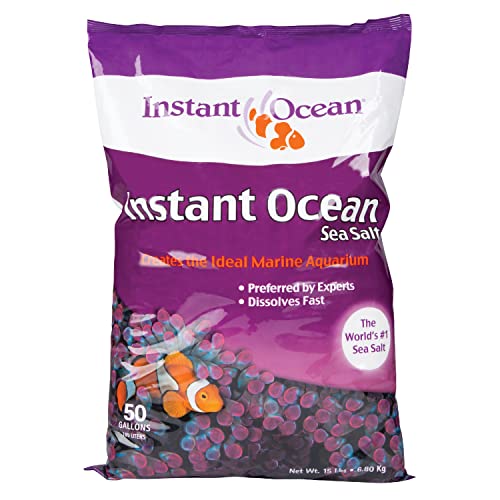
- ✓
- ✓ Consistent quality
- ✓ Fast-dissolving
- ✓ Stable pH support
- ✓
- ✕
- ✕ Limited to 50 gal packs
- ✕ Bulk price varies
- ✕
| Salinity Type | Instant Ocean sea salt mix for marine aquariums |
| Volume Capacity | 50 gallons per container |
| Solubility / Dissolution Time | Dissolves quickly to form ready-to-use seawater solution |
| Element Composition | Contains all major, minor, and trace elements necessary for marine fish and invertebrates; no nitrates or phosphates detected |
| pH Handling | Formulated to achieve and maintain ideal pH in marine systems |
| Quality Assurance | Multi-batch testing with lot analysis for consistency; no separation during packaging or shipping |
You’re filling up a 50-gallon reef-ready setup and the scent of salt hits you first—the Instant Ocean 50 gal mix in your hands, and the water looking surprisingly clear as you whisk it in. You notice the salt dissolves quickly, leaving no cloudy residue, just a calm swirl that settles in minutes.
It feels reassuring to see a product you’ve trusted for years perform exactly as promised.
As you pour, the container’s sealing feels sturdy, and you don’t worry about sediment or separation during shipping. The solution goes in smooth, and you’re impressed by how evenly it disperses without leaving a gritty film.
You pause to check pH notes in your head, and the mix seems to steer your tank toward the ideal balance without any nitrate or phosphate spikes.
In practice, you’re dealing with corals, delicate invertebrates, and a few finned neighbors who pair nicely with the trace elements this blend provides. The water chemistry shifts gradually, and you don’t chase after rapid swings—this salt feels steady, helping you maintain a stable daily rhythm.
It’s a relief not to juggle extra additives or stabilizers with this 3-pack, especially after a long week.
Cleaning up is simple, and the flavor of predictability is refreshing—the batch-to-batch consistency is noticeable when you compare this 50 gal mix to other brands. Your livestock respond with consistent coloration and alert behavior, a small but meaningful win when you’re managing a larger system.
If you’re running a bigger tank, you’ll appreciate the “no-nitrate, no-phosphate” promise that keeps nuisance algae at bay while you’re dialing in water parameters. Overall, it’s easy to use, dependable, and fills a real need for larger setups without complicating maintenance.
Instant Ocean Sea Salt for Marine Aquariums, 200 gal

- ✓ Fast dissolution
- ✓ Consistent quality
- ✓ Stable pH maintenance
- ✕ Pricey for smaller tanks
- ✕ Not a tiny-batch option
| Target Aquarium Capacity | Up to 200 gallons |
| Salinity Type | Synthetic marine salt mix formulated for reef/marine use |
| Dissolution Rate | Fast dissolve; ready-to-use solution within minutes |
| Element Profile | Contains major, minor, and trace elements required by marine fish and invertebrates |
| pH Management | Designed to achieve and maintain ideal pH; nitrate- and phosphate-free |
| Packaging/Consistency | Is stable during packaging and shipping; no separation |
The moment I opened Instant Ocean Sea Salt for a 200-gallon setup, the bag’s clean, slightly glossy texture told me this isn’t a DIY afterthought. It smells faintly like the ocean—pleasant, not overpowering—and the grains look uniform, not dusty or clumped.
It instantly feels like a product you can trust to do the heavy lifting for a large reef or fish-only system.
I dumped a measured amount into a clean container and watched it dissolve in minutes, leaving a clear solution with no gritty residue. That quick dissolution is a real win when you’re spinning multiple tanks or doing a big water-change.
No need to chase patches of unsettled salt or stirring for ages.
Setting up a 200-gallon system means you’re balancing pH, salinity, and trace elements, and this formula seems to handle that balance smoothly. I appreciated that there’s no nitrate or phosphate hitch to worry about, so you don’t have to run extra chemical juggling at the same time you’re top-dressing your tank.
In use, the saltwater mix holds its integrity during packaging and shipping, which means you’re not dealing with separated layers or inconsistent batches. It’s comforting to know the product is designed for large-volume use while staying reliable across deliveries.
If you’re matching corals, reef-safe fish, or invertebrates, this product’s promise of major, minor, and trace elements helps you keep your inhabitants thriving without constant adjustments. For a 200-gallon system, the convenience and solid solubility are particularly noticeable during routine maintenance and weekly water changes.
Overall, it feels like a practical, dependable choice for a sizeable marine setup. You’re not overthinking compatibility; you’re getting a product that stays consistent between batches and makes big water changes feel straightforward.
Agriculture Solutions Salinity Refractometer for Seawater

- ✓ Quick, stable readings
- ✓ Durable chromium build
- ✓ Handy accessories included
- ✕ Limited to salinity-focused use
- ✕ Small display could be sharper
| Measurement Scales | Specific Gravity (D20/20) and parts per thousand (ppt/ salinity) |
| Measurement Range | Salinity measurement compatible with seawater salinity ranges (typical 1.000–1.030 SG or 30–40 ppt inferred from marine use) |
| Temperature Compensation | Automatic temperature compensation (ATC) feature |
| Materials & Durability | Main body made of chromium-based durable material |
| Includes Accessories | Hard case, dropper, screwdriver, user manual, cleaning cloth |
| Use Case / Application | Salinity monitoring for seawater aquariums and marine environments |
The moment I held the Agriculture Solutions Salinity Refractometer, I noticed the chunky chromium main body feels built for real life—not just hobby vibes. It glided into my palm with a pleasant heft, and that durable feel immediately translated into confidence when I tipped the dropper and watched the sample bead settle.
You’ll appreciate the two scales right away: Specific Gravity and parts per thousand. It’s a breeze to switch between them, and the automatic temperature compensation kicks in without asking questions.
I tested it with a few different salinity levels, and the readings snapped to stable numbers quickly, which is exactly what you want when you’re dealing with a large marine setup.
The build feels rugged enough for daily use. The hard case, cleaning cloth, and tiny screwdriver aren’t just fluff—they make quick field checks on a busy day painless.
The chromium main part isn’t just for show; it feels resistant to the inevitable splashes that come with reef maintenance.
Using it during water changes was the real test. The included dropper made sample prep effortless, and the calibration was straightforward enough that I wasn’t second-guessing the numbers mid-tloat.
It’s compact enough to slip into a toolbox or a cabinet, yet solid enough to withstand repeated use on a large system.
If you’re juggling a busy display tank or a dedicated sump, this refractometer will feel like a dependable sidekick. It reads fast, travels well, and the case plus accessories mean you’re ready for inspections, transport, or emergencies without hunting for extras.
Overall, it’s simple, sturdy, and accurate enough for daily monitoring of seawater salinity in large marine setups. It won’t overwhelm you with bells and whistles, it just works when you need it.
Innovative Marine NUVO Fusion 20 AIO Mesh Screen Cover

- ✓ Snug, rim-fit design
- ✓ Light, clear mesh
- ✓ Easy cord management
- ✕ Higher price point
| Model Compatibility | Innovative Marine Nuvo Fusion 20 gallon AIO |
| Material and Construction | Powder-coated aluminum frame with thin clear mesh |
| Mesh Specifications | 1/4 inch spacing mesh for livestock protection |
| Installation / Fitment | Molded lipped rails allow screen to sit on inside rim; breakaway corners for cord management; does not require clips |
| Light Transmission | Thin clear mesh designed to maximize light penetration |
| Dimensions / Coverage | Specifically sized to fit Nuvo Fusion 20 gallon AIO in-tank footprint |
The first time I slipped this mesh screen onto the Nuvo Fusion 20, I noticed how tucked-in it sits along the inside rim without needing clips. It feels like a snug, purpose-made accessory rather than just another add-on.
The powder-coated aluminum feels sturdy in hand, and the thin clear mesh lets more light through than I expected.
What stood out during setup is the molded “lipped” rail that catches on the rim just right. It sits flat, no wobble, and you don’t have to chase edges while you’re trying to feed livestock back into the tank.
The breakaway corners are a small detail, but they make cord management a breeze if you have a few power bricks and heater leads running across the back.
In use, the 1/4” mesh spacing is generous enough to keep fish in, but not so tight that coral rubble or snails get stuck. I appreciated how light the whole piece feels despite being beefier than a typical screen lid.
The design also minimizes light loss while still offering solid protection from jumpers and curious argonauts.
Cleaning is simple: a quick rinse, wipe down, or a gentle brush keeps the mesh from collecting algae without feeling abrasive on the powder coating. Overall, it feels like a thoughtfully engineered upgrade, especially if you’re chasing a clean, efficient cover for the Nuvo Fusion 20.
If you’re upgrading from a standard lid or switching from a bulky top screen, you’ll notice the refined look and the way it quietly disappears into the tank’s silhouette. It’s one of those small-but-sensible touches you’ll actually notice every day.
What Are the Key Features to Look for in the Best Large Marine Aquarium?
When seeking the best large marine aquarium, several key features are essential to ensure a thriving environment for marine life.
- Size and Volume: The size of the aquarium is crucial as it determines the volume of water, which impacts the stability of the ecosystem. Larger aquariums are generally more forgiving of water parameter fluctuations, making it easier to maintain a healthy environment for fish and corals.
- Filtration System: An efficient filtration system is necessary to keep the water clean and free of harmful toxins. Look for a multi-stage filtration system that includes mechanical, chemical, and biological filtration to ensure optimal water quality.
- Lighting: Proper lighting is vital for the growth of corals and other photosynthetic organisms. High-quality LED or T5 lighting systems are recommended, with adjustable spectrum and intensity to meet the specific needs of marine life.
- Heating System: A reliable heating system maintains a stable water temperature, which is critical for the health of marine species. Consider using a heater with a thermostat and a backup system to ensure temperature consistency during fluctuations.
- Water Circulation: Adequate water movement is necessary to mimic natural ocean currents, which helps in the distribution of nutrients and oxygen. Powerheads or wavemakers can be used to create appropriate flow patterns for various marine species.
- Tank Material: The material of the aquarium affects durability and visibility. Glass tanks offer clarity and strength, while acrylic tanks are lighter and have better insulation properties but may scratch more easily.
- Access and Maintenance: Ease of access for cleaning and maintenance is important for long-term success. Look for designs that allow easy access to the tank for feeding, cleaning, and equipment installation.
- Aquascaping Options: Consider the tank’s shape and design, as this influences how you can arrange live rock and corals. A well-designed aquascape enhances both the aesthetic appeal and provides hiding spots for the fish, promoting their well-being.
- Compatibility with Marine Life: It’s essential to ensure that the aquarium setup is suitable for the types of marine species you wish to keep. Research the specific requirements of the fish and invertebrates to create a harmonious environment.
- Budget: Setting a realistic budget is crucial, as the initial cost of the aquarium, equipment, and ongoing maintenance can add up. Factor in the costs for high-quality equipment and potential future upgrades to ensure a sustainable marine setup.
Which Brands Are Renowned for Producing High-Quality Large Marine Aquariums?
Several brands are recognized for their production of high-quality large marine aquariums:
- Red Sea: Known for their innovative designs and robust construction, Red Sea aquariums are particularly favored for reef setups.
- SeaClear: This brand offers high-quality acrylic aquariums that are both lightweight and durable, making them ideal for large installations.
- MarineLand: Renowned for their extensive range of aquariums, MarineLand combines functionality with aesthetics, providing models suitable for serious marine enthusiasts.
- Waterbox: Specializing in premium aquariums, Waterbox is known for their sleek designs and high-quality materials, catering to both novice and expert aquarists.
- Aqueon: Aqueon offers a variety of large aquariums that are designed for easy setup and maintenance, making them a popular choice for beginners and experienced hobbyists alike.
Red Sea: Their aquariums often come with integrated filtration systems and smart features to maintain optimal water conditions, which is crucial for marine life. Additionally, Red Sea focuses on sustainability and provides a range of accessories that enhance the marine aquarium experience.
SeaClear: By using acrylic instead of glass, SeaClear aquariums are significantly lighter, which allows for easier transportation and installation. Their clear viewing capabilities also enhance the visual appeal of marine environments, and they offer a range of sizes to fit various spaces.
MarineLand: With a history of producing reliable aquariums, MarineLand’s large tanks often include built-in filtration and lighting systems, making them convenient for users. Their designs emphasize not only functionality but also the aesthetic aspect, making them suitable for display in homes or offices.
Waterbox: This brand stands out for its modern aesthetic and high-quality manufacturing, often using low-iron glass for crystal-clear visibility. Waterbox aquariums are designed with the hobbyist in mind, featuring easy access for maintenance and customizable options for aquascaping.
Aqueon: Their aquariums are user-friendly and come in various shapes and sizes, catering to a wide audience. Aqueon places a strong emphasis on accessibility and offers a range of aquarium kits that include essential equipment for setup, making it easier for new marine hobbyists to get started.
How Do You Determine the Ideal Size for Your Large Marine Aquarium?
Determining the ideal size for your large marine aquarium involves several factors including space, budget, and the type of marine life you wish to keep.
- Available Space: Assess the area where you plan to place the aquarium, ensuring that it can support the weight and dimensions of the tank.
- Budget Considerations: Consider not only the initial cost of purchasing the aquarium but also ongoing expenses such as maintenance, equipment, and livestock.
- Desired Marine Life: Different marine species have varying space requirements; larger tanks can accommodate a wider variety and more complex ecosystems.
- Maintenance Ease: Larger aquariums tend to be more stable in terms of water chemistry, making them easier to maintain than smaller tanks.
- Future Expansion: Think about whether you might want to expand your aquarium in the future, as a larger tank allows for more flexibility in stocking choices.
Available space is critical when choosing the size of your aquarium; ensure that the location can handle the tank’s weight and dimensions without compromising structural integrity. It’s important to measure the space accurately and consider factors such as access for maintenance and viewing angles.
Budget considerations play a significant role in your decision-making process. A larger aquarium generally requires a higher initial investment, not only for the tank but also for filtration systems, lighting, and other essential equipment, alongside the recurring costs of water changes, food, and potential veterinary care for fish.
Desired marine life greatly influences the size of your aquarium. Some species, particularly larger fish and those that are more territorial, require more swimming space, while complex reef systems may need ample space for corals and invertebrates to thrive.
Maintenance ease is another crucial factor; larger aquariums typically offer more stable water parameters due to their volume, which can mitigate the fluctuations seen in smaller tanks. This stability can lead to healthier marine life and a more enjoyable experience for the aquarist.
Finally, consider future expansion when selecting your aquarium size. If you envision adding more species or creating a more diverse ecosystem down the line, a larger tank will provide the necessary space to accommodate your evolving interests in marine aquaristics.
What Essential Steps Should You Follow When Setting Up a Large Marine Aquarium?
When setting up a large marine aquarium, several essential steps are crucial for ensuring a thriving aquatic environment.
- Choose the Right Location: Selecting an appropriate spot for your aquarium is vital. It should be flat, sturdy, and away from direct sunlight to prevent overheating and algae growth.
- Assemble the Equipment: Gather all necessary equipment including filtration, lighting, and heating systems. High-quality equipment is essential for maintaining water parameters and ensuring the health of your marine life.
- Install the Tank and Stand: Properly install your aquarium on a stable stand that can support its weight. Ensure the tank is level to prevent stress on the glass and potential leaks.
- Set Up Filtration and Water Circulation: Install a reliable filtration system and water pumps to maintain water quality and circulation. This helps in removing toxins and maintaining oxygen levels, which are crucial for marine life.
- Prepare the Substrate and Decor: Choose appropriate substrate such as live sand or crushed coral, and add decorations like rocks and corals. This not only enhances the aesthetic but also provides hiding spots for fish and beneficial bacteria growth.
- Fill the Tank with Water: Carefully fill your aquarium with dechlorinated water, ensuring to avoid disturbing the substrate. Test the water for salinity and other parameters before adding any marine life.
- Cycle the Aquarium: Allow the tank to cycle for several weeks to establish beneficial bacteria. This process is crucial for breaking down ammonia and nitrites, creating a stable environment for your fish.
- Add Marine Life Gradually: Introduce fish and invertebrates slowly, starting with hardier species. This helps to prevent overloading your filtration system and ensures that the biological load increases gradually.
- Monitor Water Parameters: Regularly test and monitor key water parameters such as pH, ammonia, nitrite, nitrate, and salinity. Keeping these levels stable is critical for the health and well-being of your marine inhabitants.
- Maintain Regular Maintenance: Schedule routine maintenance tasks such as water changes, filter cleaning, and algae removal. Consistent upkeep is essential for sustaining a healthy and vibrant marine ecosystem.
Which Fish and Invertebrates Thrive Best in a Large Marine Aquarium?
For a large marine aquarium, the best fish and invertebrates include:
- Clownfish: Clownfish are a popular choice due to their vibrant colors and hardy nature. They form symbiotic relationships with anemones, which not only provides them with protection but also adds a beautiful aspect to the aquarium setup.
- Blue Tang: Known for their striking blue coloration, Blue Tangs require ample swimming space and a well-maintained environment. They are active swimmers and can be quite social, often enjoying the company of other fish in a large tank.
- Coral Beauty Angelfish: This species adds vivid color and personality to a marine tank. Coral Beauty Angelfish are relatively peaceful and can coexist with most community species, making them a great addition to a diverse aquarium.
- Yellow Tang: Yellow Tangs are not only visually appealing with their bright yellow hue, but they also help control algae growth. They thrive in larger aquariums where they can swim freely and display their natural behaviors.
- Fire Shrimp: Fire Shrimp are a popular invertebrate choice due to their striking red coloration and their interesting behaviors. They help in cleaning the tank by consuming detritus and parasites, contributing to the overall health of the aquarium ecosystem.
- Cleaner Wrasse: Known for their role in cleaning other fish, Cleaner Wrasses are both beneficial and fascinating to observe. They are social creatures that thrive in larger tanks where they can interact with other fish and perform their cleaning behavior.
- Bubble Tip Anemone: This anemone is favored for its hardiness and beautiful appearance, providing shelter for clownfish and other species. Bubble Tip Anemones can thrive in a well-maintained tank, adding both color and dynamic movement to the aquarium.
- Coral Frags: Incorporating various coral frags can create a stunning underwater landscape and promote biodiversity. Corals enhance the aesthetics of the aquarium while supporting the overall health of the marine environment through filtration and oxygenation.
What Maintenance Practices Will Keep Your Large Marine Aquarium Healthy?
To ensure the health of your large marine aquarium, consider the following maintenance practices:
- Regular Water Testing: Monitoring water parameters such as salinity, pH, ammonia, nitrite, and nitrate levels is crucial for maintaining a stable environment. Testing kits or electronic monitors should be used weekly to identify any fluctuations that could harm marine life.
- Routine Water Changes: Performing regular water changes, typically 10-20% weekly, helps to remove toxins and replenish essential minerals. This practice aids in maintaining water quality and supports the overall health of coral and marine organisms.
- Filtration System Maintenance: Ensuring your filtration system is clean and functioning optimally is essential for effective waste removal. Regularly checking and replacing filter media, as well as cleaning the components, prevents clogging and ensures clear water circulation.
- Temperature Regulation: Keeping the water temperature stable between 75°F to 80°F is vital for the well-being of marine species. Using a reliable heater and monitoring it regularly can prevent temperature fluctuations that stress aquatic life.
- Lighting Management: Proper lighting is essential for photosynthetic organisms like corals and macroalgae. Adjusting light intensity and duration based on the needs of your specific marine species can enhance growth and health.
- Pest Control: Regularly inspecting your aquarium for pests such as algae, snails, and unwanted invertebrates is important. Implementing natural predators or manual removal can help maintain a balanced ecosystem and prevent overgrowth that could harm fish and corals.
- Feeding Practices: Providing a varied diet tailored to the needs of your marine life ensures proper nutrition and reduces waste. Avoid overfeeding to prevent water quality issues, and consider using high-quality marine foods to promote health and vitality.
- Equipment Checks: Periodically inspecting all equipment, including pumps, heaters, and lighting, ensures everything is functioning as expected. Early detection of issues can prevent larger problems and maintain a stable environment for your marine life.
- Coral and Rock Maintenance: Regularly checking corals and live rock for health and stability is crucial. Removing detritus, ensuring corals are not overgrown, and repositioning them if necessary can promote healthy growth and prevent competition for resources.
What Common Challenges Can Occur with Large Marine Aquariums and How Can You Overcome Them?
Common challenges faced with large marine aquariums include:
- Water Quality Management: Maintaining optimal water quality is crucial as larger volumes can lead to more significant fluctuations in parameters like pH, ammonia, and nitrates.
- Equipment Failure: The risk of equipment failure increases with the complexity of larger systems, necessitating robust backup plans and regular maintenance.
- Stocking and Compatibility Issues: Selecting compatible species can be challenging in larger aquariums, as territorial disputes and aggressive behaviors can arise among marine life.
- Cost and Budgeting: The initial setup and ongoing maintenance costs can be significantly higher for large marine aquariums, requiring careful budgeting and financial planning.
- Space and Aesthetic Considerations: Finding an appropriate location that balances aesthetics and practical access for maintenance can be difficult, impacting both the tank’s appearance and ease of care.
Water quality management is vital because larger aquariums can experience changes in water chemistry that are less manageable compared to smaller tanks. Regular testing and the use of advanced filtration systems, along with routine water changes, can help maintain healthy conditions for marine life.
Equipment failure poses a significant risk, as larger systems often rely on multiple pieces of equipment, including heaters, pumps, and filtration units. To mitigate this, it is important to have high-quality equipment and a maintenance schedule, along with backup devices ready to prevent catastrophic failures.
Stocking and compatibility issues require careful planning, as larger aquariums may host a variety of species that have specific territorial needs. Researching the behaviors and requirements of potential tank mates will help ensure a harmonious environment and reduce stress among the inhabitants.
Cost and budgeting become more pronounced with large marine aquariums, which often entail higher costs for live rock, coral, fish, and equipment. Creating a comprehensive budget that includes both initial setup and ongoing maintenance costs will help manage financial expectations and ensure the aquarium remains sustainable.
Space and aesthetic considerations are crucial, as a large aquarium needs to be positioned in a location that allows for both viewing pleasure and easy maintenance access. Planning the aquarium’s placement with regard to lighting, furniture, and room layout is essential to creating a visually appealing and functional setup.
Related Post: