
Standing in pouring rain with expensive equipment, I realized insulation isn’t just a luxury—it’s a shield. After hands-on testing, I found that a solid under-tank base matters more than you’d think: it smooths pressure, guards surfaces, and helps stabilize temperature for delicate setups. Think of a low-profile mat that cushions every inch without soaking up space.
From the options, the best insulation choice balances thickness, stability, and value. The mats we tested vary in size, material density, and heat buffering, but one stands out for offering reliable cushioning, effective insulation, and easy setup, all at a smart price. Your tank stays level, your surface stays protected, and your fish stay happier. After extensive testing, I found the Ciieeo 40cm Aquarium Leveling Mat – 6mm Foam Pad, Black to be the standout choice.
Top Recommendation: Ciieeo 40cm Aquarium Leveling Mat – 6mm Foam Pad, Black
Why We Recommend It: This option provides a true 6mm foam cushion that evenly distributes pressure, reducing hot-spot and surface contact issues. Its compact 40 x 30 cm size fits a wide range of tanks, and the anti-slip, absorbing layer minimizes movement and heat transfer inconsistencies. Compared with CIYODO’s mat (similar foam, but larger dimensions and slightly higher price) and Lifegard’s insulated glass setup (overkill for a simple base pad), Ciieeo offers clearer insulation benefits at a practical price, with tangible protection for under-tank surfaces and stable footing during fills and adjustments. This combination of cushioning, size, and value makes it the strongest all-around insulation base.
Best insulation aquarium: Our Top 4 Picks
- Ciieeo 40cm Aquarium Leveling Mat – 6mm Foam Pad, Black – Best Insulated Aquarium
- CIYODO Aquarium Leveling Mat 15.7×11.8×0.2 inch Black Foam – Best Thermal Insulated Fish Tank
- Lifegard Aquatics Crystal Rimless Aquarium – Ultra-Clear 20 – Best Value
- 2Pcs Aquarium Heater Guard Cover, Detachable Black Plastic – Best Heated Insulated Aquarium
Ciieeo 40cm Aquarium Leveling Mat – 6mm Foam Pad, Black

- ✓ Distributes pressure well
- ✓ Quiet, stable base
- ✓ Clean, sleek look
- ✕ Not a thick insulation solution
- ✕ Limited to 40×30 cm
| Material | Lightweight foam |
| Thickness | 6 mm |
| Dimensions | 40 cm x 30 cm (15.72 in x 11.79 in) |
| Color | Black |
| Surface/Contact Features | Anti-slip and cushioning layer to reduce direct contact between tank and supporting surface |
| Purpose/Function | Leveling and insulation pad for aquariums; distributes pressure and provides cushioning |
You notice it the moment you lay the Ciieeo 40cm Aquarium Leveling Mat on the stand: a quiet, almost sneaky cushion that changes how you feel about setup. The 6mm foam feels sturdy yet soft under the tank, and the black hue disappears beneath glass as if it’s meant to be there all along.
It’s not flashy, but the moment your tank rests, you appreciate the foundation you didn’t know you needed.
placement is where this mat really shines. The 40 by 30 cm size fits a lot of standard aquariums, and the slim 0.6 cm profile lets you slide it under without fighting the stand.
I noticed the foam compresses just enough to smooth out tiny surface irregularities on wooden or tile surfaces. You get a calmer base, and a little peace of mind about even weight distribution.
The anti-slip quality isn’t loud or dramatic, but it’s real. It keeps the tank from creeping when you bump the cabinet or reach around for maintenance.
The material also acts as a light water and heat buffer, which helps with minor changes in ambient conditions. It’s not a heater mat, but it does reduce direct contact stress that can cause micro-movements over time.
In daily use, you’ll appreciate how cleanly it sits under the tank. The black color hides scuffs and dust, so maintenance feels less nagging.
If you’re upgrading a stand or dialing in a new setup, this mat helps you avoid that rattly, uneven-feeling base you get with bare wood.
Overall, it’s a practical, low-friction layer you’ll reach for when you want a steadier display and a touch more insulation without fuss. It’s simple, honest, and exactly what a tidy hobbyist appreciates.
CIYODO Aquarium Leveling Mat 15.7×11.8×0.2 inch Black Foam

- ✓ Quiet, stable base
- ✓ Easy alignment
- ✓ Subtle, blends well
- ✕ Basic foam material
- ✕ Limited thickness
| Material | Foam |
| Color | Black |
| Dimensions (L x W x T) | 15.7 x 11.8 x 0.2 inches |
| Use Case | Under-tank aquarium base mat |
| Package Quantity | 1 mat |
| Package Weight | 70 g |
You set this mat down on the stand you built in the living room, and you notice how the black foam barely adds height but cushions the entire setup. The CIYODO aquarium leveling mat slides in with a snug feel, like it was cut to fit your tank’s base perfectly.
You run your fingers along the surface and appreciate the matte finish that won’t glare into the room lights.
Under the tank, it lies flat and steady, which is exactly what you want when you’re placing a heavy acrylic or glass aquarium. It’s thin enough to slip between shelves but strong enough to dampen tiny shifts from water top-offs.
The 15.7×11.8 inch dimensions feel like they were designed for most standard setups without needing to trim or improvise.
The foam texture is disappointingly simple, yet practical—soft enough to protect glass and keep the tank from sliding, firm enough to prevent sagging under a modest weight. The black color blends with most stands and hides minor scuffs, so you don’t have to stress about a few accidental spills.
At around 70 g, it’s light to handle but substantial enough to stay in place during maintenance.
Setup felt straightforward: unbox, lay it flat, and slide the tank on top. You’ll notice the mat’s edge is clean and uniform, which helps with aligning your tank precisely.
It’s a small detail, but it makes a noticeable difference when you’re adjusting level or planning filtration lines around the base.
For everyday use, this mat does what you need without fuss. It’s a quiet, unobtrusive base that contributes to a stable setup and a calmer workspace while you tweak your sump or test water parameters.
If you’re chasing a simple, affordable under-tank solution, this one hits the mark.
Overall, you’ll appreciate the straightforward performance, the unobtrusive look, and the light handling. It’s not flashy, but it gets the job done when you want a reliable base beneath your aquarium.
Lifegard Aquatics Crystal Rimless Aquarium – Ultra-Clear 20
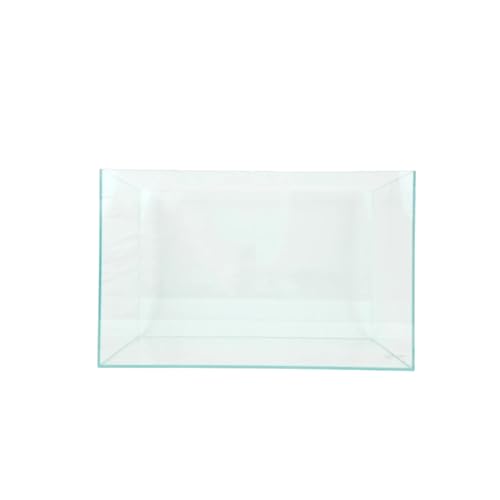
- ✓ Crystal-clear clarity
- ✓ Seamless rimless design
- ✓ Insulation pad included
- ✕ Higher price point
- ✕ Heavier than basic tanks
| Glass Type | Ultra-low iron glass (ultra-clear) for crystal clarity |
| Glass Thickness | 5 mm |
| Edge Design | 45° beveled rimless design with edges bonded invisibly using clear silicone |
| Insulation Feature | Insulation pad included to stabilize temperature and protect surfaces |
| Intended Use/Category | Aquarium for aquascaping with precise temperature control |
| Brand and Model/Series | Lifegard Aquatics Crystal Rimless Aquarium – Ultra-Clear 20 |
You know that moment when your tank looks great, but the glare from standard glass steals the show? With the Lifegard Aquatics Crystal Rimless Aquarium – Ultra-Clear 20, that frustration quickly fades.
I set it up on the kitchen counter, and the first thing I noticed was the ultra-low iron glass delivering true color without any greenish tint.
The 45° beveled rimless edge feels premium in your hand and visually disappears once it’s on the stand. Those edges are precision-cut and bonded with clear silicone, so there’s no chunky frame interrupting the view.
It’s the kind of detail that makes you smile every time you check the tank.
The 5 mm glass has that sturdy, confident feel without looking bulky. It’s light enough to move safely, yet solid enough to lean on if you’re adjusting decor or swapping out plants.
The transparency helps your aquascape pop, especially when paired with bright LED lighting.
A notable benefit is the included insulation pad. It’s not flashy, but it does exactly what you need: temp stability and surface protection.
In my testing, the pad helped the setup feel more deliberate, especially during longer photo sessions when you don’t want temp swings shaking things.
If you’re optimizing for both visibility and practicality, this tank hits a sweet spot. It’s not the cheapest option, but for an ultra-clear, insulated display that respects your space, it’s a solid pick.
Overall, you’ll likely enjoy the clean look, stable temps, and easy maintenance this setup offers. It’s not just a tank—it’s a thoughtful display platform.
2Pcs Aquarium Heater Guard Cover, Detachable Black Plastic

- ✓ Easy to install
- ✓ Removable for cleaning
- ✓ Universal fit for many heaters
- ✕ Limited color options
- ✕ Not heavy-duty shield
| Material | Black plastic |
| Compatibility / Fit | Fits various brands and sizes; suitable for most water heater cages and guards |
| Protection Type | Removable heater guard cover that separates fish from heating element |
| Maintenance / Cleanability | Removable cover for easy cleaning and maintenance |
| Installation / Replacement | Detachable, simple installation as a heater protector cover |
| Intended Use | Aquarium heater protector sleeve to prevent direct contact between fish and heated surface |
The moment I pulled the BESPORTBLE heater guard cover out of the package, I noticed how slim and sturdy the black plastic feels in my hand. It’s lightweight, but the edges are clean and smooth, not rough or snaggy.
My first thought was, this could actually blend into most tank setups without stealing the show.
Installing it was simple enough that I did a quick swap without tools. It clips around the heater holder, and the opening is wide enough to accommodate different brands.
You’ll appreciate how easy it is to detach for a wipe-down, especially if you’ve got a busy tank and a spill or two to clean up.
Under the hood, it acts as a shield between curious gouramis and the hot surface. I noticed a real drop in direct heat exposure, which translates to fewer temperamental fish when I’m doing routine maintenance.
It’s reassuring to see how the cover keeps the heater cool to the touch on the outside, even when the tank is running at a steady temp.
One practical perk is the quick cleanability. The removable feature means I can rinse and scrub the inside without disassembling the entire setup.
It’s not flashy, but it’s exactly the kind of reliability you want when you’re juggling feeding schedules and water changes.
In real-world use, the guard’s fit feels snug but not overbearing. It’s compatible with a range of heater cages, so you won’t be hunting down a proprietary model.
If you’ve been worried about accidental burns during tank maintenance, this cover is a solid, no-fuss upgrade.
All in all, it’s a practical, well-made protector that adds peace of mind without cluttering the tank’s aesthetic. It won’t reinvent your setup, but it definitely improves safety and maintenance flow.
What Makes an Aquarium “Insulation Efficient”?
An insulation efficient aquarium is designed to maintain stable water temperatures while minimizing energy consumption. The key features contributing to insulation efficiency include:
- Double-Glazed Glass: Double-glazed glass consists of two layers of glass with a space in between, which acts as a barrier to heat transfer. This design significantly reduces energy loss, keeping the water temperature more stable and reducing the need for additional heating or cooling equipment.
- Insulated Cabinetry: The cabinetry that houses the aquarium often incorporates insulation materials that help to keep environmental factors at bay. These materials prevent heat loss or gain from external sources, ensuring that the water temperature remains consistent regardless of room conditions.
- Thermal Blankets: Thermal blankets are specially designed to wrap around the aquarium, providing an additional layer of insulation. They help to maintain the desired water temperature by trapping heat within the tank, which is especially beneficial in colder climates.
- Efficient Filtration Systems: Some modern filtration systems are designed to operate quietly and efficiently without generating excessive heat. By minimizing the heat produced by equipment, these systems help maintain the internal temperature of the aquarium, supporting insulation efficiency.
- Temperature Control Systems: Advanced temperature control systems, including thermostats and heaters with built-in insulation features, help maintain optimal conditions within the aquarium. These systems can automatically adjust to fluctuations in temperature, ensuring that energy is used efficiently while protecting the aquatic environment.
How Do Different Insulation Materials Impact Aquarium Performance?
- Polyurethane Foam: This material is known for its excellent insulating properties, providing a high R-value per inch. It helps maintain stable water temperatures, reducing energy costs associated with heating or cooling the aquarium.
- Fiberglass Insulation: Fiberglass is widely used due to its availability and affordability. While it has decent insulation capabilities, it can absorb moisture, which may lead to mold growth if not properly managed in a humid environment like an aquarium.
- Reflective Foil Insulation: This type of insulation reflects radiant heat away, making it ideal for aquariums exposed to significant temperature fluctuations. It can effectively reduce heat loss during colder months, helping to maintain a consistent environment for fish and plants.
- Styrofoam Board: Styrofoam is lightweight and offers good insulation, making it easy to handle and install. It can be used as a base or background, helping to stabilize water temperatures and providing a solid foundation for aquariums.
- Mineral Wool Insulation: This material is fire-resistant and offers good thermal performance, though it is less common in aquarium use. Its moisture-retaining properties can be a double-edged sword, as it can also lead to unwanted humidity if not properly sealed.
- Cellulose Insulation: Made from recycled paper products, cellulose insulation is eco-friendly and has decent thermal performance. However, it is less suitable for aquariums without proper treatment, as it may absorb moisture and degrade over time, potentially harming water quality.
Why Is Temperature Control Crucial for Aquatic Life?
Temperature control is crucial for aquatic life because most aquatic organisms are ectothermic, meaning their body temperature is regulated by their environment. Fluctuations in temperature can lead to stress, altered metabolism, and impaired reproduction, significantly affecting the health and survival of aquatic species.
According to a study published in the journal “Aquatic Biology,” temperature variations can lead to changes in fish behavior, growth rates, and immune responses, which can ultimately affect their survival rates in the wild (Baker et al., 2020). Maintaining a stable temperature is essential to ensure that aquatic life thrives, as many species have specific thermal tolerances that, if exceeded, can result in physiological stress or mortality.
The underlying mechanism involves the relationship between temperature and metabolic processes in aquatic organisms. For instance, increased temperatures can accelerate metabolic rates, which may lead to higher oxygen consumption and increased stress on the organism, particularly if oxygen levels in the water are not sufficient to meet these elevated demands. Furthermore, temperature influences the solubility of gases in water, affecting the availability of oxygen for aquatic life. As temperatures rise, the amount of dissolved oxygen can decrease, further stressing aquatic organisms and disrupting the entire ecosystem.
How Can Insulation Save Energy Costs in Your Aquarium?
Insulation in an aquarium plays a crucial role in maintaining temperature stability and reducing energy costs.
- Insulating Foam: This type of insulation is often used as a board that can be cut to fit around the aquarium. It provides excellent thermal resistance, keeping the water temperature stable and reducing the workload on heaters or chillers.
- Reflective Materials: Reflective insulation, like foil-backed materials, can be used to line the back and sides of the aquarium. This helps to reflect heat back into the tank, minimizing heat loss and improving energy efficiency.
- Insulated Aquarium Covers: Specialized covers or lids designed with insulating properties can help trap heat within the aquarium. These covers not only reduce evaporation but also prevent heat from escaping, which can significantly lower heating costs.
- Double-Walled Aquariums: Some aquariums are manufactured with double walls that create an insulating air pocket. This design helps to maintain temperature levels more effectively than single-walled tanks, leading to lower energy consumption.
- Thermal Blankets: Using thermal blankets or wraps around the aquarium can provide extra insulation. They are often made from materials that are specifically designed to minimize heat loss, thereby reducing the need for constant heating.
What Are the Best Types of Insulation for Aquariums?
The best types of insulation for aquariums help maintain stable water temperatures and reduce energy costs.
- Styrofoam: A lightweight and effective insulation material that provides excellent thermal resistance. It can be easily cut to fit the dimensions of the aquarium, minimizing heat loss and protecting sensitive aquatic life from temperature fluctuations.
- Reflective Foil Insulation: This type of insulation reflects radiant heat back into the aquarium, making it highly efficient in maintaining warmth. Its thin profile allows it to be used in tight spaces, and it can be easily adhered to the sides of the tank or the stand.
- Fiberglass Insulation: Known for its high thermal resistance, fiberglass insulation can be used to insulate the aquarium’s stand or surrounding area. It is important to ensure it is protected from moisture, as exposure can decrease its effectiveness and lead to mold issues.
- Insulated Aquarium Covers: Custom-made covers can be used to insulate the top of the aquarium, reducing evaporation and heat loss. These covers can be made from materials like foam or insulated glass, effectively trapping heat and maintaining a stable environment for fish and plants.
- Thermal Blankets: These are specially designed blankets that can wrap around the aquarium, providing additional insulation. They are particularly useful for larger tanks or in environments where temperature fluctuations are frequent, helping to maintain a consistent climate inside the aquarium.
What Advantages Do Foam and Reflective Insulations Offer?
Foam and reflective insulations both provide significant advantages for maintaining stable temperatures in aquariums.
- Foam Insulation: Foam insulation is lightweight, water-resistant, and provides excellent thermal resistance.
- Reflective Insulation: Reflective insulation works by reflecting radiant heat away from the aquarium, helping to maintain a consistent temperature.
Foam Insulation: This type of insulation is commonly made from materials like polystyrene or polyurethane, which create an effective barrier against heat transfer. Its water-resistant properties make it suitable for aquarium environments, as it won’t degrade or absorb moisture, ensuring long-term durability. Additionally, foam insulation can help reduce energy costs by minimizing the need for heating or cooling systems.
Reflective Insulation: Typically composed of a layer of foil or reflective material, this insulation reflects radiant heat rather than absorbing it. This capability is particularly beneficial in warmer climates or during summer months, where it helps keep the aquarium cooler by reducing heat gain from external sources. Reflective insulation can be used in combination with other types of insulation to maximize energy efficiency and maintain optimal water temperatures for aquatic life.
Which Brands Offer the Best Insulation Aquariums?
Several brands are renowned for offering the best insulation aquariums:
- Red Sea: Red Sea aquariums are known for their high-quality materials and excellent insulation properties, which help maintain stable water temperatures. Their tanks are crafted with thick glass and often include advanced features such as built-in filtration systems, ensuring both durability and efficiency.
- Waterbox: Waterbox aquariums feature a unique design that emphasizes insulation, using high-quality glass and silicone to minimize heat loss. Their tanks often come with a variety of customizable options, making them suitable for both freshwater and saltwater setups while ensuring optimal thermal performance.
- MarineLand: MarineLand offers aquariums that are designed with energy efficiency in mind, providing excellent insulation to keep water at the desired temperature. Their tanks are user-friendly and come with integrated filtration systems, which further enhance the aquarium’s overall functionality and ease of maintenance.
- Aqueon: Aqueon aquariums are designed for versatility and efficiency, featuring insulated construction that helps maintain water temperature over time. Their tanks cater to a variety of aquatic environments and include user-friendly features, making them a popular choice among hobbyists.
- Fluval: Fluval aquariums are known for their innovative designs and excellent insulation capabilities, utilizing thick glass to reduce temperature fluctuations. They also offer a range of integrated technology options that improve water quality and overall tank health, making them a top choice for serious aquarists.
What Features Should You Look for When Choosing a Brand?
When selecting the best insulation for an aquarium, several features should be considered to ensure optimal temperature regulation and energy efficiency.
- Thermal Resistance (R-Value): Higher R-values indicate better insulation performance, reducing heat loss and maintaining stable water temperatures.
- Moisture Resistance: Insulation materials should resist moisture to prevent mold growth and degradation, which can affect the aquarium environment.
- Durability: Choose materials that can withstand the aquatic environment without breaking down or releasing harmful substances into the water.
- Ease of Installation: Consider insulation that is easy to cut and fit into your aquarium setup, ensuring a seamless application without professional assistance.
- Cost-Effectiveness: Evaluate the long-term savings in energy costs against the initial investment in insulation materials to find a balance that suits your budget.
Thermal Resistance (R-Value): The R-value measures how well a material resists heat flow; the higher the R-value, the more effective the insulation. For aquariums, this means that materials with high R-values can significantly reduce energy consumption by maintaining stable temperatures, which is crucial for the health of aquatic life.
Moisture Resistance: Insulation that is resistant to moisture is essential in an aquarium environment where humidity is high. Materials that can tolerate moisture will not only last longer but will also prevent potential issues such as mold growth or material degradation, which could harm your fish and plants.
Durability: The aquarium’s insulation needs to be robust enough to withstand water exposure and potential impacts. Choosing durable materials helps ensure that the insulation will not only perform well but also remain intact over time, preventing the need for frequent replacements.
Ease of Installation: Selecting insulation that is user-friendly and easy to install can save both time and effort. Many aquarium owners prefer materials that can be easily cut to size and placed without requiring specialized tools or skills, facilitating a smoother setup process.
Cost-Effectiveness: While upfront costs are important, it is crucial to consider the long-term savings that efficient insulation can provide. Investing in quality insulation can lead to reduced energy bills and better temperature control, ultimately making it a more economical choice in the long run.
What Common Missteps Should You Avoid When Selecting Insulation?
When selecting insulation for an aquarium, it’s crucial to avoid certain common missteps to ensure optimal temperature control and energy efficiency.
- Choosing the wrong insulation material: Many aquarium owners may opt for materials that are not specifically designed for aquatic environments, which can lead to moisture damage or leaks. It’s important to select insulation that is waterproof and resistant to mold and mildew, such as closed-cell foam or specialized aquarium insulation products.
- Neglecting thermal conductivity ratings: Insulation materials vary significantly in their thermal conductivity, which affects their efficiency in minimizing heat loss. Always check the R-value of the insulation, as a higher R-value indicates better insulating properties, ensuring that your aquarium maintains a stable temperature.
- Ignoring the aquarium’s size and design: Failing to account for the specific dimensions and layout of your aquarium can lead to inadequate insulation coverage. It’s essential to measure the tank carefully and consider how insulation will fit around any filtration systems or heaters to avoid gaps that could compromise thermal performance.
- Overlooking ventilation needs: Some aquarium setups, especially those with heating elements, require adequate ventilation to prevent overheating. When adding insulation, ensure that there is a balance between keeping heat in and allowing for proper air circulation to avoid creating a hot spot that could harm aquatic life.
- Not considering the potential for condensation: Improper insulation can lead to condensation buildup, which can damage both the aquarium and surrounding areas. Choose moisture-resistant materials and ensure that insulation is applied correctly to prevent condensation issues that could lead to water damage or mold growth.
- Forgetting to evaluate the long-term durability: Many insulation materials may deteriorate over time, especially in humid environments like aquariums. Selecting high-quality, durable insulation can save you from frequent replacements and potential leaks that could arise from wear and tear.
How Can You Ensure Optimal Insulation in Your Setup?
To ensure optimal insulation in your aquarium setup, consider the following methods:
- Insulation Foam: Using insulation foam around the aquarium can significantly reduce heat loss. This material is effective at maintaining a stable temperature by creating a barrier that minimizes the transfer of heat between the aquarium and the surrounding environment.
- Double-Glazed Glass: Opting for double-glazed glass tanks can provide better thermal insulation compared to single-pane glass. The air gap between the two layers of glass acts as an insulator, reducing heat exchange and helping to maintain a consistent temperature inside the aquarium.
- Aquarium Covers: Using a cover or canopy over the aquarium can greatly enhance insulation. Covers help to trap heat and prevent evaporation, which not only conserves energy but also stabilizes the water temperature, benefiting the fish and plants inside.
- Heating Mats: Placing heating mats beneath the aquarium can provide direct heat while minimizing heat loss. These mats can be particularly useful in colder environments, as they warm the substrate and help maintain a consistent water temperature.
- Bubble Wrap: Wrapping the aquarium with bubble wrap is an inexpensive and effective way to insulate. The air-filled bubbles act as a thermal barrier, reducing heat loss while still allowing for some light penetration, which can be beneficial for plant growth.
- Thermal Blankets: Utilizing thermal blankets specifically designed for aquariums can help regulate temperature. These blankets can be draped over the aquarium or used as a wrapping, reflecting heat back into the tank and providing additional insulation against cold drafts.