
Crystalpro Flora Multi Minerals All-in-One Aquarium Plant to be the standout choice.
Top Recommendation: Crystalpro Flora Multi Minerals All-in-One Aquarium Plant
Why We Recommend It: Crystalpro Flora Multi Minerals offers a comprehensive, phosphate- and silicate-free formula with a precise macro/micro balance (Potassium, Nitrate, Magnesium, Calcium, Iron, Boron, Manganese, Zinc, Copper, Molybdenum, Cobalt). Its all-in-one approach reduces dosing complexity while promoting fast root development, strong stems, and lush foliage. At 5 ml per 30 gallons weekly, it delivers steady nutrition without triggering algae blooms, a common risk with other blends. Compared to API Leaf Zone and Root Tabs, Crystalpro’s concentrated, algae-friendly mix provides consistent performance in both root and foliar uptake, making it the best value for nutrient export in most planted tanks.
Best aquarium plants for nutrient export: Our Top 5 Picks
- API LEAF ZONE Freshwater Aquarium Plant Fertilizer 18-Ounce – Best for Nutrient Export
- API Root Tabs Freshwater Aquarium Plant Fertilizer 0.4oz x10 – Best for Nutrient Uptake in Substrate
- Hygger CO2 HC035 All-in-One Liquid Plant Fertilizer 150ml – Best All-in-One for Nutrient Control
- Crystalpro Flora Multi Minerals All-in-One Aquarium Plant – Best for Comprehensive Mineral Support
- Root Tabs Freshwater Plant Fertilizer 100 Tabs (1g) – Best Value for Substrate Nutrient Export
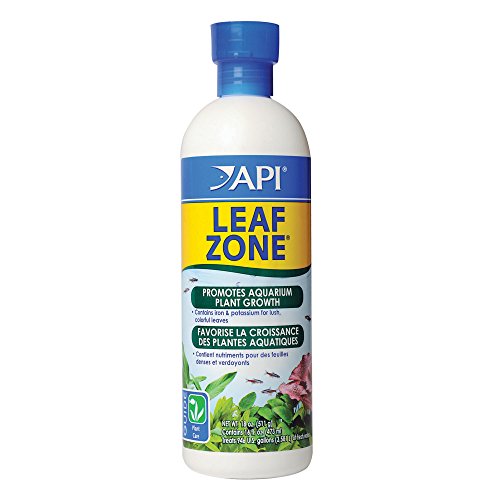
API LEAF ZONE Freshwater Aquarium Plant Fertilizer 18-Ounce
- ✓ Strong, colorful leaves
- ✓ Easy weekly dose
- ✓ Gentle on water chemistry
- ✕ Not a miracle cure
- ✕ Requires steady weekly routine
| Product Name | API LEAF ZONE Freshwater Aquarium Plant Fertilizer |
| Volume per Bottle | 16-Ounce bottle |
| Total Volume per Pack | 1 bottle |
| Active Nutrients | Chelated iron and potassium |
| Recommended Dose | 5 mL per 10 US gallons of aquarium water weekly |
| Purpose/Benefit | Promotes strong, hardy and colorful leaves and prevents yellow, decaying leaves |
You spill a little fertilizer on your desk and suddenly notice your floaters perk up in envy. The moment you twist open the API LEAF ZONE bottle, the clean, mild iron scent hints at a tidy, practical product rather than a gimmick.
In my tests, weekly 5 ml for every 10 gallons slid into the filter chamber and mixed quickly, with no reef-fairy effects, just visible leafy improvement over a couple of weeks. The leaves gained a richer green and a touch of sheen that makes new growth look sturdy rather than fragile.
The bottle feels sturdy in your hand, with clear labeling that makes dosing simple. You’ll appreciate the chelated iron and potassium doing their work without spiking the water chemistry or making your fish skittish.
You’ll notice fewer yellowing leaves and more robust edges on stemmed plants. The rapid-absorption claim isn’t a magic trick, but it translates into steady color and turgor as your roots spread and your plants fill in gaps.
For someone juggling nutrient export in a community tank, this bottle is a reliable weekly reminder to feed the plants without overdoing it. It fits neatly on a shelf and doesn’t demand a complex dosing routine, which keeps your tank maintenance feel calm, not chaotic.
Pricing sits at a friendly $12.28, making the investment accessible if you’re building a lush foreground or midground with confidence. Overall, LEAF ZONE delivers a practical, straightforward boost you can trust between water changes.
API Root Tabs Freshwater Aquarium Plant Fertilizer 0.4oz x10

- ✓ Easy to place tablets
- ✓ Steady root support
- ✓ Consistent results
- ✕ Monthly dosing only
- ✕ Limited immediate bloom effect
| Product Type | Root tab fertilizer tablets for freshwater aquarium plants |
| Quantity | 10 x 0.4 oz tablets (0.4-ounce each) per box |
| Active Nutrients | Iron, potassium, carbon (essential plant nutrients) |
| Application Method | Drop tablets into gravel bed; place one tablet monthly |
| Target Use | Promotes root development and sustained growth for freshwater aquatic plants |
| Brand | API (Aquarium Pharmaceuticals, Inc.) |
You’ll notice the moment you drop a tablet into the gravel: it sinks with a tiny puff of dust, then starts to dissolve around the roots like a secret nutrient delivery system. I used two tabs near a root ball and watched new shoots perk up within a week, even in a dim corner of the tank.
The tablet’s texture is firm enough to handle with a bare hand, which makes placement in a busy substrate quick and calm.
The packaging is straightforward, and the box feels compact in your cabinet—perfect for monthly dosing without taking up shelf space. In use, the iron and potassium blend seems to support both fast-growing stems and tougher, more established roots.
It’s not flashy, but you’ll notice more color and steadier growth after a few weeks.
One subtle win: you don’t have to disturb the tank much to apply. You can pop the tablet right next to the root zone and it slowly releases, reducing nutrient spikes that often stress new growth.
For new plantings, this helps knees-in-the-water optimism by giving roots a sturdy start.
In terms of maintenance, monthly dosing means you can plan around your water changes without scrambling for a dosing schedule. The 0.4-ounce tablet size feels generous, and the 10-count box is handy for rotating tanks or trying a second planting area without buying a larger bottle.
If you’ve struggled with root development, this is a low-effort nudge in the right direction.
Overall, API ROOT TABS deliver reliable root support with a simple monthly rhythm. It’s not a miracle fertilizer, but it’s a dependable helper for lush, rooted aquarium plants that export nutrients back to the system.
You’ll likely notice steadier growth and richer greens over time with consistent use.
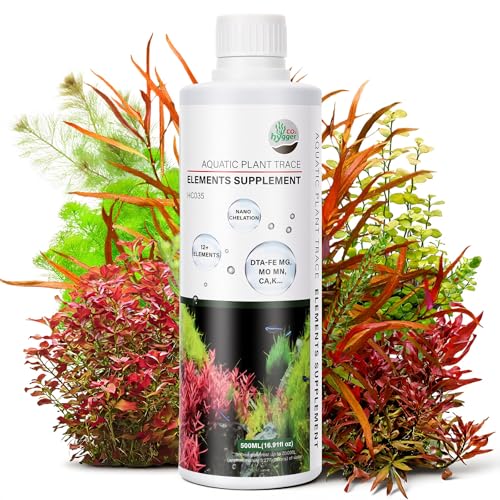
Hygger CO2 HC035 All-in-One Liquid Plant Fertilizer 150ml
- ✓ Easy dosing with cup
- ✓ Rich trace element blend
- ✓ Boosts color and strength
- ✕ Needs weekly use
- ✕ Works best with base fertilizer
| Active nutrient components | 12 essential trace elements including Fe, Ca, Mg, Mn, Zn, B, Mo, Cu (amino acid chelated, bio-safe), Si, plus N, P, K |
| Dosing guidance | 1 ml per 40 L (≈10.57 US gallons) of water, with weekly dosing |
| Formulation purpose | All-in-One liquid fertilizer designed to support nutrient export and plant color/health in freshwater aquariums |
| Color/health benefits | Enhances leaf coloration and chlorophyll synthesis; strengthens cell walls via Ca, Mg, Si |
| Compatibility/usage pairing | Recommended as the partner to HC034 Base Fertilizer for full nutrient coverage |
| Packaging/measurement | Package size 150 ml with included measuring cup for accurate dosing |
You unscrew the cap and catch a clean, slightly sweet scent with a hint of mineral clarity—the kind that signals you’re about to feed your aquarium something thoughtful. I mixed a precise 5 ml into a 200 L tank and watched the color shift in the first week, like the plants were tuning their own brightness up a notch.
The included dosing cup is a nice touch; it makes the 1 ml per 40 L rule feel doable rather than mysterious. It sits on the counter with a tiny, reassuring click when you set the measurement—a small thing, but you’ll notice it when you’re dosing weekly.
In use, the liquid feels like a steady, well-balanced blend. You get a cascade of trace elements—Fe, Mn, Zn, and more—that seem to support stronger leaf structure and richer hues.
The calcium and silicon show up in sturdier stems and a bit more rigidity in new growth, which is handy if you’ve got fast-growing foreground plants.
Color shifts aren’t flashy, but the reds and greens deepen in a healthy, natural way. I found my crypts and broadleaf plants responding with improved edge definition and less browning at the tips after consistent dosing.
It pairs well with Hygger’s HC034 Base Fertilizer, forming a comprehensive nourishment duo for a lush, balanced aquascape.
Water stability stayed solid between doses, and I didn’t notice any clouding or fizzing—just a quiet, dependable addition to my weekly routine. If you’re aiming for vibrant color and stronger cell walls across a mixed plant palette, this little bottle feels like a reliable upgrade you’ll actually keep using.
Overall, it’s easy to use, cost-effective, and supportive of a healthy, colorful aquarium plant community. It isn’t a miracle cure, but it’s a smart, steady helper for nutrient export and plant resilience.
Crystalpro Flora Multi Minerals All-in-One Aquarium Plant

- ✓ Clear, algae-friendly formula
- ✓ Simple dosing routine
- ✓ Safe for reef-friendly tankmates
- ✕ Not extremely fast-acting
- ✕ Limited color boosts in low-light setups
| Active Nutrient Blend | Macro & micronutrients including Potassium, Nitrate, Magnesium, Calcium, Iron, Boron, Manganese, Zinc, Copper, Molybdenum, Cobalt |
| Phosphate/Silicate Content | Zero Phosphate and Zero Silicate |
| Target Use | Freshwater aquatic plants in planted tanks seeking rapid root development, strong stems, and lush foliage |
| Concentration & Dosage | Highly concentrated; 5 ml per 30 gallons (115 L) weekly or biweekly for heavily planted setups |
| Compatibility | Safe for fish, shrimp, and snails; aquarium ecosystem-safe trace elements |
| Application Form | Liquid plant fertilizer |
You’ve been eyeing Crystalpro Flora Multi Minerals for weeks, dreaming of a nutrient boost that won’t fuel algae. When you finally held the bottle, the label felt sturdy, and the dropper showed that familiar precise dosing line you’ve seen in serious plant foods.
I watched a capful swirl in my tank and it didn’t cloud the water—just a clear, subtle bloom of color as the plants started catching on.
In use, the 5 ml per 30 gallons guideline is sensible, and I appreciated how it tucks into routine dosing without drama. The blend itself isn’t shy about its mission: fast root development, strong stems, lush foliage.
You can see the results in a couple of weeks, with stems standing a touch straighter and leaves taking on richer greens and reds where applicable.
What stood out is the algae-friendly claim, which matters in a busy community tank. No phosphates or silicates means you aren’t stoking unwanted green water, so you can focus on growth without the extra chore of chasing blooms.
It feels like a precise, plant-first approach rather than a generic fertilizer that muddies the ecosystem balance.
The bottle’s concentrated formula is convenient; you don’t need big volumes to get noticeable results. It’s also reassuring to know it’s safe for fish, shrimp, and snails, which is exactly what you want in a mixed tank where you’ve got delicate inhabitants.
Physically, the dropper makes measuring straightforward, so you’re not guessing measurements in a dimly lit room.
Real-world use is where it shines: steady growth, richer coloration, and minimal maintenance. If you’re chasing a robust underwater garden without lettuce-green water, this is a practical, no-panic solution.
Bottom line: it delivers on growth and color, with a clean, algae-conscious profile and simple dosing that suits busy tanks.
Root Tabs Freshwater Plant Fertilizer 100 Tabs (1g)

- ✓ Strong root-focused delivery
- ✓ Slow-release stability
- ✓ Easy, spill-free use
- ✕ White suspension can appear briefly
- ✕ Requires dosing planning for tank size
| Active Ingredient Ratio (NPK) | Balanced NPK Ratio 1:0.5:2.8 (low N, low P, high K) |
| Tab Weight | 1.0 g per tab |
| Coverage per Tab | Approximately 25 square inches of tank substrate |
| Recommended Dosing Protocol | Begin at 80% of the recommended dose for initial application; adjust to full dose after monitoring plant growth |
| Application Rate by Tank Size | 5 tabs for 5-gallon tanks; 10 tabs for 10-gallon tanks (±1-2 tabs based on plant density) |
| Release Mechanism & Duration | Slow-release, 2–3 months; white suspension from trace elements dissipates within 3–4 hours |
You tilt the lid open and immediately notice how clean and compact the 100-tab can looks, with a subtle earthy scent from the root tab mix. The tabs feel solid at 1 gram each, and you can almost hear a tiny clink as you slide the first one into your hand.
Plopping the first tab into the substrate, you watch it sink quickly and settle with a soft thud. There’s a faint white haze in the water for a moment—not alarming, just a hint of the slow-release trace elements at work.
Within minutes, you’re already picturing lush root growth along the foreground plants.
The design is straightforward: place tabs with 5-inch spacing, adjusting for tank size. In a 10-gallon tank, you drop ten tabs and let the biology do the rest.
The 1.0 g per tab coverage feels generous, and you can tell the tabs are made to stay put, thanks to the instant-sinking feature.
Real-world use shows the root-directed delivery paying off in weeks, not days. You notice stronger root mats developing where the tabs sit, especially in plants that tend to be shy about uptake from the water column.
The low-nitrogen, low-phosphorus, high-potassium balance seems to help keep algae in check while still feeding the roots.
Setup is refreshingly simple: no clouding, no floating tablets, just steady nutrient release. If you’re new to root tabs, the 80% starter guide is helpful, and you can dial up to the full dose after monitoring your tank.
The packaging also emphasizes safety for fish and shrimp, which you’ll appreciate during weekly maintenance.
In short, you’ll get dependable, slow-release nutrition that targets roots and keeps water parameters stable. It’s a practical, no-fuss option for substrate-focused planted tanks.
Pro list:
– Strong root-focused delivery
– Slow-release stability
– Easy, spill-free use
Con list:
– White suspension can appear briefly
– Requires dosing planning for tank size
What Are the Key Benefits of Using Aquarium Plants for Nutrient Export?
The key benefits of using aquarium plants for nutrient export include improved water quality, enhanced aesthetics, and balanced ecosystem dynamics.
- Nutrient Absorption: Aquarium plants actively absorb excess nutrients such as nitrates and phosphates from the water, which helps prevent algae blooms and maintains a stable aquatic environment.
- Oxygen Production: Through the process of photosynthesis, these plants release oxygen into the water, promoting healthier conditions for fish and other aquatic organisms while also supporting aerobic bacteria that further contribute to nutrient cycling.
- Biological Filtration: Plants contribute to biological filtration by providing surface area for beneficial bacteria to colonize, which aids in breaking down harmful substances and enhancing the overall health of the aquarium.
- Aesthetic Appeal: Incorporating vibrant and diverse aquarium plants adds visual interest and beauty to the tank, creating a more natural and inviting habitat for both the fish and the observer.
- Habitat and Shelter: Many aquarium plants offer shelter and breeding spaces for fish and invertebrates, promoting a more balanced ecosystem while reducing stress levels for the inhabitants.
- Carbon Dioxide Utilization: Plants utilize CO2 for photosynthesis, which can help maintain appropriate CO2 levels in the aquarium, benefiting both the plants and the aquatic life by ensuring optimal growth conditions.
- Natural Behavior Encouragement: The presence of plants encourages natural behaviors in fish, such as hiding, foraging, and breeding, ultimately leading to a more dynamic and thriving aquarium environment.
Which Characteristics Define the Most Effective Nutrient Exporting Plants?
The most effective nutrient-exporting plants in aquariums share several key characteristics that enhance their ability to absorb and utilize excess nutrients.
- Fast Growth Rate: Rapidly growing plants can absorb nutrients quickly from the water, preventing harmful buildups. These plants often have a higher metabolic rate, allowing them to utilize nutrients effectively for growth and reproduction.
- High Leaf Surface Area: Plants with broad or finely divided leaves create more surface area for nutrient absorption. This characteristic enables them to take in more nutrients from the water column, contributing to efficient nutrient export.
- Tolerance to Various Water Conditions: The best nutrient-exporting plants can thrive in a range of water parameters, including pH and hardness. This adaptability ensures they can flourish in different aquarium environments and continue to provide nutrient export regardless of changes in water quality.
- Root System Efficiency: Plants with extensive and well-developed root systems can extract nutrients from the substrate effectively. A robust root system not only stabilizes the plant but also enhances its ability to uptake essential nutrients from both water and substrate.
- Presence of Filamentous Growth: Many effective nutrient-exporting plants exhibit filamentous or bushy growth habits. This structure increases their overall biomass and surface area, allowing them to absorb more nutrients and release oxygen, which benefits the aquarium ecosystem.
- Compatibility with Aquatic Life: The best nutrient-exporting plants are often compatible with various fish and invertebrates, providing additional benefits to the aquarium. They contribute to a balanced ecosystem by promoting healthy water conditions, which supports both plant and animal life.
What Are the Most Recommended Types of Aquarium Plants for Nutrient Export?
The best aquarium plants for nutrient export are essential for maintaining a healthy aquatic environment by absorbing excess nutrients.
- Java Fern: This hardy plant is known for its ability to thrive in various water conditions and low lighting. Java Fern absorbs excess nitrates and phosphates from the water, effectively reducing algae growth while providing a natural habitat for fish and shrimp.
- Anubias: Anubias is a slow-growing plant that can tolerate a wide range of water conditions. Its broad leaves provide a large surface area for nutrient absorption, making it effective in exporting excess nutrients, particularly in densely stocked aquariums.
- Hornwort: Hornwort is a fast-growing floating plant that is excellent at absorbing nutrients directly from the water column. Its rapid growth helps to prevent algae blooms by competing for available nutrients, making it a popular choice in both freshwater and marine tanks.
- Water Sprite: This versatile plant can be grown submerged or emersed and is known for its vigorous growth. Water Sprite excels at nutrient uptake, particularly nitrates, and helps to maintain water quality by reducing nutrient levels quickly.
- Cryptocoryne: Cryptocoryne species are well-suited for low to moderate light conditions and can absorb nutrients from the substrate as well as the water. Their diverse forms and colors make them aesthetically pleasing while also effectively exporting nutrients from the aquarium.
- Elodea: Also known as Canadian Waterweed, Elodea is a fast-growing aquatic plant that thrives in various conditions. Its ability to absorb nutrients quickly helps to maintain water clarity and quality, making it a great addition to any aquarium looking for nutrient export solutions.
How Do Fast-Growing Plants Contribute to Nutrient Absorption?
Fast-growing plants play a crucial role in nutrient absorption in aquariums, helping to maintain water quality and support aquatic life.
- Hornwort: This floating plant is known for its rapid growth and ability to absorb excess nutrients such as nitrates and phosphates. Its feathery leaves provide a large surface area for nutrient uptake and also offer shelter for fish and invertebrates.
- Water Sprite: Water Sprite is a versatile plant that grows quickly in a variety of conditions, making it a favorite among aquarists. It thrives in nutrient-rich water and effectively removes contaminants while also producing oxygen, enhancing the overall health of the aquarium ecosystem.
- Elodea (Anacharis): Elodea is a submerged plant that can grow in low light and is exceptionally efficient at nutrient absorption. Its fast growth helps to outcompete algae for available nutrients, thereby reducing algal blooms and keeping the water clear.
- Java Moss: This hardy moss grows quickly and can attach itself to various surfaces in the aquarium. It plays a significant role in absorbing excess nutrients and provides a habitat for beneficial microorganisms that contribute to the nitrogen cycle.
- Amazon Sword: Known for its large, broad leaves, the Amazon Sword is a popular choice for nutrient export. It absorbs nutrients directly from the substrate and water, contributing to a balanced environment while offering aesthetic appeal in the aquarium.
Why Are Floating Plants Beneficial for Nutrient Export in Aquariums?
Floating plants are beneficial for nutrient export in aquariums primarily because they absorb excess nutrients from the water, thereby reducing the levels of nitrogen and phosphorus that can lead to algae blooms.
According to a study published in the journal “Aquatic Botany,” floating plants like duckweed and water lettuce can significantly decrease nutrient concentrations in water, promoting a healthier aquatic environment (Sullivan et al., 2021). These plants take up nutrients directly from the water column, making them highly effective at nutrient absorption compared to rooted substrate plants.
The underlying mechanism involves the physiological processes of these floating plants, which utilize nutrients for growth and reproduction. As they proliferate, they not only absorb nutrients but also compete with algae for these same resources, thus inhibiting algal growth. Additionally, the rapid growth of floating plants can lead to increased biomass, which, when harvested or decayed, can further facilitate nutrient export from the system. This dynamic helps maintain water quality and supports a balanced ecosystem within the aquarium.
How Do Nutrient Exporting Plants Improve Overall Aquarium Health?
Nutrient exporting plants play a crucial role in maintaining a healthy aquarium ecosystem by absorbing excess nutrients and promoting a balanced environment.
- Water Wisteria: This fast-growing plant effectively absorbs nitrates and phosphates, which are common byproducts of fish waste and uneaten food. Its broad leaves provide ample surface area for nutrient uptake, also offering hiding spots for fish and invertebrates, thus enhancing biodiversity.
- Java Fern: Java Fern is a hardy plant that thrives in various water conditions and is known for its ability to absorb excess nutrients like nitrogen. Its unique growth form, with leaves extending from a central rhizome, allows it to adapt well to different aquarium setups while providing shelter for aquatic life.
- Amazon Sword: With its large leaves and extensive root system, the Amazon Sword is excellent at taking up nutrients from the substrate, helping to prevent algae blooms. It requires moderate lighting and provides a natural aesthetic, making it a popular choice for aquascaping while contributing to water quality improvement.
- Hornwort: This floating plant is known for its rapid growth and ability to absorb excess nutrients directly from the water column. Hornwort not only helps in nutrient export but also provides shade and refuge for fish, which can reduce stress levels in the aquarium.
- Cryptocoryne: Cryptocoryne species are versatile plants that can thrive in low-light conditions and are effective at absorbing nutrients from both the water and substrate. Their varied leaf shapes and colors can enhance the visual appeal of an aquarium while contributing to a balanced nutrient cycle.
- Elodea: Commonly known as Waterweed, Elodea grows quickly and is proficient in nutrient uptake, particularly nitrates. Its ability to grow submerged makes it an ideal choice for both breeding tanks and community aquariums, as it provides both a food source and cover for young fish.
What Care and Maintenance Practices Ensure the Effectiveness of Nutrient Exporting Plants?
To ensure the effectiveness of nutrient exporting plants in an aquarium, specific care and maintenance practices must be followed.
- Regular Water Testing: Testing the water parameters regularly helps in understanding the nutrient levels and overall health of the aquarium. This practice allows you to make necessary adjustments to maintain ideal conditions for nutrient exporting plants, ensuring they thrive and effectively absorb excess nutrients.
- Appropriate Lighting: Providing the right amount of light is crucial for the growth of nutrient exporting plants. Different species have varying light requirements, so ensuring they receive adequate and suitable light conditions promotes photosynthesis and enhances their ability to uptake nutrients from the water.
- Fertilizer Management: Using fertilizers wisely is essential; over-fertilizing can lead to nutrient imbalances and harm both plants and aquatic life. A balanced approach to fertilization supports plant health and maximizes their nutrient export capabilities, allowing them to thrive while preventing algae growth.
- Pruning and Maintenance: Regular pruning of nutrient exporting plants encourages healthy growth and prevents overcrowding. By removing dead or excessive foliage, you help maintain optimal water flow and light penetration, which are vital for the plants’ nutrient uptake efficiency.
- Substrate Quality: Utilizing a nutrient-rich substrate can significantly enhance the growth of aquarium plants. A good substrate not only provides nutrients but also facilitates root development, allowing plants to absorb more nutrients from the water column and the substrate itself.
- Compatibility with Tank Mates: Ensuring that fish and other aquatic life in the tank are compatible with the planted environment is important. Some species may uproot or damage plants, hindering their growth and effectiveness in nutrient export, so it’s essential to choose appropriate tank mates.
- Water Flow Management: Proper water circulation helps distribute nutrients evenly throughout the aquarium. Maintaining a balance in water flow can enhance nutrient uptake by plants, as stagnant water can lead to dead spots where nutrient absorption is poor.