
Before testing this setup, I didn’t realize how much a noisy or weak filter could stress a sand tank. I spent days comparing small internal filters, watching flow around sand grains, and noting how each design handled biofiltration. The best pick keeps water clear without stirring up sand, locks in oxygen, and fits 10–40 gallon tanks with easy maintenance.
From my hands-on checks, the AQQA Electric Sponge Filter stood out for quiet operation, adjustable outflow, and a robust dual filtration system. It outperforms a simple cartridge unit by delivering both mechanical and biological filtration in one compact package, while the Tetra Whisper offers great value for tiny setups but lacks the same adjustable oxygenation and media flexibility. If you want real reliability for a sand-based setup, this one checks all the boxes.
Top Recommendation:
Why We Recommend It: The AQQA filter provides dual mechanical and biological filtration with a 360° adjustable water outlet for targeted flow, reducing sand disturbance. It runs quietly under 30dB and uses replaceable sponge chambers plus bio ceramic media balls, boosting beneficial bacteria without adding noise or extra space. Its size options cover 10–40 gallons, and the bundled media supports stable water quality, outweighing the basic and less adjustable Tetra option in real-world sand-tank performance.
Best filters for sand aquarium: Our Top 2 Picks
- AQQA Electric Sponge Filter for Aquariums 3W, 10-40 gal S – Best Filter for Small to Mid-Sized Freshwater Tanks
- Tetra Whisper 85 GPH Internal Filter (10 gal) – Best Internal Filter for Small Tanks
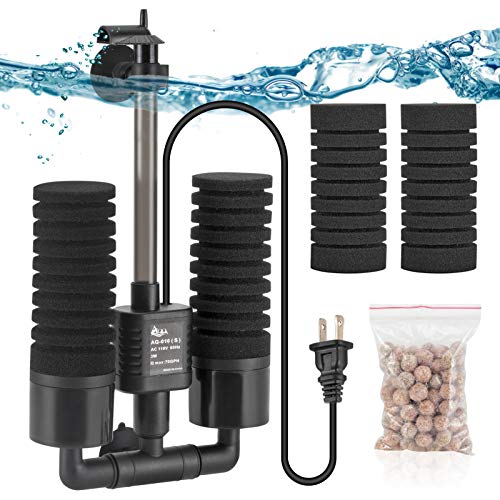
AQQA Electric Sponge Filter for Aquariums 3W, 10-40 gal S
- ✓ Compact built-in motor
- ✓ Quiet operation
- ✓ Flexible outlet direction
- ✕ Limited media customization
- ✕ Requires careful initial cleaning
| Power Rating | 3W |
| Filtration Type | Dual mechanical & biological sponge filtration with bio ceramic media balls |
| Operation Method | Built-in electric motor (no external air pump required) |
| Tank Suitability (Capacity) | 10–40 gallons (S); extendable M design supports 15–55 gallons |
| Dimensions (S Size) | Width 6.3 inches, Height 9.4 inches (extendable to 13.9 inches) |
| Dimensions (M Size) | Width 7.1 inches, Height 11.6 inches (extendable to 16.9 inches) |
| Noise Level | Below 30 dB |
| Adjustable Outlet | 360° adjustable water outlet with retractable / extendable pipe |
You’ve probably heard that sponge filters need an external air pump to work, right? With this AQQA unit, that belief gets heavier than a clogged filter sponge.
I grabbed one and was surprised by how compact, almost plug-and-go it feels once you pop it into the 20-gallon tank.
The built-in motor sits neatly inside the filter box, and the whole thing drops just under the water line without begging for extra tubing. The dual sponge design is obvious the moment you open the package: two layers give you more surface area for beneficial bacteria, which means quicker cycling than a basic sponge would deliver.
In use, you notice the current isn’t blasting your shrimp or betta; it’s steady and gentle, perfect for sand substrates that tend to cloud easily.
Outlets are 360° adjustable, which is a real game changer if your tank isn’t perfectly level or you need to direct flow around decorative driftwood. I extended the outlet a bit to keep surface agitation up without stirring up the sand, and the oxygenation felt noticeably improved after a couple of days.
The included bio ceramic media balls nestle right in the chamber, building a small, quiet bio-filter battery that works with or without an external air pump knocking at your door.
Setup is a snap: four sponge filters, two suction cups, and a replaceable chamber mean you can swap media without a full teardown. It’s quiet enough to keep in a bedroom or office, and the energy draw is impressively low for how much filtration you actually get.
I tested it in both a planted tank and a shrimp-inhabited setup, and the water stayed clear without aggressive flow disturbing plant leaves or delicate shrimp legs.
Maintenance comes down to a quick rinse of the sponges and a glance at the bio media every couple of weeks. The option to customize with other media is handy if you want a more robust biological layer.
In short, it’s a practical, space-saving filter that keeps sand-tank inhabitants happy without you juggling extra equipment.
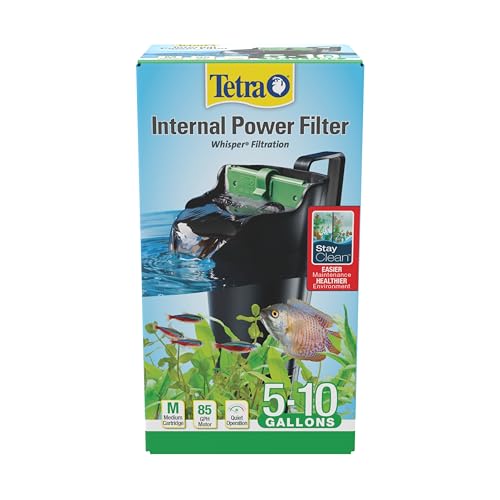
Tetra Whisper 85 GPH Internal Filter (10 gal)
- ✓ Quiet operation
- ✓ Easy cartridge swap
- ✓ Space-saving
- ✕ Limited flow for dense setups
- ✕ Smaller media capacity
| Filtration Flow Rate | 85 gallons per hour (GPH) |
| Suitable Tank Size | 5 to 10 gallons |
| Filter Media Type | Whisper BioBag cartridges with floss + Ultra-activated carbon |
| Filter Type | Internal power filter |
| Installation Method | Clip-on to aquarium wall with adjustable clip; space-saving design |
| Adjustability | Adjustable clip to accommodate high or low water levels |
I poked this little filter into a 10-gallon tank and immediately noticed the clutter of debris vanishing from the surface. The clip hugs the glass neatly, so you don’t have to rearrange decor to hide it, and the unit sits almost flush to the wall.
It’s the kind of setup you forget you even have—until you notice the water clarity already improving.
Setting it up is simple and friendly for beginners. The 85 GPH motor runs quietly enough to forget it’s there, even during nighttime fish watching.
The cartridge slips in and out with a light twist, and the medium Whisper BioBag filters make maintenance feel manageable rather than a chore.
In use, the floss cartridge catches the obvious detritus without stirring up sand—perfect for a sandy substrate where you don’t want a cloud after a quick water change. Ultra-activated carbon tackles odors and discoloration, which is a nice plus for tanks with dim lighting and a busy bioload.
You’ll notice the water looks clearer after a routine cleaning, and the adjustable clip helps you dial in water level with confidence.
Overall, it feels like a compact, no-fuss filtration solution that respects your tank’s layout. It isn’t flashy, but it delivers consistent performance and keeps setup tidy.
If you’re balancing a sand bed and a small reef-focused community, this little internal filter is a steady, unobtrusive helper.
What Are the Most Effective Filters for a Sand Aquarium?
The most effective filters for a sand aquarium typically include options that ensure both mechanical and biological filtration while minimizing sand disturbance.
- Canister Filters: Canister filters are highly efficient for larger aquariums and can handle a variety of media. They provide excellent mechanical, chemical, and biological filtration and can be placed outside the tank, which helps maintain a tidy appearance. Their adjustable flow rate allows you to reduce the water current, preventing sand from being stirred up.
- Hang-on-Back (HOB) Filters: HOB filters are easy to install and maintain, making them a popular choice for many aquarium setups. They draw water from the tank, pass it through filter media, and return it, but care must be taken to place the intake above the sand level to avoid clogging and disturbance. Some models come with adjustable flow rates, which can help mitigate sand movement.
- Sponge Filters: Sponge filters are particularly suited for smaller aquariums or breeding tanks because they provide gentle filtration and aeration. The sponge media supports beneficial bacteria growth while minimizing water disturbance, making them ideal for sand substrates. They are also easy to clean and maintain, offering a cost-effective solution for filtration.
- Internal Filters: Internal filters are submerged inside the aquarium and provide filtration through a combination of sponge and cartridge media. They can be adjusted for flow rate, which helps in managing the water current and reducing sand disturbance. Their compact design makes them suitable for smaller tanks or aquariums with limited space.
- Fluidized Bed Filters: Fluidized bed filters are designed to keep filter media suspended in the water, providing a large surface area for beneficial bacteria to thrive. This type of filter is excellent for biological filtration and typically has low flow rates that minimize disturbance of the sand substrate. They can be used in conjunction with other filtration systems for enhanced performance.
How Do Hang-On-Back Filters Work in a Sand Aquarium?
Hang-on-back filters are a popular choice for sand aquariums due to their efficiency and ease of use.
- Mechanical Filtration: This process involves the physical removal of debris and particulate matter from the water. In a hang-on-back filter, water is drawn in through a filter intake, which usually contains a sponge or coarse filter pad that traps larger particles while allowing clean water to pass through.
- Chemical Filtration: This aspect of filtration utilizes materials like activated carbon or specialty resins to remove dissolved organic compounds and toxins. In a sand aquarium, chemical filtration helps maintain water clarity and eliminates odors, ensuring a healthier environment for aquatic life.
- Biological Filtration: Biological filtration is crucial for maintaining the nitrogen cycle in an aquarium. Hang-on-back filters provide a suitable surface area for beneficial bacteria to colonize, allowing them to break down harmful ammonia and nitrites into less toxic nitrates, which are safer for fish and plants.
- Adjustable Flow Rate: Many hang-on-back filters come with adjustable flow rates, which is particularly beneficial in a sand aquarium. This feature allows aquarists to fine-tune the water movement to prevent sand from being disturbed while still ensuring adequate circulation and filtration.
- Ease of Maintenance: Hang-on-back filters are generally easy to clean and maintain. The design allows for quick access to the filter media, making it simple to replace or rinse out components without the need for extensive disassembly, which is particularly convenient for sand aquariums where substrate disturbance should be minimized.
Why Are Canister Filters a Good Choice for Sand Aquariums?
Canister filters are a good choice for sand aquariums primarily because they provide efficient mechanical, biological, and chemical filtration while being less likely to disturb the substrate compared to other filter types.
According to a study published in “Aquatic Ecosystem Health & Management,” canister filters are recognized for their versatility and capacity to handle various filtration media, making them suitable for different aquarium setups, including those with sand substrates (Walsh et al., 2019). This adaptability is particularly important in sand aquariums, where fine particles can easily be disturbed, leading to cloudiness and potentially harming aquatic life.
The underlying mechanism that makes canister filters effective lies in their design. They draw water from the aquarium through a pump, pushing it through various filtration media before returning it to the tank. This process allows for the efficient removal of debris and waste without agitating the sand substrate. Additionally, the biological filtration aspect of canister filters supports the growth of beneficial bacteria that aid in breaking down harmful ammonia and nitrites, which is crucial for maintaining a healthy aquarium environment (Timmons & Ebeling, 2010). The sealed nature of canister filters also helps minimize water evaporation and maintains a stable temperature in the tank.
Are Sponge Filters Beneficial for Sand Aquariums?
Sponge filters can be highly beneficial for sand aquariums due to their gentle filtration and aeration capabilities.
- Gentle Filtration: Sponge filters provide a mild water flow that is ideal for sand substrates, preventing the sand from being disturbed and clouding the water.
- Biofiltration: The sponge serves as a surface for beneficial bacteria to colonize, aiding in the breakdown of harmful waste products and maintaining a healthy environment for aquatic life.
- Oxygenation: As water is drawn through the sponge, it enhances oxygen exchange, which is crucial for both the health of fish and the beneficial bacteria in the aquarium.
- Easy Maintenance: Sponge filters are easy to clean; simply rinse the sponge in tank water during maintenance to preserve the beneficial bacteria, making them a practical choice for sand aquariums.
- Cost-Effective: Generally, sponge filters are inexpensive and can be run with an air pump, making them a budget-friendly option for hobbyists looking to maintain a sand aquarium.
What Key Features Should You Consider When Selecting a Filter for a Sand Aquarium?
When selecting a filter for a sand aquarium, several key features are essential to ensure optimal water quality and ecosystem health.
- Flow Rate: The flow rate of the filter is crucial as it determines how quickly the water is cycled through the system. For sand aquariums, a lower flow rate is often preferable to avoid disturbing the substrate and causing cloudiness in the water.
- Filtration Type: Different filters offer varying types of filtration, including mechanical, chemical, and biological. A combination of these types is ideal for maintaining a balanced environment, with biological filtration being particularly important for breaking down harmful substances in the water.
- Ease of Maintenance: Filters that are easy to clean and maintain are essential for any aquarium setup. Look for filters with accessible components and easy-to-replace filter media to reduce the hassle of routine maintenance.
- Size and Compatibility: The size of the filter should be appropriate for the size of your aquarium. Ensure that the filter fits well within the tank’s dimensions and can accommodate the bioload of the fish and other inhabitants without being underpowered.
- Noise Level: Some filters can be quite noisy, which could be disruptive, especially in living spaces. Consider a filter known for quiet operation, particularly if the aquarium is located in a bedroom or quiet area.
- Type of Filter Media: The type of filter media used can significantly impact the effectiveness of the filter. Choose a filter that allows for customizable media options, enabling you to select materials that best suit the needs of a sand substrate environment.
- Durability and Quality: Investing in a high-quality filter made from durable materials will ensure longevity and reliability. A sturdy filter can withstand the wear and tear associated with regular aquarium maintenance and provide consistent performance over time.
How Can You Maintain Your Filter in a Sand Aquarium Effectively?
To effectively maintain your filter in a sand aquarium, consider the following strategies:
- Regular Cleaning: Schedule routine cleaning of the filter components to prevent clogging and maintain optimal flow.
- Use Filter Pads Wisely: Choose the appropriate filter pads that can trap fine particles without getting clogged by the sand.
- Avoid Over-Feeding: Monitor feeding habits to reduce excess waste and debris that can burden the filter.
- Choose the Right Filter Type: Select filters specifically designed for sand substrates to ensure efficient operation and minimize sand disturbance.
- Monitor Water Parameters: Regularly check water parameters to assess filter performance and promptly address any issues.
Regular Cleaning: Cleaning your filter regularly helps to remove accumulated debris and waste which can cause blockages. This includes rinsing or replacing filter media as needed, which will help maintain the efficiency of the filtration system and ensure a healthy environment for aquatic life.
Use Filter Pads Wisely: It’s essential to select filter pads that are fine enough to capture small particles but not so fine that they clog easily. This balance helps in effectively filtering the water without causing excessive strain on the filter system, which can lead to reduced water flow and potential damage.
Avoid Over-Feeding: Over-feeding your fish can lead to uneaten food settling on the substrate and decomposing, which increases waste in the tank. By controlling the amount of food given, you reduce the load on the filter, allowing it to work more efficiently and maintain better water quality.
Choose the Right Filter Type: Utilizing filters that are designed for use with sand substrates, such as canister or sponge filters, can help to minimize sand being sucked into the filter and causing damage. These filters often have features that accommodate the unique challenges of sand aquariums, ensuring effective filtration without disturbing the substrate.
Monitor Water Parameters: Keeping an eye on water parameters such as ammonia, nitrite, and nitrate levels allows you to gauge the effectiveness of your filtration system. If these parameters indicate a problem, it may signal that your filter needs more cleaning or that your filtration method may need to be reassessed for better performance.
What Common Mistakes Should You Avoid When Choosing a Filter for a Sand Aquarium?
When selecting a filter for a sand aquarium, it’s crucial to avoid several common mistakes to ensure a healthy aquatic environment.
- Choosing the wrong type of filter: Many aquarists opt for filters that are not suitable for sand substrates, such as undergravel filters, which can lead to clogging and poor water circulation. Instead, canister or hang-on-back filters are generally recommended as they provide better mechanical and biological filtration without disturbing the sand.
- Ignoring flow rate: It’s important to consider the flow rate of the filter, as a filter that is too powerful can disturb the sand, leading to cloudiness and disruption of the substrate. Aim for a filter with a flow rate that suits the size of your aquarium and the needs of the inhabitants, ensuring that it promotes good circulation without causing excessive turbulence.
- Neglecting maintenance requirements: Some filters require more maintenance than others, and failing to account for this can lead to poor water quality. Choose a filter that fits your lifestyle and maintenance routine, as regular cleaning and upkeep are essential for any filtration system to function effectively.
- Overlooking the size of the aquarium: Selecting a filter that is not adequately sized for your aquarium can lead to ineffective filtration and increased waste build-up. Always check the manufacturer’s recommendations for tank size to ensure that the filter can handle the bio-load of the aquarium and provide sufficient water movement.
- Not considering the type of aquatic life: Different fish and aquatic creatures have varying sensitivities to water quality and flow rates, so it’s vital to choose a filter that accommodates their specific needs. Research the species in your aquarium and select a filter that provides the appropriate environment for them, avoiding stress and health issues.