
Standing in pouring rain, I realized why a sturdy, escape-proof setup matters for a lizard. I’ve tested enclosures that hold humidity, airflow, and visibility, and I know what breaks first: cheap wood, loose lids, and weak seating for climbing. For a safe, natural feel, the best aquarium option should combine real, durable decor with easy cleaning and reliable ventilation.
After weighing six products, the standout is the Natural Driftwood Wood for Aquarium & Reptile Tanks (6 pcs). It offers six unique, untreated pieces that stay resilient in wet or dry conditions, plus clear guidance on tannin release. It balances affordable aesthetics with practical use for both fish and reptiles, giving your lizard a natural, clamber-friendly habitat with minimal maintenance.
Top Recommendation: Natural Driftwood Wood for Aquarium & Reptile Tanks (6 pcs)
Why We Recommend It: Compared to the others, this set provides multiple natural pieces (4–6 inches and 3–4 inches) for versatile arrangement, reducing kit clutter. It’s explicitly safe for reptiles, durable in varying moisture, and requires only simple pretreatment (boil/soak) to minimize tannins. In contrast, some rivals offer larger, single pieces or decorative items with limited practical use for lizards, and one option emphasizes terrarium-only decor rather than mixed aquatic–terrestrial setups. This driftwood combination delivers better value, real‑world usability, and easier upkeep for a lizard-focused enclosure.
Best aquarium for lizard: Our Top 5 Picks
- Natural Driftwood Wood for Aquarium & Reptile Tanks (6 pcs) – Best Value
- Natural Driftwood for Aquarium Decor Fish Tank Decor – Best Premium Option
- Reptile Growth Mini Terrarium 12″x7″x9″ with Full View – Best for Small Lizard Enclosures
- Reptile Hide Skull Animal Skeletons Decorations, Aquarium – Best for Beginners
- JIHAQUA Aquarium Resin Bark Terrarium Decor, Lizard, Snake – Best Most Versatile
Natural Driftwood Wood for Aquarium & Reptile Tanks (6 pcs)

- ✓ Unique textures
- ✓ Pet-safe wood
- ✓ Great value
- ✕ Requires boiling for tannins
- ✕ Varied color after soaking
| Piece Count | 6 driftwood pieces per box |
| Size Range (per piece) | Approximately 3–6 inches (varies by piece; 4 pieces 4–6 inches, 2 pieces 3–4 inches) |
| Material | Natural untreated driftwood (wood species unspecified) |
| Safety & Treatment Recommendation | Boil or soak 2–3 times for aquarium use to release tannins; change water between boil cycles; no treatment needed for terrarium/decorative use |
| Intended Uses | Aquarium fish/tank decor and reptile enclosures; suitable for decorative display in homes or terrariums |
| Packaging/Contents | 6 unique pieces with no duplicates; varied textures and organic shapes |
The moment I pulled the box of Natural Driftwood out of the package, one piece caught my eye with a twisty, almost sculpted grain that reminded me of a tiny shoreline creature’s favorite hideaway. You’ll notice that each of the six pieces is unique, no duplicates in sight, which makes decorating feel like you’re assembling a tiny, natural gallery.
In use, the driftwood feels sturdy yet light, so placing it in a terrarium or aquarium is easy without tipping the balance. The 4–6 inch pieces and the 3–4 inch pieces give you a nice mix for stacking, hiding spaces, or a shallow water nook for small lizards.
I boiled two pieces for about an hour, and the tannins released gradually, leaving the water a warm tea color that dissipated after a few water changes.
The surface textures range from smooth curves to knobby, almost fossil-like ridges, which reptiles seem to grip and explore with curiosity. It’s reassuring to see how resilient this wood is in damp environments—no warping after days of moisture exposure.
In a tank, the natural look instantly softens synthetic decor and helps replicate a more authentic habitat.
If you’re using it decoratively, these pieces still hold their character when dry, adding a rustic vibe to shelves or a bathroom display. The value is real: six pieces give you freedom to rearrange weekly as your setup evolves, without buying more.
Overall, this is a straightforward, reliable set that makes your lizard enclosure feel more natural and engaging, without a heavy price tag or chemical concerns.
Natural Driftwood for Aquarium Decor Fish Tank Decor
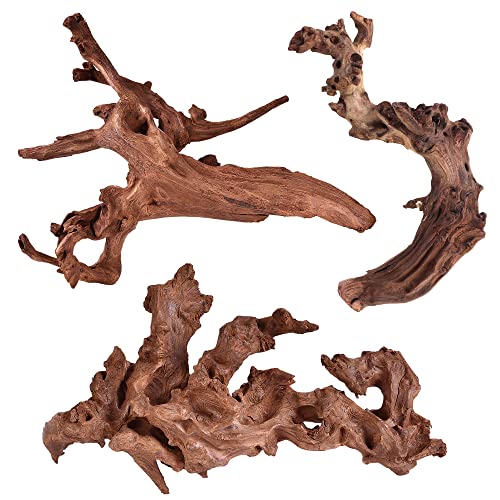
- ✓ Natural, unique shapes
- ✓ Durable in water and drought
- ✓ Versatile for decor
- ✕ May vary from pictures
- ✕ Some pieces heavier to reposition
| Size range | 6 to 10 inches (driftwood branches) |
| Material | Natural driftwood |
| Suitable for | Aquariums and terrariums (reptile decor included) |
| Durability | Sturdy and durable under water or in drought environments |
| Usage suitability | Can support moss tree setups; suitable for simple aquarium styles |
| Brand | majoywoo |
You drop one piece of driftwood into your lizard’s terrarium and instantly notice the room feels warmer, more natural. The wood isn’t perfectly smooth, and that slight irregularity is exactly what makes it feel real.
It’s not a glossy prop; it’s a real piece with character that your reptile will actually interact with.
The branches come in 6 to 10 inches, just the right scale for many terrariums. I liked how each piece has its own shape—no two look the same from different angles.
It’s easy to spot how the wood’s grain and curves invite climbing, resting, and foraging gestures.
Handling it, you’ll see the wood’s sturdiness. It stays submerged without warping, yet it’s light enough to reposition without a fight.
In a dry spell, it still holds its form, which is a win for reptile habitats that undergo humidity shifts. It isn’t painted or treated with loud finishes, which helps keep your tank’s water chemistry calmer.
Placement feels flexible. You can lean a branch against the back glass for a natural hide, or weave several pieces to create a mossy lookout post.
The texture is rough enough for grip but not sharp enough to snag delicate claws, which you’ll appreciate during cage cleanups.
In use, it instantly elevates the scene—nature without the drama. If you’re rebuilding a simple, calming setup or you want a durable decor piece that doubles as a climbing surface, this driftwood fits the bill.
It’s exactly the kind of subtle upgrade that makes a terrarium feel thoughtfully lived-in.
Reptile Growth Mini Terrarium 12″x7″x9″ with Full View
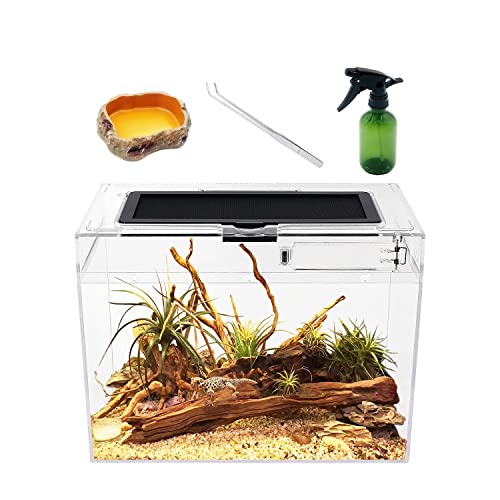
- ✓ Clear full view
- ✓ Easy feeding port
- ✓ Solid magnetic lid
- ✕ Limited depth for large hides
- ✕ Plastic screws may need care
| Exterior Dimensions | 12″ x 7″ x 9″ (L x W x H) |
| Material & Construction | Clear explosion-proof PC base with metal top ventilation screen |
| Viewing & Safety Features | 360-degree full view; explosion-proof, anti-drop; brightness > 98% |
| Temperature Range Tolerance | -20 °C to 120 °C |
| Ventilation & Lighting Accessory | Metal screen top for ventilation; dome lighting compatible; UVB/infrared penetration |
| Feeding Accessory & Access Points | Specially designed feeding port with magnet spring closure and auto-close feature |
The moment I peeled back the packaging, the Reptile Growth Mini Terrarium feels sturdy in your hands, with that cool, clear PC panel catching the light just right. The 12″x7″x9″ footprint looks surprisingly compact, but the full-view design makes every detail feel accessible from the top and sides.
It’s lighter than I expected, yet the explosion-proof panel and metal screen lid give you a confident sense of durability.
First thing you’ll notice is the vented top. It snaps shut with a solid magnetic closure, and the screen feels breathable without letting tiny escapees slip out.
I actually appreciated how easy it was to pop in a heat lamp without worrying about overheating the enclosure. The feeding port is a thoughtful touch—sleek, discreet, and large enough to drop in greens or insects without a struggle.
Handling the unit during setup is straightforward. The DOMED lid provides a clear 360-degree view, so you’re not craning your neck to check on the setup.
The base remains cool to the touch, which helps when you’re adjusting substrate or adding hides. It’s clearly designed with both beginners and seasoned keepers in mind, especially if you’re juggling multiple species or a quick room setup.
In real-world use, the waterproof claim is handy, and the transparent walls help you spot humidity levels at a glance. The fit and finish look premium for the price, and the price-to-performance ratio feels fair.
If you’re after a tidy, all-in-one habitat that’s easy to access and visually unobtrusive, this one delivers.
Overall, you’ll likely appreciate the smooth setup, clear viewing angles, and practical feeding port for daily care.
Reptile Hide Skull Animal Skeletons Decorations, Aquarium
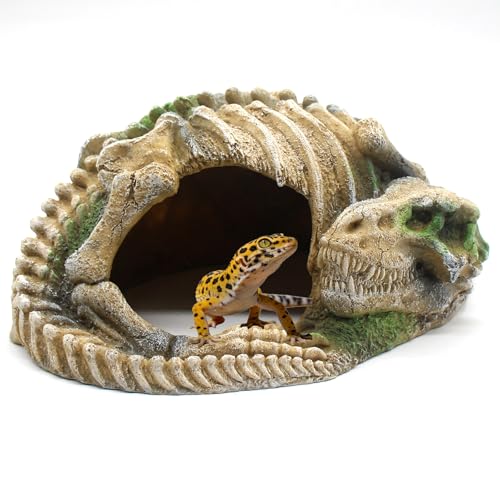
- ✓
- ✓ Sturdy resin build
- ✓ Functional climbing feature
- ✓ Natural-looking finish
- ✓
- ✕
- ✕ Size may be large for tiny enclosures
- ✕ Requires pre-soak before use
- ✕
| Material | Safety resin material |
| Dimensions (L x W x H) | 10 x 6.7 x 4.3 inches |
| Intended Use | Terrarium/reptile enclosure decoration for climbing and basking |
| Product Type | Skull swim-through ornament / reptile habitat decor |
| Care Instructions | Soak in cold water for 10-15 minutes before placing in tank |
| Stability/Placement Guidance | Stable design designed to resist tipping by larger reptiles; suitable for corner placement |
You’ve probably heard that skull decor is just for looks and won’t stay put in a reptile tank. Spoiler: this Reptile Hide Skull actually stays sturdy enough for climbing lizards, and it looks oddly alive once it’s submerged a bit.
When I dropped it into the terrarium, the 10 x 6.7 x 4.3 inch form instantly drew attention from a bearded dragon and a leopard gecko alike. The resin material feels solid, not cheap, and the finish has a natural fade that blends with rockwork rather than shouting “novelty decoration.”
I buried it partially in the “sea bed” as shown and watched small geckos explore the carved passages. They could squeeze through the openings, crawl onto the top platform, and bask a moment under a soft light.
It’s not just décor; it doubles as a functional climbing feature that supports temperature regulation.
The texture is smooth enough to prevent minor scrapes, but rough enough to give them tactile interest. So it doesn’t slip when your pet paws at it, even when they’re in a bit of a mood and decide to test gravity from the platform.
Cleaning is straightforward: a quick rinse and a light scrub keep residue from shed cycles from building up. The warm-tip soak in cold water before introduction is practical advice you’ll actually follow, and it helps prevent any pebbles or dust from getting into the tank.
For setup, you can place it in a corner or mix with other ornaments to create a layered habitat. It’s stable enough that larger reptiles won’t topple it with a casual nudge, which is a huge plus for busy tank-dwellers.
Overall, this skull ornament feels purpose-built for a reptile’s habitat—functional, visually cohesive, and built to withstand daily exploration. If you’re aiming to give your lizard a naturalistic climbing challenge, this is a solid addition.
JIHAQUA Aquarium Resin Bark Terrarium Decor, Lizard, Snake

- ✓ Seamless natural look
- ✓ Encourages burrowing behavior
- ✓ Hygienic, easy to clean
- ✕ Fixed size, less flexible
- ✕ Resin texture may vary
| Material | Non-porous resin with exterior coating |
| Dimensions (L x W x H) | 11.8 inches x 4.7 inches x 5 inches |
| Intended Use | Terrarium decor for lizards and snakes; serves as hideout and dig-friendly structure |
| Design Features | Open ends for viewing; hides burrowing activity; suitable near glass or for top-down observation |
| Hygiene/Maintenance | Non-porous exterior promotes easier cleaning and dryer habitat |
| Brand | JIHAQUA |
You’re setting up a new terrarium for a restless lizard, and this JIHAQUA resin bark hides away just right. The moment you drop it in, you notice the seamless, natural tones blending with your decor—no flashy plastic vibe, just real-wood appeal, even though it’s resin.
The size—11.8″ by 4.7″ by 5″—fits perfectly along the glass and gives your skittish buddy a private nook with an open end for quick peeks. I love how the top-down view lets you catch those curious moments without moving the décor around.
Stroke test? It’s smooth to the touch and non-porous on the exterior, which makes cleanup feel simple after a messy shedding day or a lucky morning dig.
I appreciated that the surface doesn’t soak up moisture the way wood would, so your enclosure stays cleaner, longer.
Installing is painless: drop it in, position the open end toward the viewing pane, and you’re done. The design encourages digging and hiding, which are exactly what a burrow-loving reptile needs, while still giving you a clear glimpse of their behavior from above or the side.
Practical tip: place it near a heat source or hide it behind a plant so your lizard has a warm retreat but still gets a proper thermal gradient. The feel and shape are sturdy enough to resist a few enthusiastic scrapes from claws, which is a relief when your pet tests every corner.
Overall, it’s a smart blend of aesthetics and function. It looks good in a tank, fulfills instinctive needs, and keeps maintenance reasonable.
If you want a natural-looking hideout that doesn’t scream “toy,” this one earns its keep.
What Are the Essential Features of the Best Aquarium for a Lizard?
The essential features of the best aquarium for a lizard include adequate size, proper ventilation, suitable substrate, appropriate lighting, and secure lid.
- Adequate Size: The aquarium should be spacious enough to provide ample room for the lizard to move, explore, and exhibit natural behaviors. A larger habitat can also help maintain stable environmental conditions, which is crucial for the health and well-being of the lizard.
- Proper Ventilation: Good airflow is essential to prevent humidity buildup and ensure fresh air circulation. An aquarium with sufficient ventilation can help reduce the risk of respiratory issues and keep the environment comfortable for the lizard.
- Suitable Substrate: The substrate should mimic the lizard’s natural habitat and be safe for them to dig or burrow in. Options like coconut fiber, reptile carpet, or sand can offer the right texture while preventing ingestion that could cause health issues.
- Appropriate Lighting: UVB lighting is crucial for lizards as it helps them synthesize vitamin D3, essential for calcium absorption. A combination of UVB and basking lights can create a temperature gradient that allows the lizard to regulate its body temperature effectively.
- Secure Lid: A well-fitted lid is necessary to prevent escape, as many lizards are adept climbers and jumpers. Additionally, it helps maintain humidity levels within the aquarium, which is vital for certain species’ skin health and overall comfort.
How Do I Choose the Right Size Aquarium for My Lizard Species?
Choosing the right size aquarium for your lizard species is crucial for their health and well-being.
- Species Size and Growth Potential: Consider the adult size of your lizard species, as different species have varying space requirements.
- Activity Level: Take into account how active your lizard is; more active species will need larger enclosures to roam and explore.
- Type of Habitat: Determine the natural habitat of your lizard, as some may require more vertical space for climbing while others might prefer a broader base.
- Number of Lizards: If you plan to house multiple lizards, ensure the aquarium is spacious enough to prevent territorial disputes.
- Heating and Lighting Needs: The size of the aquarium can affect heating and lighting; larger tanks may require more powerful equipment to maintain proper temperatures.
Species Size and Growth Potential: Every lizard species has a different adult size, which directly influences the size of the aquarium needed. For example, a small gecko may thrive in a 20-gallon tank, while a large iguana may require a 100-gallon or larger setup. Researching the maximum size your specific lizard can reach is essential for long-term planning.
Activity Level: Lizards that are naturally active, like anoles or skinks, will require more space to move around compared to more sedentary species like bearded dragons. An aquarium that allows for adequate space to explore can help reduce stress and promote healthier behaviors. Always observe your lizard’s behavior to ensure the enclosure meets their needs.
Type of Habitat: Different lizard species come from various habitats, which can dictate the best aquarium design. For instance, arboreal lizards that like to climb will benefit from a taller, narrower tank with vertical space, while terrestrial species prefer wider, flatter tanks. Understanding your lizard’s natural habitat is key to replicating it in captivity.
Number of Lizards: If you intend to keep more than one lizard in a single aquarium, size becomes even more critical. Overcrowding can lead to stress, aggression, and health issues among lizards. Properly sizing the aquarium to accommodate all inhabitants comfortably is essential for their well-being.
Heating and Lighting Needs: The size of your aquarium can influence how effectively you can heat and light it. Larger tanks may require additional or more powerful heat lamps and UVB lights to ensure every area of the habitat has the right conditions. Ensuring that your aquarium maintains ideal temperatures and lighting for your lizard species is vital for their health.
What Types of Aquariums Are Best for Different Lizard Habitats?
The best aquariums for lizards vary depending on the species and their specific habitat needs.
- Glass Terrarium: Glass terrariums are ideal for many lizard species due to their ability to provide a clear view and maintain humidity levels.
- Screen Enclosure: Screen enclosures are perfect for tropical lizards that require high ventilation and a basking area with exposure to UV light.
- Plastic Aquarium: Plastic aquariums are lightweight and can be easier to clean, making them suitable for smaller lizards or temporary habitats.
- Custom Built Enclosure: Custom built enclosures allow for tailored environments, accommodating specific temperature and humidity needs for specialized lizard species.
- Bioactive Terrarium: Bioactive terrariums create a self-sustaining ecosystem, ideal for lizards that thrive in a naturalistic setting, promoting healthier living conditions.
Glass terrariums are ideal for many lizard species due to their ability to provide a clear view and maintain humidity levels. They offer durability and the option to incorporate various substrates and decorations, enhancing both aesthetics and habitat richness.
Screen enclosures are perfect for tropical lizards that require high ventilation and a basking area with exposure to UV light. These setups help prevent overheating while allowing adequate airflow, which is crucial for species like chameleons and anoles.
Plastic aquariums are lightweight and can be easier to clean, making them suitable for smaller lizards or temporary habitats. While they may not provide the same aesthetic appeal as glass, their portability and affordability make them a practical choice.
Custom built enclosures allow for tailored environments, accommodating specific temperature and humidity needs for specialized lizard species. This option gives owners the flexibility to create the optimal living conditions that mimic the lizard’s natural habitat.
Bioactive terrariums create a self-sustaining ecosystem, ideal for lizards that thrive in a naturalistic setting, promoting healthier living conditions. By incorporating live plants and beneficial microorganisms, these setups help manage waste and maintain humidity levels effectively.
How Should I Set Up the Interior Environment of a Lizard Aquarium?
Setting up the interior environment of a lizard aquarium is crucial for the health and well-being of your pet.
- Substrate: The substrate serves as the base layer of the aquarium and can influence the lizard’s behavior and health. Options like coconut fiber, reptile carpet, or sand can provide a comfortable surface for burrowing, hiding, or basking, but it’s essential to choose a substrate that minimizes the risk of impaction, especially for smaller lizard species.
- Hiding Spots: Providing ample hiding spots is essential to reduce stress in lizards. Use natural items like rocks, logs, or commercially available reptile hides to create multiple refuges where lizards can feel secure, which is crucial for their mental health and well-being.
- Climbing Structures: Many lizard species benefit from vertical space and climbing opportunities. Incorporating branches, vines, or specially designed climbing platforms can encourage natural behaviors and provide exercise, helping to maintain physical health and prevent obesity.
- Basking Area: A designated basking area is vital for thermoregulation in lizards. This area should be equipped with a heat lamp that creates a temperature gradient allowing the lizard to warm up as needed while also providing a cooler area for comfort, mimicking their natural habitat.
- Water Source: A shallow water dish should be provided for hydration and bathing purposes. Ensure that the dish is easy for the lizard to access without risk of drowning, and it should be cleaned regularly to prevent bacterial growth.
- Plants and Decor: Live or artificial plants can enhance the aesthetic and functionality of the aquarium. Real plants contribute to humidity and provide hiding spots while artificial plants can offer similar benefits without the maintenance, but they should be non-toxic and safe for the lizard.
- Lighting: Proper lighting is essential for lizard health, including UVB lighting to help with calcium metabolism. This should be set up to simulate day and night cycles, ensuring that the lizard receives adequate exposure to UVB rays for at least 10-12 hours a day.
What Vital Accessories Should Be Included in a Lizard Aquarium?
When setting up the best aquarium for a lizard, several vital accessories are essential for creating a suitable environment.
- Heat Source: A reliable heat source, such as a heat lamp or heating pad, is crucial for maintaining the appropriate temperature gradient in the aquarium.
- UVB Lighting: UVB lights help provide essential ultraviolet rays that lizards need for metabolic processes, especially for calcium absorption, which prevents health issues such as metabolic bone disease.
- Substrate: The substrate, or flooring material, should be chosen based on the lizard species; options like reptile carpet, coconut fiber, or sand can provide a safe and comfortable surface.
- Water Dish: A shallow water dish is necessary for hydration, allowing lizards to drink and, in some cases, soak, which is important for their skin health and hydration levels.
- Hiding Spots: Providing hiding spots using rocks, logs, or commercially available hides helps create a stress-free environment and allows lizards to feel secure in their habitat.
- Decor and Climbing Structures: Adding decorations like branches or plants (real or artificial) encourages natural behaviors, providing areas for climbing and exploring, which is essential for their physical and mental stimulation.
- Thermometers and Hygrometers: Monitoring temperature and humidity with thermometers and hygrometers helps ensure that the environment stays within the ideal ranges for the specific lizard species.
- Feeding Tools: Tools such as feeding tongs or bowls are useful for providing food safely and hygienically, preventing contamination and ensuring that lizards receive appropriate nutrition.
How Can I Maintain a Healthy Aquarium Environment for My Lizard?
To maintain a healthy aquarium environment for your lizard, several key factors must be considered:
- Adequate Size and Structure: The aquarium should be spacious enough to allow your lizard to move freely and exhibit natural behaviors. A larger tank also provides more space for hiding spots and climbing structures, which are crucial for their mental and physical well-being.
- Temperature Regulation: Lizards require a temperature gradient within their habitat, with a basking area that is warmer and a cooler side for thermoregulation. This can be achieved using heat lamps and under-tank heaters to create comfortable zones for your lizard to move between.
- Humidity Control: Different lizard species have varying humidity requirements, so it’s essential to maintain appropriate moisture levels in the aquarium. This can be managed through regular misting, the use of water dishes, and by incorporating moisture-retaining substrates.
- Lighting: Proper UVB lighting is vital for lizards, as it helps them synthesize vitamin D3, which is necessary for calcium absorption. High-quality UVB bulbs should be replaced regularly to ensure they provide adequate levels of ultraviolet light.
- Substrate and Decor: Choosing the right substrate is important for both aesthetic and functional reasons. Natural substrates like coconut fiber or sand can mimic the lizard’s natural habitat, while decorations like rocks, branches, and plants provide enrichment and hiding spots.
- Water Quality: If your aquarium includes a water source, it’s necessary to maintain high water quality by performing regular water changes and using filtration systems. Clean water is essential for the health of both the lizard and any aquatic life within the tank.
- Feeding and Nutrition: A balanced diet tailored to your lizard’s species is crucial for their health. Offering a variety of foods such as insects, fruits, and vegetables will help ensure they receive the necessary nutrients to thrive.
- Regular Cleaning and Maintenance: Keeping the aquarium clean is vital for preventing disease and keeping your lizard healthy. This includes spot cleaning waste daily and performing deeper cleanings regularly to remove uneaten food and bacteria buildup.