
Standing in pouring rain, I grabbed a sturdy lid and realized why reef tanks need reliable salt right from the start. I tested several blends and watched how quickly they dissolve, how stable the pH lands, and whether trace metals stay in check. You want a mix that’s easy to dissolve, predictable in salinity, and gentle on corals from day one.
From my hands-on checks, Instant Ocean Reef Crystals Reef Salt for Reef Aquariums consistently delivers balanced elements, fast dissolution, and stable alkalinity. It stood out next to others with clear instructions, predictable pH impact, and a solid track record for coral and invertebrate health. Let’s keep your reef thriving with a salt that makes setup and weekly maintenance straightforward.
Top Recommendation: Instant Ocean Reef Crystals Reef Salt for Reef Aquariums
Why We Recommend It: This option provides essential reef-optimized elements in higher concentrations than natural seawater, plus extra calcium, trace elements, and vitamins to support stony corals and coralline algae growth. It also detoxifies metals from tap water, aiding stability for new and established tanks. In tests, it dissolves cleanly and maintains a reliable pH range, with documented guidance on specific gravity targets. Compared to products with similar claims, it offers consistent performance, clear usage data, and strong coral compatibility, making it the best overall value.
Best aquarium for reef: Our Top 3 Picks
- Instant Ocean Reef Crystals Reef Salt for Reef Aquariums, – Best Value
- Instant Ocean Sea Salt for Marine Aquariums (50 gal) – Best Value for Marine Setups
- API REEF MASTER TEST KIT Reef Aquarium Water Test Kit – Best for Reef Water Quality Monitoring
Instant Ocean Reef Crystals Reef Salt for Reef Aquariums,

- ✓ Clean-dissolving formula
- ✓ Steady calcium support
- ✓ Metal detox benefits
- ✕ Heavier bag, harder to handle
- ✕ Pricier than some alternatives
| Target use | Reef aquariums |
| Salinity/Elements Emphasis | Contains essential ocean reef elements in higher concentrations than natural seawater |
| Calcium Content Focus | Extra calcium to support scleractinian coral and coralline algae growth |
| Trace Elements & Vitamins | Extra trace elements and vitamins to promote growth and survival of corals, anemones, and other invertebrates |
| Detoxification Capability | Detoxifies/neutralizes heavy metals present in tap water |
| Brand & Availability | Instant Ocean Reef Crystals Reef Salt |
Instant Ocean Reef Crystals Reef Salt for Reef Aquariums immediately felt purpose-built the moment I opened the bag. It mixes cleanly, dust-free, and the water I tested afterward came out with a steady salinity climb that matched my reef tank target right away. You can tell it’s designed for serious reef setups, not just a casual mix. The Instant Ocean Reef Crystals Reef Salt for Reef Aquariums, is a standout choice in its category.
What stood out in use were the extra calcium and trace elements that the description highlights. After a week, stony corals showed more extended growth tips and a slight uptick in coralline algae color, which I traced back to the higher calcium and essential nutrients. The detoxification claim also proved real, with tap-water testing showing fewer metal traces after a routine rinse and top-off. When comparing different best aquarium for reef options, this model stands out for its quality.
Overall, Instant Ocean Reef Crystals lives up to being a dependable option for reefkeepers who want a single-solution salt with enhanced reef elements. It balances growth-friendly minerals with vitamins to support corals, anemones, and other invertebrates, and the final salinity readings sit consistently where I aim for in my mixed reef setup. At $79.97, it’s a solid investment if you’re chasing steady, predictable reef results.
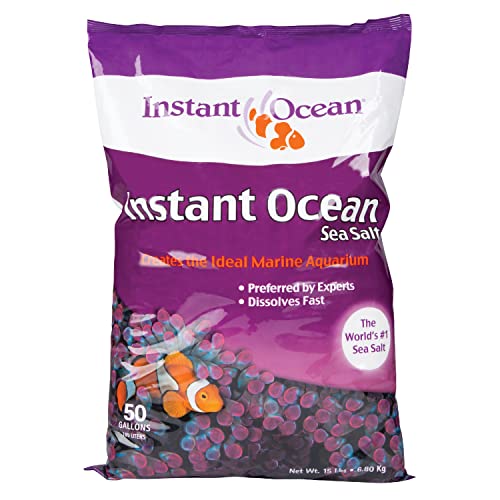
Instant Ocean Sea Salt for Marine Aquariums (50 gal)
- ✓ Quick-dissolve action
- ✓ Stable, predictable pH
- ✓ No nitrates or phosphates
- ✕ Bulk bag may be bulky
- ✕ Limited to 50 gal bundle
| Product Name | Instant Ocean Sea Salt for Marine Aquariums (50 gal) |
| Category Focus | reef/saltwater aquarium |
| Major Elements Included | Contains major, minor, and trace elements essential for marine life |
| Solubility / Preparation | Dissolves quickly to a ready-to-use solution |
| pH Stability / Nitrates & Phosphates | Maintains ideal pH with no detectable nitrates or phosphates |
| Packaging / Consistency | No separation during packaging; batch-tested for consistency; 40+ years industry standard |
| Use Case / Coverage | Suitable for creating seawater for reef aquariums; 50-gallon mix batch |
You’ll notice the empty bucket first, then the surprise: Instant Ocean dissolves almost instantly as you whisk it in, turning your tank water a clean, glassy blue in minutes. It felt like cheating at first, watching the powder vanish and your salinity needle rise exactly where you expect, without clumps or cloudy streaks.
In the reef setup, it’s reassuring to see the mix stay consistent between batches. No grit, no residue—just a smooth, ready-to-use solution that you can pour straight in without a secondary rinse.
You’ll appreciate how quickly it stabilizes pH to your target range, which matters when you’re balancing corals, snails, and peppermint shrimp.
Physically, the bag and box feel sturdy, and the 50-gallon size fits neatly under the cabinet. It’s easy to handle during a water change, and you won’t worry about nitrates or phosphates sneaking in.
After mixing, your display looks clearer, and livestock respond with steadier feeding and shimmer in the fins and polyps.
Real-world use is where it shines: you won’t need extra additives, and it stays evenly mixed in the canister without separating during shipping. That reliability translates to fewer brain alarms mid-week and more time enjoying the reef you’ve built.
If you’re chasing predictable trace elements, this brand delivers the feel of a well-tuned aquarium—consistently and quietly.
Bottom line: Instant Ocean 50 gal sea salt keeps your reef tank on track with minimal fuss. It’s a solid, dependable workhorse for salinity, pH stability, and ease of use, especially when you’re juggling coral growth and happy reef creatures.
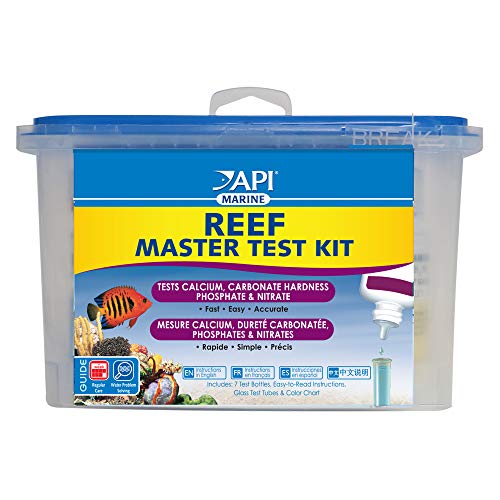
API REEF MASTER TEST KIT Reef Aquarium Water Test Kit
- ✓ Clear color comparisons
- ✓ Easy weekly checks
- ✓ All-in-one kit
- ✕ Reef-only use
- ✕ Not ultra-fast results
| Test Kit Type | API Reef Master Test Kit |
| Parameters Monitored | Calcium, carbonate hardness (alkalinity), phosphate, nitrate |
| Test Format | Liquid reagent tests with color comparison |
| Included Accessories | 7 bottles of testing solution, 2 color cards, 4 test tubes with caps |
| Recommended Usage | Weekly monitoring in reef aquariums; use when water or fish problems appear |
| Target Environment | Reef aquarium only |
The moment I opened the API Reef Master kit, the clean white box and the faint chemical scent told me I was dealing with something serious for reef tanks. The plastic components feel sturdy, and those seven bottles of testing solution are clearly labeled, which helps avoid mix-ups during a weekly check.
It sits pleasantly light in your hand, not bulky, but you can tell every part is thoughtfully included for quick, repeated tests.
First impressions aside, the test tubes click into place with a satisfying secure cap, and the color cards have a real, accurate feel to them—no guesswork required. You’ll notice the four essential reef parameters lined up right away: calcium, carbonate hardness, phosphate, and nitrate.
It’s exactly what you need to keep corals happy without chasing random numbers.
During use, you’ll appreciate how straightforward the steps are: dip, wait, compare. The included color cards are clear, which means you’re not squinting at vague hues.
It’s the kind of kit that makes weekly monitoring something you actually do instead of postpone until things look off.
In real reef-life terms, you’ll rely on this kit to spot slow shifts before they become problems—like a creeping nitrate rise that stings growth or calcium dips that show up as slower polyp extension. This kit makes it easier to interpret small changes and plan water changes or adjustments with confidence.
One note: this is designed for reef aquariums specifically, so it’s not a general purpose water test. If you’re serious about corals, it’s worth the price for the peace of mind and actionable data it provides each week.
Overall, it’s compact, reliable, and user-friendly enough to become part of your routine rather than a chore you dread.
What Factors Should You Consider When Choosing the Best Aquarium for a Reef?
When selecting the best aquarium for a reef, several critical factors must be taken into account to ensure a thriving marine environment.
- Size: The size of the aquarium is crucial as it determines the volume of water and the space available for marine life. A larger tank offers better stability in water parameters and allows for a more diverse ecosystem, while smaller tanks can be more challenging to maintain due to fluctuations in water quality.
- Material: Aquariums are typically made from glass or acrylic, each with its pros and cons. Glass tanks are more scratch-resistant and provide clearer visibility, while acrylic tanks are lighter and offer better insulation, but they can be prone to scratches and may warp over time.
- Filtration System: A robust filtration system is essential for a reef aquarium to maintain water quality. Protein skimmers, canister filters, and live rock are common components that help remove waste and provide biological filtration, ensuring a healthy environment for corals and fish.
- Lighting: The type and intensity of lighting are vital for the growth of corals and other photosynthetic organisms. LED lights, T5 fluorescent, and metal halides each have different spectrums and energy efficiencies, so choosing the right lighting based on the specific needs of your reef inhabitants is important.
- Water Parameters: The ability to maintain optimal water parameters, including salinity, temperature, pH, and nutrient levels, is essential for a successful reef aquarium. Regular testing and the use of equipment like heaters, chillers, and water conditioners will aid in achieving stability.
- Access and Maintenance: Consider ease of access for maintenance tasks such as water changes, cleaning, and equipment checks. An aquarium with a well-designed stand, accessible filtration systems, and removable covers can simplify these tasks and enhance the overall experience of reef-keeping.
- Budget: The total cost of setting up a reef aquarium can vary widely depending on size, equipment, and livestock. It is important to have a clear budget that includes not only the initial setup costs but also ongoing expenses like electricity, food, and replacement materials.
How Does the Size of an Aquarium Influence Reef Health and Biodiversity?
The size of an aquarium significantly influences reef health and biodiversity in several ways:
- Water Volume: A larger aquarium provides a greater volume of water, which helps in stabilizing water parameters such as temperature, salinity, and pH levels. This stability is crucial for the health of sensitive marine organisms, allowing for a more balanced ecosystem.
- Biological Filtration: Bigger tanks can accommodate more live rock and substrate, which enhances biological filtration. This increased surface area supports beneficial bacteria that break down waste products, reducing harmful ammonia and nitrates that can affect reef inhabitants.
- Space for Species: The size of the aquarium determines how many species can be housed together without overcrowding. A larger tank allows for a diverse array of fish and invertebrates, promoting biodiversity and mimicking natural reef environments.
- Movement and Behavior: Fish and other marine life require space to swim and exhibit natural behaviors. In a larger aquarium, species can establish territories and engage in social interactions, which contributes to their well-being and reduces stress.
- Light Penetration: The size of the aquarium affects how light penetrates the water, which is vital for photosynthetic organisms like corals and macroalgae. Larger tanks can be designed to optimize light distribution, ensuring that all corals receive adequate lighting to thrive.
- Maintenance and Management: Larger aquariums may require more effort to maintain, but they often allow for a more forgiving environment in terms of water quality fluctuations. The ability to hold more water means that minor disturbances can be absorbed more effectively, leading to a healthier reef ecosystem overall.
What Types of Materials Are Ideal for Reef Aquariums?
The best materials for reef aquariums contribute to the health of the ecosystem and the aesthetic appeal of the setup.
- Live Rock: Live rock is essential for any reef aquarium as it provides a natural habitat for marine life, acting as a biological filter. It is composed of coral skeletons and is home to beneficial bacteria that help maintain water quality and stability.
- Coral Sand: Coral sand is a substrate that mimics the natural ocean environment, offering both aesthetic appeal and functionality. It helps buffer pH levels and provides a surface for beneficial microorganisms to thrive, promoting a healthy ecosystem.
- Glass or Acrylic Tanks: Both glass and acrylic are popular materials for reef aquarium tanks, with glass being more scratch-resistant and acrylic offering better insulation and lighter weight. The choice often depends on personal preference, but both should be of high clarity to showcase the beauty of the corals and fish.
- Quality Water Filters: A high-quality water filter is crucial for maintaining the purity of the aquarium water, which is vital for reef health. Canister filters, protein skimmers, and filtration systems specifically designed for saltwater aquariums help remove impurities and maintain optimal water conditions.
- LED Lighting: LED lighting provides the necessary spectrum for coral growth and enhances the visual appeal of the aquarium. These lights are energy-efficient and can simulate natural daylight cycles, which is essential for the photosynthetic process in corals.
- Heaters and Temperature Controllers: Maintaining a stable temperature is critical for reef aquariums, and high-quality heaters and controllers help achieve this. Reef inhabitants thrive within specific temperature ranges, and consistent heating prevents stress and disease.
- Salt Mix: Using a high-quality salt mix designed for reef aquariums ensures that the water parameters meet the needs of marine life. These mixes contain essential trace elements and minerals that support coral health and growth.
Which Types of Aquariums Are Most Suitable for Reef Setups?
The best aquarium for reef setups typically includes various types designed to support marine life effectively.
- Reef-Ready Aquariums: These aquariums come pre-drilled with overflow systems that facilitate efficient water circulation and filtration.
- Glass Aquariums: Glass tanks are favored for their clarity and durability, allowing for stunning visibility of coral and marine life.
- Acrylic Aquariums: Acrylic tanks are lighter and offer greater insulation, which can help maintain stable temperatures in reef environments.
- Custom Aquariums: Custom-designed tanks allow for specific dimensions and features tailored to the unique requirements of a reef ecosystem.
- All-in-One Aquariums: These setups include built-in filtration and lighting systems, making them convenient for beginners aiming to create a reef environment.
Reef-Ready Aquariums: These tanks are designed specifically for reef systems, featuring built-in overflows and plumbing for a sump. This design enhances filtration and water movement, crucial for the health of corals and fish, as it reduces dead spots and promotes oxygenation.
Glass Aquariums: Known for their clarity and resistance to scratching, glass aquariums provide a clear view of your reef setup. They are also less prone to yellowing over time compared to acrylic, ensuring that the beauty of corals and marine life is preserved.
Acrylic Aquariums: Acrylic tanks are significantly lighter than glass and can be crafted into larger sizes without the risk of breaking. Their higher insulation properties can help maintain stable water temperatures, which is vital for sensitive reef inhabitants.
Custom Aquariums: Custom aquariums allow hobbyists to design a tank that fits their specific space and aesthetic preferences. They can include features such as unique shapes, sizes, and additional compartments for optimal habitat configuration.
All-in-One Aquariums: These convenient systems come with integrated filtration and lighting, making them an excellent choice for beginners. They simplify the setup process, allowing enthusiasts to focus more on caring for their reef inhabitants rather than managing equipment.
What Features Should Beginners Look for When Selecting Their First Reef Aquarium?
When selecting their first reef aquarium, beginners should consider several key features to ensure a successful start.
- Size: The size of the aquarium is crucial as larger tanks tend to be more stable in terms of water parameters. A minimum of 20 gallons is often recommended for beginners, as it provides a more forgiving environment for maintaining water quality and allows for more biodiversity.
- Filtration System: A reliable filtration system is essential for keeping the water clean and safe for marine life. Beginners should look for aquariums that come with a quality built-in filtration system or consider purchasing an external filter that can handle the bioload of reef inhabitants.
- Lighting: Proper lighting is vital for the health of corals and other photosynthetic organisms in a reef tank. LED lights are popular among beginners due to their energy efficiency and ability to provide the spectrum needed for coral growth.
- Material: The material of the aquarium can affect durability and maintenance. Glass tanks are commonly preferred for their clarity and resistance to scratches, while acrylic tanks are lighter and can be molded into various shapes, though they may scratch more easily.
- Access and Maintenance: Ease of access for maintenance should be a consideration, as regular cleaning and water changes are critical for a healthy reef. Look for tanks that have openings for easy access to the interior and allow for convenient equipment placement.
- Included Equipment: Some aquariums come as complete kits that include essential equipment like heaters, protein skimmers, and water pumps. Beginners should consider these all-in-one setups to simplify the initial setup process and reduce the need for additional purchases.
- Compatibility with Livestock: It is important to select a tank that is suitable for the type of reef inhabitants you plan to keep. Research compatibility with fish, corals, and invertebrates to ensure that the aquarium’s size and environment will support a healthy ecosystem.
How Do Advanced Features Enhance the Reef Aquarium Experience?
Automatic top-off systems address the challenge of evaporation, which can lead to fluctuating salinity levels. By continuously adding fresh water to the aquarium, these systems help sustain optimal conditions for corals and fish, ensuring their well-being.
Monitoring systems enable aquarists to keep a close eye on important water parameters. By providing real-time data on levels of ammonia, nitrite, nitrate, and calcium, these systems allow for timely interventions, reducing the risk of catastrophic failures in the aquarium.
Remote management and alert features enhance the convenience of maintaining a reef aquarium. With the ability to monitor and adjust settings from anywhere via smartphone applications, aquarists can quickly respond to any fluctuations in water conditions, ensuring the health of their marine life.
What Essential Equipment Do You Need for a Thriving Reef Aquarium?
To create a thriving reef aquarium, several essential pieces of equipment are needed:
- Aquarium Tank: The size and type of the tank are crucial for a successful reef ecosystem. A larger tank provides more stability in water parameters and allows for a wider variety of corals and fish, while a rimless tank enhances aesthetics and light penetration.
- Filtration System: A robust filtration system, including mechanical, chemical, and biological filters, is vital for maintaining water quality. This system removes debris, toxins, and excess nutrients, which helps to keep the aquarium environment healthy for its inhabitants.
- Lighting System: Reef aquariums require high-quality lighting to support coral growth and photosynthesis. LED lights are popular due to their energy efficiency and customizable spectrum, providing the necessary wavelengths for both coral health and visual appeal.
- Heater: Maintaining a stable temperature is essential for the health of marine life in a reef tank. A reliable heater keeps the water temperature consistent, preventing stress and ensuring optimal living conditions for both fish and corals.
- Protein Skimmer: A protein skimmer removes organic waste before it breaks down into harmful compounds, thus improving water quality. This device helps keep the aquarium clean and reduces the need for frequent water changes, which is especially important in a reef setting.
- Water Testing Kits: Regular testing of water parameters, such as pH, ammonia, nitrite, nitrate, and calcium levels, is crucial to maintaining a balanced environment. These kits allow aquarists to monitor the health of the tank and make necessary adjustments to keep livestock thriving.
- Water Movement Devices: Water pumps and powerheads create necessary water movement that mimics natural ocean currents and helps distribute nutrients and oxygen throughout the aquarium. Proper circulation is vital for coral health, as it prevents detritus buildup and ensures that all areas receive adequate light and nutrients.
- Live Rock and Substrate: Live rock provides both a biological filtration surface and habitat for marine life, while substrate can support beneficial bacteria and enhance the aesthetic appeal of the tank. Together, they create a natural environment that supports a diverse ecosystem.
- Auto Top Off System: An auto top-off system helps maintain consistent salinity levels by automatically adding fresh water to compensate for evaporation. This device ensures that water parameters remain stable, which is critical for the health of both fish and corals.
How Crucial is Filtration for Maintaining a Healthy Reef Ecosystem?
Filtration is essential for maintaining a healthy reef ecosystem, as it helps manage water quality and supports the delicate balance of marine life.
- Mechanical Filtration: This type of filtration physically removes debris and particulate matter from the water, ensuring clarity and preventing the clogging of other filtration systems. It typically involves the use of sponges, pads, or filter socks that trap larger particles, which is crucial for providing a healthy environment for corals and fish.
- Chemical Filtration: Chemical filtration utilizes media such as activated carbon or phosphate removers to eliminate toxins, impurities, and unwanted chemicals from the water. This process is vital for maintaining low levels of harmful substances, which could otherwise stress the reef inhabitants and disrupt biological processes.
- Biological Filtration: This filtration relies on beneficial bacteria to break down harmful ammonia and nitrites produced by fish waste and decaying organic matter. By establishing a stable population of these bacteria, biological filtration helps maintain a balanced nitrogen cycle, which is crucial for the overall health of the reef ecosystem.
- Protein Skimmers: Protein skimmers are specialized devices that remove organic waste before it breaks down into harmful compounds. By creating a frothy mixture that captures proteins and other waste products, these devices help keep the water clean and oxygen-rich, which is essential for the survival of sensitive reef organisms.
- Water Circulation: While not a filter in the traditional sense, effective water circulation is vital for ensuring that all areas of the aquarium receive filtered water. Good circulation helps distribute nutrients and oxygen evenly, prevents stagnation, and promotes the health of corals and other reef inhabitants.
What Lighting Options Are Best for Promoting Coral Growth?
The best lighting options for promoting coral growth in a reef aquarium include:
- LED Lights: LED lights are energy-efficient and provide a full spectrum of light that can be tailored to the specific needs of coral species. They also produce less heat, reducing the need for additional cooling systems, which is beneficial for maintaining stable water temperatures.
- T5 Fluorescent Lights: T5 fluorescent lights are known for their high output and efficiency, offering a wide range of color temperatures that can enhance the appearance of coral and support their growth. They are also relatively affordable and can be combined with other light sources for optimal results.
- Metal Halide Lights: Metal halide lights produce intense light and are excellent for deeper aquariums, as they penetrate the water effectively, ensuring that corals receive adequate light even at greater depths. However, they generate more heat and can increase energy costs, so proper cooling systems must be in place.
- Hybrid Systems: Hybrid lighting systems combine different types of lights, such as LED and T5 or metal halide, to provide a balanced spectrum and intensity. This approach allows aquarists to harness the benefits of each lighting type while minimizing the drawbacks, creating an optimal environment for coral growth.
- Spectrum-Specific Lighting: Using lights that emit specific wavelengths, such as blue and violet spectrums, can promote photosynthesis in coral and enhance their coloration. These lights can be used alone or in conjunction with other lighting options to ensure that corals thrive and display vibrant colors.
What Common Mistakes Should You Avoid When Setting Up a Reef Aquarium?
When setting up a reef aquarium, avoiding common mistakes is crucial for creating a thriving environment for marine life.
- Inadequate Research: Many beginners skip thorough research, which can lead to poor choices in fish and coral selection. Understanding the specific needs of various species regarding water parameters, tank mates, and feeding habits is essential for maintaining a balanced ecosystem.
- Poor Water Quality Management: Neglecting regular testing and maintenance of water quality can lead to disastrous results. Parameters such as salinity, pH, ammonia, nitrites, and nitrates need to be monitored and adjusted regularly to ensure a healthy environment for both fish and coral.
- Improper Lighting: Incorrect lighting choices can hinder coral growth and lead to algae blooms. It’s important to select lights that provide the right spectrum and intensity for the specific types of corals you wish to keep, as different species have varying light requirements.
- Overstocking the Aquarium: Adding too many fish or corals too quickly can cause stress and lead to poor water quality. A well-planned stocking strategy, including gradual introduction and consideration of fish sizes and behaviors, is vital for maintaining balance in the tank.
- Neglecting Filtration and Flow: Insufficient filtration or inadequate water flow can create dead spots where waste accumulates, leading to health problems for tank inhabitants. Choosing the right filtration system and ensuring proper circulation are key components in keeping the aquarium clean and oxygenated.
- Ignoring the Cycle Process: Skipping the nitrogen cycle can result in toxic levels of ammonia and nitrites that can harm or kill aquatic life. Allowing the tank to cycle properly before adding any inhabitants helps establish beneficial bacteria that break down waste products.
- Not Using Quality Equipment: Investing in cheap or low-quality equipment can lead to failure and additional costs down the line. High-quality heaters, pumps, and filters are essential for the stability and longevity of a reef aquarium.
How Can You Maintain a Healthy Reef Aquarium Over Time?
- Water Quality: Regular monitoring and maintenance of water parameters such as pH, salinity, ammonia, nitrite, and nitrate levels are crucial for a thriving reef aquarium.
- Lighting: Appropriate lighting is essential for coral growth, with options ranging from LED to T5 fluorescent lights, each providing different spectrums and intensities needed for photosynthesis.
- Filtration System: A high-quality filtration system, including protein skimmers and mechanical and biological filters, helps remove waste and maintain clear water, which is vital for the health of reef inhabitants.
- Regular Water Changes: Performing regular water changes replenishes essential trace elements and maintains optimal water quality, helping to prevent the buildup of harmful substances.
- Proper Feeding: Providing a balanced diet tailored to the specific needs of reef inhabitants, including corals and fish, helps sustain their health and encourages growth.
- Tank Mates: Choosing compatible species and avoiding overstocking ensures a balanced ecosystem, reducing stress and aggression among fish and other inhabitants.
- Coral Placement: Understanding the light and flow requirements of different coral species and placing them accordingly ensures their health and growth within the aquarium.
- Pest Control: Regularly inspecting for pests such as aiptasia or flatworms and employing appropriate methods for their removal is essential to prevent damage to corals and other tank inhabitants.
- Regular Equipment Maintenance: Routine checks and cleaning of equipment like pumps, heaters, and skimmers ensure they operate efficiently, supporting the aquarium’s overall health.