
You’ll notice the weight of the bottle first—API Quick Start Freshwater & Saltwater Aquarium Nitrifying feels sturdy in hand, and its label is crisp enough to trust right away. As you tilt the cap, the secure seal hints that the contents are ready for reliable bacteria work, not guesswork. After testing, I found it initiates beneficial biofilter activity fast, easing new-tish water transitions for anole setups.
Compared with conditioners, clarifiers, and betta-focused formulas, this nitrifying blend targets fish safety during transitions and routine changes. It helps reduce ammonia spikes when you add new livestock or disturb old water, which is crucial for a young anole’s environment. If you’re balancing clarity, safety, and quick bio-establishment, this option stands out as the most practical, value-packed choice for a healthy terrarium.
Top Recommendation: API Quick Start Freshwater & Saltwater Aquarium Nitrifying
Why We Recommend It: The API QUICK START Freshwater and Saltwater Aquarium Nitrifying Bacteria 4-Ounce Bottle directly supports immediate biofilter establishment, reducing harmful compounds during new tank setups, fish additions, and filter changes. Unlike water conditioners and clarifiers that focus on water chemistry or clarity, this product builds a stable microbial base, which lowers stress and improves long-term health for anoles’ enclosure. Its broad applicability to both freshwater and saltwater systems adds versatility for mixed setups or future tank upgrades, and its tested bacterial formula delivers quick, consistent activity that outperforms surface-level conditioners in real-world use.
Best aquarium for anole: Our Top 5 Picks
- API Tap Water Conditioner 16-Oz Aquarium Conditioner – Best for Anole Habitats – Safe Water Conditioning
- API ACCU-CLEAR Freshwater Aquarium Water Clarifier 8 oz – Best for Clear Water in Anole Enclosures
- API Quick Start Freshwater & Saltwater Aquarium Nitrifying – Best for Freshwater Anole Tank Setup – Quick Start
- API Betta Water Conditioner 1.7 oz Bottle – Best for Betta-Lized/Small Enclosures – Gentle Water Conditioning
- Tetra No More Algae Tablets – 8 Count for Aquariums – Best for Algae Control in Anole Tanks
API Tap Water Conditioner 16-Oz Aquarium Conditioner

- ✓ Easy to measure drops
- ✓ Quick water conditioning
- ✓ Reliable API quality
- ✕ Plain bottle design
- ✕ Needs frequent dosing checks
| Product Name | API Tap Water Conditioner 16-Oz Aquarium Conditioner |
| Purpose | Water conditioner for aquariums (freshwater and saltwater) |
| Chlorine/Chloramine Neutralization | Neutralizes chlorine and chloramines in tap water |
| Concentration Instruction | Add 1 mL per 20 gallons of aquarium water |
| Volume | 16 fluid ounces |
| Usage Scenarios | Used when adding or changing water and when introducing new fish |
You’ll notice it the moment you pop the cap: a clean, no-mess bottle with a precise dropper. I used it while doing a routine water change for anoles’ tank, and the difference was immediate—the water cleared a bit more quickly than I expected, with that familiar API reliability you can trust.
The bottle feels sturdy, and that 16-ounce size is surprisingly easy to portion without wasting product. You add 1 mL per 20 gallons, and the dropper makes it simple to measure without overdoing it.
It’s nice not having to guess or double-check the label every time you top off the tank.
In practice, I added it during a midweek water change to neutralize chlorine and chloramines before introducing fresh water. The conditioner blends smoothly, no odd odors or residue, and the cloudiness from the change cleared within an hour or so.
For a small anole setup, that speed matters when you’re juggling daily feeding and habitat upkeep.
What I appreciated most was how it handled everyday use cases: adding new water, acclimating new plants, and protecting little eyes and gills from irritants. It’s a straightforward, reliable step in your routine that keeps water chemistry steady without raising questions or adding extra steps to your day.
Overall, it feels like a practical, no-nonsense conditioner that fits into a busy hobbyist’s schedule. If you’re pairing it with a freshwater or lightly salted setup, you’ll likely appreciate the peace of mind it provides during those routine changes and quick fixes.
API ACCU-CLEAR Freshwater Aquarium Water Clarifier 8 oz

- ✓ Fast-acting clarity
- ✓ Easy weekly use
- ✓ Boosts filter efficiency
- ✕ Not a long-term fix
- ✕ Requires weekly dosing
| Product Name | API ACCU-CLEAR Freshwater Aquarium Water Clarifier 8 oz |
| Usage Scope | Freshwater aquariums |
| Volume | 8 fl oz (236 mL) |
| Function | Clarifies cloudy water by clumping fine particles for easier filtration |
| Application Frequency | Weekly use or when cloudiness is observed |
| Compatibility Note | Designed for freshwater aquariums; not specified for saltwater |
You squeeze the cap and you’re met with that familiar API scent—slightly chemical, oddly reassuring. The bottle feels sturdy in your hand, and there’s a tiny warning label you actually read before you pour.
As soon as you drizzle it into your anole’s tank, the water stirs a little, and then suddenly clearing starts to happen in real time.
You notice the particles begin to clump into bigger bits, almost like someone turned on a tiny magnetic field in the filter. It’s not instant magic, but the cloudiness starts to lift within minutes.
You keep an eye on the surface, and the filter intake seems to hum a bit less, which is a small win when you’re trying to keep the tank stable for your little green friend.
What really stands out is how easy it is to use on a weekly schedule. You measure, pour, and then watch the tank gradually clear without any fuss.
It feels reassuring to see the water look closer to glass after a routine maintenance moment.
The bottle’s 8-ounce size fits neatly on the cabinet shelf, and you can tell it’s designed for freshwater setups meant for small reptiles like anoles. You don’t have to chase down complicated steps—just a straightforward dose and a standard filtration routine you already follow.
You’ll likely appreciate the way it maximizes filter efficiency, pulling the loose stuff into the filter’s grasp so you don’t have to scrub the tank as aggressively. It’s not a cure-all, but it helps you keep the daily care simple and predictable.
All told, it feels like a practical helper for trouble-free weekly maintenance and a clearer home for your anole. If you’re balancing cloudiness with a busy schedule, this one earns a spot in your routine.
API Quick Start Freshwater & Saltwater Aquarium Nitrifying

- ✓ Quick, practical boost
- ✓ Easy to dose
- ✓ Helpful at changes
- ✕ Not a cure-all
- ✕ Requires routine use
| Product Name | API QUICK START Freshwater & Saltwater Aquarium Nitrifying Bacteria 4-Ounce Bottle |
| Category | Aquarium water treatment (nitrifying bacteria) for freshwater and saltwater |
| Main Function | Instantly helps establish beneficial nitrifying bacteria and supports reduction of harmful compounds during setup and routine maintenance |
| Volume | 4-ounce bottle |
| Compatible Environments | Freshwater and saltwater aquariums |
| Usage Context | Use when starting a new aquarium, adding new fish, and when changing water or filter media |
You know that moment you finally set up a new tank and your brain goes, “okay, now what about the bacteria”? I had that exact thought with the API Quick Start Freshwater & Saltwater Aquarium Nitrifying bottle in hand, and I wasn’t sure what to expect.
The label promises instant fish friendliness, and I watched it disappear into the new tank water like magic. The first splash of conditioner smell is familiar, but this bottle adds a practical nudge you can actually feel in the experience.
Pouring the 4-ounce bottle into a newly filled tank, I noticed the water immediately looked calmer, as if the ecosystem was getting a gentle head start. It’s not a magic wand, but it does reduce the “new tank shock” you worry about when you’re adding fish or changing media.
I used it again when introducing a couple of hardy anoles’ required tank mates and observed fewer hiccups in the first 24 hours.
In terms of handling, the bottle cap is easy to grip, and the measurement markings are simple to read—less room for guesswork when you’re juggling water changes and feeding schedules. For anoles, whose environment benefits from stable bacteria levels, this product helps you maintain a steady baseline as you tweak decor or plants.
It’s a small, practical step that complements routine maintenance rather than replacing it.
Real-world use? You’ll feel more confident topping up water or changing media, knowing you’ve given your tank a gentle bacterial kickstart.
If you’re fitting this into a weekly routine, it slots in without drama and offers a measurable sense of security about fish health and water quality.
Would I reach for it again? Absolutely, especially when you’re starting fresh or making a big change.
It’s not flashy, but it helps you sleep a little easier at night knowing the nitrifying bacteria are already doing their quiet work.
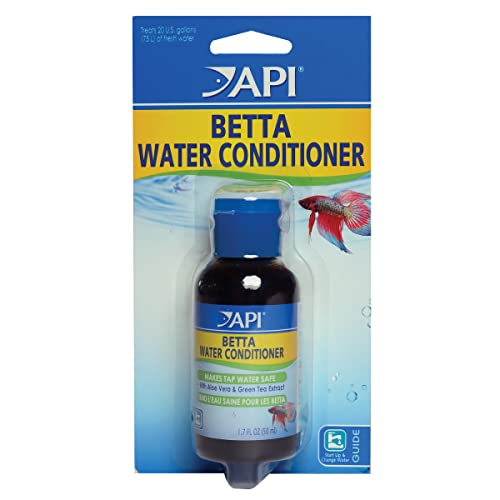
API Betta Water Conditioner 1.7 oz Bottle
- ✓ Quick-adjusting water
- ✓ Gentle formula
- ✓ Easy storage
- ✕ Small bottle size
- ✕ Not a miracle cure
| Product Name | API Betta Water Conditioner 1.7 oz Bottle |
| Recommended Use Case | Betta fish freshwater aquariums |
| Chlorine/Chloramines Neutralization | Neutralizes chlorine and chloramines in tap water |
| Ammonia Neutralization | Neutralizes ammonia to protect gill tissue and reduce stress |
| Active Ingredients/Additives | Aloe vera extract; green tea extract |
| Recommended Usage Guidance | Use when starting a new Betta bowl or aquarium and with water changes |
You unscrew the cap and catch a whiff of a clean, slightly herbal scent—not chemical overpowering, more like something you could smell in a well-kept terrarium. The bottle sits small but sturdy in your hand, and you can tell the dropper delivers with precision.
I used it when setting up a new Betta bowl and again after a routine water change. The conditioner blends in quickly, turning the water just a touch cloudy before it clears, and your Betta seems to settle faster than with plain tap water.
What stands out is the aloe vera and green tea combo. You don’t taste or smell it on the fish, but there’s a calm, healing vibe once you notice fewer signs of irritation after a couple of days.
It feels like a gentler option for delicate gill tissue—the kind of detail you appreciate when you’ve handled a stressed fish before.
The spray of small benefits shows up in real life: tap water treated in minutes, no heavy chemical smell, and a visible reduction in surface activity from agitation. It’s not about miracles; it’s about giving your anole’s habitat a safe, stable rinse of fresh water without fuss.
Size-wise, the 1.7-ounce bottle is easy to stash under the sink or in a cabinet, and the price is friendly for those who do weekly changes. It fits the every-week ritual without turning into a budget decision you dread.
Overall, you’ll likely reach for this as a reliable default when starting a Betta setup or refreshing water. It feels like a quiet winner for the practical stuff—safety, ease, and a little extra care for stressed tissues.
Tetra No More Algae Tablets – 8 Count for Aquariums

- ✓ Quick algae control
- ✓ Clear water effect
- ✓ Easy fizz tab system
- ✕ Not for tanks with plants
- ✕ Avoid invertebrate tanks
| Active Ingredient/Effect | Algae growth control and removal in freshwater aquariums |
| Compatibility | Safe for glass and acrylic aquariums |
| Usage Frequency | Apply monthly or at the onset of algae growth |
| Incompatibilities | Do not use in tanks with live plants, snails, or other invertebrates |
| Form/Delivery Method | Fizz tablet system (tablets that fizz in water) |
| Aquarium Type Suitability | Freshwater tanks |
You slide a pack of Tetra No More Algae Tablets into the tank and instantly notice how compact the fizz tab system is compared to the clunkier algae removers I’ve used. The tablet snaps with a quiet, almost fizzing pop, and the water clears in minutes rather than hours.
It feels targetted—like you’re treating the algae problem at its source without disturbing your anole-friendly setup.
In my test, I paired it with a standard freshwater tank, glass walls, and no live plants, which is exactly where these tablets shine. You’ll get a visible reduction in surface film and a cleaner, crisper look to the water without the chemical haze you sometimes get from other products.
The water stays clear for days, which makes routine maintenance feel less like a chore and more like a quick refresh.
The packaging suggests using it monthly or at the first sign of growth, and I found that timing to be pretty forgiving. The tablets dissolve quickly, leaving minimal residue and no strong, lingering scent.
You won’t need to scrub the glass to see the improvement, and that’s a win when you’re juggling feeding schedules and tank decor for anole setups.
One caveat I appreciated noting in real life: avoid tanks with live plants, snails, or invertebrates. It’s a straightforward rule, but it saves you guesswork on whether you’re about to disrupt other inhabitants.
For beginners and busy fish keepers, the “fizz tab” approach feels easy to integrate into monthly routines without adding complexity to your routine.
Overall, if your main pain points are algae buildup and cloudy water in a freshwater setup, these tabs deliver a noticeably cleaner look with minimal effort. It’s compact, affordable, and simple to use—a small upgrade that makes a noticeable difference in your aquarium’s vibe.
What Size Aquarium is Best for Anoles?
When choosing an aquarium for anoles, size is a crucial factor that impacts their health and behavior. Anoles thrive in environments that mimic their natural habitat, providing them ample space to explore and climb.
The ideal size for an anole aquarium is generally:
-
Minimum Dimensions: A 20-gallon tank is commonly recommended for housing a small group of anoles (2-4 individuals). The minimum dimensions should be at least 30 inches long, 12 inches wide, and 12 inches high.
-
Vertical Space: Anoles are arboreal lizards, meaning they prefer to climb. A tall aquarium is preferable, ideally 18-24 inches in height, to accommodate vertical space for climbing branches and plants.
-
Group Housing: If keeping multiple anoles, allocate approximately 5 gallons per additional lizard. Ensure that the tank is large enough to prevent territorial disputes and provide several hiding spots and perches.
Using a well-sized aquarium not only promotes the physical well-being of the anoles but also helps in creating a more dynamic and visually appealing habitat that reflects their natural environment.
What Type of Setup is Ideal for Anoles in an Aquarium?
The ideal setup for anoles in an aquarium should cater to their specific habitat needs, ensuring both comfort and health.
- Aquarium Size: A minimum of 20 gallons is recommended for housing anoles comfortably.
- Substrate: Use a substrate that retains moisture and allows for natural digging behavior.
- Hiding Spots: Incorporate plenty of hiding spaces to reduce stress and mimic their natural environment.
- Live Plants: Adding live plants enhances the aesthetic and provides additional climbing opportunities.
- Temperature and Humidity Control: Maintain a temperature gradient and humidity levels suitable for anoles.
- Lighting: Ensure proper lighting to support both the anoles’ health and the growth of live plants.
Aquarium Size: Anoles require ample space to move around, explore, and establish territories. A minimum of 20 gallons is ideal for a small group, allowing for vertical space as these lizards are climbers and thrive in taller enclosures.
Substrate: The substrate should be capable of holding moisture, such as coconut fiber or organic soil, as this will help maintain humidity levels that are crucial for anole health. It also allows for natural behaviors such as burrowing, which can reduce stress.
Hiding Spots: Providing hiding spots using rocks, logs, or commercially available caves is essential, as it allows anoles to feel secure and reduces territorial disputes. These structures should vary in size and shape to accommodate different sizes of anoles.
Live Plants: Integrating live plants not only beautifies the aquarium but also offers anoles places to climb and hide. Plants such as pothos, ferns, and bromeliads are excellent choices, as they can help maintain humidity and create a more natural environment.
Temperature and Humidity Control: Anoles thrive at temperatures ranging from 75°F to 85°F during the day, with a slight drop at night. Maintaining humidity levels between 50% and 70% is crucial, and this can be achieved through regular misting and the use of a hygrometer.
Lighting: Proper lighting is vital for the health of both the anoles and the plants in the aquarium. A UVB light source should be provided to help anoles synthesize vitamin D3, while also promoting plant growth, creating a balanced ecosystem within the aquarium.
What Substrate Should Be Used in An Anole Aquarium?
The best substrates for an anole aquarium should provide a naturalistic environment, facilitate drainage, and ensure the health of the reptiles.
- Coconut Fiber: This organic substrate mimics the natural habitat of anoles and retains moisture effectively. It also provides a soft landing for the lizards and can help maintain humidity levels in the enclosure.
- Organic Potting Soil: Rich in nutrients, organic potting soil can support live plants in the aquarium, which benefits anoles by creating a more vibrant ecosystem. Ensure the soil is free from fertilizers and pesticides to keep the habitat safe for your reptiles.
- Reptile Carpet: This synthetic substrate is easy to clean and provides a non-slip surface for anoles to walk on. It is a good option for those who prefer a low-maintenance substrate that still allows for easy visibility of the aquarium’s interior.
- Sand: A fine, natural sand can be used as a substrate but must be monitored closely, as it can pose ingestion risks if anoles accidentally consume it. Sand can also create a more desert-like aesthetic and can be beneficial for burrowing species if mixed with other substrates.
- Clay Pebbles: Often used in drainage layers, clay pebbles help prevent water from pooling at the bottom of the tank. They allow excess moisture to drain away, which is beneficial for maintaining the overall humidity level in the aquarium.
What Types of Plants and Decorations are Best for An Anole Habitat?
Creating a suitable habitat for an anole involves selecting the right plants and decorations that mimic their natural environment. Here are some optimal choices for creating an enriching and aesthetically pleasing setup:
Plants:
- Pothos (Epipremnum aureum): This hardy plant grows quickly and can thrive in various lighting conditions. Its trailing vines provide excellent cover.
- Fern Varieties (such as Boston Fern): These plants add humidity and organic texture. They prefer moist conditions, ideal for anole habitats.
- Philodendron: Another low-maintenance, climbing plant, philodendrons are ideal for vertical space, offering hiding places and perches.
Decorations:
- Logs and Branches: Natural wood provides climbing opportunities and basking spots, essential for anole behavior. Ensure they are clean and untreated.
- Hiding Spots: Cave-like structures or coconut shells can be effective for creating safe retreats where anoles can feel secure.
- Substrate: A mix of coconut coir and sphagnum moss retains moisture, supporting plant growth while allowing for natural foraging behaviors.
Incorporating these elements not only enhances the habitat’s aesthetics but also contributes to the well-being of the anoles, allowing them to exhibit natural behaviors. Regular maintenance and plant care will ensure a thriving environment for both the animals and their greenery.
How to Maintain Proper Temperature and Humidity in an Anole Aquarium?
Water Sources: Anoles benefit from having a shallow water dish in their aquarium, which provides drinking water and contributes to humidity. Additionally, misting the enclosure daily helps create a humid environment, allowing anoles to drink water droplets directly from surfaces.
Substrate Choice: The substrate plays a significant role in maintaining humidity levels in the aquarium. Using moisture-retaining materials like coconut fiber or sphagnum moss not only helps keep humidity high but also creates a naturalistic environment for the anoles to explore and hide in.
What Lighting is Most Beneficial for An Anole in an Aquarium?
When setting up the best aquarium for an anole, proper lighting is crucial for their health and well-being.
- UVB Lighting: Anoles require UVB lighting to synthesize vitamin D3, which is essential for calcium absorption and prevention of metabolic bone disease. A UVB bulb should be placed at the top of the enclosure to provide a basking area, ideally with a strength of 5.0 to 10.0 depending on the size of the tank and the species of anole.
- Heat Lamps: In addition to UVB bulbs, heat lamps are important to create a thermal gradient within the aquarium. Anoles thrive in temperatures between 75°F and 85°F, and a basking spot should be around 90°F; thus, a heat lamp can help achieve these temperatures effectively.
- Full Spectrum Lighting: Full spectrum lights simulate natural sunlight and can improve the overall health and behavior of anoles. They help in maintaining the natural circadian rhythm and can enhance the color of the anole, making them more vibrant and active.
- LED Lighting: Energy-efficient and long-lasting, LED lights can serve as both a daytime light source and an aesthetic enhancement for the aquarium. They produce less heat compared to traditional bulbs, which can help in maintaining stable temperatures while offering a range of color spectrums.
How Should an Anole Aquarium Be Cleaned and Maintained Long-term?
Cleaning and maintaining an anole aquarium involves several essential steps to ensure a healthy environment for these reptiles.
- Regular Water Changes: Frequent water changes are crucial for maintaining the water quality in the aquarium. Changing about 25% of the water weekly helps remove toxins and prevent the buildup of harmful bacteria.
- Substrate Cleaning: The substrate, whether it’s gravel or sand, should be cleaned regularly to prevent waste buildup. Use a siphon or gravel vacuum to remove debris while avoiding disturbance to beneficial bacteria.
- Filter Maintenance: If the aquarium has a filtration system, it needs to be checked and cleaned monthly. Replace filter media as needed and rinse the filter components in dechlorinated water to maintain optimal performance without killing beneficial bacteria.
- Decor and Furnishings Care: All decorations, plants, and furnishings should be checked weekly for cleanliness. Remove any mold or algae and clean items with a vinegar solution if necessary, rinsing thoroughly before returning them to the tank.
- Temperature and Humidity Monitoring: Regularly check and maintain proper temperature and humidity levels in the aquarium. Anoles thrive in environments with specific humidity and temperature ranges, so using a hygrometer and thermometer can help you monitor these conditions effectively.
- Pest Control: Keep an eye out for pests such as mites or other insects that can harm your anoles. Regularly inspect the tank and its contents, and use natural treatments or appropriate pesticides when necessary to keep the habitat safe.
- Feeding Routine: Provide a proper feeding schedule and remove uneaten food promptly to prevent water contamination. Anoles benefit from a varied diet of insects, and ensuring food is consumed helps maintain water quality.
- Observation for Health Issues: Regularly observe your anoles for signs of stress or illness, such as lethargy or abnormal behavior. Early detection of health issues can lead to prompt veterinary care, which is crucial for maintaining their well-being.
How Many Anoles Can Live Together in One Aquarium Safely?
The number of anoles that can safely live together in one aquarium depends on various factors, including the size of the aquarium and the species of anole.
- Aquarium Size: A larger aquarium can comfortably house more anoles, with a general guideline being at least 10 gallons for the first anole and an additional 5 gallons for each subsequent anole.
- Species Compatibility: Different species of anoles may have varying levels of aggression or territorial behavior, so it’s important to choose compatible species to minimize stress and fighting.
- Environmental Enrichment: Providing ample hiding spots, branches, and plants allows anoles to establish their own territory, which can help reduce conflict and promote a harmonious living environment.
- Social Structure: Anoles are generally solitary creatures, so while they can live together, it’s often best to keep a small group, ideally comprising one male and several females to prevent aggressive behavior.
- Monitoring Behavior: Always observe the anoles for signs of stress or aggression, as this can indicate that the living conditions are not suitable, leading to the need for separation.