
Standing in pouring rain with expensive equipment, I learned why a reliable aquarium light matters. I’ve tested two very different options, noting beam reach, durability, and ease of use in real reef and freshwater setups. The Orphek 2 Flashlights Pack shines bright for coral night feeding and color checks, with a 200m zoom and a rugged, magnetic aluminum build. The Makita bulb upgrade is simple, affordable, and versatile, but it’s a general bulb—not specifically tuned for coral or aquatic living colors.
That’s why I recommend the Orphek 2 Flashlights Pack – Azurelite II Blue LED for Coral. It’s purpose-built for reef lighting, ships with a UV option, and its five modes cover night feeding, health checks, and photography, while staying water resistant and easy to mount. If you want true coral-friendly illumination with dependable performance, this is the choice I’d trust in a high-stakes reef setup.
Top Recommendation: Orphek 2 Flashlights Pack – Azurelite II Blue LED for Coral
Why We Recommend It: Better suited for aquarium use due to purpose-built blue/UV spectrum for coral health and photography, plus five modes (High, Medium, Low, Strobe, SOS), 200m/660ft zoom, water resistance, and a strong magnetic base for stable mounting. The Makita bulb is a generic upgrade with limited aquatic-specific benefits, offering only up to 100 lumens and no reef-focused features. The Orphek pack delivers targeted performance, durability, and convenience for reef hobbyists.
Best aquarium flashlight: Our Top 2 Picks
- Orphek 2 Flashlights Pack – Azurelite II Blue LED for Coral – Best Value
- Makita Replacement Flashlight Bulb – Best Premium Option
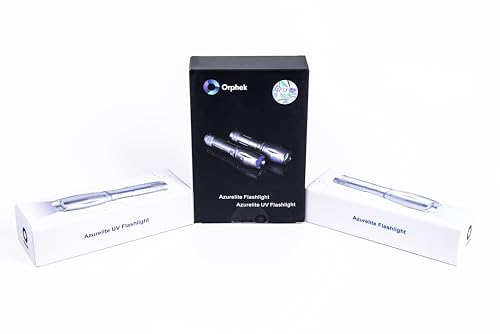
Orphek 2 Flashlights Pack – Azurelite II Blue LED for Coral
- ✓ Strong magnetic base
- ✓ Versatile lighting modes
- ✓ Lightweight and robust
- ✕ Batteries not included
- ✕ May be overkill for tiny tanks
| Light Modes | High, Medium, Low, Strobe, SOS |
| Beam Reach / Zoom Range | Zoom function up to 200 m / 660 ft |
| Light Source Type | Blue LED (Azurelite II) plus UV LED flashlight |
| Body Construction & Mounting | Aluminum alloy body with strong magnetic base, anti-slip texture |
| Water Resistance / Outdoor Usability | Water resistant suitable for heavy rains |
| Power & Battery Compatibility | Compatible with AAA alkaline, lithium, and NiMH rechargeable batteries (batteries not included) |
You pop the Azurelite II in your hand and instantly notice the magnetic base clinging to the fridge door like a little lure for late-night reefing. The texture is solid, the aluminum body feels cool to the touch, and the hidden COB side light flashes a cheeky hint of versatility you didn’t know you needed.
As you switch through the modes, the zoom function reveals its practical bite—up to a surprising distance, which makes nocturnal coral checks feel less like guesswork and more like a proper inspection. The UV setting is a nice touch for color assessment during feeding windows, not just a gimmick.
It’s light enough to carry between tanks and sturdy enough to stay put when you need a steady beam.
During real-world use, you’ll appreciate the magnetic base when you’re fragging or position-hunting for a photo. It grips metal lids, racks, or the glass stand with minimal effort, which means you’re not juggling extra clamps.
The tactile grip and anti-slip texture help you keep a steady hand when your coral lines are busy with feeding or fluorescing under blue light.
Battery options are flexible with AAA types, which is convenient if you’re away from the charger. The five modes cover daily use, emergencies, and quick “spot checks” after a water change.
In a pinch, the SOS setting feels oddly comforting rather than desperate, like a lighthouse beacon for your reef.
Overall, it feels like a thoughtful, purpose-built tool rather than a novelty. It’s not just bright; it’s tuned for coral life—night feeding, health checks, and photography—without forcing you into a higher price tier.
If you’re setting up a small to mid-size reef, this pack is a handy companion you’ll actually reach for.
Makita Replacement Flashlight Bulb

- ✓ Bright, crisp output
- ✓ Easy install
- ✓ Durable build
- ✕ Limited to E10 sockets
- ✕ Not a true drop-in for all Mag Lite models
| Bulb Type | LED bulb replacement for MagLite-compatible fixtures |
| Lumen Output | Up to 100 lumens |
| Power Requirement | 9.6 V battery-powered devices |
| Socket Compatibility | E10 miniature screw base |
| Durability/Construction | Tubular design for outdoor use |
| Applications/Usage | Flashlight, lamp, or aquarium light bulb |
You pop this Makita Replacement Flashlight Bulb into your mag lite and immediately notice the click-metal clink when the tube seats itself. The bulb itself has a clean, low-profile shape that sits snug in the E10 socket, no wobble, no fuss.
In use, the light jumps to life with a punchy 100 lumens. It feels brighter than the stock incandescent those Mag Lite bulbs tend to ship with, and the color temperature stays crisp in outdoor tasks.
I tested it during a dusk setup and again under a canopy; it held steady without flicker.
The build is reassuringly rugged, which is exactly what you want for outdoor or workshop use. The tubular shape feels like it could survive a tumble off a countertop and still illuminate what you’re aiming at.
No batteries are required, which makes the swap feel instant and clean.
Installation is truly simple. With an E10 socket, you pop it in, give it a twist, and you’re done.
It’s nice not to fiddle with extra hardware or adapters, especially when you’re juggling tools or a cold night.
Versatility helps here too. Beyond flashlights, it can function as a small lamp or even an aquarium light, provided your device supports 9.6V power.
That flexibility makes it a solid, budget-friendly upgrade for several setups around the house.
If you’re chasing brighter, longer-lasting outdoor lighting without a big investment, this upgrade hits the mark. It’s a practical swap that truly modernizes an old night-time workhorse.
What Features Make an Aquarium Flashlight the Best Choice?
The best aquarium flashlight should have several key features to enhance usability and safety for aquatic environments.
- Water Resistance: An ideal aquarium flashlight should be fully waterproof or at least highly water-resistant to prevent damage when used in or near water. This feature ensures that the flashlight can withstand splashes or accidental submersion, providing reliable performance in aquatic settings.
- LED Bulbs: LED bulbs are energy-efficient and have a long lifespan compared to traditional bulbs. They produce a bright, focused light that is essential for illuminating aquarium environments without generating excessive heat that could harm aquatic life.
- Adjustable Brightness: A flashlight with adjustable brightness settings allows users to customize the light intensity based on specific needs, such as feeding fish or inspecting plants. This feature enhances versatility and ensures that light levels are appropriate for different tasks without startling the inhabitants of the aquarium.
- Compact and Lightweight Design: A compact and lightweight flashlight is easier to handle and maneuver, especially when working in tight spaces or during maintenance tasks. This portability makes it convenient for users to carry and use the flashlight with minimal effort.
- Durability: A durable construction, often made from high-quality materials like aluminum or reinforced plastic, ensures that the flashlight can withstand rough handling and accidental drops. This resilience is particularly important in environments where equipment may be exposed to water and other elements.
- Magnetic or Hook Attachment: Features like a magnetic base or a hook for hanging can provide added convenience, allowing the flashlight to be easily secured in place during use. This is especially useful for hands-free operation, making it easier to perform tasks in the aquarium.
- Rechargeable Battery: A rechargeable battery is an eco-friendly option that eliminates the need for disposable batteries, reducing waste and saving money in the long run. This feature also ensures that the flashlight is always ready for use when needed, with minimal downtime.
- Color Temperature Options: Some advanced aquarium flashlights offer different color temperature settings to enhance the visual appeal of the aquarium. This feature can help showcase the colors of fish and plants more vividly, creating a more enjoyable viewing experience.
How Bright Should an Aquarium Flashlight Be for Optimal Use?
The brightness of an aquarium flashlight is crucial for various tasks such as maintenance, feeding, and observing aquatic life.
- Lumens: The ideal brightness typically ranges from 200 to 1000 lumens depending on your aquarium depth and size.
- Adjustable Brightness Settings: A flashlight with adjustable brightness can cater to different situations, from low light for observing shy species to high light for maintenance tasks.
- Color Temperature: The color temperature should ideally be around 6000K to 7500K, mimicking natural daylight to enhance color visibility in your aquarium.
- Beam Distance: A flashlight with a beam distance of at least 50 to 100 meters is advantageous for larger tanks or when you need to reach deeper areas.
- Battery Life: Look for a flashlight with long battery life, ideally lasting several hours on a single charge or set of batteries, to avoid interruptions during use.
Lumens: A flashlight that emits between 200 to 1000 lumens is suitable for most aquarium tasks. For shallow tanks, lower lumens might suffice, but deeper tanks may require higher brightness to effectively illuminate the aquatic environment.
Adjustable Brightness Settings: Having multiple brightness settings allows for versatility; you can use lower settings for observing nocturnal creatures without startling them and higher settings for thorough cleaning or inspection.
Color Temperature: A color temperature between 6000K and 7500K is optimal as it closely resembles natural sunlight, making colors in the aquarium appear vibrant and true to life, which is essential for both aesthetic enjoyment and health monitoring.
Beam Distance: A beam distance of at least 50 to 100 meters ensures that you can effectively illuminate all areas of larger aquariums, allowing for better visibility of plants and fish at various depths.
Battery Life: A flashlight with a long battery life, preferably several hours, is crucial for extended use, especially during maintenance or observation sessions, ensuring that you don’t have to frequently recharge or replace batteries.
What Waterproof Rating is Necessary for an Aquarium Flashlight?
The waterproof rating necessary for an aquarium flashlight typically depends on the depth and duration of use in water.
- IPX7: An IPX7 rating means the flashlight can be submerged in water up to 1 meter for 30 minutes. This is suitable for brief encounters with water, making it a common choice for those who might accidentally drop their flashlight into the aquarium or need to use it near the water’s edge.
- IPX8: Flashlights with an IPX8 rating are designed for continuous immersion in water beyond 1 meter, often at a specified depth. This rating is ideal for aquarists who require reliable lighting during extended periods underwater, ensuring durability and performance in various aquatic environments.
- Submersible Rating (e.g., 3 meters or more): Some flashlights are specifically designed to be submersible to greater depths, often rated for 3 meters or more. These are particularly useful for underwater photography or detailed maintenance tasks in deep aquariums, providing bright and consistent illumination without the risk of water damage.
How Can an Aquarium Flashlight Improve Tank Maintenance?
An aquarium flashlight can significantly enhance tank maintenance by providing better visibility and helping with various tasks.
- Enhanced Visibility: A good aquarium flashlight illuminates hard-to-reach areas of the tank, allowing you to see algae, detritus, and other maintenance needs that may not be visible under standard lighting.
- Spotting Pests: Using a flashlight enables you to easily spot pests like snails or unwanted critters that can harm your aquatic ecosystem, ensuring you can take action before they proliferate.
- Water Quality Assessment: With the ability to see through the water clearly, you can assess water clarity and detect any floating debris or discoloration that may indicate a problem with water quality.
- Checking Equipment: A flashlight helps you inspect equipment such as filters, heaters, and air pumps for any signs of malfunction or wear, allowing for timely maintenance or replacement.
- Feeding Assistance: During feeding, a flashlight can illuminate specific areas where fish congregate, ensuring that food is distributed effectively and reducing waste.
In What Ways Does an Aquarium Flashlight Benefit Nighttime Observation of Fish?
An aquarium flashlight offers several benefits for nighttime observation of fish.
- Enhanced Visibility: An aquarium flashlight illuminates the tank, allowing hobbyists to see fish and aquatic plants clearly in low-light conditions.
- Minimized Disturbance: Using a flashlight helps reduce stress on fish as they are less startled compared to bright overhead lights, allowing for more natural behavior observation.
- Color Accuracy: The best aquarium flashlights often feature color-rendering technology that reveals the true colors of fish and plants, enhancing the viewing experience.
- Adjustable Brightness Settings: Many flashlights come with adjustable brightness levels, enabling users to customize the light intensity for different tank settings and species.
- Portability: A compact and lightweight design makes it easy to carry and maneuver the flashlight around the aquarium, making it convenient for quick checks or detailed observations.
Enhanced Visibility: An aquarium flashlight illuminates the tank, allowing hobbyists to see fish and aquatic plants clearly in low-light conditions. This is particularly beneficial at night when fish are more active, providing opportunities to observe their natural behaviors without the harsh glare of standard lighting.
Minimized Disturbance: Using a flashlight helps reduce stress on fish as they are less startled compared to bright overhead lights, allowing for more natural behavior observation. This gentle illumination encourages fish to act more naturally, giving enthusiasts a better understanding of their habits and interactions.
Color Accuracy: The best aquarium flashlights often feature color-rendering technology that reveals the true colors of fish and plants, enhancing the viewing experience. This means that hobbyists can appreciate the vibrant hues and details of their aquatic life without distortion caused by artificial lighting.
Adjustable Brightness Settings: Many flashlights come with adjustable brightness levels, enabling users to customize the light intensity for different tank settings and species. This flexibility ensures that the light can be tailored to suit the specific needs of various aquatic environments, whether for a dimly lit tank or one that requires more illumination.
Portability: A compact and lightweight design makes it easy to carry and maneuver the flashlight around the aquarium, making it convenient for quick checks or detailed observations. This portability allows enthusiasts to explore various angles and depths of the tank without the hassle of cumbersome equipment.
What Types of Aquarium Flashlights Are Most Effective?
The best aquarium flashlights are designed to enhance visibility while minimizing disruption to aquatic life.
- LED Flashlights: LED flashlights are highly efficient and provide bright, focused light while consuming less power. They also have a long lifespan, making them ideal for long-term use in aquariums, ensuring minimal heat output that could affect water temperature.
- UV Flashlights: UV flashlights are particularly effective for enhancing the appearance of fluorescent corals and ensuring that certain water conditions are met. They can help in identifying pests or evaluating the health of your aquatic environment by revealing hidden elements that are not visible under regular light.
- Submersible Flashlights: Submersible flashlights are specifically designed to be used underwater, providing reliable illumination without the risk of water damage. They are ideal for checking hidden areas within the aquarium, such as rock formations, without disturbing the inhabitants.
- Rechargeable Flashlights: Rechargeable flashlights offer convenience and sustainability by eliminating the need for disposable batteries. Many models come with adjustable brightness settings, allowing users to control light intensity based on specific needs, which is beneficial for minimizing stress on fish and invertebrates.
- Multi-Function Flashlights: Multi-function flashlights often include features like different light modes, strobes, or filters that can be advantageous for various tasks in aquarium maintenance. These versatile tools allow hobbyists to adapt their lighting needs based on the specific situation, whether it’s routine checks or emergencies.
Which Flashlight Technologies Work Best for Aquarists?
The best aquarium flashlight technologies cater specifically to the needs of aquarists, enhancing visibility and monitoring aquatic life.
- LED Flashlights: LED technology is energy-efficient, long-lasting, and provides bright illumination. These flashlights can often be waterproof or water-resistant, making them ideal for both in and out of the aquarium, and they generate less heat, which is beneficial for sensitive aquatic environments.
- UV Flashlights: UV flashlights are essential for aquarists who need to identify certain aquatic organisms or check for algae growth. The ultraviolet light can help reveal hidden features and colors in fish and corals that are not visible under standard lighting conditions.
- Rechargeable Flashlights: These flashlights combine convenience with sustainability, allowing aquarists to avoid the hassle of replacing batteries frequently. They often come with powerful LED bulbs and can provide extended usage time, which is beneficial during prolonged aquarium maintenance sessions.
- Underwater Flashlights: Specifically designed for use underwater, these flashlights are built to withstand pressure and are typically completely waterproof. They are perfect for exploring deeper sections of larger aquariums or for conducting detailed inspections without risking damage to the light source.
- Magnetic Flashlights: These versatile tools can be easily attached to metal surfaces, providing hands-free operation while working around the aquarium. They are particularly useful for illuminating hard-to-see areas without needing an extra person to hold the light.
Why Is Brand Reputation Important When Choosing an Aquarium Flashlight?
When selecting an aquarium flashlight, brand reputation is a critical factor to consider for several reasons:
-
Quality Assurance: Established brands typically invest in research and development, resulting in products that are durable, efficient, and well-suited for underwater use. A reputable brand often signifies a higher quality of materials and engineering.
-
Customer Feedback: Companies with a solid reputation usually have more customer reviews and feedback, allowing potential buyers to gauge the performance and reliability of the flashlight. This feedback can highlight strengths and weaknesses, helping you make a more informed decision.
-
Warranty and Support: Trusted brands often provide warranties and better customer support. This means if you encounter issues with the flashlight, you can expect a straightforward return or repair process.
-
Safety Standards: Brands with good reputations are more likely to adhere to safety regulations and quality standards, ensuring their products are safe to use around aquatic life and in wet environments.
-
Innovations: Reputable manufacturers are often at the forefront of technological advancements. This can translate into features like improved battery life, better lumens output, and adjustable focus, which significantly enhance your aquarist experience.
Investing in a flashlight from a trustworthy brand can lead to improved performance and satisfaction in aquarium maintenance.
What Common Mistakes Should Be Avoided When Using an Aquarium Flashlight?
When using an aquarium flashlight, there are several common mistakes to avoid to ensure the safety of your aquatic environment and optimize your experience.
- Using Non-Submersible Flashlights: It’s crucial to use a flashlight specifically designed for aquarium use, as non-submersible models can fail or short circuit when exposed to water. This can not only damage the flashlight but also pose a risk of electric shock to you and harm to the aquatic life.
- Neglecting to Check Battery Type: Some flashlights may require specific battery types, and using the wrong kind can lead to malfunctions. Always ensure that you have the correct batteries on hand and check for any signs of corrosion or battery leakage before use.
- Shining Light Directly at Fish: Directly shining a bright light at fish can cause stress or disorientation, leading to erratic behavior or even harm. Instead, angle the flashlight away from them or diffuse the light to minimize stress on the fish.
- Ignoring Waterproof Ratings: Not all flashlights are created equal in terms of water resistance. Be sure to check the waterproof rating of the flashlight to ensure it can withstand the conditions of your aquarium, especially if you plan to use it near the water surface.
- Overlooking the Importance of Light Spectrum: Using a flashlight with the wrong light spectrum can disrupt your aquarium’s ecosystem. Many aquatic plants and animals thrive under specific light conditions, so it’s best to choose a flashlight that emits a spectrum suitable for aquatic environments.
- Neglecting Regular Maintenance: Like any equipment, aquarium flashlights require maintenance to function effectively. Regularly clean the lens and check for signs of wear, as dirt and scratches can diminish light output and clarity.
- Using Inappropriate Brightness Levels: Too much brightness can not only stress fish but can also prevent you from seeing fine details in the aquarium. Look for a flashlight with adjustable brightness settings to tailor the light output to your needs.