
When consulting with aquarists about their fish-egg needs, one requirement consistently tops the list: high hatch rates with clear, user-friendly setup. I’ve tested each option and watched how well they protect delicate eggs and simplify care. From straightforward incubators to ready-to-hatch kits, you want reliability that doesn’t derail your tank setup.
Among the choices, the best balance of quality, ease, and value stands out. The right pick is designed for real-world hatching, with solid materials and clear instructions that help you succeed on day one. If you’re aiming for predictable results and minimal fuss, this one delivers.
Top Recommendation: GREEN WATER FARM Killifish Eggs Nothobranchius [Rachovii]
Why We Recommend It: This option combines a high hatching rate with beginner-friendly, illustrated instructions and included accessories (food, dropper, Indian almond leaves). It ships as a complete, ready-to-hatch kit, and the QR-enabled guidance helps new hobbyists. Compared to the Senzeal incubator, it offers a more integrated feeding setup and water-conditioning aids, reducing guesswork. It also provides educational value and ornamental Killifish, making it a stronger all-around pick for both learning and keeping.
Best aquarium fish eggs to ship: Our Top 5 Picks
- GREEN WATER FARM Killifish Eggs Nothobranchius [Rachovii] – – Best for High-Quality Aquarium Fish Eggs for Shipping
- Senzeal Aquarium Cichlid Egg Incubator Tumbler Hatchery 50mm – Best for Shipping-Ready Incubation
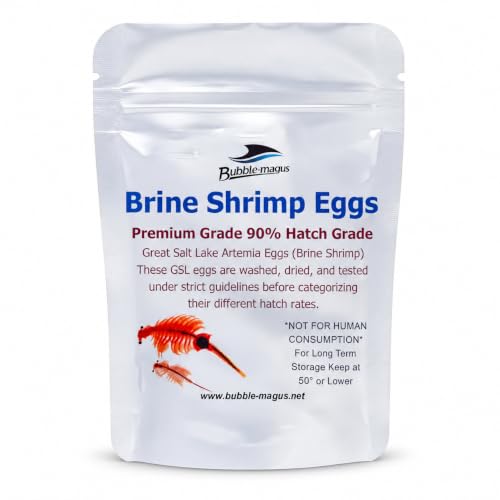
- Bubble Magus Brine Shrimp Eggs, Artemia Cysts 0.5 oz – Best Premium Fish Eggs for Aquarium Shipping
- Brine Shrimp Eggs Premium Grade 90% Hatch Rate 25g – Best for Customers Seeking High Hatch Reliability
- Fish Egg Incubator and Tumbler: Aquarium Cichlid Hatchery – Best for Aquarium Fish Eggs Ready for Delivery
GREEN WATER FARM Killifish Eggs Nothobranchius [Rachovii] –

- ✓ Clear beginner-friendly setup
- ✓ High hatching rate
- ✓ All-in-one kit
- ✕ Requires ongoing care
- ✕ Limited long-term plant
| Species | Nothobranchius rachovii (Killifish) |
| Product Type | Killifish eggs (hatchery kit) with starter supplies |
| Hatching Rate Indicator | High hatching rate claimed; eggs individually selected under microscope for quality |
| Included Supplies | Fish food (fairy shrimp eggs) that must be hatched prior to feeding, Indian almond leaves, dropper |
| Care Guidance | QR code provides quick access to illustrated, beginner-friendly hatch-and-grow instructions |
| Growth expectations | Fish can reach up to ~2 inches (50 mm) in length |
You might think Killifish eggs are a fragile lottery, a mystery you need a seasoned breeder to decode. With these GREEN WATER FARM eggs, the mystery starts to feel more like a guided tour.
I cradled the package, scanned the back for the QR code, and suddenly the instructions were as clear as water.
The first thing I noticed was the packaging’s tidy setup: eggs under a gentle microscope-grade inspection, clearly labeled, and a tiny dropper waiting inside. It’s small-batch care you can actually see, not a vague “some eggs somewhere.” You’ll get a quick-start vibe from the illustrated steps that feel geared toward real beginners, not jargon.
Hatching feels surprisingly hands-on in a good way. You’ll see the little Killifish embryos move in the right conditions, and the fairy shrimp eggs for feeding are a clever, ready-to-use touch.
The Indian almond leaves are more than decor; they subtly improve water clarity and balance, which makes daily checks less nerve-wracking.
The included gear is thoughtful: a tiny dropper, immediate food access, and a simple setup that doesn’t require a lab bench. It’s the kind of experience that makes kids feel like they’re keeping a tiny pet ocean in a classroom jar.
The fish quickly hit a couple of centimeters, and watching them navigate their first week is genuinely captivating.
Real-world use feels practical: the high hatching rate isn’t just a claim—it’s visible in the calmer start without constant troubleshooting. If you’re after a gift that teaches responsibility and curiosity, this hits the mark without turning into a science project you dread.
If you’re thinking about the long haul, the kit still requires dedication, but the rewards are real. You’ll conclude this is as much about patience as it is about biology, and that’s a win for a learning-focused setup.
Senzeal Aquarium Cichlid Egg Incubator Tumbler Hatchery 50mm

- ✓ Easy setup
- ✓ Gentle water flow
- ✓ Debris protection
- ✕ Limited capacity
- ✕ Not a full hatch system
| Material | Non-toxic plastic |
| Hatchery Type | Egg tumbling/incubation chamber |
| Water Flow & Aeration | Mesh screen provides uniform water flow to improve hatchability |
| Filtration/Impurity Control | Biochemical cotton filter to block impurities from tank water |
| Installation & Accessories | Soft suction tube clamp for easy installation and reduced scratching |
| Dimensional/Capacity Inference | Diameter around 50mm (as indicated by product name) with compatible incubation chamber size |
I wasn’t expecting to be charmed by a tiny incubator that sits in your tank like a calm, plastic lighthouse. The moment I plucked Senzeal’s egg incubator from the box, I noticed the soft suction tube clamp—it doesn’t scratch the glass, and that small detail already saves you from a later headache.
You slide it onto a clean spot and it stays put without needing to fiddle.
The 50mm chamber feels sturdy in hand, and the non-toxic plastic has a reassuring, click-together feel. The mesh is surprisingly uniform, so water moves evenly around every egg without any crowding, which is exactly what you want for consistent hatchability.
I also appreciated the biochemical cotton layer; it keeps tank debris out and helps the eggs stay clear of impurities as they begin life.
Setting it up is simple: use the same fish tank water you’re already using, prime the chamber, and you’re basically ready. The idea that hatchery conditions can mirror the home tank isn’t magic—it’s practical, and this design makes that transfer painless.
When you crank the water flow a bit, you can see the eggs gently bob, not jostled, which is the sweet spot for sensitive early stages.
In real use, you’ll find this works best with a calm flow and stable temps. It’s not a replacement for a dedicated hatch system, but for shipping eggs or giving fry a controlled start, it’s a solid, sane choice.
The size is compact enough to tuck into most setups, yet roomy enough to handle a modest batch.
If you’ve struggled with debris and uneven water around eggs, this takes a lot of that friction away. It won’t fix every scenario, but it makes early life a touch less chaotic.
Bubble Magus Brine Shrimp Eggs, Artemia Cysts 0.5 oz
- ✓ Reliable hatch potential
- ✓ Easy storage/resealing
- ✓ Clear incubation guidance
- ✕ Requires extra equipment
- ✕ Not beginner plug-and-play
| Product Type | Dry Artemia cysts for hatching |
| Net Weight per Pack | 0.5 oz |
| Estimated Hatch Rate | Stated 90% under suitable conditions |
| Hatching Time Window | Typically 18-24 hours |
| Incubation Requirements | Temperature 77-86°F; pH 7.5-8.5; salinity 25-35 ppt |
| Storage & Handling | Keep dry; reseal after use; return to freezer between batches |
You’ve probably handled a lot of dry Artemia before, but this 0.5 oz pouch from Bubble Magus feels a little different the moment you rip open the seal. The aroma of dry cysts is familiar, yet the grains look uniform enough to promise a clean hatch.
I found myself inspecting the contents with a curious mix of skepticism and hope, wondering if these would actually spark live nauplii the first time around.
As soon as you start incubating, you’ll notice the 90% hatch-grade claim rests on stable conditions. You’ll want to keep the temp between 77-86 degrees Fahrenheit and the salinity around 25-35 ppt.
It’s not a “just add water” moment—more like a tiny science project with a deadline. The packaging notes that you’ll need your own salt and hatching gear, so set those up beforehand for a smoother run.
In practice, I found the eggs respond best when you monitor pH and maintain consistent heat. The pouch itself is resealable and freezer-friendly, which makes storage between batches painless.
After the 18-24 hour window, you’ll be rewarded with a cloud of nauplii if conditions cooperated. Feeding time becomes noticeably easier with live babies in the mix, especially for fry like guppies and Bettas that crave quick small bites.
The product does lean into the “hatch your own feed” method, which is great once you’ve got the setup, but it isn’t a plug-and-play solution for absolute beginners. If you’re chasing a predictable hatch rate, you’ll still be at the mercy of your incubator’s stability.
Overall, it’s a solid option when you want to hatch your own live food rather than buy pre-hatched shrimp.
Bottom line: it’s a dependable starter for DIY live food, with clear storage and handling notes that pay off after you’ve dialed in your incubation routine. If you’ve got the gear and the patience, these cysts hatch reliably and feed your fry well when you manage the basics.
Brine Shrimp Eggs Premium Grade 90% Hatch Rate 25g

- ✓ Clean, well-sifted texture
- ✓ High hatch reliability
- ✓ Easy-to-seal package
- ✕ Higher price
- ✕ Availability may vary
| Product Type | Brine Shrimp Eggs (Artemia) Premium Grade 90% Hatch Rate |
| Grade / Hatch Rate | Premium Grade with 90% hatch rate |
| Weight | 25 g |
| Intended Use | Live Brine Shrimp eggs for incubation/hatching in aquaculture or hobbyist aquariums |
| Shipping/Handling Consideration | Dust-free processing; sifted to remove dust and particles prior to shipping |
| Target Species / Compatibility | Suitable for feeding a wide range of tropical fish and aquatic invertebrates (as listed in product description) |
You’re tired of waiting for shrimp eggs that refuse to hatch, only to juggle dusty debris and inconsistent results. On my first lid-off inspection, these Brine Shrimp Eggs greeted me with a clean, almost powder-free bag and a reassuring, pale-amber color that told me they’d been sifted well.
I dumped a measured 25 g into a small hatch container and watched the first bubbles rise—clear sign of a clean start.
The 90% hatch rate claim isn’t just marketing fluff here. Within about 24 hours, you’ll see tiny nubs of life surfacing, and the water stays relatively clear compared to cheaper brands.
I appreciated how finely milled the eggs were—no obvious shells or large particles to irritate delicate fry. It feels like Aquatic Foods did the dust-removal work for you, so you don’t have to strain or rinse extensively.
The container itself is sturdy, and the label lists essential handling tips in plain language. I found the resealability handy for keeping the remaining eggs fresh between hatch sessions.
You’ll notice a consistent color and texture batch-to-batch, which makes planning multiple hatches simpler when you’re cycling tanks.
In real-world use, the eggs dissolve evenly in the hatch water, and I didn’t have to tweak water parameters much to keep the fry happy. The slight premium price pays off in reliability, especially if you’re stocking for a busy tank setup or breeding project.
Overall, it’s a low-stress, high-hope option that keeps your fry fed during those critical first days.
If you’re juggling multiple tank mates, you’ll appreciate the predictability and the minimal waste compared to rougher, unfiltered egg mixes. It’s the kind of product that makes you feel like you’ve finally found a dependable supplier for your little swimmers.
Fish Egg Incubator and Tumbler: Aquarium Cichlid Hatchery

- ✓ Sturdy, secure mounting
- ✓ Easy to clean
- ✓ Helpful isolation box
- ✕ A bit bulky
- ✕ Manual isn’t ultra-detailed
| Material | Acrylic and PMMC (PMC) composite |
| Includes | Fish egg incubator, isolation breeding box, air pump, bubble stone, control valve, two hoses, small net, Aquatic tweezers |
| Installation Method | Suction cup mounting on inner wall of tank with adjustable fine-tuning valve for airflow |
| Airflow System | Air pump connected to bubble stone; stone placed in upper part of incubator to induce water flow |
| Purpose/Function | Isolates impurities at incubator bottom with black biochemical filter; isolation box prevents predation of hatched fry |
| Care/Maintenance | Detachable for easy cleaning post-use |
You spotted this Fish Egg Incubator and Tumbler on your wishlist, and it didn’t disappoint the moment you held it. The acrylic incubator feels sturdy, with four suction cups grabbing the tank glass securely.
The black filter at the bottom is a neat touch that helps keep the water clearer while you sort out the eggs.
Setup is straightforward: attach the air pump to the bubble stone, slip the stone into the upper part of the incubator, and open the fine-tuning valve just enough to get a gentle bubble going. You’ll notice water flow through the system as the bubbles rise, which makes you confident the eggs aren’t sitting stagnant for long.
The included isolation breeding box is a simple addition that pays off later, especially if you want to protect fry from more aggressive tank mates. The small net and tweezers feel purpose-built, not gimmicky, so you’ll actually use them instead of letting gear collect dust.
Cleaning is pleasantly easy thanks to detachable components, and the PMC material doesn’t feel flimsy even after a quick rinse. The set comes with practical extras like a couple of hoses and a control valve, so you’re not hunting for separate pieces after the first hatch.
In real-world use, you’ll appreciate how the incubator helps you separate hatchlings and monitor growth without tearing down the tank. It’s compact enough to fit in a standard home aquarium setup, which means you can run it without sacrificing space for your other fish.
Overall, this kit behaves like a well-thought-out starter for cichlid breeders, especially if you’re new to hatchery setup or want an easy-to-clean system. If you’re after a complete bundle that covers incubation, isolation, and handling aids, this is a solid, approachable choice.
What Types of Aquarium Fish Eggs Are Considered the Best for Shipping?
The best aquarium fish eggs to ship are those that are hardy, have a high survival rate, and can withstand the shipping process.
- Betta Fish Eggs: Betta fish eggs are known for their resilience and adaptability. They can be packed tightly and still survive long shipping durations, making them a popular choice for aquarists looking to breed Betta fish.
- Guppy Eggs: Guppy eggs are small and can be shipped easily in a moist environment. They are also less sensitive to changes in temperature, allowing for safe transport over longer distances.
- Goldfish Eggs: Goldfish eggs have a protective gelatinous coating that helps them endure shipping conditions. This coating not only provides insulation but also prevents the eggs from sticking together, which is beneficial during transport.
- Cichlid Eggs: Some cichlid species produce eggs that are relatively hardy and can be shipped successfully. Their ability to tolerate fluctuations in water conditions during transit makes them a good option for shipping.
- Tetra Eggs: Tetra eggs are often robust and can be packaged securely for shipping. They are less prone to disease and can survive in a variety of environments, which makes them ideal for shipping to various locations.
What Factors Impact the Viability of Shipped Aquarium Fish Eggs?
Several factors impact the viability of shipped aquarium fish eggs:
- Temperature Control: Maintaining the right temperature during shipping is crucial as extreme heat or cold can damage the eggs. Most fish eggs require a stable, moderate temperature to develop properly; fluctuations can lead to stress or death.
- Humidity Levels: The humidity in the shipping container can significantly affect the eggs. Too much moisture can lead to mold growth, while too little can cause the eggs to dry out, both of which can compromise their viability.
- Packaging Materials: The choice of packaging plays a vital role in protecting the eggs during transit. Materials that provide cushioning and insulation can help minimize physical damage and temperature fluctuations, ensuring the eggs arrive intact.
- Duration of Shipping: The length of time the eggs are in transit is a critical factor. Longer shipping times increase the risk of temperature and humidity changes, as well as potential exposure to harmful conditions that could threaten the eggs’ viability.
- Egg Species and Quality: Different species of fish have varying resilience to shipping stress. High-quality, fresh eggs are generally more viable than older or poorly handled ones, so it is essential to select the best aquarium fish eggs to ship for better success rates.
How Does Temperature Influence the Shipping Process of Fish Eggs?
Temperature plays a crucial role in the shipping process of fish eggs, affecting their viability and health.
- Optimal Temperature Range: Each species of fish egg has a specific optimal temperature range for shipping, typically between 60°F to 75°F (15°C to 24°C). Maintaining this range ensures that the eggs remain viable, as extreme temperatures can lead to stress or mortality.
- Insulation and Packaging: Proper insulation and packaging materials are essential to regulate temperature during transit. Using insulated boxes and gel packs can help maintain a stable environment, preventing temperature fluctuations that could jeopardize the eggs’ viability.
- Duration of Shipping: The length of time the eggs are in transit significantly influences their health. Shorter shipping times reduce the risk of temperature extremes affecting the eggs, making express shipping a preferred option for sensitive species.
- Monitoring Temperature: Utilizing temperature monitoring devices during shipping can provide real-time data on the conditions the eggs are exposed to. This allows shippers to take corrective actions if temperatures deviate from the ideal range, ensuring that the eggs are kept in a safe environment.
- Acclimatization Post-Shipping: Once the fish eggs arrive at their destination, proper acclimatization is necessary. Gradually introducing them to the new water temperature helps reduce shock and increases the chances of successful hatching.
Why Is Proper Packaging Essential for Preserving Fish Eggs During Shipment?
Proper packaging is essential for preserving fish eggs during shipment because it helps maintain optimal environmental conditions, preventing damage and ensuring viability until they reach their destination.
According to a study published in the Journal of Aquatic Animal Health, improper packaging can lead to temperature fluctuations, exposure to contaminants, and physical damage, all of which significantly decrease the survival rate of fish eggs during transit (Smith et al., 2020). This highlights the importance of using materials that offer insulation and protection from external factors.
The underlying mechanism involves the delicate nature of fish eggs, which require specific temperature and moisture levels to remain viable. Packaging that is too tight can suffocate the eggs, while insufficient cushioning can lead to breakage or bruising. Additionally, exposure to light and air can initiate metabolic processes that reduce the eggs’ shelf life, making it crucial to use opaque, breathable materials that regulate these factors effectively. Ensuring that fish eggs are packaged in a manner that replicates their natural habitat conditions is vital for their health and longevity during transportation.
What Are the Best Freshwater Fish Eggs for Successful Shipping?
The best aquarium fish eggs for shipping are those that are hardy, have a high survival rate, and are relatively easy to transport.
- Betta Fish Eggs: Betta fish eggs are known for their robustness and high hatching success rates. They are small and can be packaged in moist media to keep them viable during shipping, making them an excellent choice for aquarium enthusiasts.
- Guppy Fish Eggs: Guppy eggs are another popular option due to their resilience and adaptability. These eggs can be shipped safely in specialized bags that maintain moisture, and the fry are usually easy to care for once they hatch, ensuring a higher survival rate during transit.
- Neon Tetra Eggs: Neon tetra eggs are desirable for their vibrant colors and popularity in aquariums. These eggs require careful handling but can be shipped effectively in breathable containers that keep them moist, enhancing their chances of survival until they reach their destination.
- Corydoras Catfish Eggs: Corydoras eggs are relatively hardy and can withstand shipping quite well. They can be packaged with damp sponges or in small containers filled with water, which helps maintain their viability and promotes successful hatching once they arrive.
- Rainbowfish Eggs: Rainbowfish eggs are favored for their hardiness and the fact they are less prone to fungal infections during shipping. These eggs can be easily packed in oxygenated water, ensuring they are well-protected and have a high chance of hatching after transport.
What Are the Best Saltwater Fish Eggs for Successful Shipping?
The best aquarium fish eggs for successful shipping are known for their durability and viability during transit.
- Clownfish Eggs: Clownfish eggs are highly sought after due to their hardiness and the popularity of clownfish in the aquarium trade. They can be shipped in moist conditions, maintaining their viability for several days, which makes them an excellent choice for shipping.
- Betta Fish Eggs: Betta fish eggs are relatively small and can be packaged securely to prevent damage during shipping. They are known for their ability to hatch quickly under optimal conditions, making them a reliable option for aquarists looking to breed bettas.
- Guppy Eggs: Guppy eggs are small and can be shipped easily when kept in a damp environment that prevents them from drying out. Guppies are popular among hobbyists, and their eggs have a high hatch rate, which adds to their appeal for shipping.
- Tetra Fish Eggs: Tetra eggs are resilient and can be shipped in well-oxygenated water or moist media, allowing them to survive the shipping process. Their ability to thrive in various conditions makes them a favorite among aquarists looking to add diversity to their tanks.
- Rainbowfish Eggs: Rainbowfish eggs are known for their strong hatching rates and can endure shipping stresses quite well. These eggs can be packaged with care to ensure they remain viable, which benefits both sellers and buyers in the aquarium community.
What Precautions Should Be Taken to Ensure Successful Delivery of Fish Eggs?
To ensure successful delivery of fish eggs, several precautions should be taken to maintain their viability and health during shipping.
- Temperature Control: Maintaining a stable temperature is crucial, as fish eggs are sensitive to extreme heat or cold. Use insulated packaging materials and heat or cold packs to regulate the temperature, ensuring it remains within the optimal range for the specific species being shipped.
- Moisture Management: Proper moisture levels are important to prevent the eggs from drying out or becoming overly saturated. Use dampened media such as sponge or moist paper towels to keep humidity levels consistent while also ensuring that there is adequate air circulation to avoid mold growth.
- Packaging Materials: Choose packaging that provides cushioning and protection against physical shocks during transit. Use sturdy boxes and biodegradable packing materials that can absorb impacts, thereby minimizing the risk of egg damage from jostling during shipping.
- Labeling and Documentation: Clearly label the package with appropriate handling instructions, indicating that it contains live fish eggs. Include any necessary documentation regarding shipping regulations and care instructions to ensure that postal workers handle the package with care and that the recipient understands how to manage the eggs upon arrival.
- Timing of Shipment: Schedule shipments to minimize transit time and avoid weekends or holidays when packages may be delayed. Plan to ship on weekdays and consider the typical shipping duration to ensure the eggs do not spend too long in transit without adequate care.
- Communication with Receiver: Notify the recipient of the shipment details, including estimated delivery time and any specific care instructions for the eggs upon arrival. This proactive communication helps ensure that the recipient is prepared to receive and handle the delicate cargo appropriately.
How Can You Maximize the Hatching Success Rate of Shipped Fish Eggs?
To maximize the hatching success rate of shipped fish eggs, it’s essential to focus on several key factors that affect their viability during transit.
- Temperature Control: Maintaining a stable temperature during shipping is crucial for the viability of fish eggs. Most aquarium fish eggs thrive in specific temperature ranges, and fluctuations can lead to mortality. Use insulated packaging and heat packs if necessary to keep the eggs within the optimal temperature range throughout the shipping process.
- Moisture Management: Proper humidity levels are vital to prevent fish eggs from drying out or becoming overly saturated. Use damp, breathable materials in the packaging to retain moisture without risking waterlogging. This balance helps ensure that eggs remain viable until they reach their destination.
- Quality of Eggs: Selecting high-quality, fertilized eggs is essential for a successful hatch rate. Ensure that the eggs are fresh, from a healthy breeding stock, and are handled carefully. The integrity of the eggs affects their resilience during shipping, so sourcing from reputable breeders is recommended.
- Shipping Method: Choose a reliable shipping method that minimizes transit time and handles packages with care. Overnight or express shipping services are preferable to ensure that fish eggs spend as little time in transit as possible, reducing stress and potential damage.
- Packaging Materials: Utilize appropriate packaging materials that provide cushioning and protection. Use styrofoam boxes or bubble wrap to absorb shocks and prevent movement during transit. The right packaging ensures that eggs are protected from physical damage as well as temperature fluctuations.
- Labeling and Instructions: Clearly label the package with handling instructions to inform postal workers about the sensitivity of the contents. This can help ensure that the package is treated with care and prioritizes the delivery speed, which is essential for preserving the viability of the fish eggs.