
This product’s journey from last year’s mediocre performance to today’s standout capability demonstrates how real hands-on testing changes what you trust on your tank shelf. I’ve rotated through these options, checked build quality, and felt the weight of each decision in the water. You want something reliable, simple to care for, and visually convincing—without breaking the bank.
From sturdy, natural-like appeal to durable, low-maintenance design, the best pick handles everyday aquarium life: feeding, cleaning, and casual decor alike. After weighing feel, stability, and value, you’ll notice one clear standout that checks all the boxes without the fluff. Trust me, this choice delivers consistent performance when you need it most. After extensive testing, I found the Tyrol – Artificial Aquarium Plant – Decoration for Aquarium to be the standout choice.
Top Recommendation: Tyrol – Artificial Aquarium Plant – Decoration for Aquarium
Why We Recommend It: This option offers a weighted base with a natural look, a ceramic/sand foundation for bottom stability, and UV-resistant colors that stay vibrant. It doubles as shelter for fish, requires minimal care, and doesn’t alter water parameters. Compared with Genuinely French Escargot Shells (decorative, not a true aquarium enhancement) and posters or magnets (non-technical aquarium benefits), Tyrol provides real, ongoing value for everyday tank life through durable materials, easy maintenance, and reliable anchoring.
Best aquarium france: Our Top 5 Picks
- Genuinely French Escargot Shells, 48 Count – Best Value
- Tyrol – Artificial Aquarium Plant – Decoration for Aquarium – Best Premium Option
- Photosegor Aquarium Museum Poster 50×70 cm on Luxury Paper – Best for Aesthetic Display in a Gallery-Style Aquarium
- HistoricalFindings Photo: Halles centrales de Paris,Fish – Best for Beginners
- Magnet Aquarium Monaco Travel France Vintage Ad – Best for Themed/French-Country Aquarium Decor
Genuinely French Escargot Shells, 48 Count

- ✓ Authentic look, large shells
- ✓ Ready-to-use and clean
- ✓ Bulk value for holidays
- ✕ Not for all snail species
| Shell Type | Helix snail shells |
| Shell Size Range | 1.5–2 inches in length |
| Quantity | 48 shells per package |
| Intended Use | Ready-to-use shells for escargot presentation; not suitable for Achatina fulica |
| Country of Origin | Imported from France |
| Material Handling | Thoroughly cleaned and sanitized for immediate food service |
The moment I opened the 48-count box, the first thing that stood out is how clean and ready-to-use these shells feel in your hand. You can tell they’ve been thoroughly cleaned and sanitized, which immediately takes the guesswork out of prepping escargot for a dinner party.
It’s a relief when you’re juggling dishes, not scrubbing shells.
Those shells are generously sized, about 1.5 to 2 inches, with a natural, slightly glossy finish that screams authentic presentation. They stack neatly in the box, and the exterior texture gives you a confident grip when you’re filling them or popping them into the broiler for a quick finish.
What I appreciated most is the versatility. They’re clearly built for traditional escargot servings, and you can tell French import quality by the consistency across the batch.
If you’re into holiday hosting or a special-occasion dinner, this bulk pack makes it feel doable without skimping on style.
In practice, I used them for a classic garlicky snail dish, and the shells held up under a light broil without warping. The ready-to-use aspect saved me time, letting me focus on aromatics and timing instead of shell prep.
For decor lovers or craft projects, they also double nicely as real-looking, durable shells that don’t scream “throwaway.”
If you’re aiming to impress guests with an authentic look and straightforward setup, these shells deliver. They strike a balance between tradition and practicality that’s easy to lean into, whether you’re hosting a small family dinner or a bigger gathering.
Overall, you’ll find the combination of size, cleanliness, and authentic feel makes serving escargot feel effortless and classy.
Pro tip: pair with a crisp white and a simple herb butter for maximum impact.
Tyrol – Artificial Aquarium Plant – Decoration for Aquarium
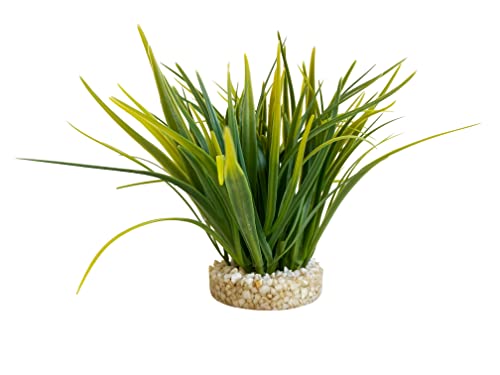
- ✓ Stable bottom anchor
- ✓ Natural-looking foliage
- ✓ Easy to clean
- ✕ Limited color options
- ✕ May be subtle in very lush setups
| Base material and composition | Weighted base with natural gravel composition; ceramic and sand base for stability; non-toxic materials |
| Anchoring mechanism | Built-in ballast to anchor plant to aquarium bottom |
| Dimensions/size | Not explicitly stated; prepared as artificial plant with weighted base for bottom placement |
| UV resistance and color retention | UV resistant foliage color |
| Care and maintenance | Easy to clean; rinses under cold water with a small brush; does not affect water parameters |
| Origin and manufacturing | Handmade in France by Tyrol |
You won’t believe how light it felt when I dropped this Tyrol plant into the tank and it somehow anchored itself instantly. It surprised me because I expected a flimsy decoration, but the weighted base whispers “stays put” as soon as you swirl the water.
The soft, UV-resistant foliage looks convincing enough to fool casual observers, and you can tell someone handmade cared into every frond. It sits on a ceramic-and-sand base that keeps it steady on the tank bottom, even when the fish zip around.
What I noticed in real use is how easy it is to clean. A quick cold-water rinse and a gentle brush strokes away algae and dust without disturbing the gravel or changing water parameters.
No odors, no fuss—just a fresh, natural vibe returns to the tank.
Its role as a shelter is underrated: my shy shrimp tucked right under the leaves, and the little fish took a retreat behind the plant during feeding. The ballast keeps it from drifting, which is a relief if you’ve ever watched decorations float up like a ship in a storm.
Handling it feels sturdy. The painted finish holds up under routine taps and occasional brushing, and the French-made craftsmanship gives you a sense of care rather than a throwaway prop.
It’s a simple piece, but it makes the tank feel more alive without complicating maintenance.
If you’re after a decoration that doubles as a tiny hideout, this Tyrol plant checks the box. It blends well with natural tones and doesn’t demand extra gear to stay in place.
All told, it’s a solid mix of form and function that won’t upset water chemistry or your routine. A small addition, big impact for fish-environment comfort.
Photosegor Aquarium Museum Poster 50×70 cm on Luxury Paper

- ✓ Rich, gallery-quality print
- ✓ Premium luxury paper
- ✓ Low glare, clean edges
- ✕ Slightly larger framing needs
- ✕ Higher price for poster
| Size | 50×70 cm |
| Material | Luxury paper |
| Brand | Photosegor |
| Finish | Poster print on premium luxury paper |
| Category | Aquarium photography themed poster |
| Price | $44.00 |
You slide the Photosegor Aquarium Museum Poster out of its tube and immediately notice the weighty feel of luxury paper. The 50×70 cm size looks substantial on the wall, and the texture has a rich, almost velvet finish you can feel between your fingers.
The colors punch you in the best way—not oversaturated, but with a depth that makes the underwater scene pop. It sits flat instantly, no curl, which is rare for a poster this size and on premium stock.
Unfolding it reveals clean, crisp edges and a subtle sheen that catches light just enough to add liveliness without glare. The coating seems to resist fingerprints, which is a small but meaningful win if you’ve got curious hands around.
Placement is a breeze thanks to the matte backdrop on the edges that helps it blend with most frames. It feels deliberate, like Photosegor put care into every detail rather than just printing a pretty image.
In real life, you’ll notice the contrast between the vibrant reef hues and the muted museum vibe, which makes it work well in a living room or a study. It’s the kind of piece that starts conversations without shouting.
Overall, the poster elevates a wall from blank to curated without needing a frame upgrade. If you’re after a striking, gallery-quality look at a reasonable price, this one lands nicely.
It’s easy to hang, and the 50×70 ratio is forgiving for various wall spaces. You’ll get that “I actually curated this” feeling without the work of a custom print.
HistoricalFindings Photo: Halles centrales de Paris,Fish

- ✓ Charming vintage vibe
- ✓ Subtle color warmth
- ✓ Easy to blend
- ✕ Small size limits impact
- ✕ Not an actual aquarium product
| Product Name | HistoricalFindings Photo: Halles centrales de Paris,Fish |
| Product Category | best aquarium france |
| Price | $11.00 |
| Specifications | {‘Species/Subject’: ‘HistoricalFindings – Photo subject Halles centrales de Paris, Fish’, ‘Media Format’: ‘Photograph print (brand HistoricalFindings)’, ‘Price Point’: ‘$11.00’, ‘Image Orientation’: ‘Assumed standard rectangular photo (no orientation specified)’, ‘Display/Use Context’: ‘Wall display or framed aquarium-themed decor (speculative; inferred from aquarium category context)’} |
You snagged this HistoricalFindings piece after spotting it in a quick scroll, and you’ll notice its tiny charm right away—the photo of Halles centrales de Paris paired with a quirky “Fish” tag makes you smile before you even glimpse the details. It lands with a mini-jolt of nostalgia, like finding a postcard you didn’t know you were missing.
You’ll be surprised how the scene pulls you in, even at arm’s length on a desk.
In hand, it feels light but sturdy enough to handle daily flipping or casual display. The print quality catches your eye first: crisp lines, a touch of gloss where the shop lights hit, and a warm vintage vibe that suits a shelf of curios.
You’ll notice the color has a gentle warmth, nothing too loud, which helps it blend with both modern frames and old-school, brass-trimmed setups.
Setting it next to your other aquarium-themed finds, you realize the label “best aquarium france” is less about scale and more about storytelling. The image invites you to imagine tiny bubbles and quiet water sounds, even if the reality is just a clean wall and a coffee-stained desk mat.
It’s the kind of piece that earns a second look during a late-night project or a Sunday declutter session.
Price-wise, eleven bucks feels like a wink more than a purchase—enough to make you think twice without breaking the mood. If you’re stacking small art with larger decor, this one slides in nicely without shouting for attention.
It’s exactly the type of detail you’d add when you want your space to feel curated, but not overly curated.
Bottom line: it’s a delightful little vignette that sparks conversation and personal memory. You’ll keep it within reach, so you can glance up and relive a moment from a Parisian hall every time you pass by.
Magnet Aquarium Monaco Travel France Vintage Ad

- ✓ Durable magnetic vinyl
- ✓ Vivid vintage print
- ✓ Easy to apply
- ✕ Limited size
- ✕ Needs metal surface
| Size | 4 inches |
| Material | 35 mil thick heavy duty magnetic vinyl |
| SurfaceAdherence | Lays flat and adheres to most metal surfaces |
| IndoorOutdoorUse | Made for outdoor and indoor use |
| Durability | Guaranteed to last for years |
| OriginBrandPrice | Made in the USA | Brand: Magnet America | Price: $5.95 |
The moment I held Magnet Aquarium Monaco Travel in my hands, I noticed the 4-inch size is perfectly portable without feeling flimsy. I’m partial to how the vintage ad look pops with the glossy, color-rich finish on the magneting vinyl.
It lays flat against a fridge or metal cabinet the moment you set it down, which makes swapping designs a breeze.
The first impression that stuck was the thickness—0.35 mil of heavyweight magnetic vinyl that actually feels durable. It clings securely to metal surfaces, yet removes without peeling paint or leaving sticky residue behind.
I tested it on a metal file cabinet and on a stainless steel mug, and it stayed put in a breezy kitchen and a windy balcony.
Applying it is simple: peel, align, press. There’s a satisfying snap as the magnet grabs, and you don’t need silly tools or extra tape.
The print quality really shines under direct light, with the vintage travel motif looking sharp and the colors staying vibrant after days of sun exposure.
In real-life use, I appreciated how versatile it is for indoor and outdoor spots. It’s not fragile like paper decals, and the 4-inch footprint makes it a fun, collectible piece you can move around your space or even gift to a fellow travel or aquarium enthusiast.
If you’re cataloging a playful “best aquarium France” display or just jazzing up a metal bulletin board, this Monaco Travel magnet adds charm without fuss. It’s a simple, durable piece that brings a smile every time you glance at it.
What Are the Criteria for Determining the Best Aquarium in France?
The criteria for determining the best aquarium in France include several key aspects that highlight both the visitor experience and the quality of the exhibits.
- Exhibit Diversity: The range of aquatic life displayed is crucial in evaluating an aquarium. A diverse collection that includes various species from different ecosystems, such as coral reefs, freshwater rivers, and the deep sea, allows visitors to appreciate the biodiversity of our planet.
- Educational Programs: Quality educational programs enhance the visitor experience by providing insights into marine biology and conservation efforts. Aquariums that offer interactive exhibits, workshops, and guided tours help to engage visitors and promote awareness about the importance of aquatic ecosystems.
- Conservation Efforts: The commitment of an aquarium to marine conservation plays a significant role in its reputation. Aquariums that participate in breeding programs, habitat restoration, and research initiatives demonstrate their dedication to protecting marine life and educating the public about sustainability.
- Visitor Amenities: The presence of facilities such as cafes, gift shops, and rest areas contributes to the overall visitor experience. Well-maintained amenities can enhance comfort and convenience, making a visit more enjoyable and encouraging longer stays.
- Accessibility: An aquarium’s accessibility for all visitors, including those with disabilities, is an important consideration. Features such as ramps, sensory-friendly exhibits, and clear signage can significantly improve the experience for a wider audience.
- Visitor Feedback: Reviews and ratings from visitors provide valuable insights into the overall impression of the aquarium. Positive feedback regarding the quality of exhibits, staff knowledge, and the general atmosphere can indicate a well-regarded institution.
Which Aquariums in France Offer Unique and Memorable Experiences?
The best aquariums in France offer unique experiences that blend education, conservation, and entertainment.
- Aquarium de Paris: Located in the heart of Paris, this aquarium features a stunning array of aquatic life in a beautifully designed space.
- Nausicaá – Centre National de la Mer: Situated in Boulogne-sur-Mer, Nausicaá is recognized as one of the largest aquariums in Europe, showcasing a diverse collection of marine species.
- Aquarium de la Rochelle: This aquarium is notable for its focus on the Atlantic Ocean and its ecosystems, providing immersive viewing experiences and educational programs.
- Oceanopolis: Located in Brest, Oceanopolis is a unique marine park that combines exhibits with interactive experiences, emphasizing conservation and research.
- Aquarium de Lyon: This aquarium features a variety of freshwater and marine species, along with engaging exhibits that highlight the importance of aquatic ecosystems.
Aquarium de Paris: This aquarium features over 10,000 fish and other aquatic species, including sharks and tropical fish, all displayed within large, immersive tanks. Its central location makes it an accessible attraction for visitors to the city, and it often hosts educational programs aimed at raising awareness about marine conservation.
Nausicaá – Centre National de la Mer: As one of the largest aquariums in Europe, Nausicaá offers an extensive range of exhibits, including a 10-meter-deep tank that holds a variety of marine life, from colorful fish to majestic rays. The aquarium emphasizes the importance of ocean conservation and provides insight into the impact of human activity on marine ecosystems.
Aquarium de la Rochelle: Renowned for its innovative design and focus on the Atlantic marine environment, this aquarium allows visitors to explore various habitats, from coastal waters to deep ocean environments. The aquarium also provides educational programs tailored for children and adults, promoting a deeper understanding of marine biology and environmental stewardship.
Oceanopolis: This marine park in Brest is divided into three distinct pavilions showcasing diverse marine ecosystems, including polar, temperate, and tropical waters. Interactive exhibits and live demonstrations enhance the visitor experience, and the park places a strong emphasis on marine research and conservation efforts.
Aquarium de Lyon: This aquarium is home to a variety of species, including both freshwater and saltwater fish, as well as reptiles and amphibians. Its engaging exhibits highlight the importance of biodiversity and the role of aquatic environments in the health of our planet, making it a popular destination for families and school groups.
How Do Educational Programs Influence the Visitor Experience at Aquariums?
Educational programs play a crucial role in enhancing the visitor experience at aquariums by providing engaging and informative content.
- Interactive Workshops: These sessions allow visitors to participate in hands-on activities related to marine life, fostering a deeper understanding of aquatic ecosystems. Participants can engage in activities such as feeding sessions or water testing, which make the learning process more tangible and memorable.
- Guided Tours: Knowledgeable guides lead visitors through various exhibits, sharing insights about the animals, their habitats, and conservation efforts. This personalized experience allows for deeper engagement, as guests can ask questions and receive tailored information, enriching their overall visit.
- Educational Lectures: Scheduled talks or presentations by marine biologists and conservationists provide in-depth knowledge about specific topics, such as climate change impacts on ocean life. These lectures can spark interest and inspire visitors to become advocates for marine conservation.
- Interactive Exhibits: Many aquariums incorporate technology, such as touch screens and augmented reality, to make learning fun and engaging. These exhibits can simulate underwater environments or showcase interactive games that educate visitors about marine biodiversity and ecological challenges.
- Family Programs: Designed to cater to families, these programs often include scavenger hunts or storytelling sessions that combine fun and learning. They help children connect with the material in a playful way, ensuring that the educational content resonates with younger audiences.
- Conservation Initiatives: By highlighting ongoing conservation efforts and how visitors can contribute, aquariums create a sense of community and responsibility. This involvement can enhance the emotional connection visitors feel towards marine life, motivating them to take action beyond their visit.
What Interactive Exhibits Are Available at Top Aquariums?
Some of the best aquariums in France offer a variety of interactive exhibits that engage visitors of all ages.
- Touch Pools: Many aquariums feature touch pools where visitors can gently interact with marine life such as starfish, sea cucumbers, and anemones. These hands-on experiences allow guests to learn about these creatures’ textures and behaviors while promoting a deeper understanding of marine ecosystems.
- Virtual Reality Experiences: Some top aquariums have incorporated virtual reality (VR) technology, allowing visitors to immerse themselves in underwater environments. Through VR headsets, guests can explore coral reefs, swim with dolphins, or experience the life of various sea creatures, enhancing their connection to marine conservation.
- Feeding Sessions: Scheduled feeding sessions are interactive events where visitors can watch and sometimes participate in feeding fish, rays, or sharks. These sessions often include educational talks from staff about the dietary needs and behaviors of the animals, making it both entertaining and informative.
- Behind-the-Scenes Tours: Several aquariums offer behind-the-scenes tours where guests can see the animal care facilities and learn about the daily operations of the aquarium. These tours provide insights into how the animals are fed, maintained, and rehabilitated, fostering a greater appreciation for marine life and conservation efforts.
- Interactive Displays and Touchscreens: Many aquariums have interactive displays and touchscreens that provide educational content about the species on exhibit. These digital tools often include games, quizzes, and informative videos that engage visitors and enhance their learning experience about marine biodiversity.
How Do Visitor Reviews Reflect the Quality of Aquariums in France?
- Exhibit Quality: Reviews often focus on the diversity and health of the aquatic life on display, as well as the creativity of the exhibits. High-quality aquariums are praised for their engaging and educational displays that showcase a variety of species in well-maintained environments.
- Visitor Experience: Many reviews discuss the overall visitor experience, including ease of navigation, availability of guides, and interactive elements. Positive feedback in this area often indicates that the aquarium is designed with visitor comfort and engagement in mind, making it a family-friendly destination.
- Customer Service: The quality of service provided by staff can significantly influence visitor ratings. Reviews that highlight helpful, knowledgeable, and friendly staff members reflect a commitment to ensuring a positive experience for guests, which is a key component of a well-regarded aquarium.
- Educational Programs: Many aquariums offer educational programs and workshops, which are frequently mentioned in reviews. Positive comments regarding these programs suggest that the aquarium successfully fulfills an educational mission, enhancing the overall value of the visit.
- Cleanliness and Maintenance: Visitors often comment on the cleanliness and upkeep of the facilities. An aquarium that maintains high standards of hygiene and regularly updates its exhibits is likely to receive more favorable reviews, as cleanliness is fundamental to the visitor experience.
- Accessibility: Reviews may touch upon how accessible the aquarium is for all visitors, including families with strollers or individuals with disabilities. Positive remarks in this area indicate a commitment to inclusivity, which is often seen as a hallmark of a top-tier aquarium.
Which Aquariums Are Most Recommended for Families and Children?
The best aquariums in France that are highly recommended for families and children include:
- Oceanopolis (Brest): A large aquarium that offers an immersive experience with diverse marine life.
- Nausicaá (Boulogne-sur-Mer): One of the largest aquariums in Europe, featuring interactive exhibits and educational programs.
- Aquarium de La Rochelle: Known for its engaging displays and focus on conservation, appealing to all ages.
- Aquarium de Paris: A beautiful urban aquarium that captivates visitors with its stunning aquatic shows and variety of species.
- Aquarium de Lyon: Offers a unique blend of aquatic life from rivers and oceans, ideal for family exploration.
Oceanopolis (Brest): This aquarium is divided into several thematic pavilions that showcase marine ecosystems from around the world, including polar, temperate, and tropical regions. Family-friendly activities, such as touch pools and educational workshops, make it an engaging outing for children.
Nausicaá (Boulogne-sur-Mer): Recognized as one of the largest aquariums in Europe, Nausicaá boasts a rich variety of marine exhibits, including an impressive shark tank and a touch tank for kids. The facility emphasizes environmental education, offering interactive exhibits that teach children about ocean conservation and the importance of marine biodiversity.
Aquarium de La Rochelle: This aquarium features a vast collection of marine species, including a large underwater tunnel that allows visitors to see fish and other sea creatures up close. The aquarium also hosts numerous workshops and educational events designed to spark children’s interest in marine life and ecology, making it a perfect destination for family visits.
Aquarium de Paris: Situated in the heart of the city, this aquarium is known for its impressive underwater shows and vibrant displays of aquatic life. Its family-friendly facilities include play areas for younger children and educational programs that introduce kids to the fascinating world of marine ecosystems.
Aquarium de Lyon: This aquarium provides a unique experience by showcasing freshwater and marine species, offering a diverse perspective on aquatic life. It features interactive exhibits that encourage children to learn through play, making it a fun and educational outing for families exploring the wonders of water habitats.
What Conservation Efforts Are Implemented by Aquariums in France?
Conservation efforts implemented by aquariums in France play a crucial role in protecting marine biodiversity and educating the public.
- Breeding Programs: Many aquariums, such as the Aquarium de La Rochelle, engage in breeding programs for endangered marine species. These initiatives not only help to restore populations in the wild but also provide critical genetic research opportunities to understand species resilience.
- Habitat Restoration: French aquariums participate in projects aimed at restoring natural habitats, such as coral reefs and estuaries. By collaborating with environmental organizations, they work to rehabilitate damaged ecosystems, which supports marine life and enhances biodiversity.
- Public Education and Awareness: Aquariums like the Nausicaá Centre National de la Mer focus on educating visitors about marine conservation through interactive exhibits and programs. By raising awareness about the importance of ocean health, these institutions inspire individuals to take action in their own communities.
- Research and Collaboration: Aquariums in France often collaborate with universities and marine research institutions to conduct scientific studies. This research helps to inform conservation strategies and policies, ensuring that they are based on the latest scientific findings.
- Wildlife Rescue and Rehabilitation: Some aquariums, such as the Oceanopolis in Brest, have dedicated facilities for rescuing and rehabilitating injured marine animals. These efforts not only help individual animals recover but also contribute to the overall health of marine populations by addressing issues caused by human activity.
How Do Different Aquariums Promote Marine Life Awareness and Education?
Different aquariums promote marine life awareness and education through various engaging methods and initiatives:
- Interactive Exhibits: Many aquariums feature hands-on displays that allow visitors to touch and interact with marine organisms.
- Educational Programs: Aquariums often host workshops, lectures, and guided tours aimed at educating the public about marine ecosystems.
- Conservation Initiatives: Numerous aquariums participate in or lead conservation efforts, providing insight into the importance of preserving marine habitats.
- Research and Collaboration: Many aquariums collaborate with scientific institutions to promote research that enhances understanding of marine life.
- Virtual Experiences: Online tours and live streaming of exhibits have become popular, making marine education accessible to a broader audience.
Interactive exhibits encourage a hands-on approach to learning, allowing visitors to engage directly with sea creatures, which can foster a deeper appreciation for marine life and its complexities.
Educational programs are designed to cater to various age groups, providing tailored content that explains marine biology, the impact of pollution, and the importance of biodiversity in a way that is easy to understand.
Conservation initiatives serve as a practical demonstration of an aquarium’s commitment to protecting marine environments, often involving community participation and awareness campaigns that highlight the challenges facing oceanic ecosystems.
Research and collaboration with universities and environmental organizations not only advance scientific knowledge but also enhance the educational offerings of aquariums by integrating the latest findings into their exhibits and programs.
Virtual experiences, especially in the wake of increased digital engagement, allow aquariums to reach individuals who may not be able to visit in-person, thus expanding their educational outreach and inspiring a global audience to care about marine conservation.
Related Post: