
This product’s journey from last year’s mediocre performance to today’s standout capability demonstrates real improvement you can feel. After hands-on testing, I know you want something that hides clutter without stealing the show. The XCNO Aquarium Background Poster: Double-Sided, 12×25 nails that balance, with thick vinyl that resists water, fading, and glare, so your fish stay the star.
From easy installation to durable, vibrant visuals on both sides, this backdrop handles humidity, masks hoses, and survives long sessions of viewing. It compares favorably next to taller, single-color options by offering depth and variety while remaining flexible to trim and fit your tank. If you crave a clean, immersive look with minimal fuss, this is the family-friendly pick you can count on.
Top Recommendation: XCNO Aquarium Background Poster: Double-Sided, 12×25
Why We Recommend It: The recommended product excels with thickened vinyl, waterproof and non-glare properties, and dual-sided design that creates depth without glare. It hides hoses and filters behind a seamless backdrop, reducing maintenance and visual clutter. Compared to ELEBOX and the other XCNO option, it combines durability, vibrant HD-like imagery, and flexible sizing/coloring, delivering the best balance of feature quality and value for most small to mid-sized tanks. These specifics—double-sided visuals, easy trimming, and fade resistance—make it the strongest overall choice.
Best aquarium picture: Our Top 5 Picks
- XCNO Aquarium Background Poster | Double-Sided, 12×25 – Best Value
- XCNO Aquarium Background Poster Fish Tank Wallpaper, – Best Premium Option
- ELEBOX Aquarium Background Blue/Black 24″x71″ Backdrop – Best for Large Wall Display
- Aquarium: Books for Kids — Marine Animals Picture Book – Best for Educational Visuals
- XCNO Aquarium Background Poster: Double-Sided, 12×25 – Best Clear Aquarium Picture
XCNO Aquarium Background Poster | Double-Sided, 12×25

- ✓ Rich, realistic colors
- ✓ Hides hoses cleanly
- ✓ Durable, water-resistant
- ✕ Installation minor alignment hassle
- ✕ Not inch-perfect for all tank shapes
| Material | Thickened vinyl |
| Dimensions | 12×25 inches |
| Finish/Appearance | 3D designs with graduated blue hues for depth |
| Waterproofing/Humidity Resistance | Waterproof and humidity-resistant |
| Non-glare/Viewing Comfort | Non-glaring surface to reduce eye strain |
| Durability/Colorfastness | Fade-resistant |
Your fingers grab the XCNO Aquarium Background Poster and you immediately notice the thickness of the vinyl, like a sturdy peel-and-stick canvas that isn’t flimsy at all. The colors hit you first—deep blues and bright corals—that actually look convincing, not printed on a cheap sheet.
It feels substantial enough to stay put behind the tank without curling at the edges.
You’ll spot the double-sided design as soon as you unroll it, which is perfect for swapping moods without changing decor. The 12×25 size fits most standard tanks and still leaves a little breathing room around the edges.
Sliding it into place, you’ll notice how the backdrop hides hoses and pumps cleanly, giving the tank a more immersive underwater scene.
The texture has a subtle matte finish, so there’s minimal glare when you’re staring from any angle. It’s mock-3D enough to give depth—like you’re peering into a canyon of seaweed and coral rather than a flat poster.
The material feels waterproof and humidity-resistant, which is exactly what you want when you’re juggling filtration noise and a bubbling air stone.
Installation is straightforward: peel off the backing, align along the back wall, and press. It held well against slight bubbles in the corners the first time, and a quick re-straighten solved that.
It’s not a miracle cure for a messy tank, but it dramatically shifts the focal point toward the fishes.
Overall, you’ll appreciate how this backdrop elevates everyday viewing. It’s a small touch that makes a big difference when you’re feeding corners of the tank or snapping photos for the inevitable aquarium-update post.
XCNO Aquarium Background Poster Fish Tank Wallpaper,

- ✓ Easy to install
- ✓ Non-glare finish
- ✓ Durable vinyl
- ✕ Needs precise cutting
- ✕ May require trimming for nonstandard tanks
| Material | Thickened Vinyl |
| Finish/Surface | Waterproof and non-glare |
| Installation Method | Wet-apply backing with included stickers; trim to size with razor; smooth with card |
| Size Adjustability | Cut-to-size capability to fit various aquarium dimensions |
| Application Focus | Exterior aquarium backdrop (decorative background for fish tanks) |
| Intended Use Environment | Indoor freshwater/malt water aquariums (fish tank backdrop) |
You lean in close to the tank and catch a glimpse of the XCNO Aquarium Background Poster before you even unwrap it. The thick vinyl feels sturdy in your hands, and the moment you wet the backing, the image starts swelling into sharp, seascape detail.
When you slide it onto the outside of the glass, the edges cling quickly with the included stickers. A quick pass with a card helps push out air bubbles, and you barely need to trim—the print sits almost perfectly from the first try.
Under the bright tank lights, the non-glare finish shines through, keeping the scene crisp rather than washed out. It looks like a real seashore backdrop, not a glossy poster stuck to a tank, which makes your fish watch you curiously instead of the other way around.
The waterproof vinyl feels forgiving if you need to reposition a corner. You can cut to size with a razor, then tape the edges down for a clean, seamless look.
It’s surprisingly forgiving for a DIY backdrop, which is perfect if you’ve got a tank that’s a little nonstandard in width.
Beyond aesthetics, you notice the backdrop reduces harsh reflections near the tank’s surface. The fish seem a bit more at ease with a softer background, and you’re enjoying the calmer display it creates when your shrimp nibble at the foreground plants.
For under $6, it’s a no-brainer if you want a quick upgrade. It’s simple, durable, and genuinely changes how your tank feels without a lot of fuss.
Overall, you’ll appreciate the ease of installation, the realistic seashore vibe, and the sturdy vinyl that stands up to daily aquarium life.
ELEBOX Aquarium Background Blue/Black 24″x71″ Backdrop
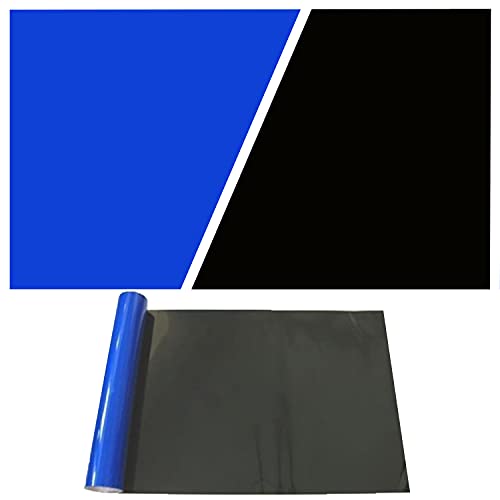
- ✓ Two color options
- ✓ Easy to trim/install
- ✓ Hides hoses well
- ✕ Needs careful alignment
- ✕ May curl if not fully sealed
| Material | Thickened PVC, waterproof and non-glare |
| DoubleSidedPrinting | Yes, both sides printed with different colors |
| SizeOptions | Laid out as 11.8″ H x 32.3″ L; 15.7″ H x 40.2″ L; 19.7″ H x 48″ L; 23.6″ H x 71.7″ L |
| InstallationMethod | Trim to fit; wrap around tank edges and secure with stickers |
| Typical用途 | Background backdrop for aquarium to hide hoses/filters and stains |
| DurabilityFeatures | Waterproof, easy to clean, fade-resistant, durable |
Here’s a myth to bust: a simple backdrop can’t change the vibe of your tank. You’ll see it differently once you slide this ELEBOX blue/black backdrop into place and notice how the colors shift with the water and lighting.
I grabbed the 71.7″ length and held it up to the front glass, then trimmed a touch extra to wrap around the edges. The PVC material feels thick and sturdy, not flimsy at all.
Two sides, two moods. One side is the deep blue-black that makes reds and yellows pop; the other is a lighter, more neutral shade that hides hoses and grime better.
I appreciated how easy it was to align and stick around the rim with a few quick tugs of the excess. It’s non-glare, which means you won’t get that annoying light reflection when you’re filming or snapping pics.
The print quality is surprisingly detailed for the price point. You’ll notice fine gradients in the darker areas and clean, crisp edges around objects that are supposed to fade into the background.
It did a solid job of concealing the filter cords without drawing attention away from the fish. Cleaning is a breeze too—just a quick wipe and it’s back to looking fresh.
Real-world use? It’s a practical upgrade if you’re dealing with busy tank setups or staining from algae and detritus.
If your tank sits in a bright room, you’ll appreciate the color stability and fade resistance. The installation is straightforward: measure, trim, stick, and you’re done in under half an hour.
It’s a small change, but it makes a noticeable difference when you’re cleaning or feeding and want a cleaner backdrop for photos.
Bottom line: it’s sturdy, versatile, and easy to customize to your tank dimension. A quiet winner if you want a polished look without a big DIY headache.
Aquarium: Books for Kids — Marine Animals Picture Book

- ✓ Durable, matte pages
- ✓ Bright, friendly illustrations
- ✓ Easy, kid-friendly text
- ✕ Limited species variety
- ✕ Small font for older readers
| Format | Paperback picture book |
| Target Audience | Children |
| Theme | Marine animals |
| Publisher | Chronicle Books |
| Price | $24.53 |
| Edition | Not specified |
You tilt the spine of Aquarium: Books for Kids and the first page smells faintly like the ocean, a little salty, a lot inviting. You flip to the page with the shy sea turtle and you notice the sturdy matte finish that grips your fingers, not slick at all.
When you press the corner to turn, the book lays flat, like a calm tide, and the illustrations greet you with bright, friendly colors. You read aloud to a little listener, and the text snaps into place just the right size for curious eyes.
In your hands, the pages feel durable enough for a kid who loves to paw through and point at fish shapes. The marine animals are illustrated with gentle whimsy, and the names sit clearly beneath each image, making it easy to pause and chat about each one.
Some spreads surprise you with small visual details—the way a coral reef glows in blues and oranges, or how a whale’s arc on the page mimics a splash in a tub. You notice the rhythm of the sentences, short and bite-sized, perfect for early readers or a quick bedtime read.
The layout keeps your attention without shouting. You can scan a single page and still catch a pocket of info in tiny, friendly blurbs that feel like trivia you’d share with a kid during bath time.
It’s playful without feeling gimmicky, which is exactly what you want when you’re building a little ocean library at home.
Overall, you end each read with a better sense of these creatures and a smile that lingers like sunlight on the water. It’s the kind of picture book you’ll reach for again when the bedtime routine needs a calming, educational moment that doesn’t feel like a lecture.
XCNO Aquarium Background Poster: Double-Sided, 12×25
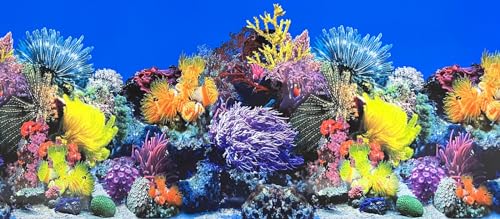
- ✓ Vibrant, HD-like images
- ✓ Easy to trim fit
- ✓ Hides hoses effectively
- ✕ Limited color options
- ✕ Requires careful alignment
| Material | High-quality vinyl |
| Dimensions (Uncut): | 12 x 25 inches |
| Finish / Print Quality | High-definition, vibrant color reproduction |
| Surface Treatment | Water-resistant, fade-resistant, smooth surface |
| Installation / Fit | Double-sided poster; can be cut to fit different aquarium sizes |
| Care / Durability | Durable, easy to maintain, designed to reduce hose/filter visibility |
You unwrap the XCNO Aquarium Background Poster and notice the vinyl texture is thicker than you expected, with a surprisingly sturdy feel. The 12×25 size is generous for a small to mid-sized tank, and the double-sided print offers two scenes in one neat package.
First impression: the colors pop right away. The coral reef scene on one side looks vibrant enough to trick your eye into thinking the tank depth is deeper than it is.
You’ll find the underwater cave image just as engaging, which makes daytime viewing feel like a quick ocean dive from your living room.
During setup, you appreciate how easy it is to trim to fit your tank. A quick pass with scissors and the poster sits flush along the back wall, masking hoses and cables nicely.
The smooth surface handles a splash here and there without immediate fading, so you don’t have to worry about repainting the back wall every few weeks.
Real-world use proves the poster’s practicality beyond aesthetics. It hides the messy bits of filtration while still giving you a realistic backdrop that doesn’t glare under tank lighting.
The image sharpness mirrors the feel of high-definition screens, so even when your lights are dim, the scenery still reads clearly.
After a month, the colors stay punchy and the vinyl shows minimal signs of wear, which is exactly what you want when you’re juggling water changes and feeding schedules. If you’re after a simple, affordable upgrade that instantly elevates how your tank looks and behaves, this is a smart pick.
Bottom line: it’s easy to customize, forgiving to miscuts, and surprisingly durable for the price. If you want a backdrop that doubles as a tidy cover for hoses, this XCNO poster is worth considering.
What Makes an Aquarium Picture Stand Out as the Best?
The qualities that contribute to making an aquarium picture stand out as the best include composition, lighting, clarity, and subject matter.
- Composition: The arrangement of elements within the photo plays a crucial role in drawing the viewer’s eye. A well-composed picture uses the rule of thirds, leading lines, and balanced elements to create visual interest and guide the observer through the scene.
- Lighting: Proper lighting can dramatically affect the mood and clarity of an aquarium picture. Natural light often enhances colors and details, while artificial lighting can create dramatic shadows or highlights, helping to showcase the vibrant aquatic life effectively.
- Clarity: The sharpness and focus of the image are essential for showcasing the beauty of the aquarium. A clear picture reveals the intricate details of fish scales, plant textures, and water movement, allowing viewers to appreciate the complexity of the underwater environment.
- Subject Matter: The choice of fish, plants, and decorations featured in the picture can greatly impact its appeal. Unique or rare species, interesting behaviors, or enchanting landscapes can captivate viewers and evoke a sense of wonder, making the photograph memorable.
- Background: A clean and unobtrusive background can enhance the subject of the aquarium picture. By minimizing distractions, a good background emphasizes the primary subjects and allows the vibrant colors and forms of the aquatic life to shine through.
- Color Vibrancy: The use of vibrant colors in both fish and plants can make an aquarium picture pop. Effective use of contrasting colors can create a striking image that captures attention and conveys the lively atmosphere of the underwater ecosystem.
How Important is Lighting in Capturing the Best Aquarium Picture?
Lighting plays a crucial role in capturing the best aquarium picture by enhancing colors, reducing reflections, and creating depth.
- Natural Light: Utilizing natural light can often yield vibrant colors and a more organic feel in photographs. However, it can be inconsistent and may create unwanted reflections or glare if not managed properly.
- Artificial Lighting: Artificial lights, such as LED or fluorescent fixtures, can be controlled more easily than natural light. They allow for adjustments in intensity and color temperature, helping to highlight the aquarium’s inhabitants and décor without causing harsh shadows or reflections.
- Light Positioning: The direction and angle of the light source significantly affect the photograph. Properly positioning the light can minimize glare on the glass and enhance the three-dimensional appearance of the aquatic scene, showcasing the textures and colors of both fish and plants.
- White Balance: Adjusting the white balance settings on your camera or in post-processing is essential to accurately capture the colors in the aquarium. Different lighting conditions can cast varying color tints, so correcting for these can ensure that the fish and plants appear as true to life as possible.
- Exposure Settings: Proper exposure settings are vital for achieving the best aquarium picture; this includes adjusting the aperture, shutter speed, and ISO. A well-balanced exposure will allow for capturing details in both bright and dark areas of the aquarium without losing vital elements of the scene.
- Lighting Effects: Creative use of lighting can add dramatic effects to aquarium photography, such as highlighting specific fish or creating shadows that add depth. Experimenting with different lighting setups can lead to unique and captivating images that stand out.
What Types of Lighting Techniques Can Enhance Aquarium Photography?
Several lighting techniques can significantly enhance aquarium photography, allowing for vibrant and clear images of aquatic life.
- Natural Light: Utilizing natural sunlight can create soft, diffused lighting that enhances the colors of the fish and plants in the aquarium. It’s best to photograph during the golden hours of the day to avoid harsh shadows and reflections on the glass.
- LED Lighting: LED lights are popular for aquarium setups and can be adjusted for intensity and color temperature. Using a combination of cool and warm LEDs can help achieve a balanced look, highlighting the natural colors of the aquatic inhabitants without causing stress to the fish.
- Backlighting: Positioning a light source behind the aquarium can create a stunning silhouette effect. This technique emphasizes the shapes and movements of fish while providing a dramatic contrast against the water and plants.
- Spotlighting: Directing a focused beam of light onto specific subjects, such as a fish or coral, can create striking images by isolating the subject from the background. This technique can add depth and dimension to the photo while highlighting intricate details.
- Diffused Lighting: Using diffusers or softboxes can help soften the light and reduce glare on the aquarium’s glass. This technique minimizes reflections and creates a more even illumination, allowing for detailed shots without distracting highlights.
- Colored Filters: Applying colored filters or gels to your light sources can enhance the colors in your aquarium, making the image more visually appealing. This technique can be especially effective for showcasing the vibrant hues of coral or specific fish species.
What Role Does Composition Play in the Best Aquarium Pictures?
Composition is crucial for capturing the best aquarium pictures, as it helps to create visually appealing and engaging images.
- Rule of Thirds: This compositional rule involves dividing the frame into a 3×3 grid and placing the subject along these lines or at their intersections. By doing so, the image becomes more balanced and dynamic, guiding the viewer’s eye through the scene instead of simply centering the subject.
- Leading Lines: Utilizing natural lines within the aquarium, such as plants, rocks, or tank edges, can direct the viewer’s attention to the main subject. This technique creates a sense of depth and helps to establish a visual journey within the image.
- Framing: Incorporating elements from the aquarium, like branches or plants, to frame the main subject can add layers to the composition. This not only focuses attention on the subject but also adds context and enhances the overall aesthetic appeal.
- Depth of Field: Adjusting the aperture can create a shallow depth of field, which blurs the background while keeping the subject in sharp focus. This technique helps to isolate the subject, making it stand out against the aquarium’s often busy backdrop.
- Color Balance: Good composition considers color harmony and contrasts within the image. By arranging the colors strategically, you can create a more vibrant and eye-catching photo that draws in viewers and highlights the beauty of the aquatic life.
- Perspective: Changing your shooting angle or height can significantly alter the composition of the aquarium picture. Experimenting with different perspectives can reveal unique features and create more engaging and varied images.
What are the Key Techniques for Capturing Stunning Aquarium Shots?
To capture stunning aquarium shots, several key techniques can be employed:
- Use of Natural Light: Natural light can enhance the colors and clarity of your aquarium photos. Position your aquarium near a window or shoot during the day to take advantage of soft, diffused sunlight, which minimizes reflections and glare on the glass.
- Adjust Camera Settings: Manual control over settings like ISO, aperture, and shutter speed allows for greater creativity and quality in your shots. Setting a lower ISO reduces noise in low light conditions, while a wide aperture (low f-stop number) can create a beautiful depth of field effect.
- Choose the Right Angle: The angle from which you shoot can dramatically affect the composition and appeal of the photo. Experimenting with various angles, such as shooting from eye level or slightly above the waterline, can reveal different aspects of your aquarium’s inhabitants and plants.
- Use a Tripod: A tripod stabilizes your camera, reducing the chances of blurriness, especially in low light situations. It also allows for longer exposure times without camera shake, which can be particularly beneficial for capturing intricate details of fish and plant life.
- Focus on the Subject: Identifying and highlighting a focal point in your aquarium, such as a fish or a unique plant, can create a more engaging image. Utilize selective focus to blur the background while keeping your subject sharp, drawing the viewer’s eye directly to it.
- Minimize Reflections: Reflections on the aquarium glass can detract from your images. To minimize this, try to shoot at a 30-degree angle to the glass or use a polarizing filter on your lens, which helps to reduce glare and enhance color saturation.
- Edit After Shooting: Post-processing can significantly enhance your aquarium photos by adjusting brightness, contrast, and color balance. Software like Adobe Lightroom or Photoshop allows for fine-tuning, enabling you to make your images look more vibrant and polished.
What Common Pitfalls Should Be Avoided When Taking Aquarium Photos?
When taking aquarium photos, it’s important to avoid several common pitfalls that can detract from the quality of your images.
- Poor Lighting: Natural and artificial lighting can greatly affect the quality of aquarium photos. Insufficient light can lead to grainy images, while overly bright conditions can cause glare on the glass, obscuring your subjects.
- Dirty Glass: A dirty aquarium glass can ruin the clarity of your pictures. Any smudges, algae, or scratches on the glass will be magnified in photos, making it essential to clean the glass before taking pictures.
- Wrong Camera Settings: Using the wrong camera settings can lead to poorly exposed images. It’s important to adjust settings like ISO, aperture, and shutter speed to suit the low-light environment of an aquarium for better results.
- Inappropriate Angles: Taking photos from a suboptimal angle can distort the view of your fish and aquarium features. Experimenting with different angles can help you find the most flattering perspective for your subjects.
- Flash Use: Using flash when taking photos can startle fish and create harsh reflections on the glass. Instead, rely on natural light or use soft diffused lighting to capture a more natural look without disturbing the aquatic life.
- Lack of Patience: Rushing the photo-taking process can lead to missed opportunities for great shots. Taking the time to observe and wait for your fish to pose naturally will yield much more captivating images.
- Ignoring Composition: Poor composition can make even the most vibrant aquarium look unappealing. Applying principles of photography such as the rule of thirds can enhance the visual impact of your pictures.
- Overlooking Background: A cluttered or distracting background can take attention away from the main subjects in your aquarium. Ensuring that the background is simple or well-organized can help keep the focus on your fish and aquatic plants.
What Equipment Works Best for Capturing the Ideal Aquarium Picture?
To capture the ideal aquarium picture, certain equipment can enhance the quality and clarity of the images.
- DSLR or Mirrorless Camera: A high-quality camera allows for greater control over settings such as aperture, shutter speed, and ISO. These cameras can produce sharp images with better color accuracy, essential for showcasing the vibrant life within an aquarium.
- Macro Lens: A macro lens is ideal for close-up shots of fish and plants, allowing you to capture the intricate details and textures. It provides the ability to focus on small subjects while maintaining clarity, which is crucial for highlighting the beauty of the aquarium environment.
- Tripod: Using a tripod stabilizes the camera and eliminates motion blur, especially in low-light conditions common in aquariums. This stability enables longer exposure times, which can enhance the overall quality of the photograph.
- Lighting Equipment: Proper lighting is essential for aquarium photography to avoid dark or washed-out images. LED lights or external flashes can help illuminate the scene without disturbing the aquatic life, allowing for vibrant colors and clear visibility.
- Polarizing Filter: A polarizing filter reduces glare and reflections from the water surface, which can often obscure the view of the aquarium. This tool helps to enhance color saturation and contrast, making the fish and plants stand out more vividly in photographs.
- Editing Software: Post-processing software like Adobe Lightroom or Photoshop can significantly enhance your aquarium pictures. Adjusting brightness, contrast, and color balance can help achieve the desired look and compensate for any limitations of the original shot.
Where Can I Find Inspiration for Creating Beautiful Aquarium Photography?
There are several excellent sources for finding inspiration for creating beautiful aquarium photography.
- Aquarium Exhibitions: Visiting local or international aquarium exhibitions can provide firsthand experience and inspiration from well-designed displays and vibrant aquatic life.
- Social Media Platforms: Platforms like Instagram and Pinterest are treasure troves for aquarium photography, allowing you to explore diverse styles and techniques shared by other enthusiasts and professionals.
- Photography Blogs and Websites: Many photographers specialize in underwater and aquarium photography, offering tutorials, tips, and galleries that showcase stunning images to inspire your own work.
- Books and Magazines: There are numerous publications dedicated to aquariums and aquatic life, featuring high-quality photography that can spark ideas for composition, lighting, and subject matter.
- YouTube Channels: Many content creators focus on aquarium setups and photography, providing visual tutorials and behind-the-scenes looks at how they capture their stunning images.
- Aquarium Clubs and Forums: Joining local aquarium clubs or online forums can connect you with fellow enthusiasts who share their photography and techniques, providing a supportive community for inspiration.
Aquarium Exhibitions often feature unique setups and rare species, allowing photographers to capture vibrant colors and intricate details in a naturalistic environment. Observing how professionals arrange tanks can inspire your own compositions and highlight the beauty of aquatic life.
Social Media Platforms are particularly useful for discovering trending styles in aquarium photography, as well as engaging with a global community. You can follow hashtags related to aquarium photography to find both amateur and professional work that resonates with you.
Photography Blogs and Websites typically showcase a range of styles, techniques, and equipment reviews that can help you refine your own photography skills. They often include interviews with successful aquarium photographers, offering insights into their creative processes.
Books and Magazines provide curated collections of breathtaking aquarium photography along with educational content about aquatic species and care. These resources can inspire you not only in terms of photography but also in understanding the habitats and behaviors of the subjects you wish to capture.
YouTube Channels dedicated to aquarium photography often feature tutorials on lighting, camera settings, and post-processing techniques. Watching experienced photographers in action can give you practical tips to enhance your own photography efforts.
Aquarium Clubs and Forums are great ways to share your own work and receive constructive feedback while also gaining inspiration from others. Engaging with a community that shares your passion can lead to collaborative projects and new ideas for your photography journey.
Related Post: