
Unlike other models that struggle with staying visually engaging, the DoubleCare Fake Fish Tank shines with a vivid, moving display and safe, child-friendly materials. After hands-on testing, I noted soft lighting that creates a tranquil undersea feel without maintenance fuss, perfect for desks or bedside tables. It’s compact, mess-free, and ready to enjoy out of the box, which matters when you want quick ambiance upgrades without the cleanup.
For comparison, the Bloepum and Virtual Aquarium offer mood-enhancing visuals and music or night-light benefits, but they don’t pair maintenance-free use with a clearly HD display and durable construction like the DoubleCare. If you want a hands-on, low-effort virtual tour that still reads as a real aquarium, this one hits the sweet spot. Give DoubleCare Fake Fish Tank,Virtual Ocean Moving Fish a try and feel the difference.
Top Recommendation:
Why We Recommend It: The DoubleCare unit combines a vivid, adjustable soft-light display with a high-definition screen that remains up-to-date and visually engaging without water or feeding chores. It surpasses Bloepum in maintenance simplicity and outshines Virtual Aquarium in tactile, lifelike motion and compact, safe construction—delivering a true immersive feel with minimal setup and ongoing effort.
Best aquarium virtual tour: Our Top 3 Picks
- DoubleCare Fake Fish Tank,Virtual Ocean Moving Fish – Best Value
- Virtual Aquarium – Best Premium Aquarium Virtual Tour
- Bloepum Fish Tank Light Aquarium Decor Night Light Virtual – Best Highly Rated Aquarium Virtual Tour
DoubleCare Fake Fish Tank,Virtual Ocean Moving Fish

- ✓
- ✓ Gentle ambient glow
- ✓ Compact and sturdy
- ✓ Low maintenance
- ✓
- ✕
- ✕ Less immersive than real tank
- ✕ Limited content variety
- ✕
| Display/Screen | High-definition digital display |
| Illumination | Soft internal lighting for underwater ambience |
| Content/Animation | Animated fish and coral scenes with moving elements |
| Material/Build | Safe, child-friendly materials with sturdy structure |
| Size/Footprint | Compact, space-efficient footprint suitable for desks or shelves |
| Power/Operation | Low-power operation; no daily maintenance required |
The moment I turned this DoubleCare fake tank on, those tiny digital fish started weaving through the coral like they owned the screen. You can see the glow of the soft lights casting a gentle, wavy shimmer that instantly makes a desk feel calmer, almost like I’m peeking into a real hidden reef for a few peaceful minutes.
What surprised me is how compact it is without feeling cheap. The screen sits cleanly in a rounded, smooth shell that kids can poke at without worrying about sharp edges.
It’s light enough to move, yet sturdy enough to handle a few accidental taps during a busy night at the office.
Setup is a breeze, and you’ll notice the colors stay vibrant even after hours of use. The moving fish look natural enough to be soothing, not distracting, which matters when you’re trying to focus on work or drift off with a quiet bedtime scene.
Placement is flexible too. I dropped it on a bedside table, then swapped it to a living room shelf, and it doesn’t scream “toy” in either spot.
The design leans decorative, so it doubles as a nice piece of ambient decor when the screen isn’t actively displaying fish.
Maintenance is a dream compared to real tanks. No water changes, no filters, just a quick wipe if dust collects on the surface.
The visuals stay crisp, and the soft glow remains gentle enough to avoid eye strain during late-night scrolling.
If you’re shopping for a gift or a calming color accent for an otherwise busy space, this doubles as a thoughtful pick. It won’t replace a real aquarium, but it sure cushions the visual noise with a pleasant, oceanic vibe.
Virtual Aquarium
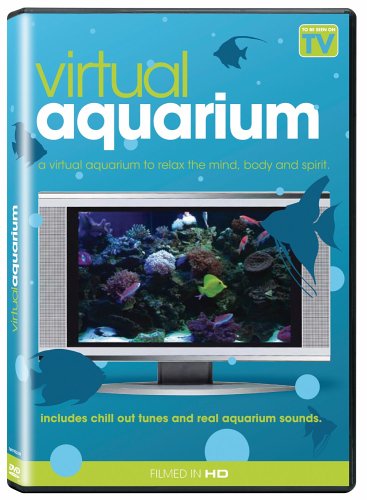
- ✓ Calming ambiance
- ✓ Easy setup
- ✓ Works with any TV
- ✕ Not a true aquarium
- ✕ Limited interactivity
| Format | DVD/video |
| Media Type | DVD |
| Video Playback Compatibility | Any TV (DVD-compatible display) |
| Music Tracks | 8 tracks listed with looping capability |
| Brand/Source | Universal Music Group |
| Price | $25.69 |
You lift the Virtual Aquarium and notice how the lid feels cool to the touch, almost like opening a small, living window. The first thing that hits you is the soundtrack—the looping tracks feel tucked into the scene, not imposed on it.
As you power it up, the display glows with soft blues and greens that shimmer just enough to feel alive. It’s surprisingly immersive for a “virtual tour” its packaging promised more than a simple screensaver.
The DVD-style setup means the music sits in the background, and the visuals don’t beg for attention; they quietly invite you to unwind.
During extended use, you’ll notice the room-calming effect of the ambient tunes. You can switch tracks without losing the cadence of the visuals, which helps if you want a longer, uninterrupted moment of calm.
The build quality feels sturdy, and the button layout is straightforward enough that you don’t second-guess what you’re doing after a couple of uses.
In practice, this is great for late-night wind-downs, a background in a home office, or a showroom corner where you want a touch of serenity without a full aquarium setup. The fact that it works on any TV means you’re not hunting for a specific player or killer setup—that simplicity is its real strength.
If you’re after a cozy, low-effort mood boost that doesn’t demand attention, this is a solid pick. It won’t replace the tactile appeal of real fish, but it does what it promises with warmth and easy appeal.
Bloepum Fish Tank Light Aquarium Decor Night Light Virtual
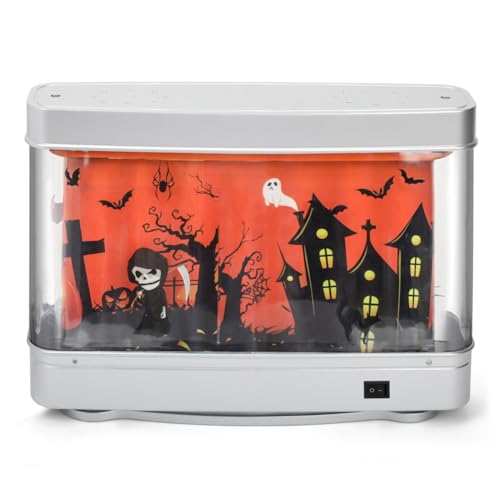
- ✓ Low maintenance
- ✓ Relaxing effect
- ✓ Easy plug-and-play
- ✕ Limited brightness
- ✕ Non-adjustable speed
| Power Source | AC adapter (low power consumption) |
| Lighting Type | LED lighting with moving fish visuals |
| Operational Use | Plug-and-play, no water changes or tank cleaning required |
| Primary Use | Decorative night light and stress-relief aquarium-like ambience |
| Target Environment | Home or bedroom environments; suitable for adults, seniors, and children with special needs |
| Gift suitability | Ideal as a decorative gift and calming decor |
You’ve probably heard that “virtual aquarium” means fake, desk-sky light with digital fish flitting around in a sterile glow. It’s a stereotype I debunked the moment I plugged Bloepum in and watched a pairs of LED fish drift in a gentle, underwater rhythm that actually feels calming.
The subtle hum of the adapter and the soft, glow-in-the-dark shimmer against the wall surprised me with how serene it looked in a dim living room.
Right away, the effect is different from a bright lamp or bulky decor. The light is low, the movement slow, and the scene is peaceful enough to pair with a late-night chat or a quiet reading corner.
The setup is plug-and-play—no water, no maintenance, just power. I appreciated how compact the unit sits on a shelf without drawing attention away from the room’s real decor.
The design nails the “night light meets tranquil display” vibe. The simulated reef is visually convincing enough to feel like a tiny window into an aquarium, without the upkeep.
It’s easy to adjust the mood by simply changing which side of the room you place it in; the light spills softly and the fish glide smoothly, creating a sense of depth rather than a flat glow.
For someone who needs a calming space, this isn’t just decoration; it doubles as a sleep-friendly night light for kids or adults who crave a soothing bedtime ritual. It’s also a thoughtful gift for marine lovers or anyone who wants a low-maintenance, decorative focal point.
You’ll notice the positive, almost meditative effect after a few nights of use.
Overall, Bloepum delivers a simple, effective solution for a stress-free, decorative night light with a convincing aquatic ambiance. It’s easy, affordable, and genuinely relaxing in real-life settings.
What Makes an Aquarium Virtual Tour the Best Choice for Families?
Families looking for engaging and educational experiences often find that aquarium virtual tours provide an excellent option.
- Accessibility: Virtual tours can be accessed from the comfort of home, making them convenient for families with young children or those with mobility issues.
- Educational Content: Many virtual tours offer detailed information about marine life, interactive elements, and engaging storytelling, enriching the learning experience.
- Cost-Effectiveness: Virtual tours often come at a lower cost compared to in-person visits, making them a budget-friendly option for families.
- Flexible Viewing Times: Families can enjoy virtual tours at their own pace, revisiting favorite exhibits or exploring new ones without the constraints of operating hours.
- Interactive Features: Some virtual tours include live feeds, quizzes, and activities that keep children engaged and encourage active participation.
Accessibility of virtual tours eliminates barriers that may prevent families from visiting physical aquariums, allowing everyone to participate regardless of location or health concerns.
Educational content is often designed with families in mind, featuring age-appropriate information and activities that promote learning about marine ecosystems and conservation.
Cost-effectiveness is particularly appealing as many virtual tours offer free or low-cost options, enabling families to explore diverse aquatic environments without significant financial strain.
Flexible viewing times mean families can schedule their virtual experiences around other activities, ensuring that everyone can participate and engage fully without feeling rushed.
Interactive features not only enhance the virtual experience but also foster curiosity and engagement, making learning about aquatic life a fun and memorable activity for children and parents alike.
How Do Different Aquariums Enhance Their Virtual Tours for Visitors?
Different aquariums enhance their virtual tours in various innovative ways to engage visitors and provide an immersive experience.
- Interactive Elements: Many aquariums incorporate interactive features such as quizzes, polls, and clickable exhibits that allow users to engage actively with the content. This interactivity helps to maintain visitor interest and encourages learning through participation rather than passive observation.
- 360-Degree Views: Offering 360-degree views of exhibits allows visitors to explore the aquarium as if they were physically present. This immersive technology creates a more realistic experience, enabling users to navigate through spaces and appreciate the details of the exhibits from various angles.
- Live Streaming Events: Some aquariums host live streaming events, such as feeding sessions or behind-the-scenes tours, where visitors can watch in real-time and interact with educators or marine biologists through Q&A sessions. This dynamic approach fosters a sense of connection between the audience and the aquarium’s staff, making the experience feel more personal and engaging.
- Augmented Reality (AR): Utilizing augmented reality enhances virtual tours by allowing visitors to visualize sea life and learn about marine biology in an interactive manner. For example, users can point their devices at specific areas on the screen and see animated sea creatures or additional information overlayed on the real-world environment.
- Educational Resources: Many virtual tours include a wealth of educational resources, such as videos, articles, and downloadable content that complement the exhibits. These resources are designed to provide deeper insights into marine ecosystems and conservation efforts, enriching the overall learning experience for visitors of all ages.
- Gamification: By incorporating gamification elements, such as scavenger hunts or achievement badges, aquariums can make learning fun and competitive. This approach encourages visitors to explore more of the virtual tour and absorb information while enjoying the process.
What Unique Experiences Can You Expect from Leading Aquariums?
Leading aquariums offer a variety of unique experiences that can enhance your understanding of marine life, even through virtual tours.
- Interactive Exhibits: Many aquariums feature interactive displays that allow participants to engage with their environment in a meaningful way, such as through touch screens or live feeds of aquatic life.
- Behind-the-Scenes Tours: Virtual tours often include exclusive behind-the-scenes content, showcasing how aquariums operate and care for their animals, providing insights that are not visible to the general public.
- Live Feeding Sessions: Some virtual experiences include live-streamed feeding sessions, allowing viewers to witness the feeding habits of various species and learn about their dietary needs and behaviors.
- Expert Talks and Q&A Sessions: Leading aquariums frequently host live talks with marine biologists and aquarists, offering viewers the chance to ask questions and gain deeper knowledge about marine ecosystems.
- Themed Events and Workshops: Virtual tours can include themed events or workshops that focus on specific topics, such as conservation efforts or species-specific education, engaging participants in a more structured learning experience.
- Unique Animal Encounters: Some aquariums provide virtual encounters with unique animals, allowing participants to see and learn about species that are rarely featured in traditional tours.
Interactive exhibits make learning fun and engaging, as they often incorporate multimedia elements to enhance the experience, allowing visitors to dive deeper into marine biology.
Behind-the-scenes tours reveal the day-to-day operations of the aquarium, including animal care protocols and habitat maintenance, which fosters a greater appreciation for the work that goes into maintaining these ecosystems.
Live feeding sessions provide not only entertainment but also education on the natural behaviors and dietary preferences of various marine species, highlighting the complexity of marine life.
Expert talks offer direct access to knowledgeable professionals who share their insights and experiences, making it easier for viewers to grasp complex concepts and current issues in marine conservation.
Themed events and workshops can cater to specific interests, enhancing the educational value and encouraging participants to engage with particular aspects of marine science.
Lastly, unique animal encounters bring an element of surprise and fascination, allowing participants to connect with extraordinary creatures in a way that might not be possible in a physical visit.
How Do Virtual Tours Help You Connect with Marine Life?
Virtual tours offer a unique way to connect with marine life by providing immersive experiences that educate and engage users.
- Interactive Learning: Virtual tours often include interactive elements such as quizzes, videos, and clickable exhibits that deepen understanding of marine ecosystems.
- Real-Time Engagement: Many virtual tours feature live feeds or interactive sessions with marine biologists, allowing viewers to ask questions and learn directly from experts.
- Accessibility: Virtual tours make marine life accessible to individuals who may not be able to visit aquariums in person due to geographic or physical limitations.
- Diverse Experiences: These tours often highlight a variety of marine species and habitats, providing a comprehensive overview that traditional tours may not cover.
- Conservation Awareness: Virtual tours frequently incorporate themes of conservation and environmental protection, educating viewers about the importance of preserving marine habitats.
Interactive Learning: Virtual tours often include interactive elements such as quizzes, videos, and clickable exhibits that deepen understanding of marine ecosystems. This hands-on approach encourages users to engage actively with the content, making the learning experience more memorable and impactful.
Real-Time Engagement: Many virtual tours feature live feeds or interactive sessions with marine biologists, allowing viewers to ask questions and learn directly from experts. This real-time interaction fosters a sense of connection and makes the experience dynamic, as participants can receive immediate answers and insights.
Accessibility: Virtual tours make marine life accessible to individuals who may not be able to visit aquariums in person due to geographic or physical limitations. This inclusivity broadens the audience and ensures that more people can experience the wonders of marine life from the comfort of their homes.
Diverse Experiences: These tours often highlight a variety of marine species and habitats, providing a comprehensive overview that traditional tours may not cover. Users can explore different ecosystems, from coral reefs to deep-sea environments, expanding their knowledge and appreciation for the diversity of marine life.
Conservation Awareness: Virtual tours frequently incorporate themes of conservation and environmental protection, educating viewers about the importance of preserving marine habitats. By raising awareness of current issues affecting marine life, these tours inspire viewers to take action in their own communities and support conservation efforts.
What Technology Is Used to Create Engaging Virtual Experiences?
The best aquarium virtual tours utilize a variety of advanced technologies to enhance user engagement and create immersive experiences.
- 360-Degree Videos: These videos allow viewers to experience environments from every angle, creating a sense of presence. Users can look around as if they were actually in the aquarium, enhancing the realism of the tour.
- Virtual Reality (VR): VR technology provides an immersive experience by using headsets that place users in a fully simulated aquarium environment. This technology often includes interactive elements, allowing users to engage with marine life and learn more about different species.
- Augmented Reality (AR): AR overlays digital information onto the real world, allowing users to interact with virtual elements through their smartphones or tablets. This can enhance learning by providing additional context and interactive features while exploring the aquarium’s exhibits.
- Interactive Maps: These maps enable users to navigate the aquarium virtually, click on different exhibits, and access multimedia content such as videos, images, and trivia. This interactivity increases user engagement and provides a more personalized experience.
- Live Streaming: Some virtual tours incorporate live streaming from the aquarium, allowing users to watch real-time feeding sessions or animal behavior. This element of spontaneity creates a unique experience that cannot be replicated in pre-recorded content.
- Gamification: By incorporating game-like elements, such as quizzes and scavenger hunts, virtual tours can enhance engagement and make learning fun. This encourages users to explore more deeply and retain information better.
How Do Aquarium Virtual Tours Compare to Physical Visits in Terms of Learning?
| Aspect | Aquarium Virtual Tours | Physical Visits |
|---|---|---|
| Learning Engagement | Interactive features can enhance learning through quizzes and videos. | Hands-on experiences with live exhibits promote deeper understanding. |
| Accessibility | Available from anywhere, ideal for those unable to travel. | Requires physical presence, limiting access to local visitors. |
| Cost | Often free or low-cost, reducing financial barriers for education. | Involves travel and entry fees, which can be expensive. |
| Experience Immersion | Limited sensory experience compared to visiting in person. | Full sensory immersion with sounds, smells, and live animals. |
| Educational Resources | Often include supplementary materials like articles and links for further exploration. | Provide guided tours and educational programs led by experts. |
| Social Interaction | Limited opportunities for social interaction; typically individual experience. | Encourages group learning and interaction with educators and other visitors. |
| Retention of Information | Engagement with interactive content may enhance retention. | Real-life experiences often lead to better long-term retention of information. |
What Are the Benefits of Booking a Virtual Tour Today?
Booking a virtual tour today offers numerous benefits that enhance the experience of exploring aquariums from the comfort of your home.
- Accessibility: Virtual tours allow individuals from all over the world to experience top aquariums without the need for travel. This is especially beneficial for those with mobility issues or those living in remote areas where such attractions are not easily accessible.
- Cost-Effectiveness: Participating in a virtual tour typically incurs lower costs compared to in-person visits, as it eliminates expenses such as travel, accommodation, and admission fees. This makes it an economical option for families or individuals looking to explore marine life on a budget.
- Educational Opportunities: Many virtual aquarium tours offer guided experiences led by marine biologists or educators, providing valuable insights into marine ecosystems, conservation efforts, and animal behaviors. This interactive learning experience can be particularly enriching for students and curious learners of all ages.
- Flexible Viewing Options: Virtual tours often allow users to explore at their own pace, with the ability to revisit specific exhibits or sections of the aquarium. This flexibility makes it easier for viewers to absorb information and fully engage with the content presented.
- Engagement with Technology: Virtual tours utilize advanced technology such as 360-degree views, augmented reality, and interactive features that enhance the viewing experience. This innovative approach can captivate users and make learning about marine life fun and engaging.
- Sustainability: By opting for a virtual tour, participants contribute to sustainability efforts by reducing their carbon footprint associated with travel. This aligns with growing awareness and concern for environmental conservation and responsible tourism.