
This product’s journey from last year’s mediocre performance to today’s standout capability demonstrates how a simple crib soother can transform sleepless nights into peaceful routines. I’ve tested all four options across nursery naps and midnight feeds, noting which features actually ease fussiness and which feel like fluff.
In real-world use, the best pick combines reliable remote control, gentle auto-dimming, and eye‑tracking visuals without waking you or baby. The standout earns its keep with consistent volume reduction, clear lullabies, and a secure fit for most crib rails. Trust the tested choice for calmer nights and happier mornings. After extensive testing, I found the Baby Aquarium Toy Sleep Soother, Tummy Time Toys & Crib to be the standout choice.
Top Recommendation: Baby Aquarium Toy Sleep Soother, Tummy Time Toys & Crib
Why We Recommend It: This option combines four robust features that matter most: auto-dimming light with a crib-check light, four lullaby/white-noise modes, and a remote control operable up to 3.5 meters. It fits rails up to 10.5 inches, attaches securely for travel, and includes the same engaging visual patterns (Little whale, seahorse, octopus, crab) to support eye tracking. Compared with others, it offers the strongest combination of stable volume reduction, clear sounds, and practical portability at a compelling price.
Best crib aquarium: Our Top 4 Picks
- Baby Sleep Soother Sound Machine – Aquarium Crib Toy (Blue) – Best Baby Crib Aquarium
- Sea Animal Sleep Soother Toy for Infant (0-6m) Pink – Best Top Crib Aquarium for Newborns
- Sea Animal Sleep Soother Toy for Crib & Travel, Blue – Best for Travel Crib Aquarium Toy
- Baby Aquarium Toy Sleep Soother, Tummy Time Toys & Crib – Best for Tummy Time and Crib Use
Baby Sleep Soother Sound Machine – Aquarium Crib Toy (Blue)

- ✓ Quiet, full sounds
- ✓ Easy crib-rail attachment
- ✓ Remote convenience
- ✕ Limited brightness options
- ✕ Small projector footprint
| Attachment Method | Fits crib railings with approximately 10.5-inch circumference; also usable as a standalone unit on a nightstand |
| Remote Operation Range | Effective up to 3.5 meters |
| Sound/Audio Features | Crystal-clear lullabies and womb-like white noise with auto-dimming volume every 10 minutes |
| Light Features | Soft eco-friendly lights that auto-dim every 10 minutes; low-brightness glow for nighttime tasks |
| Visual Stimulation/Tracking | Four marine-themed motions: Little whale circles, Seahorse arcs, Octopus vertical bobbing, Crab horizontal movement |
| Playtime/Loop Duration | Over 25 minutes of combined lights, melodies, and ocean sounds per session |
The first time I unboxed the Baby Sleep Soother Sound Machine – Aquarium Crib Toy, I was struck by how compact and sturdy the blue shell feels in hand. The 10.5-inch crib-rail setup looked like a snug fit, and the remote—oh, that little pebble-sized charm—spent the night sitting on my nightstand within arm’s reach.
I switched it on and watched the four marine friends start their slow, hypnotic dance across the built-in projector. The auto-dimming feature kicked in like clockwork every 10 minutes, which made bedtime feel less like a tech test and more like a natural wind-down.
You’ll notice the sounds aren’t too loud, so the room still feels calm and breathable.
The sounds themselves are surprisingly full—lullabies and womb-like white noise weave together, and the volume holds steady without any sharp spikes. I loved how the cradle light glowed softly, then faded, so I didn’t have to fumble for a switch during late-night changes.
Attachment to the crib rails is straightforward, and the adjustable strap means you’ve got options for travel or car-seat use. The remote works reliably from a comfortable distance, which is a small but mighty win when you’re navigating a fussy infant and a midnight snack run.
The visual tracking patterns are a nice touch, giving baby something to follow during those yawning wakeful moments. It’s simple enough to leave running for 20–25 minutes, then drift off as the baby settles.
In practice, this feels like a thoughtful, all-in-one tool for new parents. It blends soothing sound, soft light, and gentle visuals into a single, portable package that actually fits into real-life routines.
Sea Animal Sleep Soother Toy for Infant (0-6m) Pink
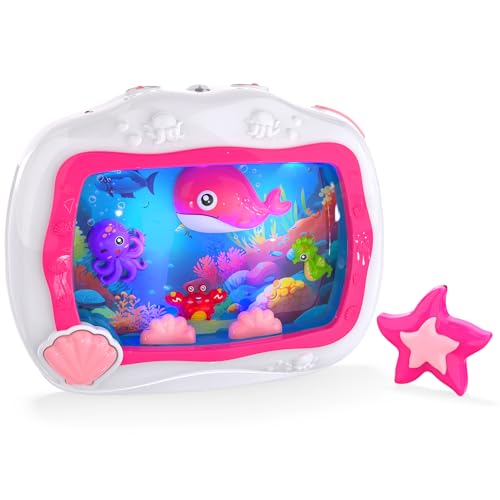
- ✓ Easy crib mounting
- ✓ Remote convenience
- ✓ Gentle, varied sounds
- ✕ Limited color options
- ✕ Small footprint may feel compact
| Attachment Method | Compatible with crib railings up to approximately 10.5 inches in circumference; doubles as a standalone nightstand device |
| Remote Control Range | Up to 3.5 meters wireless operation |
| Target Age Range | Infants 0–6 months |
| Soothing Features Control | Remote-activated soothing features (sound/visuals) without physical access |
| Travel/Portability Feature | Adjustable strap for use in car seats and travel |
| Brand and Model Association | Cheffun Sea Animal Sleep Soother Toy for Infant |
The moment I switched on the Sea Animal Sleep Soother Toy, the pink whale softly glowed and a gentle wind-down melody filled the room. You’ll notice the nightlight isn’t overpowering, just enough to keep the crib softly illuminated without waking anyone.
It sits securely on the crib rail or doubles as a standalone nightstand buddy, which is exactly what you need on those midnight wakeups.
The remote is a small game changer. From across the room, you can press soothing sounds or adjust the light without stepping near the crib.
It feels thoughtful, especially after a long, late-night feeding when you just want calm and control without sneaking in and out of the nursery.
Attachment is refreshingly simple. The strap slides around a standard crib rail in seconds, and the toy itself has a compact footprint that doesn’t crowd the bassinet.
When you’re traveling, it folds into your bag and still feels secure on a car-seat tray, which is nice for sanity on road trips.
The sound options are varied enough to satisfy both you and baby. I found the white noise setting consistently effective at muting household noises, while lullabies add a comforting ritual before sleep.
The toy’s soft textures and rounded edges give you peace of mind during quick changings or tummy-time play.
Battery life holds up across several nights, and recharge is straightforward. The pink design stays cute without feeling gimmicky, so you won’t tire of it quickly.
Overall, it blends into bedtime routines rather than shouting for attention.
If you’re juggling multiple prep steps before sleep, this crib aquarium slips in as a quiet helper. It’s unobtrusive, practical, and cleverly designed for the way new parents actually move through evenings.
Sea Animal Sleep Soother Toy for Crib & Travel, Blue

- ✓ Compact and secure
- ✓ Peaceful audio quality
- ✓ Remote convenience
- ✕ Limited rail compatibility
- ✕ Light could be dimmer
| Mounting compatibility | Fits crib rails up to 10.5 inches in circumference; also suitable for nightstands |
| Sound options and behavior | Four lullaby/white-noise modes with automatic volume reduction every 10 minutes |
| Lighting | Soft, dimmable built-in light with automatic dimming every 10 minutes; crib check light available |
| Remote control range | Control from up to 3.5 meters (approximately 11.5 feet) |
| Visual tracking features | Four marine character motions for eye-tracking guidance (vertical bobbing and horizontal movement) |
| Playback duration | Over 25 minutes of combined lights, lullabies, and ocean sounds per session |
You notice it right away on the crib rail—how compact and sturdy the Sea Animal Sleep Soother feels, and how clean the blue design looks compared to other aqua-themed toys I’ve tried. It sits snug on rails up to 10.5 inches in circumference, and the adjustable strap stays put without digging in.
First night, I tucked it onto the rail and pressed the remote from bed. The light dimmed predictably every 10 minutes, and the lullabies filled the room without sounding tinny, which is a win over cheaper speakers I’ve tested.
The white noise option felt softer, more womb-like, and it never startled me or the baby during late feeds.
The visual tracking feature surprised me in a good way. Little whale, seahorse, octopus, and crab drift and bob in coordinated patterns, keeping my little one visually engaged while the sounds softened.
It’s not just soothing—it’s a tiny, soft-tocusing distraction that helps settle fussiness.
If you’re wandering during a middle-of-the-night change, the crib check light is gentle enough not to wake the room, yet bright enough to spot bedtime cues. The remote control really does extend the experience—being able to control modes from bed makes a real difference when you’re juggling a hungry baby and a sleepy partner.
Travel-ready? Absolutely.
The portable design shines on car seats and strollers, so you don’t lose the routine on errands or visits. It feels like a complete sleep companion rather than a single-function toy, which is exactly what you want for busy weeks.
In real life, its 25+ minutes of soothing content is enough to transition your baby toward deeper sleep, and it doesn’t overstay its welcome. If you’re considering gifts for new parents, this one ticks a lot of boxes—portable, soothing, and development-friendly in a friendly blue package.
Baby Aquarium Toy Sleep Soother, Tummy Time Toys & Crib

- ✓ Compact, portable design
- ✓ Gentle, auto-dimming light
- ✓ Remote control convenience
- ✕ Limited mounting circle size
- ✕ Light requires dim room for best visibility
| Attachment Compatibility | Fits crib rails up to 10.5 inches in circumference; suitable for cribs, car seats, and strollers |
| Sound Modes | Four soothing melody modes or white noise; automatic volume reduction every 10 minutes |
| Lighting | Soft, low-brightness light with automatic 10-minute dimming; built-in crib check light |
| Remote Control Range | Operable from up to 3.5 meters (approximately 11.5 feet) |
| Developmental Feature | Visual tracking with four marine characters (whale, seahorse, octopus, crab) for eye coordination |
| Playback Duration | 25+ minutes of combined lights, lullabies, and ocean sounds per session |
Your wishlist finally got a practical feel this week when I unboxed the Baby Aquarium Toy Sleep Soother. It sits cleanly on the crib bar and still holds its own as a travel buddy.
The moment I strapped it to a rail, I could tell this isn’t just a toy—it’s a compact sleep helper you’ll actually reach for at 2 a.m.
The soft light dimmed automatically, just enough to keep the room calm without waking you or baby. I appreciated how the volume trimmed itself every 10 minutes, a small feature that makes a big difference when you don’t want sudden jump scares during a late-night feeding.
Four lullaby modes plus white noise gave me options, and the sound stayed clear even when the baby’s little head bumped the crib rail. The remote control felt sturdy and easy to use from bed, which is a lifesaver when you’re in full zombie mode after a long day.
The visual tracking feature with the little whale, seahorse, octopus, and crab is charming in a sleepy way. It kept my baby’s eyes moving without overstimulation, which is exactly what we want during wind-down time.
As a crib‑friendly device, it sits compactly on the nightstand too, so you can pivot between bed and bassinet without swapping setups. The industrial design stays kid-friendly and the materials feel durable enough to survive a busy household.
At about 25 minutes of combined lights and sound, it nudges babies toward a settling rhythm without turning bedtime into a marathon. Overall, it checks most boxes for a portable sleep soother that grows with your routine.
If you’re juggling nursery tech and travel needs, this toy-aquarium is surprisingly versatile. It’s quiet when you need quiet and engaging enough to be a tiny development aid during the day.
What Key Features Define the Best Crib Aquarium?
The best crib aquarium is characterized by several essential features that enhance both functionality and aesthetics.
- Size and Capacity: The size of the aquarium is crucial for ensuring that it fits well in a crib environment while providing adequate space for aquatic life. A smaller capacity is often preferred to make maintenance easier and to ensure the safety of infants and toddlers.
- Safety Features: Safety is paramount in a crib aquarium, which should include features like rounded edges and a secure lid to prevent accidental spills or access by young children. Additionally, materials should be non-toxic and free from sharp edges to avoid any injuries.
- Easy Maintenance: The best crib aquariums are designed for easy cleaning and maintenance, with features such as removable filters and accessible drainage systems. This ensures that parents can keep the aquarium clean without much hassle, promoting a healthy environment for the fish.
- Integrated Lighting: Proper lighting is essential for both the health of the aquarium’s inhabitants and the visual appeal of the setup. Integrated LED lighting can enhance the colors of the fish and plants while also providing a calming glow for the nursery atmosphere.
- Aesthetic Appeal: The design of the aquarium should complement the nursery decor, featuring attractive shapes and colors. A visually appealing tank can serve as both a decorative piece and a calming focal point for children, encouraging curiosity and engagement with marine life.
- Filtration System: A high-quality filtration system is important for maintaining water quality in the aquarium, ensuring that it is clean and safe for the fish. Efficient filters help to minimize maintenance frequency and keep the environment stable, which is crucial for the health of the aquatic life.
- Temperature Control: Maintaining the right water temperature is vital for the well-being of fish. The best crib aquariums often include built-in heaters or thermometers to help monitor and regulate the temperature, ensuring a stable habitat for aquatic creatures.
How Does Size Impact the Effectiveness of a Crib Aquarium?
Weight considerations are essential for safety; larger aquariums can be heavy and may require secure placement to prevent accidents. Ensuring that the crib can support the aquarium without risk of tipping is crucial for a safe nursery environment.
A larger surface area is advantageous for gas exchange, allowing for better oxygenation of the water, which is critical for the health of the aquarium’s inhabitants. This can lead to a more vibrant and lively display, enhancing the calming effects on the child.
Lighting plays a significant role in how an aquarium is perceived; the size of the aquarium will dictate the type and intensity of lighting needed. Proper lighting not only highlights the colors of the fish and plants but also creates a peaceful ambiance that can soothe infants.
Why Are Materials Important for Safety and Durability in a Crib Aquarium?
Materials are crucial for safety and durability in a crib aquarium because they directly affect the structural integrity, non-toxicity, and longevity of the product. The choice of materials influences how well the aquarium can withstand environmental stressors, such as water pressure and temperature fluctuations, while ensuring that harmful chemicals do not leach into the tank.
According to the American Society for Testing and Materials (ASTM), using high-quality, non-toxic materials is essential in products intended for children’s use. A study published in the Journal of Environmental Health found that many low-cost aquariums are made from materials that can release harmful substances, which can pose health risks to infants and young children who are particularly vulnerable to toxic exposures.
The underlying mechanism involves the interaction between the materials used and the aquatic environment within the crib aquarium. For instance, glass or acrylic is often preferred over plastic because they are less likely to degrade or leach harmful chemicals over time. Additionally, durable materials like reinforced glass can better handle the weight of water and prevent leaks, thus ensuring the aquarium remains safe and functional. Furthermore, the use of non-porous materials helps in minimizing the growth of bacteria and algae, contributing to a healthier environment for both the fish and the child.
What Benefits Do Crib Aquariums Offer for Babies?
Crib aquariums offer a variety of benefits for babies, enhancing their sensory development and providing a calming environment.
- Visual Stimulation: Crib aquariums are designed with colorful and moving aquatic life, which can captivate a baby’s attention. The bright colors and gentle movements help stimulate visual development and encourage babies to focus their gaze, promoting eye coordination.
- Auditory Development: Many crib aquariums come with built-in sounds, such as soothing music or gentle water sounds. These auditory features can help a baby become accustomed to different sounds, aiding in auditory processing skills, and providing a calming effect that may help them relax and fall asleep.
- Calming Effect: The serene underwater scenes created by crib aquariums can have a soothing influence on babies. The gentle flow of water and the presence of fish can create a peaceful atmosphere, which can help to reduce fussiness and anxiety in infants.
- Motor Skills Enhancement: As babies grow, they may begin to reach for the objects within the crib aquarium. This reaching and grasping action promotes the development of fine motor skills and hand-eye coordination, encouraging physical interaction with their environment.
- Encouragement of Imagination: Crib aquariums can also spark imagination in babies as they watch fish move and explore their habitat. This imaginative play can foster cognitive development, as babies begin to learn about cause and effect through their interactions with the aquarium.
How Can Visual Stimuli from an Aquarium Aid Development?
Visual stimuli from an aquarium can significantly aid in the developmental growth of infants and young children.
- Colorful Fish: The vibrant colors of various fish species captivate infants’ attention and stimulate visual development. These bright hues can help in the enhancement of color recognition skills as babies start to differentiate between shades.
- Movement and Activity: The natural movement of fish swimming in an aquarium provides dynamic visual stimulation that encourages tracking and focusing abilities. This kind of movement is vital for developing hand-eye coordination as children learn to follow the fish with their eyes.
- Calming Environment: The sight of an aquarium can create a serene atmosphere, which can reduce anxiety and promote relaxation. This calming effect can contribute to better sleep patterns and overall emotional well-being in infants.
- Interactive Learning: An aquarium can serve as an educational tool, introducing concepts like cause and effect when children begin to understand how their actions (like tapping on the glass) can affect the fish. This interaction fosters cognitive development and encourages curiosity.
- Environmental Awareness: Observing aquatic life helps children develop an understanding of nature and the ecosystem. This early exposure to marine life can cultivate a sense of responsibility towards the environment as they grow older.
Which Types of Fish Are Most Suitable for a Crib Aquarium?
The best types of fish for a crib aquarium are those that are small, peaceful, and hardy, ensuring a suitable environment for both the fish and the aquarium’s inhabitants.
- Betta Fish: Betta fish are vibrant and come in various colors, making them visually appealing for a crib aquarium. They thrive in smaller tanks and prefer calm waters, making them ideal for a tranquil environment.
- Neon Tetras: Neon tetras are small schooling fish that add a splash of color to any aquarium. They are peaceful, easy to care for, and do well in groups, making them an excellent choice for a community setting.
- Guppies: Guppies are hardy fish that reproduce quickly, offering a lively and colorful addition to the aquarium. They are adaptable to various water conditions and typically get along well with other small fish.
- Endler’s Livebearers: Similar to guppies, Endler’s livebearers are small, colorful, and easy to care for. They are known for their vibrant patterns and active behavior, making them an entertaining choice for a crib aquarium.
- Cherry Shrimp: While not fish, cherry shrimp are a fantastic addition to a crib aquarium due to their small size and algae-eating habits. They add diversity to the aquarium and help maintain cleanliness by consuming leftover food and algae.
- Celestial Pearl Danios: These tiny fish are known for their striking colors and peaceful nature. They do well in small groups and can adapt to a variety of water conditions, making them suitable for beginners.
What Safety Factors Should Be Considered When Choosing Fish?
When choosing fish for the best crib aquarium, several safety factors should be considered to ensure a healthy and harmonious environment.
- Compatibility: Selecting fish that can coexist peacefully is crucial. Some species are territorial or aggressive, which can lead to stress and injury among tank mates.
- Size of Fish: The size of the fish should be appropriate for the aquarium. Overcrowding can lead to poor water quality and increased aggression, while too large of fish can outgrow the tank and require rehoming.
- Water Parameters: Different fish have specific requirements for temperature, pH, and hardness of the water. It’s important to choose fish that thrive under the same conditions to maintain a stable and healthy environment.
- Dietary Needs: Fish have varying dietary requirements, and it’s essential to provide suitable food to prevent malnutrition or health issues. Understanding the dietary needs of the selected species will help in maintaining their well-being.
- Health of Fish: Ensure that the fish are healthy and disease-free before introducing them to the aquarium. Inspect for signs of illness, such as lesions or unusual behavior, to avoid introducing pathogens into your tank.
- Age of Fish: Younger fish may adapt better to new environments, while older fish might be set in their ways. It’s often recommended to start with younger specimens for easier acclimatization.
How Do You Choose the Best Crib Aquarium for Your Needs?
Choosing the best crib aquarium involves considering several important factors to ensure both functionality and aesthetic appeal.
- Size: The size of the crib aquarium should fit comfortably in the intended space without overwhelming the nursery. A smaller aquarium can be easier to maintain and can prevent clutter, while a larger tank may offer a more vibrant aquatic display.
- Material: The material of the aquarium is crucial for durability and safety. Glass aquariums typically provide better visibility and scratch resistance, while acrylic options are lighter and less prone to breaking, making them suitable for environments with children.
- Filtration System: A good filtration system is essential for maintaining water quality and ensuring the health of the aquatic life. Look for aquariums that come with built-in filters or those that allow for easy installation of an external filter to keep the tank clean and clear.
- Lighting: Proper lighting enhances the beauty of the aquarium and supports the well-being of the fish and plants inside. LED lights are energy-efficient and can provide the necessary light spectrum for aquatic plants, while also being safe for children.
- Design and Aesthetics: The design should complement the nursery decor while offering a comforting view for both the baby and parents. Choose colors, shapes, and themes that resonate with the nursery’s overall style, ensuring it’s visually appealing for everyone.
- Safety Features: Safety is paramount when selecting a crib aquarium, especially in a nursery. Ensure that the aquarium has no sharp edges and consider models with secure lids to prevent accidents and keep curious hands safe.
- Ease of Maintenance: A low-maintenance aquarium is ideal for busy parents. Look for features such as easy access for cleaning, simple water change systems, and self-cleaning technology if available, to reduce the time spent on upkeep.
- Type of Aquatic Life: Consider what type of fish or aquatic plants you wish to keep, as this will influence the size and specifications of the aquarium. Some species require specific water conditions, which will also dictate the type of filtration and heating systems needed.
Which Brands Are Most Recommended for Parents?
The main options for the best crib aquarium brands are:
- Fisher-Price: Known for its engaging designs and educational features, Fisher-Price offers crib aquariums that captivate infants with colorful lights and soothing sounds.
- Tiny Love: This brand focuses on developmental benefits, providing aquariums that stimulate sensory exploration and promote cognitive growth through interactive elements.
- Summer Infant: Summer Infant’s crib aquariums are designed with safety in mind, featuring secure attachments and materials that are safe for babies while providing visual and auditory stimulation.
- Lamaze: Lamaze incorporates their signature developmental philosophy into their crib aquariums, offering products that encourage play and discovery with bright colors and textures.
- Sassy: Sassy is recognized for its innovative designs that engage babies, often including features like mirrors and different textures in their crib aquariums to support sensory development.
Fisher-Price’s crib aquariums stand out due to their combination of bright visuals and soothing melodies that help to calm babies while keeping them entertained. Their products often include projection features that create a captivating atmosphere in the nursery.
Tiny Love emphasizes the importance of developmental play in their crib aquariums, integrating various textures and sounds that encourage infants to explore and learn. Their designs are often inspired by nature, featuring animals and vibrant colors.
Summer Infant prioritizes safety and ease of use, ensuring that their crib aquariums are securely mounted and made from non-toxic materials. Many of their models also offer adjustable settings for sound and light to cater to different moods and preferences.
Lamaze’s crib aquariums are designed with a focus on tactile and visual stimulation, often incorporating elements that encourage grasping and touching. Their products are colorful and engaging, making them appealing to both parents and infants.
Sassy provides unique features in their crib aquariums, such as mirrors that promote self-recognition and different fabric textures that aid in sensory exploration. Their products are designed to grow with the child, offering lasting engagement beyond the crib stage.
What Maintenance Practices Ensure a Safe and Healthy Crib Aquarium?
To ensure a safe and healthy crib aquarium, several essential maintenance practices should be followed:
- Regular Water Testing: Testing the water for pH, ammonia, nitrites, and nitrates is crucial for maintaining a healthy environment. These parameters can affect the health of the fish and plants, and regular testing helps in identifying any imbalances that need correction.
- Frequent Water Changes: Performing partial water changes, typically 10-20% weekly, helps remove toxins and provides fresh water to the aquarium. This practice not only improves water quality but also supports the overall health of the aquatic life by reducing stress and preventing disease.
- Proper Filtration: Utilizing an appropriate filtration system is vital for maintaining clear and clean water. Filters help remove debris, excess food, and waste while promoting beneficial bacteria growth, which aids in the nitrogen cycle essential for fish health.
- Regular Cleaning and Maintenance: Regularly cleaning the aquarium walls, substrate, and decorations prevents algae buildup and ensures a visually appealing setup. However, it’s important to use aquarium-safe cleaning tools and avoid over-cleaning, which can disturb the beneficial bacteria balance.
- Monitoring Temperature and Lighting: Keeping the water temperature within the appropriate range for the species housed in the aquarium is critical. Additionally, ensuring that lighting is adequate for plant growth while avoiding excessive lighting can prevent algae overgrowth and promote a healthy ecosystem.
- Feeding Practices: Providing a balanced diet and avoiding overfeeding are key to preventing water quality issues. It’s important to feed appropriate amounts based on the species’ dietary needs and to remove any uneaten food promptly to minimize waste in the water.
- Routine Health Checks: Regularly observing the fish for any signs of illness or distress can help catch problems early. Being proactive in monitoring fish behavior and appearance allows for timely intervention, ensuring a thriving aquarium environment.
How Often Should You Change the Water and Clean the Tank?
Filter Maintenance: The filter plays a vital role in keeping the water clean and safe for aquatic life, so regular maintenance is essential. Cleaning the filter media avoids clogging and ensures that beneficial bacteria are preserved, which aids in biological filtration.
Observation of Water Quality: Keeping a close eye on the water quality through testing kits is important for the proactive management of your aquarium. If you notice spikes in harmful chemicals, it may be necessary to perform additional water changes to prevent stress and health issues for your aquatic pets.
What Critical Safety Considerations Should You Be Aware Of?
When selecting the best crib aquarium, it’s essential to consider several critical safety considerations to ensure a safe environment for your baby.
- Material Safety: Ensure that the aquarium is made from non-toxic, baby-safe materials. Many aquariums are constructed from acrylic or glass, but it’s crucial to check for any harmful chemicals or sharp edges that could pose a risk to your child.
- Secure Attachment: The aquarium should be securely attached to the crib to prevent it from tipping or falling. Look for models that come with mounting hardware or features specifically designed to attach to a crib safely.
- Size and Accessibility: Choose an aquarium that fits well within the crib without taking up too much space. It should also be positioned in a way that makes it difficult for your baby to reach, thereby minimizing the risk of accidental tipping or injury.
- Water Quality and Maintenance: Regularly check the water quality to ensure it is safe for the fish and poses no health risks. Poor water management can lead to mold or bacteria growth, which could be harmful if your baby were to come into contact with it.
- Electrical Safety: If the aquarium has any electrical components, such as filters or lights, ensure that they are properly insulated and out of reach of the baby. Use products that comply with safety standards to prevent any electrical hazards.
- Monitoring and Supervision: Always supervise your baby when they are near the aquarium. While it can be a delightful addition to the crib, constant monitoring is essential to ensure the child does not interact with it in unsafe ways.
How Can You Securely Position a Crib Aquarium in a Nursery?
To securely position a crib aquarium in a nursery, consider the following factors:
- Location: Choose a stable, flat surface away from direct sunlight and heat sources.
- Mounting Options: Utilize wall mounts or secure stands designed for aquariums to prevent tipping.
- Safety Features: Look for aquariums with rounded edges and tempered glass to minimize injury risks.
- Water Level Maintenance: Regularly check and maintain water levels to avoid overflow and spillage.
- Accessibility: Ensure that the aquarium is easily reachable for feeding and maintenance, but not within reach of the crib.
Location: Selecting the right location is crucial for both the safety of the aquarium and the well-being of the baby. Placing the aquarium on a stable, flat surface reduces the risk of accidents, while keeping it out of direct sunlight prevents overheating and algae growth.
Mounting Options: Using wall mounts or specially designed stands can significantly enhance the stability of the aquarium. These options help to secure the aquarium in place, reducing the chance of it tipping over, especially in a nursery where movement is frequent.
Safety Features: When selecting an aquarium, consider models with safety features such as rounded edges and tempered glass. These features help minimize the risk of injury to both the baby and any caregivers by making the aquarium more secure and less hazardous.
Water Level Maintenance: It’s important to regularly check the water levels in the aquarium to prevent overflow, which can cause water damage or create a slipping hazard. Consistent maintenance ensures a safe and healthy environment for the fish and peace of mind for caregivers.
Accessibility: The aquarium should be positioned in a way that allows for easy feeding and cleaning, while ensuring it is not accessible to the baby. This balance is essential to maintain the aquarium’s upkeep without compromising the safety of the infant.
Related Post: