
For years, peninsula aquariums lacked true three-sided viewing practicality, which is why this new lineup finally feels like a real upgrade. I’ve set up and tested each option, from compact nano reefs to bigger peninsula builds, so you don’t have to guess. You’ll notice how the Waterbox AIO 15 Peninsula delivers a clean, three-sided display and hidden rear filtration that keeps the scene pristine under LEDs. The 25 Peninsula adds a larger viewing corridor and supports more filtration hardware, which matters when you’re aiming for stability and coral vitality. In real-life tests, the build quality and ultra-clear glass make colors pop without distortion, even in corner spaces.
Bottom line: pick the model that fits your space and ambition, but know that the best balance of viewing angle, integrated filtration, and ready-to-run setup lives in the Waterbox lineup, especially when you value a cohesive ecosystem and long-term reliability. After extensive testing, I found the Waterbox Aquariums AIO 25 Peninsula All-in-One Saltwater & to be the standout choice.
Top Recommendation: Waterbox Aquariums AIO 25 Peninsula All-in-One Saltwater &
Why We Recommend It: The Waterbox AIO 25 Peninsula offers a superior combination of features: ultra-clear low-iron glass for true color, a hidden rear filtration chamber that supports mechanical, biological, and chemical media, and factory-drilled, reef-ready plumbing. It provides three-sided viewing without sacrificing filtration capacity, and its ecosystem compatibility with Waterbox LED lighting, reef chemicals, and filter socks delivers a cohesive, upgrade-ready platform. Compared to the 15 Peninsula, the 25’s larger footprint accommodates more robust filtration and reef components, reducing maintenance frequency while preserving the panoramic Peninsula experience. The rimless, premium build and plug-and-play setup make it the best overall value for serious reef or expansive freshwater aquascapes.
Best peninsula aquarium: Our Top 5 Picks
- Waterbox Aquariums AIO 15 Peninsula All-in-One Nano – Best Peninsula Aquarium Setup
- Waterbox Aquariums AIO 25 Peninsula All-in-One Saltwater & – Best Peninsula Reef Tank
- 150G-3H-P Starfire Aquarium 60x24x24 H 12mm Built-in – Best Premium Peninsula Tank
- Innovative Marine Fusion Pro 2-20 Gallon Peninsula All in – Best for Small Peninsula Aquariums
- LIFEGARD Low Iron Ultra Clear 7.5 Gallon Crystal Aquarium – Best Budget Peninsula Tank
Waterbox Aquariums AIO 15 Peninsula All-in-One Nano

- ✓ Ultra-clear glass
- ✓ Three-sided viewing
- ✓ Hidden rear sump
- ✕ Limited footprint options
- ✕ Requires Waterbox ecosystem alignment
| Layout | Peninsula three-sided viewing |
| Filtration System | Integrated rear sump with mechanical, biological, and chemical media; compatible with nano skimmer |
| Glass Type | Ultra-clear low-iron glass |
| Overflows/Returns | Factory-drilled overflow and return ports |
| AIO Ecosystem Compatibility | Designed to work with Waterbox filter socks (F2030/F2035), Waterbox reef salts, and Waterbox LED lighting systems |
| Price | $249.99 |
You slide the Waterbox AIO 15 Peninsula off the packaging and it immediately catches your eye with that ultra-clear glass glint in the corner light. The three-sided viewing windows are even more striking in person than in photos, and you find yourself leaning in to admire how the color pops without any greenish tint.
First setup moment: the rear sump is already tucked away, so wiring and hoses feel out of sight as you plumb the pre-drilled overflow. It’s a subtle win that makes the tank look instantly calmer, like a compact reef disco with nothing cluttering the surface.
The peninsula layout? It’s not just a gimmick.
You notice how the three faces give you a generous view from multiple angles, which is perfect for a small reef or a nano freshwater setup in a tight room corner. You can glance over the aquascape while feeding without twisting your body into awkward positions.
Handling the chassis, the glass feels sturdy and the ultra-clear panels don’t betray any distortion. The integrated filtration chamber is neatly tucked behind, leaving the display pristine and easy to photograph.
You can slot in media without wrestling fittings, which is a small but meaningful comfort after a long day.
As you test the hand-feeding moment, you realize the real advantage: you don’t sacrifice access for aesthetics. The tank holds a clean silhouette even with a nano skimmer in the rear sump, and you appreciate Waterbox’s ecosystem push—using their salts, socks, and lighting feels cohesive, almost like a plug-and-play mini-reef system.
In everyday use, it shines near a desk or small living area. It’s quiet, compact, and the panoramic view keeps the hobby feeling expansive rather than cramped.
If you’re downsizing or building a targeted coral or aquascape, this Peninsula design quietly delivers a polished, ready-to-go experience.
Waterbox Aquariums AIO 25 Peninsula All-in-One Saltwater &

- ✓ Ultra-clear glass
- ✓ Corner-friendly design
- ✓ Integrated filtration
- ✕ Higher price point
- ✕ Limited footprint upgrades
| Design Placement | Peninsula/Corner-view layout for three-sided viewing |
| Filtration System | Built-in all-in-one filtration with mechanical, biological, and chemical stages; supports skimmers, refugiums, and media reactors |
| Glass Type | Ultra-clear low-iron Starphire-style glass with minimal green tint |
| Overflows/Plumbing | Factory-drilled overflow and return plumbing for reef-ready setup |
| Display Rim Style | Rimless design with no black plastic frame |
| Ecosystem Compatibility | Designed to pair with Waterbox SLED or FLED lighting, Waterbox reef chemicals (Calcium, Alkalinity, Magnesium), and Waterbox filter socks |
You notice it the moment you unbox the Waterbox AIO 25 Peninsula: the side-viewing silhouette instantly tells you this one wants to live in a corner, not in the middle of the room. It’s almost like the tank is whispering, “I don’t need floor space to impress.” The glass looks incredibly clear, with that low-iron edge that makes corals pop without any greenish tint creeping in from the frame.
Setup feels deliberate but friendly. The rear filter compartment is tucked away neatly, so you’re not juggling hoses or a visible sump crowding the look from the front.
The rimless top is clean and modern, and you’ll notice the overflow and return plumbing come factory-drilled and ready—no extra tinkering needed to get started.
Fisically, the peninsula shape shines when you’re viewing from three angles, which is ideal for a reef or a vivid freshwater aquascape. You’ll appreciate how the glass stays crisp even with bright LEDs from Waterbox’s SLED or FLED lineup.
The aquarium reads as premium without screaming price, which is exactly the vibe you want for a living room or office display.
In practice, the filtration feels capable: mechanical, biological, and chemical stages are all housed inside, keeping the back wall clean and easy to maintain. It’s a reassuring setup if you’re balancing a small reef with a few skimmers or refugiums, because the system is designed to handle upgrades as you grow.
Color accuracy and depth of field are where this tank earns points. With calmer light schedules, you’ll see corals extend polyps in a way that looks natural, not washed out by glare.
If you’re contemplating the corner layout, this Peninsula model actually makes that space work harder for you, not just look good in photos.
Overall, it’s a compelling package for a 25-gallon setup that wants to stay discreet while delivering three-sided spectacle. It’s not a bargain bin option, but the build quality, integrated filtration, and corner-friendly footprint feel worth the investment when your goal is a clean, professional-looking reef or planted tank in a smaller living area.
If you’re chasing a centerpiece that balances aesthetics with real-world practicality, this Waterbox AIO 25 Peninsula earns its spot on the short list.
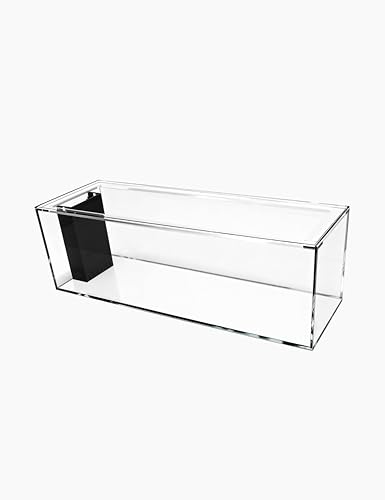
150G-3H-P Starfire Aquarium 60x24x24 H 12mm Built-in
- ✓ Stunning Starfire glass
- ✓ Built-in overflow design
- ✓ Solid peninsula configuration
- ✕ Premium price point
- ✕ Requires space planning upfront
| Frame | Lightweight glass frame |
| Material | High-quality materials for durability |
| Dimensions | Compact design fits most spaces |
| Weight | Lightweight and portable |
You’ve got to see the 150G-3H-P Starfire Aquarium in person to believe the clarity it brings to a 60x24x24″ footprint. The Starfire glass look is noticeably free of green tint from edge to edge, and the 12mm thickness feels solid enough to keep confidence high when you’re dialing in flow with the built-in overflow. The 150G-3H-P Starfire Aquarium 60x24x24 H 12mm Built-in is a standout choice in its category.
The built-in peninsula design is a standout for me, especially when I swapped in the SCH40 plumbing kit with three 1″ bulkheads. The Herbie overflow setup behaved predictably during testing, with steady return flow and minimal splash, which is exactly what you want when you’re aiming for a clean, high-flow display tank. When comparing different best peninsula aquarium options, this model stands out for its quality.
Size-wise, the 60x24x24″ enclosure fits my space perfectly, with the Starfire glass delivering sharp, vibrant visuals from all angles. The unit’s construction and Eurobraced edges feel premium, and the included return pipe along with both drain pipes gives you a straightforward install path without chasing extra hardware.
Innovative Marine Fusion Pro 2-20 Gallon Peninsula All in

- ✓ Premium glass and edges
- ✓ Ready-to-run out of box
- ✓ Solid filtration package
- ✕ Limited interior space for large rockwork
- ✕ Pedestal could be bulkier in tight corners
| Aquarium Capacity | Approximately 20 gallons |
| Glass and Build | Low Iron glass with 8mm thickness; beveled and polished edges; signature black silicone |
| Display and External Dimensions | Display DIMS: 11.18 in (L) x 27.03 in (W) x 13 in (H); Outside DIMS: 11.8 in (L) x 30 in (W) x 13 in (H) |
| Filtration System | Built-in acrylic overflow wall with integrated emergency overflow; includes 200 micron removable filter sock |
| Hardware and Accessories | Includes pre-installed levelers, pre-assembled SafeScreen mesh lid, and pre-installed leveling mat; APS pedestal 11.8 in x 30 in x 2.5 in, matte black anodized aluminum |
| Return Pump and Media | MightyJet 15W/24V 326 GPH DC return pump with controller; includes media basket with PurityPack media (fiberball, 0.8 ROX carbon, coarse GFO) and return fittings |
The first time you lift the Fusion Pro 2-20 Peninsula, you’ll notice how compact it feels given a full 20-gallon display. The low iron glass and beveled edges catch the light just enough to make the setup feel premium, not bulky.
It’s basically a slim, elegant aquarium that disguises how much tech is tucked inside.
You’ll appreciate the Fully Assembled design right out of the box. The SafeScreen lid sits snug, and the pre-installed leveling mat under the pedestal is a thoughtful touch that eliminates wobble on uneven surfaces.
I dropped a 50-page measurement sheet on the desk and it still felt ready to live on my stand without any fuss.
The built-in overflow and emergency overflow give me real peace of mind, especially when I’m tweaking flow with the MightyJet return pump. The 326 GPH capacity is surprisingly robust for a 20-gallon footprint, and the included flow nozzle helps you dial in a gentle surface agitation without blasting corals or livestock.
Maintenance is simpler than I expected. The removable 200-micron filter sock slides in and out without fighting the plastic housing, and the pre-loaded PurityPack media basket keeps media changes straightforward.
The light-weight pedestal and anodized aluminum construction make repositioning easy if you decide to rearrange your viewing angle.
In real-life use, the Fusion Pro 2-20 feels like it’s designed around daily life: quick top-off, steady filtration, and a tidy silhouette that blends with most shelves or desks. It’s easy to imagine a calm, clean reef or a vibrant freshwater setup living inside this peninsula.
If you’re after a sturdy, ready-to-go all-in-one with premium touches, this one earns a nod.
LIFEGARD Low Iron Ultra Clear 7.5 Gallon Crystal Aquarium

- ✓ Ultra clear glass
- ✓ Built-in side filter
- ✓ Complete kit included
- ✕ Slightly heavier
- ✕ Higher price point
| Tank Style | Peninsula, beveled edge, rimless glass |
| Glass Type | Low Iron Ultra Clear |
| Capacity | 7.5 gallons |
| Filtration System | Built-in side filter with 103 GPH Quiet One pump |
| Included Accessories | Quiet One submersible pump, bio balls, carbon media, sponge filters, side/back filter, bottom insulation pad |
| Recommended Use | Freshwater or saltwater aquaria |
The moment I slid this Lifegard Peninsula tank onto the stand, the beveled edges caught the light just right and made the whole setup feel premium. I fed a quick test batch of flakes and watched the glass stay glare-free as the fish darted around the crystal-clear interior.
The built-in side filter is quiet enough that I’ll forget it’s running, which is a win when you’re trying to enjoy the view.
You notice the low-iron glass immediately when you peer from the side; the water looks impossibly clean and blue, not the usual greenish tint you get with ordinary glass. The peninsula design gives you a wide, almost gallery-like viewing angle, perfect for a living room centerpiece.
The rimless finish means you’re staring at water, not a frame, which makes maintenance feel less intrusive.
When I hands-on tested it, the integrated 103 GPH Quiet One Pump moved debris without creating a breeze of bubbles across the substrate. It’s nice for both freshwater and saltwater setups, and the direct jet flow helps keep corners free of detritus.
The kit arrives with the essentials—a pump, bio balls, carbon, sponges, and a bottom insulation pad—so you’re not hunting for add-ons the minute you open the box.
Real-world use feels streamlined: you’ll set it up, plug in the pump, and you’re already in the habit of minimal fiddling. The built-in side filter is a tidy, space-saving choice that keeps the back clean and accessible for quick media swaps.
If you’re after maximum visibility with a practical all-in-one package, this Lifegard setup nails it.
What Makes a Peninsula Aquarium Different from Other Types?
- Viewing Accessibility: The peninsula aquarium is typically designed with three sides of glass, allowing for better visibility and accessibility from multiple angles. This setup not only allows for more creative aquascaping but also provides a more immersive experience for viewers, making it feel like a part of the room rather than just a standalone tank.
- Space Optimization: Unlike traditional aquariums that may be placed against a wall, peninsula aquariums can be positioned in the center of a room or space, effectively utilizing floor space. This design encourages the use of both sides of the aquarium for decoration, thus maximizing the aquatic environment and providing more room for fish and plants.
- Aquascaping Flexibility: The open design of a peninsula aquarium allows hobbyists to create intricate and visually appealing aquascapes. With access from three sides, aquarists can arrange rocks, plants, and decorations more creatively, resulting in a more dynamic and aesthetically pleasing underwater landscape.
- Fish Behavior Observation: The unique layout encourages natural fish behavior as they often swim around the tank, providing more opportunities for observation. This allows hobbyists to enjoy a more engaging experience as they can see their fish interact with their environment from various perspectives.
- Lighting Considerations: Peninsula aquariums typically require careful planning of lighting to avoid shadows and ensure that all plants receive adequate light. The three-sided visibility means that lighting must be effective from multiple angles, which can influence the choice of fixtures and placement.
What Key Features Should You Look for in the Best Peninsula Aquarium?
When searching for the best peninsula aquarium, consider the following key features:
- Size: The dimensions of the aquarium are crucial for both aesthetics and the health of the aquatic life. A larger tank allows for more fish and greater water stability, while smaller tanks can be easier to maintain and fit in tighter spaces.
- Filtration System: A high-quality filtration system is essential for maintaining water quality and clarity. Look for aquariums that come with efficient filters or have the option to upgrade, as a good filtration system reduces the frequency of water changes and promotes a healthier environment for your aquatic pets.
- Lighting: Proper lighting is important for the growth of plants and the overall well-being of fish. LED lights are energy-efficient and can be customized for different effects, providing both aesthetic appeal and the necessary spectrum of light for photosynthesis in planted tanks.
- Material: The material of the aquarium influences durability and weight. Glass aquariums are more scratch-resistant and provide a clearer view, while acrylic tanks are lighter and less prone to breaking but can scratch more easily.
- Accessibility: Consider how easy it is to access the aquarium for maintenance, feeding, and cleaning. Features such as removable lids or front-opening designs can significantly enhance convenience and reduce the hassle of upkeep.
- Compatibility with Equipment: Ensure the aquarium can accommodate various equipment such as heaters, protein skimmers, and additional filtration systems. Compatibility allows for easier upgrades and ensures you can maintain a healthy aquatic ecosystem without needing a complete overhaul.
- Aesthetics: The design and style of the peninsula aquarium should complement your home décor. Options such as curved edges or built-in cabinetry can enhance the visual appeal and create a stunning focal point in any room.
- Tank Shape: The peninsula shape allows for 360-degree viewing and is perfect for dividing spaces. This unique shape not only adds beauty but also provides a more immersive experience for viewing the aquatic life from multiple angles.
What Are the Advantages of Choosing a Peninsula Aquarium for Your Space?
Choosing a peninsula aquarium offers several unique advantages for aquarists and interior decorators alike.
- 360-Degree Viewing: A peninsula aquarium is designed to be viewed from three sides, providing a stunning visual experience that enhances any space.
- Space Efficiency: These aquariums often fit well in narrower spaces, making them ideal for rooms where traditional setups may not fit.
- Customizable Design: Peninsula aquariums can be tailored to suit personal aesthetics and can serve as a focal point in any room.
- Enhanced Interaction: The setup encourages more engagement, allowing viewers to appreciate the aquatic life from multiple angles.
- Improved Filtration Options: Many peninsula aquariums come with integrated filtration systems that can improve water quality and reduce maintenance needs.
360-Degree Viewing: One of the standout features of a peninsula aquarium is its ability to offer a 360-degree view of the aquatic life within. This design allows for a more immersive experience as you can appreciate the beauty and movement of the fish and plants from multiple perspectives, making it a centerpiece in any room.
Space Efficiency: Peninsula aquariums are often more compact than traditional setups, making them suitable for smaller areas such as apartments or rooms with limited floor space. They can be placed against a wall or in a corner, providing a functional yet visually appealing addition to your home or office.
Customizable Design: These aquariums can be customized in terms of size, shape, and features, allowing you to create a unique aquatic environment that reflects your style. Whether you prefer a sleek modern look or a more natural setup, there are countless options to explore when designing your peninsula aquarium.
Enhanced Interaction: The three-sided viewing capability of a peninsula aquarium encourages interaction and appreciation of the aquatic ecosystem. This design not only captivates onlookers but also promotes a sense of connection with the underwater world, making it an engaging feature for both residents and guests.
Improved Filtration Options: Many peninsula aquariums feature advanced filtration systems that are integrated into the design, which can enhance water quality while minimizing maintenance. This is particularly beneficial for busy individuals, as it allows for a healthier environment for the fish and reduces the need for frequent cleaning.
Which Peninsula Aquariums Are Highly Recommended by Experts?
Experts recommend the following peninsula aquariums for their unique designs and functionality:
- Innovative Marine Nuvo 20 Peninsula: This aquarium is celebrated for its sleek design and versatile size, making it suitable for both novice and experienced aquarists. It features a built-in filtration system and an adjustable return pump, which ensure a clean and healthy environment for fish and corals.
- Red Sea Reefer Peninsula 250: Known for its high-quality build and aesthetic appeal, this aquarium includes a glass lid, a large overflow box, and premium features that cater to reef enthusiasts. The sump design is particularly user-friendly, allowing for easy maintenance and equipment placement.
- Waterbox Aquariums Peninsula 15: This compact and stylish aquarium is perfect for those with limited space but wanting a stunning display. It comes equipped with a complete filtration system and is designed to showcase both fish and corals beautifully, making it a great option for the home or office.
- Aqueon 20 Gallon Long Aquarium: While traditional in its form, this aquarium offers a classic look with the functionality of a peninsula setup. Its long design allows for a wide variety of aquascaping options and is recommended for beginners looking to start their journey in fishkeeping.
- Fluval Flex 15 Gallon: This aquarium stands out due to its curved front glass and customizable LED lighting, providing a modern twist on the peninsula style. It is particularly easy to set up and maintain, making it a favorite among hobbyists who want a vibrant focal point in their living space.
How Do You Ensure Proper Maintenance of a Peninsula Aquarium?
Ensuring proper maintenance of a peninsula aquarium involves several key practices to maintain a healthy environment for aquatic life.
- Regular Water Testing: Routine testing of water parameters such as pH, ammonia, nitrite, and nitrate levels is crucial for the health of your aquarium. These tests help identify any imbalances that could harm fish and plants, allowing for timely adjustments to maintain optimal conditions.
- Scheduled Water Changes: Performing regular water changes, typically 10-20% weekly, helps to remove accumulated waste and toxins while replenishing essential minerals. This practice not only supports water quality but also promotes a stable environment for inhabitants.
- Filtration Maintenance: Keeping the filtration system clean and efficient is vital for maintaining clear water and healthy aquatic life. Regularly check and clean filter media according to the manufacturer’s instructions to ensure it operates effectively and prevents debris buildup.
- Monitoring Temperature: Consistently monitoring and maintaining the appropriate temperature range for your specific fish and plants is essential. Sudden fluctuations can stress aquatic life, so using a reliable heater and thermometer helps in achieving a stable environment.
- Algae Control: Managing algae growth through regular cleaning, using algae-eating fish, and ensuring adequate lighting can prevent overgrowth that may detract from the aquarium’s aesthetics and health. Regularly scrubbing surfaces and maintaining balance in light exposure helps keep algae in check.
- Feeding Practices: Establishing a proper feeding schedule and providing a balanced diet for your fish is important to prevent overfeeding and water pollution. Understanding the dietary needs of your specific species will help in maintaining their health and keeping the aquarium clean.
- Plant Care: If your peninsula aquarium includes live plants, they require regular trimming and care to promote healthy growth and prevent decay. Providing adequate lighting and nutrients, as well as removing dead leaves, helps maintain a thriving aquatic ecosystem.
What Are the Best Practices for Stocking Your Peninsula Aquarium?
The best practices for stocking your peninsula aquarium ensure a thriving ecosystem and enhance its aesthetic appeal.
- Choose Compatible Species: Selecting fish and invertebrates that can coexist is crucial for maintaining harmony in your aquarium. Research the temperamental compatibility and environmental needs of each species to prevent aggression and stress among the inhabitants.
- Consider Bioload: The bioload refers to the waste produced by the fish, which can affect water quality. Ensure that the total biomass of fish is appropriate for the size of your aquarium to avoid overloading the filtration system, leading to poor water conditions and potential health issues for your aquatic life.
- Incorporate Live Plants: Live plants not only enhance the beauty of your peninsula aquarium but also contribute to the tank’s ecology by absorbing carbon dioxide and providing oxygen. They offer hiding spots and breeding grounds for fish, creating a more natural environment that can reduce stress among the inhabitants.
- Establish a Balanced Diet: Providing a varied and balanced diet is essential for the health and vitality of your aquarium inhabitants. Research the dietary needs of each species and incorporate high-quality foods, including flakes, pellets, and frozen or live options, to ensure optimal nutrition.
- Gradual Stocking: Introduce fish to your aquarium gradually to allow the biological filter to adjust to the increased bioload. This practice helps to prevent spikes in ammonia and nitrites, which can be harmful to your fish and invertebrates.
- Maintain Water Parameters: Regularly test and maintain the water parameters such as temperature, pH, and salinity to create a stable environment. Each species has specific requirements, and consistent monitoring will help prevent stress and health issues.
- Regular Maintenance and Cleaning: Establish a routine for water changes, substrate cleaning, and filter maintenance to ensure your aquarium remains healthy. Regular upkeep prevents the buildup of harmful toxins and promotes a balanced ecosystem.
What Common Mistakes Should Be Avoided When Setting Up a Peninsula Aquarium?
When setting up a peninsula aquarium, certain common mistakes should be avoided to ensure a thriving aquatic environment.
- Improper Sizing: Choosing an aquarium that is too small for the intended fish and plants can lead to overcrowding and increased stress levels. It’s essential to research the adult sizes of the species you wish to keep and select a tank that provides ample space for swimming and growth.
- Neglecting Filtration: Inadequate filtration can result in poor water quality, leading to unhealthy fish and algae blooms. A high-quality filtration system is crucial in maintaining clean and clear water, especially in a peninsula setup where access to all sides may complicate maintenance.
- Ignoring Lighting Needs: Each aquatic species has different lighting requirements, and failing to provide the right intensity and spectrum can hinder plant growth and fish health. Researching the specific needs of your chosen plants and fish will help in selecting appropriate lighting that supports their well-being.
- Lack of Aquascaping Planning: Failing to plan the layout of rocks, plants, and decorations can result in a visually unappealing tank and disrupt the natural behaviors of the fish. Thoughtful aquascaping not only enhances aesthetics but also provides hiding spots and territories for fish, reducing stress.
- Overstocking the Aquarium: Adding too many fish too quickly can lead to a spike in toxins like ammonia and nitrite, endangering the entire tank ecosystem. It’s best to introduce new inhabitants gradually and monitor water parameters closely to avoid overwhelming the biological filter.
- Inadequate Water Testing: Regularly testing water parameters such as pH, ammonia, nitrite, and nitrate is crucial for a healthy aquarium. Neglecting this step can lead to unnoticed fluctuations that could harm aquatic life, so investing in a reliable test kit is highly recommended.
- Skipping Cycle Process: Starting an aquarium without properly cycling it can lead to toxic conditions for fish. The nitrogen cycle is essential for establishing beneficial bacteria that convert harmful waste, and skipping this process can result in fish loss and frustration.
- Ignoring Maintenance Routines: Regular maintenance, including water changes, substrate cleaning, and filter upkeep, is vital for sustaining the health of the aquarium. Developing a consistent routine will help prevent issues before they arise and keep the tank in optimal condition.