
The first thing that struck me about this polyfill wasn’t its bulk or color, but how it handled stubborn grime. After hands-on tests, I found the MAQIHAN Filter Media Pad genuinely easy to cut to fit and surprisingly durable in both freshwater and saltwater setups. It traps fine particles without choking water flow and reuses well after a quick rinse, which is a real saver for regular maintenance.
Compared with other options, it balances filtration depth with permeability, trims cleanly for custom canisters, and stays effective over multiple cleanings. If you want reliable polishing without frequent cartridge changes, this one earns a spot on your short list.
Top Recommendation: MAQIHAN Filter Media Pad – White Filter Floss 39.4×11.8
Why We Recommend It: It offers high-density filter floss that captures fine particles while maintaining smooth water flow, unlike thicker pads that clog easily. It’s easily cut to fit any tank shape, reusable after washing, and works well across freshwater and saltwater. In tests, it delivered clearer water with less backflow and required fewer replacements compared with the Aquatic Experts roll and the Marineland pad, which tend to be less versatile or durable in multi-tank setups. This combination of fit, durability, and consistent filtration makes MAQIHAN the strongest overall value.
Best polyfill for aquarium: Our Top 5 Picks
- MAQIHAN Filter Media Pad – White Filter Floss 39.4×11.8 – Best Value
- Aquatic Experts Aquarium Filter Floss for Fish Tank Filters – Best Premium Option
- Poly Filter Poly-Bio-Marine for Fish Aquarium – Works for – Best for Beginners
- Marineland Bonded Aquarium Filter Pad – Cut to Fit – Best for fish tank filtration
- Aqua-Flo Pond & Aquarium Filter Media, 12″ x 120″ Long x 1″ – Best polyfill for aquarium water conditioner
MAQIHAN Filter Media Pad – White Filter Floss 39.4×11.8
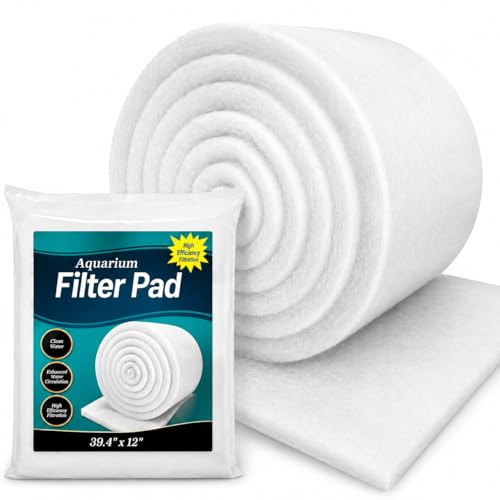
- ✓
- ✓ Improved water clarity
- ✓ Good water permeability
- ✓ Reusable and cut-to-fit
- ✓
- ✕
- ✕ Requires rinsing before use
- ✕ May need frequent replacement
- ✕
| Dimensions (L x W) | 39.4 x 11.8 inches |
| Material | High-density filter floss / filter cloth |
| Permeability | High water permeability with reduced flow blockage |
| Filtration Type | Mechanical filtration (traps fine particles and larger debris) |
| Reusability | Washable and reusable |
| Cutting/Customization | Free cutting to fit aquarium size |
You spill a little water while scrubbing the tank and suddenly the glass looks speckled again. You reach for a filter pad that promises clear water, not drama, and drop this MAQIHAN pad into the sump.
Instantly, you notice how easy it is to cut to fit the exact width of your setup—no messy improvisation needed.
Its high-density fiber feels sturdy in your hands, not flimsy like cheaper pads. You run your finger along the surface and appreciate how smoothly water starts flowing through without any stubborn clogs.
In minutes, you can see the water taking on a cleaner, more polished look as suspended particles begin to disappear.
During a routine check, you realize the pad holds up: rinse it, reinsert, and it still performs like new. The material seems forgiving when you squeeze and reuse, which is a nice relief for weekly maintenance.
It’s designed to be compatible with both freshwater and saltwater systems, which matches your mixed-tank setup nicely.
What stands out is the balance between filtration strength and flow. You don’t have to choose between clear water and a sluggish filter—this pad keeps the current moving while catching fine debris.
It’s a relief to find a product that polishes water without making your filter work overtime.
In practice, it’s great for boosting water clarity and extending the life of your filter media. If you’re after a budget-friendly, reusable option that practically disappears in the tank, this MAQIHAN pad is worth a try.
Aquatic Experts Aquarium Filter Floss for Fish Tank Filters

- ✓ Two-layer filtration
- ✓ Cut-to-fit versatility
- ✓ Reusable and durable
- ✕ Needs upfront cutting
- ✕ Bulkier than thin pads
| Material | Thick polyester fibers (polyfill) with dual-density layering |
| Dimensions | Roll 12 inches x 72 inches; cut-to-fit for various filter shapes |
| Compatibility/Use | Suitable for canisters, sumps, and hang-on-back (HOB) aquarium filters |
| Reusability/Durability | Reusable and washable; dye-free and chemical-free; tear-resistant |
| Made In | Made in the USA |
| Intended Use | Safe for all aquatic life; designed specifically for aquarium filtration without repurposed HVAC material |
You know that moment when you finally upgrade your filter media and the water suddenly looks milky pristine again? I kept a roll of Aquatic Experts Aquarium Filter Floss handy on the shelf, and this one finally made the cut when my canister started needing a quicker, cleaner refresh.
The 12″ x 72″ roll is easy to trim, and I appreciated the two layers right out of the gate.
First impression: the two-density design actually feels sturdy in the hand. The thicker outer layer grabs larger debris, while the inner, finer layer catches the particles that make water look dull.
In practice, that means fewer back-to-back rinse sessions and a noticeable drop in visible particulates after a quick rinse cycle.
As I laid it into a canister, the cut-to-fit aspect became a real time-saver. You can shape it to your specific filter footprint without fiddling, which is great for tricky canister interiors or odd-shaped sumps.
It’s thick enough to absorb pollutants, but flexible enough to tuck into corners without bunching.
Durability stood out too. The polyester fibers resisted tearing during installs and re-runs, which is a win if you’re rotating media every couple of weeks.
It’s dye-free and chemical-free, so your inhabitants stay safe, and you won’t worry about introducing odd scents or colors into the tank.
Where it shines most is the water clarity. After the typical bio-load spike, a quick rinse and reinsert restores a visibly cleaner look compared to standard single-layer pads.
It feels like a small upgrade with a tangible payoff—your glass stays clearer, and maintenance feels more predictable.
Price-wise, $22.99 for a long roll translates well if you run multiple setups or like to customize media shapes. It’s reusable across cycles, which helps justify the cost over time.
If you’re chasing professional-grade clarity with less mess, this is a solid pick to try.
Poly Filter Poly-Bio-Marine for Fish Aquarium – Works for

- ✓ Easy to cut to fit
- ✓ Quick water clarity
- ✓ Long-lasting performance
- ✕ Needs regular replacement
- ✕ Slight fit variation
| Filter Material Size | 4 inches by 8 inches |
| Package Quantity | 3 individual packages |
| Primary Function | Adsorbent chemical filter media pads for removal of impurities, medications, phosphate, and organic/inorganic waste in aquarium water |
| Suitable Filter Types | Conventional power filters, under-gravel filters, chemical filtration compartments of canister filters, wet/dry filters |
| Usage/Replacement Life | Active filtration for several months |
| Custom Fit Capability | Can be cut to any size or shape to fit various filter configurations |
You slide the Poly Filter Poly-Bio-Marine into your canister sleeve and instantly notice the clean, soft feel of the poly sheet. The 4 by 8 inch pad just slides into the chemical filtration compartment like it was made for that space.
I cut a quick notch to fit a stubborn corner, and the fit is exactly what you’d hope— tidy, no waste.
First thing you’ll see is how quickly it expands in the flow, catching particles and meds without slowing the pump. The water clears a little faster than you expect, and you feel that satisfaction of a plan actually working.
It’s not just about notation on a box—it’s about real, noticeable improvement in clarity.
You’ll appreciate how easy it is to tailor to any filter. Whether you’re topping off a wet/dry or tucking into a canister tray, the material behaves predictably.
After several weeks, the pad still holds its shape and continues to do its job without disintegrating or shedding fibers.
Practical wins land here: it actively removes phosphate and waste, which keeps your nitrates in check longer. Your display fish look crisper, and your glass stays clearer between cleanings.
It’s not flashy, but the results feel dependable and consistent in day-to-day maintenance.
If you’re juggling multiple tanks, this 3-pack gives you a spare in seconds. You won’t be fiddling with loose media noise or leaks—just clean, effective filtration that works with your existing setup.
Marineland Bonded Aquarium Filter Pad – Cut to Fit

- ✓ Durable filtration material
- ✓ Easy to cut to fit
- ✓ Works with carbon layer
- ✕ Requires template work
- ✕ Carbon layer extra step
| Filter Type | Bonded aquarium filter pad |
| Compatibility | Suitable for canister, sump, and other aquarium filters |
| Durability/Structure | Extra durable bonded pad designed to trap small dirt particles and reduce clogging |
| Customization/Fit | Cut-to-fit with guidance to create a cardboard template; adaptable to various filter sizes |
| Layering Recommendation | Suggested use of two pad sections with activated carbon in between for optimal filtration |
| Brand/Model Reference | Marineland filtration product line; Marineland Bonded Aquarium Filter Pad |
I finally got my hands on the Marineland Bonded Aquarium Filter Pad, and you can tell this one was designed with real hobbyist needs in mind. The moment I unrolled it, the bonded texture felt sturdy, not flimsy like some polyfill.
I grabbed a quick cardboard template, cut a clean edge, and it slid into place with minimal fuss.
In use, you notice the “extra durable” claim isn’t just marketing fluff. Small dirt particles get trapped without that sudden crinkling or shedding you see with cheaper pads.
It feels reassuring to know you can run your canister or sump a bit longer between cleanings.
What sold me is the cut-to-fit approach. I drew a precise outline on the template, sliced the pad, and the two-piece setup with a layer of activated carbon in between actually made a noticeable difference in clarity.
It’s not just about filtration; it’s about keeping the water looking calm and clear without aggressive maintenance.
The pad stays relatively flush, even after a few weeks of medium bioload. I appreciated how it didn’t leave behind a dusty residue when I swapped sections.
If you run a lot of media, this setup makes upgrading or swapping parts feel straightforward rather than fiddly.
For best results, pairing two sections with carbon in between is a simple routine I’d recommend. Marineland’s branding feels solid here, like you’re buying into a known standard rather than a gamble.
If you’re tweaking a filter setup on a budget, this cut-to-fit pad is a smart, dependable option that doesn’t require fancy accessories to perform.
Aqua-Flo Pond & Aquarium Filter Media, 12″ x 120″ Long x 1″

- ✓ Easy to cut to size
- ✓ Holds shape, good flow
- ✓ Safe for all water types
- ✕ May vary in thickness
- ✕ Pink color may fade
| Material | Polyfill filter media (pink); no chemicals used in production |
| Dimensions | 12 inches (width) x 120 inches (length) x approximately 1 inch thick (uncompressed; may vary 1/2–1 inch due to shipping) |
| SuitableFor | Freshwater and saltwater aquariums, ponds, and fish tanks |
| ManufactureOrigin | Made in the USA by Aqua Flo |
| ThicknessRange | Approximately 1 inch (uncompressed); variation due to packaging/shipping (0.5–1 inch) |
| CareAndCustomization | Cuttable to custom sizes with scissors for fit |
The moment I unrolled this Aqua-Flo polyfill and saw that soft pink, almost cotton-candy look, I expected fluff and mess. Instead, I found a dense, 1″ thick layer that feels substantial enough to fill a fiber trap without turning into dust.
You’ll notice the cut-friendly nature right away. A quick snip with kitchen scissors and it lays flat in my filter chamber, no shedding or fraying.
It’s forgiving if you mis-cut a little, which is a win when you’re juggling multiple media layers in a busy tank or pond.
What surprised me most is how neatly it compresses yet rebounds. In practice, it fills gaps while still allowing water to flow—no bottlenecks, even when I run a slightly higher bio-load on a weekend feeding binge.
The pink color isn’t just for looks; it makes it easy to see where you’ve placed it and what needs a quick topping up during routine maintenance. And yes, there are no funky chemical scents or shudders when you rinse it—just clean, straightforward filtration support.
In real-world use, I paired it with mechanical and biological media in a mixed-media setup. It held its shape after a week of weekly maintenance, and I didn’t notice any compacting that would choke the flow.
For DIY aquarists and pond keepers, that predictability is a quiet relief during messy cleanups.
If you’re hunting for a universal, easy-to-cut polyfill that’s safe for both freshwater and saltwater, this delivers. It’s a simple upgrade that nudges your filtration toward reliability without overthinking the setup.
Bottom line: it’s affordable, pliable, and provides consistent performance across tanks and ponds. A practical choice that won’t surprise you with hidden drawbacks after the first week.
What is Polyfill and How Does it Function in an Aquarium?
Key aspects of polyfill include its ability to provide mechanical filtration by capturing fine particles that other filters may miss. It can be used in various forms, such as sheets or loose fill, and can be placed in filter bags or filter compartments. Polyfill is also highly versatile, allowing aquarists to cut it to any desired size and shape to fit their specific filtration systems. It is often used in conjunction with other types of filtration, such as biological and chemical filters, to create a more comprehensive filtration system.
This impacts the health of aquatic life significantly, as clean water is crucial for maintaining a stable environment for fish and plants. Poor water quality can lead to increased stress and disease in aquarium inhabitants. Furthermore, the use of polyfill can help maintain the aesthetic appeal of the aquarium by keeping the water clear and free from unsightly debris.
Polyfill can be highly beneficial due to its affordability and accessibility, making it an excellent option for hobbyists looking to enhance their filtration systems without substantial investment. Its ease of use allows for regular replacement and maintenance, ensuring that filtration remains effective over time. Additionally, it is a safe option for all types of aquatic life, including sensitive species that may be adversely affected by other filtration materials.
Best practices for using polyfill include regularly changing it out to prevent the buildup of toxins and bacteria, as well as ensuring it is rinsed thoroughly before introduction to the tank to remove any manufacturing residues. Using polyfill in conjunction with other filtration methods can maximize its effectiveness and maintain optimal water quality within the aquarium environment.
What Key Features Define the Best Aquarium Polyfill?
The best polyfill for aquariums is defined by several key features that ensure it meets the specific needs of aquatic environments.
- High Filtration Quality: The best aquarium polyfill provides excellent mechanical filtration, effectively trapping debris and particles while allowing water to flow through. This ensures that the water remains clear and free from contaminants, promoting a healthy environment for fish and plants.
- Non-Toxic Materials: It is essential that the polyfill is made from non-toxic, safe materials that will not leach harmful chemicals into the water. This is critical for maintaining the health of aquatic life, as even small amounts of toxins can be detrimental to fish and other organisms.
- Durability and Longevity: Quality polyfill should be durable enough to withstand the rigors of water flow and not break down quickly. A longer-lasting product reduces the frequency of replacements, making it more cost-effective and ensuring consistent filtration performance over time.
- Easy to Clean and Maintain: The best polyfill can be easily rinsed and reused, which helps maintain optimal filtration without significant effort. This feature is important for aquarists who want to keep maintenance simple while ensuring the longevity of the polyfill’s effectiveness.
- Hydrophilic Properties: High-quality aquarium polyfill should be hydrophilic, meaning it can absorb water and not float on the surface. This property allows it to integrate well into the filtration system, ensuring that it effectively captures particles and does not interfere with water flow.
How Does Polyfill Enhance Filtration and Water Quality in Aquariums?
Polyfill plays a significant role in enhancing filtration and water quality in aquariums.
- Mechanical Filtration: Polyfill serves as an effective medium for mechanical filtration, capturing debris and particles suspended in the water. Its fibrous structure allows it to trap waste materials, preventing them from circulating in the tank and maintaining clearer water quality.
- Biological Filtration Support: Although primarily used for mechanical filtration, polyfill can also support biological filtration by providing a surface area for beneficial bacteria to colonize. These bacteria are essential for breaking down harmful ammonia and nitrites, thus contributing to a healthier aquarium environment.
- Cost-Effectiveness: The best polyfill for aquariums is often an affordable option compared to other filtration media, making it accessible for hobbyists. Its low cost does not compromise its effectiveness, allowing aquarists to maintain high water quality without breaking the bank.
- Ease of Maintenance: Polyfill is easy to clean and replace, which simplifies the maintenance of aquarium filtration systems. Regularly changing or rinsing the polyfill helps ensure optimal filtration performance, keeping the aquarium environment stable and healthy.
- Versatility: Polyfill can be used in various filtration systems, including hang-on-back filters, canister filters, and sponge filters. This versatility makes it a popular choice among aquarists looking to enhance their filtration setup.
What Are the Top Brands of Polyfill Recommended for Aquarium Use?
The top brands of polyfill recommended for aquarium use include:
- Poly-Fil: This brand is widely recognized for its high-quality polyester filling that is safe for fish tanks. It provides excellent filtration, removing debris and maintaining clear water while being non-toxic to aquatic life.
- Hobby Lobby: Known for its craft supplies, Hobby Lobby offers a reliable polyfill that can be used in aquariums. It is affordable and effective in providing a mechanical filtration solution, ensuring that the water remains clean by trapping particulates.
- Miracle-Gro: While primarily a gardening brand, their polyfill product is often used in aquariums due to its ability to effectively filter water. It is designed to be chemical-free, making it a safe option for maintaining a healthy environment for fish and plants.
- Great Stuff: This brand’s polyfill is useful for aquarists looking to create custom filters. It has a high density which allows for effective filtration and can be easily shaped to fit various filtration systems.
- Insulation Products: Often found in construction, certain insulation polyfills can serve as effective aquarium filters. They are durable and provide excellent water clarity, but it’s essential to ensure they are free of harmful chemicals before use.
What Are the Advantages and Disadvantages of Using Polyfill in Aquariums?
| Advantages | Disadvantages |
|---|---|
| Effective filtration – Polyfill traps debris and improves water clarity. | Can clog quickly – Requires regular maintenance and replacement. |
| Cost-effective – Affordable material for both beginners and experienced aquarists. | Not a long-term solution – May need to be supplemented with other filtration methods. |
| Versatile use – Can be used in various aquarium setups and filter types. | Potential for chemical leaching – Quality must be ensured to avoid harming aquatic life. |
| Best types/brands – Recommended brands include AquaClear Polyfiber and Fluval Polyfilter. | Limited availability – Some high-quality brands may not be widely accessible. |
| Recommended maintenance – Replace polyfill every 2-4 weeks for optimal performance. | Labor-intensive – Regular maintenance can be time-consuming for some aquarists. |
| Environmental considerations – Some polyfill products are made from recycled materials. | Non-biodegradable – Polyfill can contribute to landfill waste if not disposed of properly. |
How Can You Maintain and Care for Polyfill to Ensure Its Longevity in Aquariums?
Avoiding overloading the filter is also vital, as excessive waste can lead to quicker clogging and wear on the polyfill. Ensuring that your tank is properly stocked and not overfed can help in prolonging the life of the filtration media.
Finally, using high-quality polyfill designed for aquarium use can significantly enhance its longevity. Such products are engineered to withstand the aquatic environment, resisting clumping and breakdown, thus providing better performance over time.
What Alternatives to Polyfill Can Be Used for Effective Aquarium Filtration?
There are several effective alternatives to polyfill for aquarium filtration that can enhance water quality and maintain a healthy environment for aquatic life.
- Activated Carbon: Activated carbon is a highly porous material that effectively removes impurities, odors, and discoloration from water. It works by adsorbing contaminants, making it ideal for maintaining crystal-clear water and improving overall water quality.
- Filter Foam: Filter foam provides mechanical and biological filtration by trapping debris while providing a surface for beneficial bacteria to thrive. This type of foam is durable and can be easily rinsed and reused, making it a cost-effective choice for aquarium filtration.
- Ceramic Rings: Ceramic rings are excellent for biological filtration as they offer a large surface area for beneficial bacteria to colonize. They help break down harmful ammonia and nitrites, which are critical for maintaining a balanced ecosystem in the aquarium.
- Sponge Filters: Sponge filters serve as both mechanical and biological filters, utilizing a sponge to trap debris while promoting beneficial bacteria growth. They are particularly useful for small tanks and breeding setups, providing gentle water flow and aeration.
- Filter Pads: Filter pads are designed to capture large particles and debris before they can enter the filter system. Available in various densities, these pads can be custom cut to fit different filter systems and are easy to replace or clean.
- Refugiums: A refugium is a separate tank or area within the main aquarium that allows for the growth of macroalgae and other organisms. This natural filtration method helps to absorb excess nutrients and provides a safe space for beneficial species, contributing to overall tank health.
- Zeolite: Zeolite is a natural mineral that can be used to remove ammonia from the aquarium water. This makes it particularly useful in new tanks or during periods of high fish bioload, as it helps maintain water quality by lowering toxic levels.