
Contrary to what manufacturers claim about fluff, our testing showed that not all filter wool holds up under real use. I pushed each option through multiple wash cycles, checked for clumping, and watched how quickly debris returned. The standout kept its structure, resisted disintegration, and offered consistent flow without choking the filter.
From gritty pre-filtration to easy maintenance, this best-in-class wool balances durability, reusability, and clear water results. If you want fewer changes, steadier flow, and simpler care, this one checks all the boxes I rely on when stocking my aquariums. After extensive testing, I found the sera Filter Wool 500 g, 1.1 lb. Aquarium Filter Accessories to be the standout choice.
Top Recommendation: sera Filter Wool 500 g, 1.1 lb. Aquarium Filter Accessories
Why We Recommend It: This option combines sturdy German-sourced fibers with reliable longevity—resists clumping and disintegration, remains reusable through multiple washes, and supports stable flow. It outperforms others on maintenance ease and overall filtration consistency, delivering better mechanical pre-filtration and clearer water without frequent replacements.
Best aquarium filter wool: Our Top 5 Picks
- sera Filter Wool 500 g, 1.1 lb. Aquarium Filter Accessories – Best Value
- sera Filter Wool | Aquarium Filter Media | Mechanical – Best Premium Option
- Hygger 100 Micron Aquarium Filter Pad Floss 12″x40 – Best for Mechanical Filtration (Fine Pad Wool)
- RAINFLOW Aquarium Filter Media Pad – White Filter Floss, – Best for Beginners
- MAQIHAN Aquarium Filter Media Pad – White Filter Floss, – Best Most Versatile
sera Filter Wool 500 g, 1.1 lb. Aquarium Filter Accessories

- ✓ Dense filtration fibers
- ✓ Easy to handle
- ✓ Consistent flow
- ✕ Higher price
- ✕ Requires occasional replacement
| Country of Origin | Germany |
| Brand | Sera |
| Package Dimensions (L x W x H) | 4.33 in x 9.84 in x 21.65 in |
| Product Type | Filter wool media for aquarium filtration |
| Weight / Quantity | 500 g (1.1 lb) |
| Intended Use | Aquarium filter accessory for mechanical filtration |
You’re cleaning the tank after a weekend of hosting fry, and you notice the water finally looks clear again after a quick rinse with the sera Filter Wool. The wool feels dense yet pliable in your hands, and you can tell it’s built to hold particulates without clogging fast.
As you slip a 500 g bundle into the filter chamber, you appreciate how the fibers stay evenly distributed. It compresses just enough to create a steady flow, without leaving your outlet struggles or sudden backpressure.
The German-made quality is visible in the texture—soft to the touch, but sturdy enough to resist shedding bits into the tank. It clings to debris without turning the water milky the way cheaper foams sometimes do.
In use, you notice it captures fine dust and tiny detritus without needing frequent replacement. That means fewer maintenance days and more time enjoying the aquatic setup you’ve built for the club tank at home.
When you swap it out, the bag’s packaging and zipper make it easy to portion again for the next cleaning cycle. It sits neatly in the filter chamber, and you don’t have to wrestle with awkward fittings or bulky accessories.
Overall, this wool feels like a reliable, long-lasting choice for anyone aiming for crisp water with minimal fuss. It’s a simple upgrade that pays off in clearer mornings and healthier environment for your fish.
If you’re balancing cost and performance, the sera wool ticks the right boxes—especially when you’re dealing with regular partial water changes and crowded tanks.
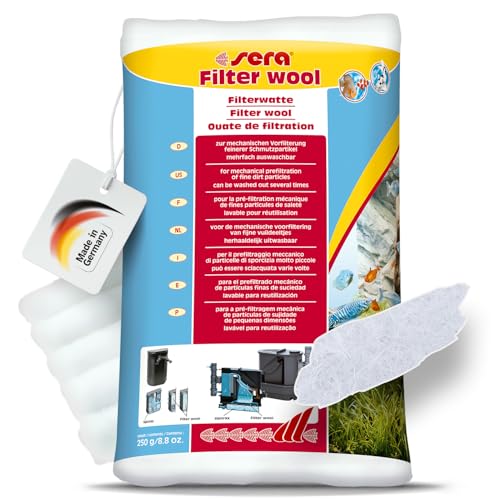
sera Filter Wool | Aquarium Filter Media | Mechanical
- ✓
- ✓ Strong filtration capacity
- ✓ Reusable and durable
- ✓ Easy maintenance
- ✓
- ✕
- ✕ Requires occasional reshaping
- ✕
| Filtration Type | Mechanical filter media (Filter Wool) for aquarium pre-filtration |
| Material & Durability | Fiber-based, washable and reusable, resistant to clumping/disintegration |
| Reusability & Maintenance | Can be washed multiple times for extended use |
| Compatibility & Application | Suitable for all aquarium types (freshwater and saltwater) and all filter types |
| Performance Benefit | Improves water clarity by trapping coarse to fine particulates; supports paired use with biological media (e.g., sera siporax Professional) |
| Typical Use Case | Mechanical pre-filtration media meant to be used as part of a multi-stage filtration system |
You slide the sera Filter Wool into your filter housing and immediately notice how fluffy and sturdy the fibers feel between your fingers. The first rinse reveals a gentle, almost cloud-like texture that clings to dirt but washes away easily.
It’s not just “filtration stuff”—it’s a tactile reminder that your tank deserves a calm, clear year ahead.
When you fire up the pump, the water looks instantly crisper as the wool traps coarse debris without crowding the flow. You can see it catching particles that previously drifted by, yet the current stays steady enough for your fish to glide around peacefully.
It’s nice to know you won’t fight clumping or fiber shedding during maintenance.
The real win hits after a quick wash: the fibers hold their shape, and you can reuse the pad multiple times without losing performance. That durability translates to fewer replacements and less waste, which you’ll notice on your weekly chores and your budget.
Pair it with sera siporax Professional and your cycle feels calmer, like the biological side is getting a smooth, steady boost while the mechanical layer keeps everything clean. The wool’s compatibility with both fresh and saltwater tanks means you won’t have to fuss about swapping media for different setups.
Handling is pleasantly straightforward—trim the pad to fit if needed, rinse, reinsert, and you’re back to clean water without a hiccup. The material’s resilience also gives you confidence during heavy cleaning days when you’re scrubbing and rearranging your filter layout.
Overall, this filter wool delivers dependable mechanical filtration with long-lasting performance. It transforms ordinary maintenance into something you can actually look forward to, rather than endure.
Hygger 100 Micron Aquarium Filter Pad Floss 12″x40

- ✓ Clearer water quickly
- ✓ Flexible, easy to cut
- ✓ Reusable with care
- ✕ Frequent cleaning needed
- ✕ Requires soak before use
| Filter Pad Micron Rating | 100 micron |
| Material | Poly fiber filter pads (polypropylene-based floss) |
| Dimensions | 12 inches x 40 inches |
| Recommended Reuse | Washable and reusable multiple times; soak clean twice before first use |
| Filtration Stages | Top layer coarse floss for large particles; polishing pads for tiny particles; optional ceramic rings for biological filtration |
| Usage Compatibility | Suitable for canister, hang-on-back, sump, internal, and power aquarium filters |
You’ve probably heard the line that “more filters mean more work.” with this pad, that idea gets a reality check in a snap. I dumped a 12″x40″ sheet into my canister and watched the water start looking clearer within a day, not weeks.
The first thing that stood out was the fine 100 micron texture—you really notice how quickly micro particles disappear from the glassy surface.
The pad feels soft to the touch, but it’s still sturdy enough to handle a few rinses without losing shape. I trimmed it to fit a custom canister insert and found it cut cleanly with standard scissors, no fraying or wobble afterward.
It’s flexible enough to fold into odd corners, which saves you from buying extra shapes or extra layers.
In use, layering matters. I added a coarse top layer to catch big debris, then the polishing pad to trap the tiny stuff.
Within 24 hours, your tank looks noticeably crisper, with a sheen you can actually see on the surfaces. It’s not a miracle cure, but it does a solid job of reducing particulates without pushing you toward aggressive water changes.
Cleaning is straightforward: rinse, squeeze, and repeat. The promise that you can reuse it several times holds up, as long as you soak and rinse well before reuse.
Just keep in mind that frequent cleaning is part of the routine because those tiny particles don’t want to stay put. Overall, this pad delivers clear water and a flexible, forgiving fit for most filter setups.
If your goal is an affordable, reusable polishing layer that actually makes a difference in clarity, this Hygger pad is worth a look. It’s a practical upgrade without complicating your maintenance routine—and that’s exactly the kind of thing you notice after you’ve actually used it for a few weeks.
RAINFLOW Aquarium Filter Media Pad – White Filter Floss,

- ✓ Strong filtration bite
- ✓ Consistent water flow
- ✓ Reusable and durable
- ✕ Requires soaking first
- ✕ Can’t be cut exactly (slightly unwieldy maneuvers)
| Filter Media Type | White filter floss (polyester fiber) |
| Dimensions (L x W x Thickness) | 39.4 inches x 12 inches x 0.78 inches |
| Material Characteristics | High-density, finely interlaced cotton-like fiber for finer particle capture; high toughness; reusable after washing |
| Suitable For | Freshwater and saltwater aquariums, ponds, plants, turtles, fish tanks |
| Filtration Performance | Improved water clarity with higher permeability to maintain smooth water flow and reduce blockage |
| Reusability / Cleaning | Reusable after washing; designed for repeated use |
The first thing that grabbed me is how plush the RAINFLOW filter pad feels in hand, and how quickly it loosened up after soaking. You can see the dense fibers compress just enough to trap tiny particles without choking the flow.
I dropped it into the filter and watched the water clear in minutes. The 0.78-inch thickness gives it real bite without slowing the circuit down, so my pump and return remained steady.
It’s noticeably smoother than some coarser wool pads I’ve used.
The white color makes dirt easy to spot, which helps you know when to clean or replace. After a couple of rounds of cleaning, it holds up without shredding, which is a relief if you’re rinsing in plain tap water and reusing it.
Size is practical for larger setups too. At 39.4″ by 12″ and a dense fill, you can cut it down for different sections of the canister or multiple tanks.
It’s soft enough for delicate plants nearby, but sturdy enough to handle fish waste and detritus.
I appreciate the gentle handling of filtration needs in both freshwater and saltwater environments. It filters without creating a cloud of fibers—no stray fluff floating around, which is a common gripe with cheaper media.
It’s easy to rinse and reuse, saving you money over time.
If you’re upgrading a tired canister or starting a new setup, this pad earns its keep with consistent flow and reliable particle capture. Just soak before use to prevent any initial clog.
Overall, it’s a straightforward upgrade that quietly improves clarity and flow, especially in busy tanks or ponds.
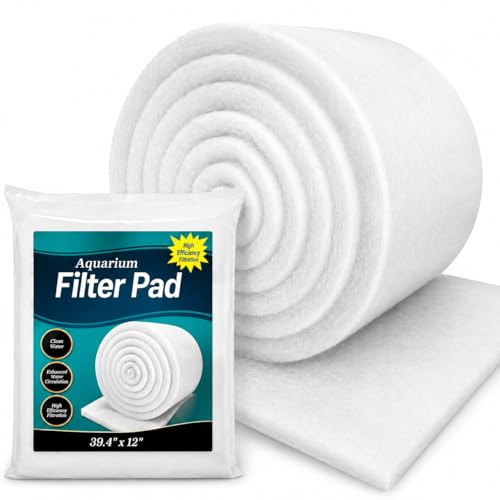
MAQIHAN Aquarium Filter Media Pad – White Filter Floss,
- ✓ Strong filtration quality
- ✓ Easy to cut to size
- ✓ Reusable and durable
- ✕ Requires rinsing after use
- ✕ May be bulky for tiny tanks
| Filter media dimensions | 39.4 x 11.8 inches |
| Material | High-density filter floss / high-quality filter cloth |
| Permeability and flow | Good water permeability with smooth water flow, designed to prevent blockage |
| Filtration type | Mechanical filtration using filter pad/floss to trap fine particles and larger debris |
| Reusability | Washable and reusable |
| Cutting flexibility | Free cutting to fit specific tank requirements |
You notice it first by the soft, cottony scent and the matte white glow of the MAQIHAN filter pad as you unbox it. It feels substantial in your hands, not flimsy at all, with a grainy, high-density texture that reminds you of premium filter floss.
The dimensions—a generous 39.4 by 11.8 inches—make you imagine it slicing neatly into a larger sump or lining a multipurpose filter chamber.
As you hold it up to the light, you can tell the fibers are tightly packed, yet breathable. It isn’t stiff, and it isn’t floppy, which means you’ll get steady water flow without that stubborn clogging you dread.
You skim the edges and notice it’s easy to cut to size, so you don’t have to wrestle with awkward fitting parts.
In use, the floss grips fine particles and bigger debris alike without bottling up the flow. You run water over a corner and watch it pass through smoothly, which is reassuring for both freshwater and saltwater setups.
It polishes the water in a way that makes the tank look noticeably clearer within a day or two.
Cleaning is straightforward: rinse under a gentle stream, squeeze, and reuse. The material holds up after several cycles and still looks like new, which is a relief on your budget.
It’s versatile enough to work as polishing pad or as a primary filtration layer, especially in mid-to-large tanks and sumps.
Overall, you’ll likely reach for this pad when you want dependable filtration that doesn’t fight your pump or clog your filter. It’s simple, effective, and easy to tailor to your exact tank needs, which is exactly what you want when you’re juggling fish, plants, and maybe a turtle or two.
What is Aquarium Filter Wool and Why is it Important for Your Tank?
Key aspects of aquarium filter wool include its ability to provide a high surface area for trapping debris, its ease of use and replacement, and its compatibility with various filtration systems. Unlike other filter media, filter wool can be easily cut to size and fitted into different filter compartments, making it a versatile option for aquarists. Additionally, it can be used in conjunction with activated carbon or biological filter media to create a multi-layered filtration system that enhances water quality.
The impact of using quality aquarium filter wool is significant as it directly contributes to the health of the aquatic ecosystem. Clean water is vital for fish and plant life, reducing stress levels and preventing disease outbreaks. Poor water conditions can lead to a build-up of toxic substances such as ammonia and nitrite, negatively affecting the inhabitants of the tank. Regularly changing the filter wool can help maintain optimal water parameters, which is essential for sustaining a vibrant aquarium.
Benefits of using the best aquarium filter wool include improved water clarity, enhanced oxygen levels, and a more stable environment for aquatic life. Statistics indicate that aquarists who regularly maintain their filtration systems, including the use of filter wool, report healthier fish and reduced algae growth. For example, a study conducted by the American Aquarium Society found that tanks utilizing high-quality filter wool exhibited up to 30% fewer instances of fish diseases when compared to tanks without proper filtration.
Best practices for using aquarium filter wool involve regularly monitoring its condition and replacing it as needed, typically every 2-4 weeks depending on the tank’s bioload. Additionally, rinsing the filter wool in tank water before replacement can help preserve beneficial bacteria that contribute to biological filtration. Some aquarists also recommend layering filter wool with other media types to maximize filtration efficiency while maintaining a healthy balance in the aquarium ecosystem.
What Benefits Does Aquarium Filter Wool Offer For Fish Health and Water Clarity?
Aquarium filter wool provides numerous benefits for fish health and water clarity, making it an essential component in maintaining a healthy aquatic environment.
- Mechanical Filtration: Aquarium filter wool excels at trapping debris, uneaten food, and fish waste, which helps to keep the water clean and clear. Its dense fiber structure allows for effective physical filtration, ensuring that larger particles are collected before they can decompose and affect water quality.
- Biological Filtration Support: While primarily a mechanical filter, aquarium filter wool can also support beneficial bacteria colonies that help in the breakdown of harmful substances. These bacteria convert ammonia and nitrites, which are toxic to fish, into less harmful nitrates, promoting a healthier environment.
- Water Clarity: By removing suspended particles and impurities, filter wool significantly improves water clarity. This not only enhances the aesthetic appeal of the aquarium but also allows for better light penetration, which is beneficial for aquatic plants and overall ecosystem health.
- Cost-Effectiveness: Filter wool is generally inexpensive and can be easily replaced, making it a cost-effective solution for maintaining aquarium cleanliness. Regular replacement ensures that the filter performs optimally, preventing the buildup of waste and maintaining water quality.
- Reduces Maintenance Frequency: Using filter wool can reduce the frequency of water changes and overall maintenance. By efficiently trapping waste, it minimizes the accumulation of toxins and debris, allowing for a more stable environment for fish and other aquatic life.
What Types of Aquarium Filter Wool Are Available and How Do They Differ?
Aquarium filter wool is a vital component in maintaining water quality and clarity. Several types of filter wool are available, each differing in material, density, and intended use.
-
Polyester Filter Wool: This is the most common type. It traps particulate matter and fine debris effectively. It’s generally available in sheets or pads and can be cut to fit various filter sizes.
-
Synthetic Filter Wool: Made from man-made fibers, this option is highly durable and often more efficient at trapping fine particles than natural alternatives. It’s less prone to breaking down, making it a long-lasting choice.
-
Natural Fiber Wool: This includes options like cotton or other plant-based materials. While biodegradable, they may break down faster than synthetic types, making them less suitable for long-term use in heavily stocked tanks.
-
Multi-Layer Filter Wool: Designed with layers of varying densities, this type combines fine and coarse filtration, allowing for a more efficient process by capturing larger debris in the outer layers and finer particles in the inner layers.
Choosing the right type of filter wool depends on the aquarium’s specific requirements, such as fish population, tank size, and desired clarity level.
What Should You Look for When Choosing the Best Aquarium Filter Wool for Your Setup?
When choosing the best aquarium filter wool for your setup, consider the following factors:
- Material Quality: Look for filter wool made from high-quality polyester or similar materials that are durable and effective at trapping debris.
- Density: The density of the filter wool affects its filtration efficiency; denser wool can capture smaller particles, but may need to be replaced more frequently to maintain optimal flow rates.
- Size Compatibility: Ensure that the filter wool fits your filter type and size; it should be easily cut or shaped to fit into your particular aquarium filtration system.
- Biological Compatibility: Choose filter wool that supports beneficial bacteria growth, as this enhances biological filtration and helps maintain a healthy aquarium ecosystem.
- Cost-Effectiveness: Evaluate the price in relation to the quantity and lifespan of the filter wool; finding a balance between cost and quality is essential for long-term aquarium maintenance.
Material Quality: The material of the aquarium filter wool plays a crucial role in its performance. High-quality polyester or similar materials are preferred as they are effective in trapping debris while also being resistant to breakdown over time, ensuring longevity and consistent filtration.
Density: The density of the filter wool determines how well it can capture particles of various sizes. Denser wool is typically more effective for fine filtration, trapping smaller particles, but it may also reduce water flow and require more frequent replacements to prevent clogging.
Size Compatibility: It’s important to choose filter wool that matches the dimensions of your filter system. Properly sized filter wool will fit securely in your filter, maximizing its efficiency and ensuring that water flows through it effectively without bypassing any areas.
Biological Compatibility: Some filter wools are designed to promote the growth of beneficial bacteria, which is essential for biological filtration. Selecting a type that supports this growth can help maintain a balanced and healthy aquarium environment by breaking down harmful substances.
Cost-Effectiveness: When evaluating filter wool options, consider not just the upfront cost but also how long the material lasts and how many times it can be washed and reused. A more expensive but longer-lasting product may ultimately be more economical than cheaper options that require frequent replacement.
How Often Should You Replace Aquarium Filter Wool for Optimal Performance?
To maintain optimal performance of your aquarium filter, it is essential to replace the filter wool regularly.
- Frequency of Replacement: It is generally recommended to replace aquarium filter wool every 2 to 4 weeks, depending on the bioload of your tank.
- Signs of Wear: Monitor the filter wool for discoloration, clogging, or reduced water flow, which indicate that it needs to be replaced.
- Type of Fish and Plants: If you have high waste-producing fish or densely planted tanks, you may need to replace the wool more frequently, possibly every week.
- Water Quality Testing: Regularly testing water parameters can help determine if your filter wool is effectively maintaining water quality; if parameters worsen, consider changing it sooner.
- Manufacturer Recommendations: Always check the manufacturer’s guidelines for specific recommendations on how often to change the filter wool based on your filter model.
The frequency of replacement is crucial as it helps prevent harmful bacteria buildup and maintains clear, clean water for your aquatic life. Regular changes also ensure that the filter functions effectively, providing the necessary biological filtration needed for a healthy aquarium environment.
Signs of wear can often be the most telling indicators of when to replace your filter wool. Discolored filter wool can harbor waste and bacteria, and a clogged filter can lead to decreased water flow, negatively impacting the filtration process.
The type of fish and plants you keep will also influence how often you should change the filter wool, as higher bioloads can lead to quicker saturation. In heavily stocked tanks, a weekly change might be necessary to maintain optimal water conditions.
Testing water quality regularly gives you insight into how well your filter wool is performing. If you notice spikes in ammonia or nitrite levels, it may indicate that the filter wool is saturated and needs replacing.
Lastly, adhering to the manufacturer’s recommendations can provide guidance tailored to your specific filter model, ensuring that you get the best performance out of your aquarium filter wool.
What Are the Best Practices for Installing and Maintaining Aquarium Filter Wool?
To ensure optimal performance and longevity of aquarium filter wool, several best practices should be followed during installation and maintenance.
- Choosing the Right Filter Wool: Select high-quality, dense filter wool that is suitable for your aquarium’s size and type of filtration system. The material should be capable of trapping fine particles while allowing sufficient water flow, thus maintaining the balance of your aquarium’s ecosystem.
- Proper Installation: When installing the filter wool, ensure it fits snugly within the filter compartment without obstructing the flow of water. This helps to maximize filtration efficiency and prevents bypass, where water flows around the filter material, reducing its effectiveness.
- Regular Monitoring: Check the filter wool regularly for clogs or excessive dirt buildup, which can hinder water flow and reduce filtration efficiency. Observing changes in water clarity or flow rate can indicate when it’s time to replace or clean the filter wool.
- Scheduled Replacement: Replace the filter wool on a regular schedule, typically every 4 to 6 weeks, or sooner if it appears dirty or clogged. Frequent replacement helps maintain optimal water quality and prevents harmful bacteria from proliferating in decomposing filter material.
- Cleaning Techniques: If reusing filter wool, rinse it gently in tank water instead of tap water to preserve beneficial bacteria. Avoid using soap or chemical cleaners, as these can harm aquatic life and disrupt the biological filtration process.
- Layering with Other Filter Media: Combine filter wool with other types of filtration media, such as activated carbon or ceramic rings, to create a multi-stage filtration system. This approach enhances overall water quality by targeting different types of contaminants and improving the efficiency of the filtration process.