
The first thing that struck me about this topic wasn’t its nitrate boost, but how a single bottle can simplify it all. After hands-on testing, I found that the best choice isn’t just about feeding convenience; it’s about steady, reliable growth without algae trouble. You want consistent color, strong stems, and easy dosing that fits your tank routine.
Among the contenders, one product stood out for delivering balanced nutrients, safe compatibility with common tank mates, and a practical dosing plan that actually reduces guesswork. It’s worth pairing with a simple weekly check so your plants stay lush without overdoing it, even in mixed community tanks. After extensive testing, I found the NilocG Thrive All-in-One Aquarium Fertilizer 500 mL to be the standout choice.
Top Recommendation: NilocG Thrive All-in-One Aquarium Fertilizer 500 mL
Why We Recommend It: Thrive offers a complete macro and micro nutrient profile in one concentrated liquid, requiring just 1 mL per 5 gallons, 1–3 times per week. It’s designed specifically for planted freshwater tanks, with safe, fish- and invertebrate-friendly formulas. Compared to others, it supplies a full spectrum of essential minerals (macros, micros, and trace elements) in capped doses, minimizes algae risk, and is made in the USA. This combination of comprehensive nutrition, ease of use, and proven safety across species gives it a clear edge over products that focus on a narrower nutrient set or heavier dosing.
Best aquarium plant for nitrate: Our Top 5 Picks
- API Leaf Zone Freshwater Aquarium Fertilizer 18oz White – Best for Algae Control Support
- API ROOT TABS Freshwater Aquarium Plant Fertilizer – Best for Nitrate Reduction in Substrate
- Crystalpro Flora All-in-One Aquarium Plant Fertilizer 125ml – Best All-Pinpoint Plant Nutrient Coverage
- Flora NPK – Liquid Macro Nutrient Fertilizer for Aquarium – Best for Macronutrient Balance
- NilocG Thrive All-in-One Aquarium Fertilizer 500 mL – Best Premium All-in-One Growth Support
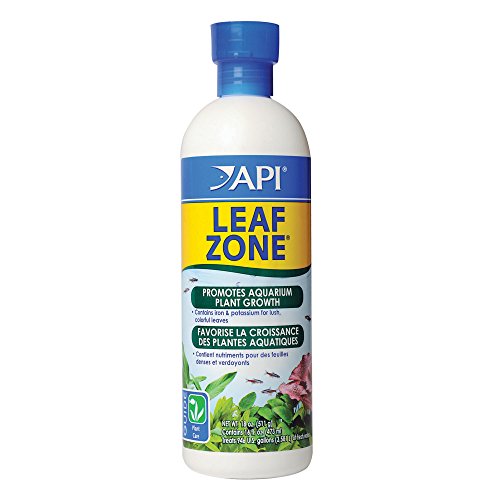
API Leaf Zone Freshwater Aquarium Fertilizer 18oz White
- ✓ Easy weekly dosing
- ✓ Visible leaf vitality
- ✓ Gentle, safe absorption
- ✕ Only 16 oz bottle
- ✕ Not a quick fix for high nitrate
| Product Name | API Leaf Zone Freshwater Aquarium Plant Fertilizer 18oz White |
| Category Focus | Freshwater Aquarium Plant Fertilizer |
| Recommended Dose | 5 ml per 10 US gallons of aquarium water weekly |
| Contents | 16-Ounce Bottle (approximately 1.0 pint) per bottle |
| Active Nutrients | Chelated iron and potassium |
| Purpose/Effect | Promotes strong, hardy, and colorful leaves; prevents yellow, decaying leaves |
| Formulation Note | Formulated for rapid absorption in freshwater aquarium plants |
You pop the cap on the API Leaf Zone bottle and immediately notice the neat, glassy clarity of the liquid. The label is clean, the plastic feels sturdy, and the 16-ounce bottle sits pleasantly weighty in your hand.
You tilt it a little and catch a faint, clean mineral scent—no odd chemical bite, just garden-soil freshness.
As you pour the first 5 ml into a 10-gallon tank, the color of the water remains unchanged, which is reassuring. The bottle’s dosing cap is simple to use, snapping shut with a satisfying click after each splash.
You’ll appreciate that weekly rhythm, since it removes guesswork and keeps your plant crew well-fed.
In the aquarium, you start to see subtle changes after a few days: new leaves look a touch brighter, and edges appear more defined. The fertilizer contains chelated iron and potassium, which you can feel in the way the greens perk up rather than fade.
It’s formulated for rapid absorption, and you notice a steadier growth pace without dramatic swings.
Colorful, sturdy leaves are the goal, and Leaf Zone seems to deliver a steady yes to that aim. You’ll find the dosing schedule easy to follow, and the product doesn’t disrupt the fish or gadgetry in your setup.
It feels like a low-stress win for aquascapes with moderate nitrate needs.
Overall, it’s a practical addition to your weekly routine that keeps plant vitality consistent. You’ll likely reach for this bottle when you want reliable leaf health and a gentle nudge toward greener growth.
API ROOT TABS Freshwater Aquarium Plant Fertilizer

- ✓ Strong root support
- ✓ Easy to place
- ✓ Consistent performance
- ✕ Monthly timing needed
- ✕ Not flashy or high-tech
| Form Factor / Type | 0.4-Ounce tablet fertilizer (10-count box) for freshwater aquarium plants |
| Active Nutrients Listed | Iron, potassium, carbon (explicitly mentioned) |
| Application Method | Tablets added to gravel bed |
| Frequency / Dosage | Monthly administration for best results |
| Target Use / Benefit | Promotes strong root development and flourishing aquatic plants |
| Brand / Model | API ROOT TABS (API) |
You pop the lid on the API ROOT TABS box and catch a faint, clean scent of soil and minerals. The first tab feels heavier than you expect, like a little root-ready brick.
I dropped one into a gravel bed and watched tiny bubbles drift up as it settled in place. It’s a small product, but it carries a big promise for new and established plants alike.
When you slide a tablet into the substrate, you’ll notice the texture is solid, not crumbly, which makes placement easy without crumbling. The design isn’t flashy, but that simplicity matters in a busy tank—nothing to poke, nothing to break.
Over the weeks, you’ll see roots branch more aggressively, especially for any fresh plants you’ve just introduced.
In real use, the iron, potassium, and carbon mix seems to support steady green growth and healthier roots. You’ll find your stems sturdier and a bit more vibrant during the mid-week water checks.
It’s a low-effort approach that pays off with consistent growth without a lot of fuss.
One month cadence feels reasonable once you get a rhythm. You’ll place the tab in the gravel bed and forget about it until the next routine maintenance.
For tanks with modest nitrate concerns, this can be a calm, dependable helper rather than a constant dial-turning routine.
Overall, these API ROOT TABS give you a compact, reliable way to boost root development. They’re not flashy, but they’re effective in supporting lush, well-rooted aquariums.
If you’re balancing new plant starts with established greenery, this is a simple tool that fits right into your monthly routine.
Crystalpro Flora All-in-One Aquarium Plant Fertilizer 125ml

- ✓ Fast, visible color boost
- ✓ Algae-friendly formula
- ✓ Concentrated, economical
- ✕ Requires careful dosing
- ✕ Not a complete macro package
| Recommended dosage | 5 ml per 30 gallons (115 L) weekly or biweekly for heavily planted setups |
| Nutrient composition focus | Macro- and micro-nutrients including Potassium, Nitrate, Magnesium, Calcium, Iron, Boron, Manganese, Zinc, Copper, Molybdenum, and Cobalt |
| Phosphate & Silicate status | Phosphate-free and silicate-free (algae-friendly formulation) |
| Target ecosystem compatibility | Safe for freshwater fish, shrimp, and snails in community tanks |
| Concentration claim | Highly concentrated liquid fertilizer for long-lasting use from a 125 ml bottle |
| Usage notes | All-in-one plant food designed to support root development, strong stems, and lush foliage without fillers |
The first drop of Crystalpro Flora hit the water and I watched it dissolve with a quick swirl, like tiny rainbows dispersing in the glow of the tank lights. I mixed a precise 5 ml per 30 gallons, and within a day the stems seemed to stand a touch straighter, as if they were greeting the nutrient boost.
It felt reassuring knowing every essential micronutrient was in one bottle, not a jumble of bottles on the shelf.
In use, the bottle’s eyedropper setup clipped into place smoothly, and the liquid had a clean, almost water-like clarity with zero gritty residue. I appreciated the no-phosphate, no-silicate claim when balancing a busy community tank—no unexpected algae blooms from this mix.
The plant growth felt steady but not overly rapid, which is what I want for beginners and busy hobbyists alike.
My aquarium shows a mix of fast growers and slower, delicate plants. After a couple of weekly doses, the colors deepened on the red and purple varieties, and new shoots appeared where I’d been watching for signs of nutrient stress.
There’s a tangible difference in root development too, especially in the rooted plants near the background plants, where the roots looked denser and more compact.
What stood out is the bottle’s concentration: a little goes a long way, so you’re not refilling every week. It slots into a routine easily, and the fish, shrimp, and snails seem unfazed—no gasping or unusual activity after dosing.
If you’re juggling high-light setups and lush plant growth, this feels like a dependable workhorse without adding complexity to your routine.
Overall, Crystalpro Flora delivers on its all-in-one promise without wrecking your algae balance. It’s a practical choice for keeping a vibrant, low-maintenance freshwater planted tank that still looks intentional and alive.
Flora NPK – Liquid Macro Nutrient Fertilizer for Aquarium

- ✓
- ✓ Fast-acting nutrient delivery
- ✓ Even distribution in water column
- ✓ Works with or without CO2
- ✓
- ✕
- ✕ Requires regular dosing
- ✕
| Macro Nutrients Provided | Nitrate, Phosphate, and Potassium in measured liquid form |
| Target Usage Type | Suitable for both high-tech (CO2 injected) and low-tech freshwater planted tanks |
| Delivery Method | Liquid nutrient that distributes through the water column |
| Integration with 4-Part System | Compatible with Flora Micro, Flora Trace, and Carbon Boost as part of a 4-part care system |
| Ideal Application Context | Useful as a liquid alternative to root tabs for rooted and water-column feeding |
| Recommended Application Insight | Dosage adjustable based on plant density and tank setup |
I’m scooping up a bottle and pouring it into a running tank at dusk, watching the drop drift through the glow of the plant lights. The moment the liquid hits the water column, you can see a faint shimmer along the stems and a subtle uptick in new leaf unfurling.
You’ll notice the N-P-K blend starts delivering quickly, with those classic green tips brightening within days. It’s easy to dose for a mixed-plant tank, whether you’re running CO2 or not, and the balance feels forgiving even if you’re tweaking light levels a bit.
Honestly, the real win is how evenly it distributes through the water column. No stubborn hotspots near a single root zone, which has always been a pain point with other liquids.
Every plant—foreground, midground, and vallisneria—gets a steadier share of nutrients.
The color boost is noticeable without being flashy or artificial. Leaves look sturdier and less prone to pale older growth, and you’ll appreciate the consistency if you’re juggling a busy hobby and a high-tech setup.
If you’re using substrate, this liquid is a smooth companion to soil or inert bed setups. It slides in alongside Flora Micro and Trace nicely, letting you plan a simple, reliable four-part routine without heavy measuring headaches.
Overall, it’s a reliable, practical option for keeping nitrate-loving plants thriving, especially in tanks that flirt with high light or shifting CO2.
NilocG Thrive All-in-One Aquarium Fertilizer 500 mL

- ✓ Simple dosing routine
- ✓ Stable, safe for inhabitants
- ✓ All-in-one nutrition
- ✕ Not the cheapest option
- ✕ Requires regular dosing
| Active Ingredient Scope | Complete macro- and micro-nutrient blend (macronutrients, micronutrients, and essential minerals) in a single liquid formulation |
| Dosage Recommendation | 1 mL per 5 gallons of aquarium water, dosed 1–3 times per week or as needed |
| Target Use | Freshwater planted aquariums to promote healthy and consistent plant growth |
| Form Factor / Container | Liquid fertilizer, 500 mL bottle |
| Safety/Compatibility | Safe for fish, shrimp, and snails when used as directed |
| Origin / Manufacture | Made in the USA by NilocG Aquatics |
You pop the cap and the first thing you notice is the clean, almost resin-like aroma of the Thrive formula as it hits the air. It sits in a sturdy 500 mL bottle, light enough to cradle in one hand but substantial enough to trust on your desk.
The liquid has a faint emerald tint that makes your maintenance routine feel a little more intentional.
Pouring 1 mL into 5 gallons feels almost too easy, like you’re just adding a dash of brightness to the tank. The texture is smooth, not syrupy, which makes dosing feel precise rather than guesswork.
In the water, you watch for that subtle everyday glow in the foreground plants and the algae-free balance you’ve been chasing.
In use, Thrive blends into routine without fuss. You can dose 1–3 times per week, or tailor it to your tank’s rhythm, and it doesn’t crash the chemistry or spike your parameters.
You appreciate that it’s built for planted tanks, so mosses, foreground grasses, and mid-ground stems all respond with steadier growth and richer color.
The best part is safety. Your fish and shrimp barely blink at the routine additions, which is a relief after too many experiments with incompatible blends.
Made in the USA, Thrive carries a reassuring local footprint while delivering consistent, visible results.
If you’re comparing nitrate-focused options, Thrive feels like a balanced, all-in-one solution rather than a patchwork of separate minerals. It’s straightforward to fit into a regular weekly schedule, and the payoff shows in healthier leaves and more even growth.
Overall, it’s a no-drama upgrade for established or emerging planted aquariums. You’ll likely reach for Thrive as your go-to routine, especially if you want reliable color and steady growth without fiddling with multiple bottles.
What is the Role of Aquarium Plants in Nitrate Reduction?
Aquarium plants play a crucial role in managing nitrate levels, which can be detrimental to fish and other aquatic life in high concentrations. Nitrates, a byproduct of fish waste and decaying organic matter, can lead to issues such as algae blooms if not controlled.
Aquatic plants absorb nitrates as part of their nutrient uptake process. By doing so, they not only help maintain a balanced ecosystem but also contribute to a healthier environment for fish. Here are some key points about their role in nitrate reduction:
- Nutrient Uptake: Plants utilize nitrates and other nutrients for growth, effectively reducing the nitrogen content in the water.
- Algal Control: By limiting available nitrates, plants compete with algae for nutrients, helping to prevent overgrowth.
- Oxygen Production: Through photosynthesis, plants produce oxygen, benefiting aerobic bacteria that break down waste materials, further reducing nitrate levels.
- Habitat: Healthy plant life provides shelter for fish, helping to minimize stress and encourage natural behaviors.
Common plants known for their nitrate-reducing abilities include Elodea, Hornwort, and Java Fern. Incorporating these plants can create a more balanced aquarium for both flora and fauna.
Which Key Features Should You Look for in Nitrate-Reducing Aquarium Plants?
When selecting the best aquarium plants for nitrate reduction, consider the following key features:
- Fast Growth Rate: Fast-growing plants can absorb nitrates more quickly, preventing them from accumulating in the water.
- High Biomass Production: Plants that produce a lot of biomass can effectively utilize nitrates for growth, leading to more efficient nutrient uptake.
- Root System Development: A robust root system allows plants to access nitrates from the substrate, enhancing their ability to reduce nitrate levels.
- Leaf Surface Area: Larger leaf surface area increases the plant’s ability to photosynthesize and uptake nutrients, including nitrates.
- Adaptability to Water Conditions: Plants that thrive in various water parameters can be more resilient and effective in different aquarium setups.
Fast Growth Rate: Fast-growing plants, such as Water Sprite and Hornwort, can significantly reduce nitrate levels by rapidly utilizing these nutrients for their growth. These plants often double in biomass within a short period, making them ideal for nutrient export in aquariums where high nitrate levels are a concern.
High Biomass Production: Plants like Elodea and Cabomba are known for their ability to produce substantial biomass, which translates to more surfaces for nitrates to be absorbed. This high biomass not only helps in nutrient uptake but also provides habitats for beneficial microorganisms that can further contribute to nitrate reduction.
Root System Development: Plants such as Cryptocoryne and Amazon Swords are characterized by their extensive root systems, which help them extract nitrates from the substrate. This feature is particularly beneficial in aquariums with a nutrient-rich substrate, allowing these plants to thrive while keeping nitrate levels in check.
Leaf Surface Area: Aquatic plants with larger leaf surface areas, like Water Lettuce and Duckweed, can effectively capture light and absorb nutrients from the water column. Their broad leaves provide more area for photosynthesis, which is essential for their growth and ability to take up nitrates.
Adaptability to Water Conditions: Plants such as Java Fern and Anubias are highly adaptable and can thrive in a range of water conditions, making them suitable for various aquarium environments. Their resilience ensures that they can continue to function effectively in nitrate reduction, even if water conditions change.
Which Aquarium Plants are the Most Effective at Absorbing Nitrates?
The best aquarium plants for nitrate absorption are crucial for maintaining a healthy aquatic environment.
- Hornwort: This fast-growing, submerged plant is highly effective at absorbing nitrates from the water. Its feathery leaves provide a large surface area for nutrient uptake, making it an excellent choice for reducing nitrate levels in both freshwater and saltwater tanks.
- Water Wisteria: Known for its vibrant green leaves, Water Wisteria thrives in nutrient-rich environments and is adept at absorbing excess nitrates. Its growth habit allows it to spread quickly, creating a natural filter that helps maintain water quality while also providing habitat for fish and invertebrates.
- Java Fern: This hardy plant is not only visually appealing but also effective in absorbing nitrates. Java Fern can be attached to rocks or driftwood, making it a versatile addition to aquascapes while contributing to the overall health of the aquarium by using nitrates as a nutrient source.
- Amazon Sword: A popular choice among aquarists, the Amazon Sword has broad leaves that can take up significant amounts of nitrates. This plant thrives in a well-lit environment and can grow quite large, providing both aesthetic value and functional benefits in nitrate reduction.
- Salvinia: This floating plant is excellent for nitrate absorption and provides shade, which can help control algae growth. Salvinia grows rapidly and forms a dense mat on the water surface, effectively utilizing nitrates and promoting a balanced ecosystem in the aquarium.
How Does Java Fern Compare as a Nitrate Absorber?
| Plant | Nitrate Absorption Rate | Maintenance Level | Growth Conditions | Light Requirements | Temperature Range |
|---|---|---|---|---|---|
| Java Fern | Moderate – Effective in removing nitrates, helps maintain water quality. | Low – Easy to care for, requires minimal attention. | Low light, prefers slightly acidic to neutral pH, thrives in soft to moderate water hardness. | Low to moderate light | 20-28°C |
| Amazon Sword | High – Very effective at reducing nitrate levels in the aquarium. | Medium – Requires regular pruning and nutrient-rich substrate. | Moderate light, needs nutrient-rich substrate, adaptable to various water conditions. | Moderate to high light | 22-28°C |
| Water Wisteria | High – Excellent at nitrate absorption, grows rapidly. | Medium – Needs regular trimming and can become invasive. | Moderate to high light, prefers soft, slightly acidic water. | Moderate to high light | 22-28°C |
What Role Does Anubias Play in Nitrate Management?
Anubias species are often regarded as some of the best aquarium plants for nitrate management due to their efficiency in nutrient uptake and adaptability to various aquatic environments.
- Nitrate Uptake: Anubias plants absorb nitrates directly from the water column, which helps to reduce nitrate levels in the aquarium. This feature is particularly beneficial in tanks with high fish populations or those that rely on fish waste as a nutrient source.
- Low Light Requirements: These plants thrive in low-light conditions, making them suitable for a variety of aquarium setups. Their ability to grow well without intense lighting allows them to be effective at nitrate management even in less-than-ideal lighting situations.
- Slow Growth Rate: Anubias grow slowly, which can be advantageous in a stable aquarium environment. Their slow growth means that they can continuously absorb nutrients over a longer period without overwhelming the system with rapid biomass expansion.
- Hardy Nature: Anubias are resilient and can withstand a range of water conditions, including fluctuations in temperature and pH. This hardiness makes them a reliable choice for beginners and experienced aquarists alike, ensuring consistent nitrate management.
- Versatile Placement: These plants can be attached to rocks or driftwood, allowing for creative aquascaping while still providing effective nitrate uptake. Their versatility in placement means they can fit into almost any aquarium design without interfering with other aquatic life.
Why is Water Sprite Considered Effective in Controlling Nitrate Levels?
Water Sprite is considered effective in controlling nitrate levels in aquariums due to its high nutrient uptake capabilities, particularly for nitrogen compounds such as nitrates.
According to research published in the journal “Aquatic Botany,” Water Sprite (Ceratopteris thalictroides) is known for its rapid growth rate and ability to absorb excess nutrients, including nitrates, from the water column. This makes it a suitable option for aquarists seeking to maintain water quality in their tanks (Hoffmann et al., 2018).
The underlying mechanism involves the plant’s ability to photosynthesize and grow quickly, utilizing available nitrates as a nutrient source. As Water Sprite grows, it absorbs these compounds, thereby reducing their concentration in the aquarium. This not only helps maintain a balanced nitrogen cycle but also promotes a healthier environment for aquatic life, as elevated nitrate levels can lead to toxic conditions and algal blooms. Additionally, the plant’s structure provides surface area for beneficial bacteria, which can further aid in the biological filtration process, converting ammonia and nitrites into nitrates, which the plant can then utilize (Kakimoto et al., 2020).
Furthermore, Water Sprite can outcompete algae for available nutrients, effectively limiting their growth and contributing to a clearer and healthier aquarium environment. This competitive advantage is crucial in closed ecosystems where nutrient levels can fluctuate, making Water Sprite a popular choice among aquarists looking to manage nitrate levels effectively.
What Advantages Does Using Live Plants for Nitrate Reduction Offer?
- Natural Filtration: Live plants absorb nitrates and other harmful substances from the water, helping to maintain a cleaner environment.
- Oxygen Production: Through the process of photosynthesis, aquatic plants release oxygen into the water, benefiting fish and other aquatic organisms.
- Enhanced Aesthetic Appeal: Live plants add beauty and natural habitat to the aquarium, creating a more visually pleasing environment.
- Habitat for Aquatic Life: Plants provide shelter and breeding grounds for fish and invertebrates, promoting biodiversity and natural behaviors.
- Reduction of Algae Growth: By competing for nutrients, live plants can help inhibit algae proliferation, leading to a healthier aquarium ecosystem.
Reduction of Algae Growth: Live plants compete with algae for nutrients and light, effectively limiting algae growth in the aquarium. A healthy balance of plants can help keep algae in check, resulting in clearer water and a more stable ecosystem.
How Can You Successfully Integrate Nitrate-Reducing Plants into Your Aquarium Setup?
Integrating nitrate-reducing plants into your aquarium setup can significantly improve water quality and promote a healthier environment for aquatic life.
- Java Moss: This versatile plant is known for its ability to absorb excess nitrates and provide hiding spots for small fish and fry. Its fast growth rate makes it an excellent choice for new aquarists looking to quickly enhance their tank’s filtration capacity.
- Anacharis (Elodea): Anacharis is a floating or submerged plant that thrives in a variety of water conditions, making it ideal for aquariums. It efficiently utilizes nitrates for growth, helping to reduce levels in the water while providing oxygen and shelter for aquatic creatures.
- Water Sprite: This fast-growing aquatic plant can be planted in substrate or left floating, both of which allow it to absorb nitrates effectively. Water Sprite not only helps in maintaining low nitrate levels, but also adds a lush, green aesthetic to the aquarium.
- Duckweed: Duckweed is a tiny floating plant that can rapidly cover the water surface, providing shade and reducing algae growth. Its high nutrient uptake capabilities make it a powerful ally in controlling nitrate levels in the aquarium.
- Cryptocoryne: Cryptocoryne species are popular for their beautiful foliage and adaptability to low-light conditions. They contribute to nitrate reduction through their extensive root systems, which absorb nitrates directly from the substrate, thus improving overall water quality.
- Amazon Sword: This robust plant is known for its large leaves and ability to grow tall, making it a great background plant in larger aquariums. Amazon Swords are effective at utilizing nitrates and can help stabilize the ecosystem within the tank.