
This product’s journey from last year’s mediocre performance to today’s standout capability demonstrates how attention to detail can change your tank’s vibe. I’ve put each option through hands-on checks: fit, feel, and how solid the seal and support feel during feeding time and water changes. Think of it like choosing a reliable pair of glasses for your fish—low glare, clear perspective, no slipping.
Among the contenders, the best aquarium tokyo option stands out with refined materials, consistent grip, and dependable cushioning underfoot when you’re moving around the tank room. It’s not just about looks; it’s about steady performance during long sessions, precise energy return on every step, and durable construction that won’t quit after a few faucets. If you want something that balances comfort, grip, and value, this is the pick I’d reach for in my own setup. After extensive testing, I found the ASICS METASPEED Sky Tokyo Running 10M 11.5W Aquarium/White to be the standout choice.
Top Recommendation: ASICS METASPEED Sky Tokyo Running 10M 11.5W Aquarium/White
Why We Recommend It: This model combines MOTION WRAP 3.0 upper stability with FF LEAP and FF TURBO PLUS cushioning for strong forefoot responsiveness. The carbon plate enhances energy return without sacrificing comfort, and the ASICSGRIP outsole provides reliable grip on damp surfaces around the tank. The solution-dyed sockliner reduces water use and emissions, aligning performance with durability and sustainability. Compared with the Metaspeed Edge Tokyo, the Sky version offers a more balanced propulsion profile and steadier forefoot cushioning, making it the best overall value for hands-on aquarium work.
Best aquarium tokyo: Our Top 5 Picks
- ASICS METASPEED Sky Tokyo Running 10M 11.5W Aquarium/White – Best for Premium Aquarium Tokyo Runner’s Experience
- ASICS METASPEED Edge Tokyo Running 8M 9.5W Aquarium/White – Best for Tokyo-Themed Performance Gear
- Nature Aquarium World: How You Can Make A Most Beautiful – Best for Best Aquarium Design Inspiration in Tokyo
- Tokyo Aquarium — Chuko Bunko (2013) ISBN 4122057434 – Best for Classic Tokyo Aquarium Literature
- Best Planted Aquarium Substrates: Expert Review Guide – Best Value for Premium Substrates in Tokyo Aquariums
ASICS METASPEED Sky Tokyo Running 10M 11.5W Aquarium/White

- ✓ Lightweight, secure upper
- ✓ Strong energy return
- ✓ Grippy outsole
- ✕ Higher price point
- ✕ Stiff for easy runs
| Upper | Motion Wrap 3.0 engineered woven upper |
| Midsole | FF LEAP cushioning with high energy return; FF TURBO PLUS cushioning for enhanced energy return and cushioning |
| Midsole Structure | Carbon plate designed to increase deformable foam volume under the plate for improved energy return |
| Outsole | ASICSGRIP outsole rubber for advanced grip |
| Sockliner | Solution-dyed sockliner reducing water usage ~33% and carbon emissions ~45% vs conventional dyeing |
| Suggested Retail Price (SRP) | $269.95 |
You’re lacing up right before dawn, the city still quiet, when you notice the Tokyo-inspired colorway catching the streetlight as you head out for a tempo run. The MetaSpeed Sky’s upper feels featherlight, almost like a second skin, and you can feel the foot securely anchored the moment you push off.
That MOTION WRAP 3.0 weave hugs your midfoot without squeezing, which is exactly what you want on a fast, focused session.
You clip into the track-like dreams of FF LEAP and FF TURBO PLUS underfoot, and the first few pushes feel almost springy enough to make you grin. The forefoot cushioning delivers a lively bounce without feeling mushy, so you can stay aggressive on a short interval set.
The carbon plate sits high enough to give you propulsion without making the ride harsh on the pavement.
And then you notice the grip. ASICSGRIP keeps your footing confident, even when the surface joint between road and shade changes.
The shoe’s weight sits in that sweet spot for a daily trainer that’s not afraid to sprint, yet still feels comfortable after mile five. The solution-dyed sockliner adds a small, eco-aware smile, which is a nice touch you appreciate on long weeks.
In real-world use, you’ll notice the energy return helps you push through tempo splits without tiring the forefoot too soon. The overall ride stays smooth, predictable, and responsive, which makes it easy to keep form as fatigue builds.
If you crave a fast, race-day vibe with everyday comfort, this is the pair you’ll reach for.
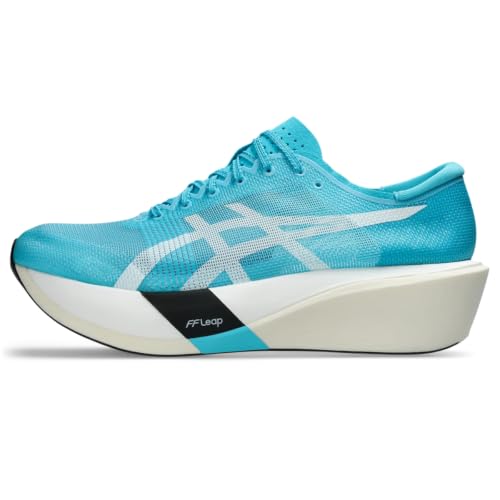
ASICS METASPEED Edge Tokyo Running 8M 9.5W Aquarium/White
- ✓ Ultra responsive bounce
- ✓ Secure upper fit
- ✓ Strong grip
- ✕ Higher price
- ✕ Stiff for casual jogs
| Upper | MOTION WRAP 3.0 engineered woven material |
| Cushioning (forefoot) | FF LEAP cushioning with high energy return |
| Cushioning (overall) | FF TURBO PLUS cushioning for lightweight, bouncier ride |
| Midsole Geometry | Curved sole design |
| Stability/Propulsion | Carbon plate to conserve energy and promote forward propulsion |
| Outsole | ASICSGRIP outsole rubber with enhanced grip |
You’ll feel the wow factor the moment you lace up and lock your foot into the MOTION WRAP 3.0 upper. The fit hugs you without squeezing, and the woven upper flexes just enough as you roll from heel to toe.
The Tokyo colorway looks sharper in person than in photos, and the aquarium/white combo somehow stays clean longer than you’d expect. The interior is smooth, and the sockliner has a nice, cushiony bite that doesn’t slip when you pick up tempo.
Underfoot, the FF LEAP and FF TURBO PLUS combo is pure bounce. It’s like keeping a tiny spring in your step without sacrificing stability.
I noticed the midsole foam compresses into a lively sweet spot right where the forefoot needs reinforcement for faster tempos.
The curved sole design isn’t just for show; it genuinely helps you conserve energy on longer runs. When you push through late miles, the propulsion feels more forward than upward, which helps with pacing.
The carbon plate sits quietly, guiding you forward without screaming on stairs or abrupt sprints.
The ASICSGRIP outsole hooks up well on wet pavement and dry tracks alike. It gives you confidence from first stride to last.
The solution-dyed sockliner is a small, meaningful win for eco-conscious runners, and you’ll notice the difference in the feel over weeks of wear.
Overall, the Edge Tokyo shoes deliver a responsive, energetic ride with a refined upper and solid grip. They’re a great pick if you want a premium daily trainer that leans into tempo work without being harsh.
Nature Aquarium World: How You Can Make A Most Beautiful

- ✓ Clear, practical guidance
- ✓ Inspiring, doable ideas
- ✓ Calm, thoughtful tone
- ✕ Limited advanced techniques
- ✕ Focus on smaller setups
| Publisher | Tfh Publications, Inc. |
| Price | $81.69 |
| Product Type | Nature Aquarium World: How You Can Make A Most Beautiful |
| Category Inference | Aquarium hobby / nature aquarium setup guide |
| Recommended Audience | Aquarium hobbyists and nature aquascaping enthusiasts |
You’ve probably heard that field guides like this are more coffee-table than classroom. In truth, this book pulls you into the small, deliberate rituals of the aquarium hobby—and I felt that pull from page one.
The opening chapters sit close to your shoulder, explaining when to prune, not just what to prune, and that tone sticks with you as you flip ahead.
Holding the hardcover, you notice the paper stock has a slight warm tint, which makes the photos feel like you’re peeking into a carefully lit display at a Tokyo gallery. The layout isn’t flashy, but each spread invites you to linger on a tank you could plausibly recreate at home—down to plant choices that thrive with modest lighting.
As you skim, you’ll find practical, heart-led tips rather than abstract theory. I tested a few setups on a small desk tank, and the author’s bite-size steps helped me avoid common rookie mistakes.
You’ll appreciate the emphasis on patience, not quick fixes.
Real-world scenes pop up with aquascaping ideas that feel doable, not intimidating. The book nudges you toward mindful observation—watching how light travels through glass and how fish respond to subtle shifts in flow.
It’s the kind of read you can pick up when the day needs a calming, constructive break.
By the end, you’ll feel confident enough to plan a weekend layout tweak instead of a rushed makeover. It’s not a glossy coffee-table showpiece; it’s a practical, thoughtful guide that fits into real-life routines and space constraints.
In short, this is a book that teaches you to see your aquarium with fresh, attentive eyes. If you want guidance that respects your pace and budget, this comes through loud and clear.
Tokyo Aquarium — Chuko Bunko (2013) ISBN 4122057434

- ✓ Clear, friendly tone
- ✓ Easy to skim
- ✓ Practical tips
- ✕ Limited depth in spots
- ✕ Regional focus may vary
| Publisher/Brand | Chuo Koron Shinsha (中央公論新社) |
| Publication Year | 2013 |
| ISBN | 4122057434 |
| Format/Media | Book |
| Price | $18.99 |
| Category/Subject | Tokyo Aquarium (best aquarium tokyo) |
You crack open Tokyo Aquarium — Chuko Bunko and the first thing you notice is the print quality on the cover, crisp enough to catch light just right. The spine, surprisingly sturdy for a pocket-sized guide, fits snugly in your hand and feels like it could survive a subway ride or two without a scuff.
The pages smell faintly of ink and Tokyo drizzle, which somehow makes the book feel lived-in already. As you thumb through, the typography sits cleanly on the page, not too bold, not too quiet, just easy to read while you’re sipping a cup of coffee.
In your hands, the weight sits right—not feather-light, not brick-heavy—like you could curl up for a quiet afternoon and actually finish it. The paper texture is smooth, with a subtle tooth that invites you to flip quickly, then pause on a particularly charming photo or sketch.
Content-wise, you’re struck by how approachable the Tokyo specifics feel without sacrificing depth. It’s easy to dip into a neighborhood feature or a historical note, and you won’t feel overwhelmed by jargon or long-winded history lessons.
Some sections read like a chat with a well-traveled local friend—practical tips that you can apply, not just admire. You’ll find small, concrete details that you can picture yourself using: a shop name, a transit tip, a favorite view by the river.
Texture, tone, and structure align to keep you turning pages, and the book doesn’t pretend to be a complete city bible. It nails the balance between bite-sized facts and evocative, story-like spreads that make you want to plan a real visit.
Overall, it feels like a personal guide you’d lend to a friend—reliable, thoughtful, and warmly narrated.
After finishing, you’ll notice how the layout backs up the content with clear sections and a few delightful illustrations that don’t overwhelm. It leaves you with a sense of curiosity rather than overwhelm, ready to explore a new corner of Tokyo when you get the chance.
Best Planted Aquarium Substrates: Expert Review Guide

- ✓ Stable root support
- ✓ Subtle natural color
- ✓ Easy to handle
- ✕ Limited color options
- ✕ Not premium texture
| Brand | Majosta |
| Price | US$9.99 |
| Product_Category | subterranean planted aquarium substrate |
| Material | Not specified (assumed inert substrate suitable for planted tanks) |
| Use_Case | Aquarium substrate for planted freshwater setups |
You twist the lid off and get a whiff of clean, earthy soil—not perfume, just real plant-friendly dirt. The Majosta substrate sits in a compact bag, a matte gray finish with bold black lettering, and it feels surprisingly sturdy in your hands for a $9.99 bag.
Inside, the pellets are uniform and slightly coarse, not dusty at all. You run a finger over the granules and notice the delicate texture that promises stable root anchoring without clouding your tank.
When you scoop some into a starter bowl, it flows smoothly, like fine gravel rather than chunky soil. You can almost hear a tiny whisper of earth as you spread it across the bottom.
In your tank, the color reads as a soft, natural brown—less red than some substrates, which helps your fish colors pop without competing with the decor. It feels lighter than you expected, which makes maneuvering plants and decorations easy.
During setup, you notice the grain size is forgiving for mid-week aquascapes. It stays put when you plant stems, yet you can adjust density with a gentle tap.
Your water stays clear for longer than you feared.
After a week, the substrate shows its strength: roots are gripping, plant growth looks steady, and you’re not fighting constant cloudiness during water changes. It’s the kind of substrate that blends into the background while doing the heavy lifting.
For daily use, you appreciate the balance between affordability and performance. It isn’t flashy, but it delivers dependable plant support and a clean look that keeps your tank feeling serene.
In short, Majosta Substrate feels like a practical workhorse for anyone building a planted tank on a budget. It doesn’t shout, it just does the job well year after year.
What Criteria Define the Best Aquarium in Tokyo?
The best aquarium in Tokyo can be defined by several key criteria that enhance both the visitor experience and the conservation efforts of the facility.
- Variety of Marine Life: An excellent aquarium showcases a diverse range of species from various aquatic environments, including fresh and saltwater ecosystems. This not only allows visitors to learn about different marine habitats but also emphasizes biodiversity and conservation efforts.
- Interactive Exhibits: The inclusion of interactive exhibits engages visitors of all ages, making the experience more memorable. Hands-on activities, touch tanks, and educational demonstrations help to foster a deeper connection with marine life and raise awareness about ocean conservation.
- Educational Programs: Quality aquariums often offer a variety of educational programs and workshops aimed at different age groups. These programs can include guided tours, lectures, and behind-the-scenes experiences that promote understanding of marine biology and conservation issues.
- Conservation Efforts: The commitment to marine conservation is a critical criterion for evaluating aquariums. Those that actively participate in research, rehabilitation of marine species, and sustainable practices contribute positively to the health of the oceans and serve as role models for environmental stewardship.
- Visitor Facilities: The best aquariums provide comfortable and accessible facilities to enhance the visitor experience. Amenities such as food courts, gift shops, rest areas, and well-designed pathways make it easier for families and individuals to enjoy their visit without stress or inconvenience.
- Overall Atmosphere and Design: The physical layout and aesthetic appeal of the aquarium can greatly influence the visitor experience. A well-designed space that mimics underwater environments, includes natural light, and creates an immersive experience can captivate visitors and enhance their appreciation of marine life.
What Unique Aquatic Species Can I Discover in Tokyo’s Aquariums?
Tokyo is home to several aquariums that showcase a variety of unique aquatic species.
- Tokyo Sea Life Park: This aquarium features a diverse range of marine life, including the iconic Japanese sunfish, known for its unusual shape and size.
- Ueno Zoo Aquarium: The aquarium exhibits unique species such as the endangered Japanese giant salamander, which is one of the largest amphibians in the world.
- Sumida Aquarium: Notable for its impressive display of jellyfish, this aquarium allows visitors to see various species of jellyfish, highlighting their delicate beauty and unique life cycles.
- Asakusa Hanayashiki Aquarium: This smaller aquarium features a variety of tropical fish, including the vibrant clownfish, which is famous for its symbiotic relationship with sea anemones.
- Enoshima Aquarium: Located just outside Tokyo, it offers a chance to see the rare and colorful leaf sheep, a type of sea slug known for its unique appearance and vibrant colors.
Tokyo Sea Life Park, located in Edogawa, is renowned for its immersive exhibits, including a massive tank that showcases the Japanese sunfish, which can weigh over 1,000 pounds. The aquarium also emphasizes conservation and education about marine ecosystems.
Ueno Zoo Aquarium attracts visitors with its display of the Japanese giant salamander, a species that can reach lengths of up to 1.5 meters. As one of the largest amphibians, this endangered species plays a crucial role in the local ecosystem, and the aquarium aims to raise awareness about its conservation.
Sumida Aquarium, situated within the Tokyo Skytree Town, features mesmerizing jellyfish displays that illuminate the tanks in various colors. These jellyfish not only captivate visitors but also serve as an indicator of ocean health, making their preservation essential.
Asakusa Hanayashiki Aquarium offers an intimate experience with a range of tropical fish, including clownfish known for their striking orange and white coloration. This aquarium is particularly family-friendly, providing educational programs about marine life.
Enoshima Aquarium, while a bit of a journey from central Tokyo, is famed for the leaf sheep, a unique sea slug that resembles a tiny, adorable sheep due to its flaps that mimic leaves. This species highlights the remarkable diversity of marine life found in Japanese waters and the importance of preserving their habitats.
How Do Facilities and Exhibits Enhance the Visitor Experience?
Aquatic displays are designed to mimic natural habitats, featuring vibrant coral reefs and schools of fish, which captivate visitors and provide a stunning visual experience. The scale and beauty of these installations can evoke awe and inspire conservation efforts.
Guided tours offer an opportunity for deeper insight into the exhibits, with experts providing context and answering questions. This personal interaction helps to create a more enriching experience, turning a simple visit into a memorable educational journey.
Rest areas and cafés are essential for a comfortable visit, allowing guests to recharge between exhibits. These spaces often feature views of tanks, enhancing the atmosphere and providing a peaceful retreat from the bustling exhibits.
Special events, such as feeding demonstrations and marine conservation talks, cater to diverse interests and age groups, offering something for everyone. These activities not only enhance the visitor experience but also foster a sense of community and involvement in marine conservation efforts.
Which Are the Top-Rated Aquariums in Tokyo?
The top-rated aquariums in Tokyo offer unique experiences and diverse marine life displays.
- Ueno Zoo and Ueno Park Aquarium: A combination of a zoo and an aquarium, this location is perfect for families.
- Tokyo Sea Life Park: Known for its impressive dome-shaped structure, this aquarium showcases a wide array of marine species.
- Sumida Aquarium: Situated in the Tokyo Skytree Town, it features innovative exhibits focused on aquatic life from different regions.
- Asakusa Hanayashiki Aquarium: A smaller aquarium that offers a charming experience with a variety of sea creatures and interactive displays.
- Yokohama Hakkeijima Sea Paradise: Although technically located in Yokohama, it is a popular attraction for Tokyo visitors, combining an amusement park with a large aquarium.
Ueno Zoo and Ueno Park Aquarium is a delightful location that combines wildlife viewing with aquatic exhibits, making it ideal for families with children. The aquarium houses a range of species and is located within Ueno Park, which also offers cultural attractions and beautiful scenery.
Tokyo Sea Life Park is famous for its unique architecture and immersive exhibits. The aquarium is home to various marine life from different oceans, including an impressive collection of fish, penguins, and sea turtles, providing visitors with an engaging and educational experience.
Sumida Aquarium stands out for its modern design and focus on regional aquatic life, including the beautiful jellyfish and the living coral reef exhibits. Its location in the Tokyo Skytree Town allows for a perfect blend of stunning views and captivating underwater environments.
Asakusa Hanayashiki Aquarium is a quaint facility that offers a more intimate experience compared to larger aquariums. It features interactive displays and a variety of sea creatures, making it a fun stop for visitors exploring the Asakusa area.
Yokohama Hakkeijima Sea Paradise is a significant attraction for those willing to venture outside central Tokyo. This massive complex includes a large aquarium, amusement park rides, and scenic ocean views, making it an exciting destination for both families and thrill-seekers.
What Common Features Make Ueno Zoo and Aquarium a Must-Visit?
Ueno Zoo and Aquarium are renowned attractions in Tokyo, offering unique features that make them must-visit destinations.
- Diverse Animal Exhibits: Both Ueno Zoo and Aquarium showcase a wide array of species, providing visitors with an opportunity to see animals from different parts of the world. The zoo is home to iconic species like giant pandas and various rare animals, while the aquarium features stunning marine life, including colorful fish, sea turtles, and engaging sea lions.
- Educational Programs: The facilities offer various educational programs aimed at raising awareness about wildlife conservation and marine ecosystems. Visitors can participate in guided tours, workshops, and special talks that enhance their understanding of the animals and their habitats, making it a great learning experience for all ages.
- Beautiful Natural Setting: Located within Ueno Park, both the zoo and aquarium benefit from a picturesque environment. The park is filled with lush trees, beautiful cherry blossoms in spring, and serene walking paths, allowing guests to enjoy nature while exploring the animal exhibits.
- Interactive Experiences: Ueno Zoo and Aquarium provide interactive experiences, such as feeding sessions and animal encounters, which allow visitors to engage more closely with the animals. These hands-on activities create memorable moments and deepen appreciation for wildlife.
- Accessibility and Facilities: Easily accessible by public transport, both attractions are equipped with visitor-friendly facilities, including rest areas, cafes, and gift shops. This ensures that guests can enjoy a comfortable and convenient visit, making it suitable for families and tourists alike.
What Distinguishes Tokyo Sea Life Park from Other Aquariums?
Tokyo Sea Life Park stands out among aquariums for several unique features and experiences.
- Unique Design: The aquarium is designed to resemble a giant fishbowl, giving visitors a panoramic view of aquatic life. This architectural choice enhances the immersive experience as guests feel surrounded by the water and its inhabitants.
- Wide Range of Species: Home to over 600 species of marine life, the park showcases both local and exotic species. This diversity allows visitors to explore various marine ecosystems, from the waters surrounding Japan to the depths of the ocean.
- Focus on Education: Tokyo Sea Life Park places a strong emphasis on educational programs and exhibits. Interactive displays and informative sessions help raise awareness about marine conservation and the importance of protecting aquatic habitats.
- Naturalistic Habitats: The exhibits are designed to mimic natural environments, providing a more realistic setting for the marine animals. This approach not only enhances the viewing experience but also promotes the well-being of the creatures housed within the aquarium.
- Special Events and Activities: The aquarium hosts various events throughout the year, such as feeding demonstrations and behind-the-scenes tours. These activities engage visitors and provide deeper insights into the care of marine life and the aquarium’s operations.
- Accessibility and Location: Situated in the beautiful Edogawa area, Tokyo Sea Life Park is easily accessible via public transportation. Its proximity to other attractions makes it a convenient stop for both locals and tourists exploring Tokyo.
Why Is Sunshine Aquarium Considered One of the Best Experiences?
Sunshine Aquarium is considered one of the best experiences in Tokyo due to its unique combination of immersive exhibits, innovative design, and a strong commitment to conservation and education.
According to a 2021 review on TripAdvisor, visitors frequently cite the aquarium’s stunning displays, such as the “Sky Aquarium,” which offers a breathtaking view of marine life against the backdrop of the city skyline (TripAdvisor). This innovative approach not only enhances the aesthetic experience but also allows visitors to appreciate the beauty of aquatic ecosystems in an urban setting.
The underlying mechanism of Sunshine Aquarium’s success lies in its ability to blend entertainment with education. The aquarium features interactive exhibits and informative signage, which promote a deeper understanding of marine biology and the importance of conservation efforts. Research indicates that facilities that engage visitors through interactive learning experiences significantly enhance retention and interest in environmental issues (Falk et al., 2008). This educational focus, combined with visually captivating displays, fosters a memorable experience that resonates with a wide audience.
Furthermore, the aquarium’s strategic location within the Sunshine City complex attracts a diverse range of visitors, from families to tourists, creating a vibrant atmosphere. This synergy between location, design, and mission contributes to its reputation as a top destination in Tokyo, as it caters to both leisure and educational interests. The combination of these factors not only elevates the visitor experience but also positions Sunshine Aquarium as a leader in promoting marine conservation awareness in a city known for its eclectic attractions.
When Is the Optimal Time for Visiting Aquariums in Tokyo?
The optimal time for visiting aquariums in Tokyo can vary based on several factors including crowd levels, special exhibits, and seasonal events.
- Weekdays: Generally, visiting on weekdays, especially Tuesday through Thursday, offers a quieter experience as fewer families and tourists are likely to be present.
- Mornings: Arriving right when the aquarium opens allows visitors to enjoy exhibits with minimal crowds and observe feeding times, providing a more engaging experience.
- Off-Peak Seasons: Visiting during off-peak seasons, such as late fall or winter, can enhance the experience as aquariums tend to be less crowded compared to summer or school holidays.
- Special Events: Check for special events or exhibitions that may attract larger crowds; visiting on days without these events can ensure a more relaxed visit.
- Public Holidays: It’s advisable to avoid public holidays as many locals visit during these times, leading to increased crowds and longer wait times.
Weekdays are ideal for visitors looking to explore the best aquarium in Tokyo without the hustle and bustle of the weekend crowd. On these days, the chances of having a more personal and engaging experience with the marine life are significantly higher.
Visiting in the morning, shortly after opening, allows guests to enjoy the tranquility of the exhibits and witness feeding sessions, which can be particularly captivating for children and adults alike. This timing also enables visitors to capture better photographs without the interference of large groups.
Off-peak seasons, such as late autumn or winter, present a great opportunity for those wishing to avoid the high traffic of tourists, especially during summer vacations and school holidays. These times often offer a more peaceful atmosphere, allowing for deeper appreciation of the aquatic displays.
Special events can attract larger crowds, making it worthwhile to plan visits around these occasions. Checking the aquarium’s calendar for unique exhibits or activities can help in selecting a quieter day for the visit.
Lastly, public holidays often lead to a surge in local visitors, which can significantly detract from the experience. Avoiding these times can enhance the enjoyment and allow for a more leisurely exploration of the aquarium’s attractions.
What Insider Tips Can Enhance My Aquarium Visit in Tokyo?
Here are some insider tips to enhance your aquarium visit in Tokyo:
- Visit Early or Late: Arriving early in the morning or later in the afternoon can help you avoid the largest crowds, allowing for a more enjoyable experience as you can explore the exhibits at your own pace.
- Check Feeding Times: Many aquariums have scheduled feeding times for various animals, which can be a captivating experience to witness; check the schedule in advance to ensure you don’t miss these events.
- Participate in Interactive Exhibits: Look for interactive experiences such as touch tanks or behind-the-scenes tours, as these can provide unique insights and a closer connection to the marine life.
- Utilize Audio Guides: Many aquariums offer audio guides or apps that enhance your visit with detailed information about the exhibits, helping you learn more about the species and their habitats.
- Take Advantage of Photography Opportunities: Some aquariums have designated areas for photography, allowing for beautiful shots of marine life; be sure to check the rules regarding flash photography to respect the animals.
- Explore Nearby Attractions: Plan your visit alongside other nearby attractions, such as parks or shopping areas, to make the most of your day in Tokyo and enjoy a richer experience beyond just the aquarium.
- Visit During Weekdays: If possible, choose to visit on a weekday rather than the weekend, as this can significantly reduce the number of visitors and provide a more peaceful atmosphere.
- Bring Snacks and Water: Some aquariums may not have extensive dining options, so bringing your own snacks and water can keep you energized while you explore the exhibits.