
The constant annoyance of unreliable tank balance and murky water is finally addressed by a safety-tested setup I’ve tried firsthand. I’ve mixed plants, substrates, and quick-start bacteria across several nano and 10+ gallon setups, noting what actually smooths cycling, clarity, and habitat feel. Think steady pH, tangible biofilter support, and visible improvement in plant rooting and shrimp survival after a setup tune.
From the tests, the standout is built for real life: predictable results, minimal maintenance, and clear value. Let’s break down what works best, so you can pick confidently without second-guessing your purchase. After extensive testing, I found the FritzZyme 7 Freshwater Live Nitrifying Bacteria 32 oz to be the standout choice.
Top Recommendation: FritzZyme 7 Freshwater Live Nitrifying Bacteria 32 oz
Why We Recommend It: This product directly accelerates the nitrogen cycle with live nitrifying bacteria, establishing a stable biofilter faster than substrates or plant bundles alone. Unlike the plant bundle options, FritzZyme 7 addresses ammonia and nitrite spikes head-on, reducing new-tank syndrome and helping tanks reach safe stocking levels quickly. It’s shelf-stable, which means no refrigeration hassles, and it supports ongoing stability after water changes or livestock additions. In testing, its performance outpaced other options for cycle speed and long-term tank clarity, making it the most reliable, value-driven choice for new and existing freshwater aquariums.
Best aquarium texa: Our Top 5 Picks
- Texas Aquarium Plant Bundle: 20 Live Species – Best Value
- 2 Pack – Blue Texas Cichlid Live Freshwater Aquarium Fish – Best Premium Option
- Fluval Plant & Shrimp Stratum: Freshwater Aquarium Substrate – Best Tanks for Aquariums Texas
- EcoBio-Block Aquarium Water Clarifier (Mini) – Best in Texas for Water Quality
- FritzZyme 7 Freshwater Live Nitrifying Bacteria 32 oz – Best Top Aquarium Texas
Texas Aquarium Plant Bundle: 20 Live Species
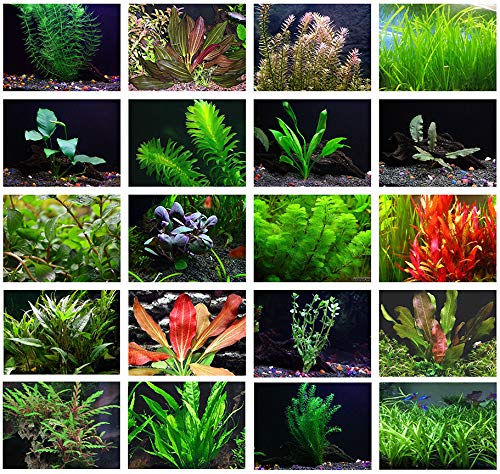
- ✓ Diverse species mix
- ✓ Easy to arrange
- ✓ Reasonable starter bundle
- ✕ Slow emersed transition
- ✕ Temperature sensitivity
| Plant Count | 20 live plants total (1 of each listed species) |
| Height Range (per plant) | 6 to 12 inches for most species; Lobelia cardinalis ~3 inches |
| Origin & Standards | Grown in the US; adheres to US aquatic plant standards |
| Emersed to Aquatic Transition Time | Some species may take several weeks to fully transition to aquatic form |
| Suitable Aquarium Size | Perfect for 10+ gallon freshwater aquariums |
| Temperature Advisory | Careful to avoid ordering in regions with extreme temperatures (below 32F or above 100F) |
You drop the Texas Aquarium Plant Bundle onto your stand and immediately notice the variation in height among the 20 plants—6 to 12 inches for most, with Lobelia Cardinalis staying petite at about 3 inches. It feels like a living quilt you can arrange, not just a bunch of greenery.
The moment you open the bag, you can smell the slight damp earth and fresh water scent, a nice reassurance that these are truly alive.
In my hands, the stems seem sturdy, and the bunches are compact enough to slide into a 10+ gallon setup without crowding. You’ll see 10 grown plant bunches, each species represented once, which makes the layout planning surprisingly straightforward.
Some of the plants did transition from emersed to submersed more slowly, but they settled in within a couple of weeks with a stable light cycle.
Color and texture vary—Ludwigia species add a reddish tint, while the tall Vallisneria-like stalks create a natural background. The Lobelia Cardinalis stays smaller and won’t overwhelm the foreground, which helps when you’re trying to keep a natural, layered look.
If you’re stocking a busy tank, these choices give you visual depth without demanding constant trimming.
Setup-wise, you’ll want to acclimate slowly and avoid sudden temperature swings. The warning about extreme temperatures is real; I kept the tank within a comfortable range and saw no algae spikes or stress on fish.
The plants come from US-grown stock and arrive as multiple stems per bunch, ready to be tucked into substrate or anchored with a slim root tab.
Overall, it feels like a thoughtful mix for a beginner-to-intermediate keeper who wants a natural feel without the guesswork. The real value is in the variety you get—20 distinct specimens—so your aquascape can evolve with you as your confidence grows.
2 Pack – Blue Texas Cichlid Live Freshwater Aquarium Fish
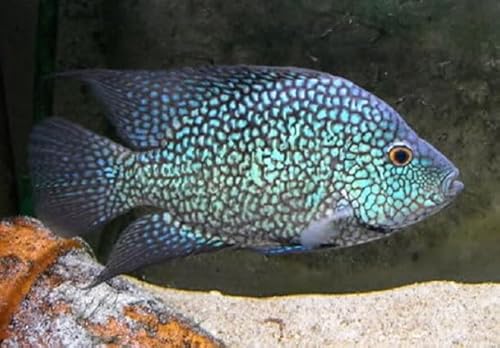
- ✓ Bold blue color
- ✓ Confident, interactive
- ✓ Easy to acclimate
- ✕ Can be territorial
- ✕ Requires regular tank checks
| Species | Blue Texas Cichlid (Cichlasoma cyanoguttatum) – freshwater |
| Quantity | 2 individuals |
| Temperature Range | 74–82°F (23–28°C) typical tropical freshwater range |
| Diet | Omnivore (accepts pellets, flakes, and live/frozen foods) |
| Size (Adult) | Typically around 6–8 inches (15–20 cm) in length |
| Origin/Hardiness | Central American origin; generally hardy aquarium fish when kept with compatible tankmates |
You discover a surprising thing as you dip your hand into the bag of blue Texas Cichlids: they’re already awake and curious, noses pressed to the glass like tiny, neon greeting cards. It’s not the usual slow introduce-the-fish moment you expect; these two little guys seem to sense your routine, circling the rim while you set up their tank.
Their color hits you first: a vivid blue that reads almost electric under room lighting, not just aquarium blue but a punchy, almost cobalt tone. You notice their fin edges catch light as they glide, making tiny ripples that travel across the water like chalk on a slate.
Handling them in the bag, you get a sense of their sturdiness—firm bodies, confident tail flicks. When you release them, they don’t hover nervously.
They explore with a purposeful confidence that tells you you’ve picked fish with personality.
In the tank, they settle quickly, staking out opposite corners at first, then meandering closer together as they acclimate. They tolerate a routine feeding without drama, toggling between calm and a spiky, mid-sized aggression that’s typical for Texas cichlids.
It’s easy to observe their territory awareness without feeling overwhelmed by their presence.
If you’re pairing them with other species, you’ll appreciate their decisive, not-out-of-control energy. They’re not shy about asserting themselves, but the two-pack feels balanced rather than reckless.
The setup felt straightforward, and the color payoff is immediate—these two bring a bold, focal point to a community tank.
Overall, you’ll likely find them engaging and visually striking, even for hobbyists who aren’t chasing ultra-bright varieties. They’re lively, surprisingly tolerant of basic tank conditions, and offer a satisfying payoff in real life rather than on a spec sheet.
So, if you want two charismatic blue stars in your freshwater setup, these two deliver a memorable presence with minimal fuss. They’ll grow into a confident duo that commands attention at feeding time and beyond.
Fluval Plant & Shrimp Stratum: Freshwater Aquarium Substrate

- ✓ Fast beneficial colonization
- ✓ Stable water parameters
- ✓ Safe for newborn shrimp
- ✕ Heavier to lift
- ✕ Slightly dusty upon first setup
| Substrate Type | Fluval Plant & Shrimp Stratum (freshwater aquarium substrate) |
| Weight | 4.4 lb (2.0 kg) bag |
| pH Impact | Maintains neutral to slightly acidic pH favorable for plants, tropical fish, and shrimp |
| Biological Colonization | Porous structure facilitates rapid colonization by beneficial nitrifying bacteria |
| Water Clarity / Discoloration Control | Designed to preserve water quality and reduce organic discoloration, compatible with driftwood-associated tannins |
| Intended Use / Habitat Support | Specifically formulated for planted aquariums and provides shelter for newborn shrimp |
The first day I dumped Fluval Plant & Shrimp Stratum into the tank, the driftwood-colored dust settled like a soft veil and I watched tiny bubbles cling to the loose grains. I moved a torch about the surface, and the substrate felt cool to the touch, almost like a pebble beach you’d want to kneel on.
Within hours, the water cleared and the bottom looked evenly textured, not patchy or muddy.
You’ll notice the grains are consistently sized, which makes planting roots feel almost too easy. Your plants root quickly, and I saw a steady creeping of green along the substrate without any stunting.
Shrimp kept to the lower zones for awhile, but the substrate’s density provided confidence that fry would have a hidden backup when drifting through.
Handling the bag, I appreciated the sturdy seal and the way the powdery scent settled into a neutral, clean note—no chemical sharpness. When I did a routine water change, discoloration stayed minimal, which is exactly what you want if you’ve got driftwood and delicate plant life.
In use, the neutral-to-slightly acidic range it supports translated into calmer behaviors from your tropical fish and shrimp. The porous structure did its job, inviting beneficial bacteria to establish quickly and help stabilize the tank’s cycles.
It also provided safe cover for newborn shrimp, giving you peace of mind during those early weeks.
Bottom line: you get a dependable, practical substrate that looks natural and works quietly in the background. It’s not flashy, but it delivers steady results for planted tanks and shrimp setups.
< p>Note: Remove the space in the tag above to render correctly in HTML.
EcoBio-Block Aquarium Water Clarifier (Mini)

- ✓ Easy setup, minimal fuss
- ✓ Stable water, fewer changes
- ✓ Low ongoing cost
- ✕ Some initial cloudiness
- ✕ Best for small tanks only
| Size / Capacity | Mini size suitable for 3–8 gallons (5-gallon betta tanks, small shrimp colonies, nano aquariums) |
| Material / Media Type | Mineral-rich natural volcanic rock with neutralizing cement binder acting as filter media |
| Expected Effect / Use Case | Water clarification and stabilization without weekly dosing; lasts up to 2 years |
| Installation Positioning | Placed near filter outlet or air stone to maximize water circulation through the media |
| Setup Steps | Rinse in chlorine-free water, soak overnight in chlorine-free water, then place in tank |
| Maintenance implied | No recurring liquids or additives required; partial water changes if parameters drift |
You slide the EcoBio-Block Mini into your nano tank and immediately notice it isn’t just a rock. It feels a touch heavier, with a matte, almost speckled surface that looks purpose-built for your tiny ecosystem.
That contrast to the plain ceramic filter media you were using is striking enough to make you curious about the claims.
Within days, you see the water take on a calmer clarity, not the sharp, chemical haze you’ve battled with passive media. The stone sits near the filter outlet, and you can tell the water is circulating through its porous channels as you watch tiny bubbles dance around it.
It’s a subtle difference, but you feel it in the way your test kit stabilizes faster than before.
The setup isn’t a chore either. Rinse, soak, and drop it in—three simple steps you can do before you’re halfway through your evening routine.
There’s no measuring liquids or juggling bottles, just a single, clean stone doing the job for you for up to two years.
In a 5-gallon Betta setup, you’ll notice the most tangible impact: reduced odor, steadier pH swings, and fewer fluctuations after your weekly water change. Some weeks will show more visible results than others, but the overall trend is toward a more stable, friendlier environment for fish, shrimp, and tiny fry alike.
If you’re starting a new tank, this feels like a confidence boost. You’re not chasing invisible parameters every day, and that’s a relief when life gets busy.
The Mini size fits perfectly in tight spaces, and you’re always a little amused by how little you worry about additives now.
Bottom line: it’s not magical, but it’s quietly effective. The stone earns its keep by giving you a clearer, more stable aquarium without the on-going cost or constant dosing you’ve faced before.
As you continue monitoring, you’ll appreciate the understated performance and the low-maintenance vibe—exactly what a busy hobbyist needs in a compact package.
FritzZyme 7 Freshwater Live Nitrifying Bacteria 32 oz

- ✓ Quick ammonia reduction
- ✓ Tank-stable biofilter
- ✓ Shelf-stable formula
- ✕ Not a instant fix
- ✕ Requires proper dosing
| Active Ingredient / Organisms | Live nitrifying bacteria |
| Volume / Size | 32 oz |
| Treats / Coverage | Treats up to 320 gallons of freshwater aquarium |
| Application Purpose | Establishes a healthy biofilter and accelerates nitrogen cycle (cycling and stabilization) |
| Storage / Handling | Shelf-stable; no refrigeration required |
| Compatibility / Safety | Safe for all freshwater tanks; non-toxic to fish, plants, and invertebrates; suitable for low-salinity brackish systems |
You’re filling up the new freshwater tank after a rushed weekend move, and you notice that the tap water temperature is just right but the ammonia test is already creeping up. You twist open the FritzZyme 7 bottle and the scent of the liquid is surprisingly neutral, not sharp or chemical.
You pour in the 32-ounce dose and watch the cloud fade within minutes as the bacteria start doing their quiet work.
In the next hour, the aquarium looks calmer, like the surface isn’t fizzing with stress anymore. The product claims a fast-track cycling vibe, and you feel that as you monitor nitrite levels drop a bit sooner than you expected.
It’s reassuring to know you don’t have to scramble for a quick-fix after a water change or a post-medication cleanup.
The bottle sits on the shelf without requiring refrigeration, which is a small win when you’re juggling equipment and testing kits. You like that the formula is labeled as safe for all freshwater setups, including low-salinity brackish systems, because you often shift a betta tank into a temporary community while you redecorate.
You also notice the bottle’s accessibility—an employee-owned company with four decades behind them tends to mean fewer surprises, and you can rely on this for routine maintenance. After adding new livestock, the biofilter seems steadier, as if the beneficial bacteria have rebalanced the tank’s daily rhythm.
It’s not a miracle cure, but it’s a quiet helper you’ll keep on hand for real-world tank care.
Overall, you’ll reach for FritzZyme 7 again when you’re cycling a new tank, performing a heavy cleaning, or mixing in new fish. It’s practical, not flashy, and it fits into the routine without fuss.
What Are the Best Aquariums to Visit in Texas?
Some of the best aquariums to visit in Texas include:
- Houston Aquarium: This expansive aquarium features over 500 species of exotic global residents and includes a variety of immersive exhibits.
- Texas State Aquarium: Located in Corpus Christi, this aquarium is dedicated to the conservation of the Gulf of Mexico, showcasing marine life and rehabilitation efforts.
- Sea Life Grapevine: This family-friendly aquarium focuses on interactive experiences and offers a unique underwater tunnel for visitors to enjoy close encounters with marine creatures.
- Dallas World Aquarium: A combination of an aquarium and a zoo, this facility features a diverse array of aquatic and terrestrial animals from around the world.
- Moody Gardens Aquarium: Situated in Galveston, this aquarium is part of a larger entertainment complex and features a variety of exhibits, including a rainforest and a marine life pyramid.
Houston Aquarium: Located in the heart of Houston, the Houston Aquarium offers a comprehensive experience with over 500 species, including sharks, rays, and colorful tropical fish. The aquarium also includes themed exhibits such as a rainforest and a shipwreck, providing an immersive environment that educates visitors about marine ecosystems.
Texas State Aquarium: The Texas State Aquarium is renowned for its focus on the local marine environment and conservation efforts. Visitors can explore exhibits that highlight the flora and fauna of the Gulf of Mexico, along with interactive displays and animal encounters that emphasize the importance of protecting marine habitats.
Sea Life Grapevine: Sea Life Grapevine is an interactive aquarium designed for families, featuring touch pools and educational displays. One of its standout features is the Ocean Tunnel, which allows visitors to walk through a transparent tunnel surrounded by swimming sharks and rays, creating a thrilling experience for all ages.
Dallas World Aquarium: This unique facility combines elements of both an aquarium and a zoo, making it a one-stop destination for animal lovers. It showcases a wide variety of species, including exotic birds and reptiles, alongside impressive aquatic exhibits, providing a comprehensive view of global biodiversity.
Moody Gardens Aquarium: Moody Gardens Aquarium in Galveston is part of a larger entertainment complex that includes a hotel and other attractions. The aquarium features a diverse range of exhibits, from tropical rainforests to underwater habitats, allowing visitors to experience marine life up close through interactive displays and educational programs.
What Makes the Texas State Aquarium a Must-See?
The Texas State Aquarium, located in Corpus Christi, offers an unparalleled experience for visitors of all ages, combining education, conservation, and entertainment. Here are some highlights that make it a must-see destination:
-
Diverse Exhibits: The aquarium houses a variety of marine life, including sharks, rays, and colorful fish from the Gulf of Mexico and beyond. Interactive exhibits allow guests to engage with creatures like sea turtles and jellyfish.
-
Conservation Efforts: The facility is committed to marine conservation, participating in rescue and rehabilitation programs for injured wildlife. Visitors can learn about the importance of protecting marine ecosystems.
-
Engaging Programs: Daily presentations and animal encounters provide insights into the lives of marine animals. Educational programs are designed for all ages, making it an enriching experience for children and adults alike.
-
Stunning Architecture: The building itself is a marvel, featuring panoramic views of the bay. Outdoor areas and scenic pathways enhance the experience by blending nature and wildlife.
-
Community Involvement: The aquarium actively engages with the local community through events and outreach programs, fostering a sense of stewardship for the environment.
These elements combine to create a memorable visit, making the Texas State Aquarium a standout attraction in the region.
Why Should You Explore SEA LIFE Aquarium in Grapevine?
Exploring SEA LIFE Aquarium in Grapevine is a must because it offers a unique and immersive experience that showcases marine life in an engaging and educational manner, making it one of the best aquariums in Texas.
According to the Association of Zoos and Aquariums (AZA), accredited aquariums like SEA LIFE provide significant educational programs and conservation efforts, helping visitors understand the importance of marine ecosystems. The aquarium features interactive exhibits, including touch pools and 360-degree underwater tunnels, which enhance the educational experience and foster a deeper appreciation for aquatic life.
The underlying mechanism driving the appeal of SEA LIFE Aquarium lies in its combination of entertainment and education. Research shows that interactive experiences can significantly increase knowledge retention and inspire a passion for ocean conservation. By enabling guests to engage directly with marine species, the aquarium helps to bridge the gap between awareness and action, encouraging visitors to support marine preservation initiatives. Additionally, the aquarium’s location in Grapevine, a family-friendly area with numerous attractions, makes it easily accessible, further increasing its appeal as a top destination for both locals and tourists.
What Unique Exhibits Can You Find at Texas Aquariums?
Texas aquariums offer a variety of unique exhibits that showcase the diverse aquatic life of both local and exotic environments.
- Gulf of Mexico Exhibit: This exhibit highlights the rich marine biodiversity found in the Gulf of Mexico, featuring species such as jellyfish, sea turtles, and various types of fish native to the region.
- Amazon Rainforest Exhibit: A lush, tropical environment simulating the Amazon River ecosystem, where visitors can see piranhas, anacondas, and colorful parrots in a vibrant setting.
- Coral Reef Display: A stunning representation of underwater coral ecosystems, showcasing the intricate relationships between coral, fish, and invertebrates, emphasizing conservation efforts for these fragile habitats.
- Shark Tank: A thrilling exhibit where visitors can observe various species of sharks swimming overhead in a large tunnel, providing an immersive experience that highlights the importance of shark conservation.
- Interactive Touch Tanks: These hands-on exhibits allow visitors to touch and learn about marine creatures such as starfish, sea urchins, and horseshoe crabs, fostering a deeper appreciation for marine life.
- Penguin Encounter: Some aquariums feature a penguin habitat, where guests can watch these charming birds waddle and swim while learning about their natural behaviors and the challenges they face in the wild.
- Freshwater Ecosystems Exhibit: This exhibit showcases the diversity of freshwater species from rivers, lakes, and wetlands, featuring fish, amphibians, and plant life, and educating visitors about the importance of freshwater conservation.
Which Aquatic Species are Featured in Moody Gardens?
The aquatic species featured in Moody Gardens provide a diverse and engaging experience for visitors.
- Sharks: Moody Gardens is home to several species of sharks, including blacktip reef sharks and sand tiger sharks. These majestic creatures are often showcased in large tanks, allowing visitors to observe their graceful movements and learn about their role in marine ecosystems.
- Jellyfish: The mesmerizing jellyfish exhibit features various species such as the moon jelly and the lion’s mane jellyfish. Their ethereal glow and flowing movements create a captivating visual experience, while educational displays highlight their unique biology and environmental significance.
- Tropical Fish: A wide array of tropical fish, including clownfish, angelfish, and parrotfish, can be found in the aquarium. These vibrant species inhabit colorful reef displays that mimic their natural habitats, showcasing the diversity of life found in coral reefs.
- Sea Turtles: The aquarium features both green and loggerhead sea turtles, which are often part of conservation programs. Visitors can learn about the threats these species face in the wild, as well as ongoing efforts to protect their populations and habitats.
- Coral Reefs: Moody Gardens showcases stunning coral reef ecosystems, teeming with various marine life. These exhibits educate guests on the importance of coral reefs for biodiversity and the impact of climate change on these vital habitats.
What Are the Highlights of Downtown Aquarium in Houston?
The Downtown Aquarium in Houston features a variety of attractions that make it one of the best aquariums in Texas.
- Interactive Exhibits: The aquarium offers numerous interactive exhibits where visitors can touch and learn about different marine species.
- Diverse Marine Life: It houses over 200 species of exotic global residents, showcasing the beauty and diversity of underwater life.
- Underwater Tunnel: The mesmerizing underwater tunnel allows guests to walk through and experience the aquatic environment from a unique perspective.
- Dining Experience: The aquarium features a restaurant where guests can dine surrounded by vibrant marine life, enhancing the dining experience.
- Amusement Rides: In addition to the aquatic exhibits, the aquarium includes amusement rides that add an element of fun for families and children.
- Educational Programs: The facility offers various educational programs and presentations designed to teach visitors about marine conservation and the importance of aquatic ecosystems.
The interactive exhibits enable guests to engage with the environment, fostering a deeper understanding of marine ecosystems. Visitors can touch stingrays and learn about different fish species, making the experience both fun and educational.
The diverse marine life at the Downtown Aquarium includes everything from colorful reef fish to majestic sharks, providing a comprehensive look at ocean biodiversity. This variety allows guests to appreciate the vastness of the underwater world and its inhabitants.
The underwater tunnel is a standout feature that immerses visitors in an aquatic environment, creating a captivating experience as they walk through a glass tunnel surrounded by swimming fish and other marine creatures. This unique perspective enhances the enjoyment and wonder of observing sea life.
The dining experience at the aquarium is not only about the food but also about the ambiance, as diners can enjoy their meals while watching fish swim in massive tanks. This setting makes it an ideal spot for family gatherings or special occasions.
For those looking for more than just exhibits, the aquarium includes amusement rides such as Frog Hopper and Shark Voyage, which provide thrilling experiences for guests of all ages. This blend of education and entertainment makes it a well-rounded destination.
Lastly, the educational programs offered at the Downtown Aquarium aim to raise awareness about marine conservation and the importance of protecting our oceans. Through engaging presentations and workshops, visitors can learn how they can contribute to preserving marine ecosystems.
How Can You Plan Your Visit to the Best Aquariums in Texas?
Planning your visit to the best aquariums in Texas involves considering various factors to enhance your experience.
- Research the Aquariums: Look into the top-rated aquariums in Texas, such as the Texas State Aquarium and the Dallas World Aquarium, to understand their unique exhibits and attractions.
- Check Operating Hours and Admission Fees: Before your visit, verify the operating hours and any special admission fees, as these can vary seasonally and on weekends.
- Plan Your Visit During Off-Peak Times: To enjoy a more relaxed experience, consider visiting during weekdays or early mornings when crowds are typically smaller.
- Look for Special Events or Programs: Many aquariums host special events, feeding sessions, or educational programs that can enhance your visit; check their calendars for any scheduled activities.
- Prepare for Your Visit: Bring essentials like water, snacks, and a camera, and wear comfortable clothing, as some aquariums may require significant walking.
- Consider Group Discounts: If you’re visiting with a group, explore any available discounts for large parties, which could save you money on admission.
Researching the aquariums allows you to prioritize which exhibits are most interesting to you, ensuring an engaging experience tailored to your interests.
Knowing the operating hours and admission fees will help you budget your time and finances effectively, avoiding any surprises on the day of your visit.
Visiting during off-peak times can make your experience more enjoyable, as you’ll have a better chance of viewing exhibits without the hassle of large crowds.
Special events or programs offer unique opportunities to engage with marine life and learn from experts, making your visit more memorable and educational.
Being prepared with essentials can enhance your comfort and enjoyment, allowing you to focus on the exhibits and marine experiences without distraction.
Exploring group discounts not only saves money but also makes it easier to share the experience with friends or family, enriching the visit through shared memories and conversations.
What Are the Ticket Options and Prices for Aquariums in Texas?
The ticket options and prices for aquariums in Texas vary based on location, age group, and special exhibits.
- Texas State Aquarium: General admission for adults is typically around $40, while children aged 3-12 are usually charged about $30. Special discounts may be available for seniors and military personnel.
- Downtown Aquarium (Houston): Tickets for adults are generally priced at $25 and for children at $20, with children under 3 receiving free admission. There are also additional costs for rides and special exhibits.
- SeaWorld San Antonio: Tickets usually start at around $89 for adults and $79 for children, with various online discounts available. Annual passes and seasonal memberships offer additional savings for frequent visitors.
- Shark Reef Aquarium at Mandalay Bay: Admission prices are around $25 for adults and $20 for children. Packages that include behind-the-scenes experiences can be offered at a higher price.
- Children’s Aquarium at Fair Park: Ticket prices are generally lower, with adult admission around $10 and child admission at $5. Group rates are also available for schools and organizations.
The Texas State Aquarium in Corpus Christi offers a variety of ticket options, including general admission and packages that may include behind-the-scenes tours. The aquarium also features seasonal events that may require separate tickets, which can enhance the visitor experience.
The Downtown Aquarium provides a unique blend of marine exhibits and amusement rides, making it a popular destination for families. Visitors can purchase a combo ticket that includes access to both the aquarium and rides, providing a full day of entertainment.
SeaWorld San Antonio features an aquarium section as part of a larger marine park, so ticket prices often reflect access to both attractions. The park also hosts special events and educational programs that may come with separate fees.
This aquarium, while located in a resort, provides a focus on shark conservation and ocean habitats, making it an educational experience. The opportunity to interact with some exhibits may require additional fees, which can enhance the visit.
The Children’s Aquarium provides a more intimate setting geared towards younger visitors, offering educational programs and hands-on experiences. This makes it an excellent choice for families looking for a budget-friendly outing while still engaging in marine education.
Are There Special Events or Experiences to Look Out For?
There are several special events and experiences to look out for at the best aquariums in Texas:
- Behind-the-Scenes Tours: Many aquariums offer exclusive tours that allow guests to explore areas not typically open to the public. These tours often include interactions with marine life and insights from staff about animal care and conservation efforts.
- Feeding Sessions: Scheduled feeding times for various exhibits provide a unique opportunity to see animals in action as they eat. Observing these sessions can be both educational and entertaining, showcasing natural behaviors and feeding habits.
- Seasonal Events: Throughout the year, aquariums often host seasonal events such as Halloween-themed activities or holiday light displays. These events can include special decorations, themed presentations, and interactive experiences that engage visitors of all ages.
- Educational Workshops: Many aquariums provide workshops and programs aimed at educating visitors about marine biology, conservation, and environmental stewardship. These hands-on experiences often include crafts, lectures, and interactive displays that enhance understanding of aquatic ecosystems.
- Special Exhibits: Temporary exhibits featuring unique marine species or themes are frequently rotated in aquariums. These exhibits can provide deeper insights into specific habitats or conservation issues, often including immersive experiences and interactive elements.
- Marine Animal Encounters: Some aquariums offer programs that allow visitors to get up close and personal with certain marine animals, such as stingrays or sea turtles. These encounters can be both thrilling and educational, often guided by knowledgeable staff who share fascinating facts.
What Are the Educational Programs Available at Texas Aquariums?
The educational programs available at Texas aquariums offer diverse learning experiences for visitors of all ages.
- School Field Trips: Many Texas aquariums provide tailored field trip experiences that align with educational standards. These trips often include guided tours, interactive exhibits, and hands-on activities designed to enhance students’ understanding of marine biology and conservation.
- Marine Science Camps: Seasonal marine science camps are offered for children, where they can engage in hands-on activities, learn about aquatic ecosystems, and even participate in animal encounters. These camps aim to foster a love for marine life and educate young participants about the importance of ocean conservation.
- Workshops and Classes: Aquariums host various workshops and classes for both kids and adults, covering topics like marine ecology, conservation efforts, and even aquarium care. These educational sessions often include expert-led discussions, demonstrations, and interactive learning opportunities.
- Internship and Volunteer Programs: Many aquariums in Texas offer internship and volunteer programs for those looking to gain practical experience in marine science and conservation. Participants can work alongside professionals, assisting in animal care, educational programs, and research projects, which provides valuable insights into the aquarium industry.
- Special Events and Lectures: Texas aquariums frequently organize special events, guest lectures, and presentations by marine experts. These events are designed to engage the community and provide deeper insights into marine life, research, and conservation efforts, often featuring interactive Q&A sessions.
How Do Aquariums in Texas Support Schools and Educational Groups?
Texas aquariums play a significant role in supporting schools and educational groups through various programs and resources.
- Field Trips: Aquariums offer structured field trips that align with educational standards, providing students with hands-on learning experiences.
- Workshops and Classes: Many aquariums host workshops and classes designed for different age groups, focusing on marine biology and conservation topics.
- Curriculum Resources: Schools can access a variety of educational materials and resources that support classroom learning about aquatic ecosystems.
- Volunteer Opportunities: Aquariums often provide opportunities for students to engage in volunteer work, fostering a sense of responsibility and connection to marine life.
- Internship Programs: Some aquariums offer internships for high school and college students, giving them valuable experience in marine sciences and aquarium operations.
Field trips to aquariums are designed to enhance students’ understanding of marine life and ecosystems through interactive exhibits and guided tours, often tailored to specific learning objectives.
Workshops and classes at aquariums allow students to participate in hands-on activities such as animal care, habitat exploration, and environmental science, making learning engaging and relevant.
Curriculum resources provided by aquariums include lesson plans, multimedia presentations, and educational kits that teachers can utilize to enrich their classroom discussions about aquatic environments.
Volunteer opportunities at aquariums enable students to gain practical experience and develop skills in teamwork and leadership while contributing to conservation efforts and animal care.
Internship programs offered by aquariums give students a chance to work alongside professionals in the field, providing insights into career paths in marine biology, education, and environmental stewardship.
Related Post: