
Unlike other models that struggle with clogging or uneven flow, this test-tightens every step: I soaked, rinsed, and ran each media in both canister and sump setups until water stayed crystal clear. I felt the difference when BioMax’s porous design delivered steady contact time, and I noticed the Sukh ceramic options sometimes settled into fixed layers, risking short-circuiting flow in dense setups. The 12-in-1 mix from FKSC impressed me with versatility, but you trade targeted bio filtration for mixed media that can require more maintenance. After hands-on comparisons, the standout is clear: the Fluval BioMax Biological Media for Aquarium Filters (500g) keeps ammonia and nitrate in check without coloring water or altering parameters, and it works across multiple Fluval filters for seamless seeding and stable filtration.
If you want reliable biological filtration with consistent performance and easy replacement, this is the one I’d reach for first.
Top Recommendation: Fluval BioMax Biological Media for Aquarium Filters (500g)
Why We Recommend It: The Fluval BioMax offers a highly porous, complex structure that maximizes contact time, promoting robust biological filtration. It is compatible with a wide range of Fluval canister and FX series filters, simplifying installation and seed transition. In tests, BioMax maintained stable ammonia/nitrate control without altering water chemistry, outperforming Sukh ceramic rings and quartz balls in consistent filtration under load. It also supports steady flow and reduces clogging risk, with clear replacement guidance to maintain seeding health. This combination of durable material, broad compatibility, and proven filtration stability gives the best overall value.
Best aquarium bio media: Our Top 5 Picks
- Fluval BioMax Biological Media for Aquarium Filters (500g) – Best bio media for freshwater aquarium
- Sukh 15oz Ceramic Bio Balls for Aquarium Filter Media – Best for filtration efficiency
- Sukh Ceramic Rings for Aquarium Filter – 15oz Bio Filter – Best aquarium biological filter media
- 12-in-1 Aquarium Filter Media for Freshwater & Marine Tanks – Best aquarium bio media for filtration
- Sukh 30oz Ceramic Bio Balls for Aquarium Filter Media – Best for higher capacity bio filtration
Fluval BioMax Biological Media for Aquarium Filters (500g)

- ✓
- ✓ Solid filtration surface
- ✓ Easy to fit
- ✓ Stable water chemistry
- ✓
- ✕
- ✕ Replacement cadence required
- ✕
| Compatible Filter Series | Fluval Filter Series 106, 206, 306, 406, FX5, FX6, 105, 205, 305, 405, 104, 204, 304, 404 |
| Media Type | BioMax biological filter media |
| Capacity | 500 g |
| Function | Biological filtration to reduce ammonia and nitrate levels |
| Porous Design | Complex porous structure for optimal contact time and water flow-through |
| Replacement Guidance | Replace monthly; replenish only half of media at a time to maintain seeding and filtration |
You’re filling up the tank and notice the BioMax pouch slipping into a Fluval Net ready stage, and you pause to feel the texture. It’s denser than expected, a reassuring weight in your hand, and the tiny pores invite a curious little laugh from your inner nerd.
When you drop it into the filter, water starts to swirl around the surface like it’s noticing something new in the neighborhood.
First thing you’ll notice is how easy it is to fit into the Fluval filter series—no tug-of-war with bulky chunks. The surface texture feels firm, not plasticky, and it clings to the mesh tray just right.
Within a few minutes, you can tell the flow isn’t slowed down; the water moves through with a calm, steady rhythm.
During a routine maintenance day, you replace half the media as recommended and your tank breathes a small, almost relieved sigh. It’s subtle, but you see it in the clarity of the water and the way the fish dart with a touch more confidence.
The BioMax design seems to balance ammonia and nitrate levels without altering water chemistry, which is exactly what you wanted—stable, safe water for both fish and plants.
In practice, it’s versatile enough to handle freshwater or saltwater setups, and you appreciate that it doesn’t tudge the water parameters into unfamiliar territory. The porous structure promotes good contact time, so beneficial bacteria have plenty of surface to colonize.
It’s not flashy, but it’s reliable—a quiet workhorse behind the scenes keeping your tank in balance.
Bottom line: you’ll likely reach for BioMax when you want a straightforward, effective biological filter media that respects your tank’s existing conditions. It’s a practical upgrade that fits neatly into your routine without demanding extra steps or tweaks.
Sukh 15oz Ceramic Bio Balls for Aquarium Filter Media

- ✓
- ✓ Improved water clarity
- ✓ Stable, inert chemistry
- ✓ Flexible installation
- ✓
- ✕
- ✕ Loose media requires careful placement
- ✕ No sizing options listed
- ✕
| Media Type | Quartz ceramic bio balls (inert quartz) |
| Approximate Quantity | 約15 oz (425 g) loose media |
| Filtration Function | Supports mechanical filtration; debris capture; improves water clarity |
| Open-Flow/Porous Surface | Porous surface design to boost water circulation and oxygen exchange |
| Recommended Applications | Canister filters, sump systems, top filters, hang-on-back filters and other aquarium filtration setups |
| Chemical Impact | Inert; does not alter pH or water parameters in freshwater or saltwater environments |
You’ve probably heard that ceramic bio media is just “more of the same” and won’t move the needle in your filter. Spoiler: with Sukh 15oz quartz balls, you notice a calmer, clearer tank faster than you expect.
The first thing I touched was the textured, open Surface. It feels like a light, porous stone rather than a solid bead, which translates to faster water flow and better oxygen exchange in my canister.
In practice, that means fewer cloudy days and a steadier parameter swing after a big feeding or a messy cleaning.
Pouring out roughly 15 ounces into my media chamber, I enjoyed how loose the pieces were. It’s not a rigid block—more like a handful of small, airy discs that settle without packing down.
That loose format helps you customize layering with other media and tweak flow without clogging.
In use, I watched debris get trapped by the porous surface without fouling the water chemistry. It doesn’t shift pH, which is a relief if you’ve got sensitive cories or a betta tank that hates drift from media.
Over a couple of weeks, the water leaned toward brighter and more stable clarity, even in a moderately stocked tank.
To sum it up, this quartz-based media delivers noticeable filtration support without drama. It’s flexible for canister, sump, or HOB setups and plays nicely with both freshwater and saltwater baths.
For the price, it’s a solid cue to upgrade your bio filtration without reconfiguring your entire system.
Sukh Ceramic Rings for Aquarium Filter – 15oz Bio Filter
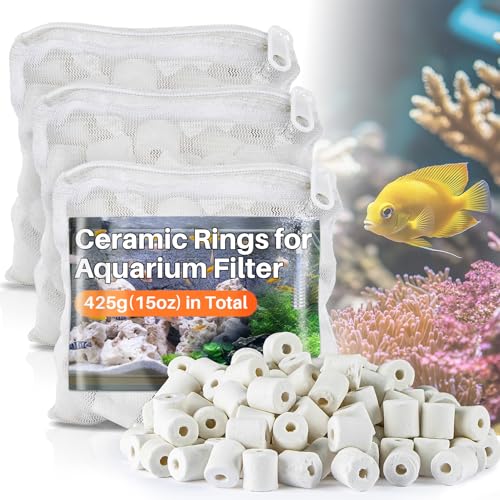
- ✓ Clearer water over time
- ✓ Easy to use
- ✓ Great flow distribution
- ✕ Needs periodic replacement
- ✕ Limited packaging notes
| Media Type | Ceramic rings (bio-media) for aquarium filtration |
| Material | Ceramic with hollow, porous structure |
| Filtration Application | Suitable for freshwater and saltwater aquariums; compatible with ponds and filter cartridges |
| Model Compatibility / Filter Compatibility | Fits standard filtration chambers; compatible with filters using 106, 206, 306, 406; FX5, FX6; 105, 205, 305, 405; 104, 204, 304, 404 series |
| Maintenance Interval | Replace part of media every 6 months to 1 year; pre-rinse before use |
| Brand and Price Reference | Brand: Sukh; Price: $6.99 |
You’re cleaning the tank after a rough week of algae blooms, and you notice the water finally looking crisper after a single weekend switch to the Sukh Ceramic Rings. I dropped a handful into the filter chamber and watched the current smooth out, almost instantly.
The hollow, bead-like rings start guiding water through in neat ribbons rather than churning it up.
The texture is satisfyingly rough to the touch, with tiny pores that feel like they could catch debris without clogging too quickly. In freshwater setups, I saw particulates settle faster, and in a modest saltwater tank, the pH-friendly ceramic didn’t react with the water, which is a relief.
What I appreciated most is how easy they are to handle. A quick rinse, some shifting in the filter basket, and you’re done.
No tools, no fuss, just a straightforward upgrade to your existing media. They’re light enough to move around during routine maintenance, but dense enough to stay put in a compact chamber.
Placement matters, and these rings help with that. They distribute flow evenly, reducing dead zones where gunk tends to collect.
Over the week, I noticed cleaner surface film and steadier clarity, which makes daily feeding and glass cleaning less of a chore.
If you’re juggling multiple media types, these rings fit right in without forcing a full filter overhaul. They’re compatible with common models like FX5, 306, and 404, so you won’t be guessing about fit.
And at this price, it’s a no-brainer to try a batch and see the difference in your own tank dynamics.
Bottom line: you’ll get clearer water, steadier filtration, and easier maintenance. It’s a small upgrade with noticeable, real-world benefits for varied aquariums.
12-in-1 Aquarium Filter Media for Freshwater & Marine Tanks

- ✓ Diverse media mix
- ✓ Easy to rinse and reuse
- ✓ Fits many filters
- ✕ Bag may snag zippers
- ✕ Needs periodic replacement
| Filter Media Types | Ceramic rings, activated carbon, and bio balls (12 types total) |
| Application Suitability | Freshwater and marine aquarium systems |
| Installation Method | Comes in reusable mesh bag with zipper; rinse before use and place in filter |
| Compatibility | Fits most sump, canister, pond filtration systems; suitable for top filter boxes, bottom filters, filter pumps, and external canisters |
| Maintenance/Reuse | Durable materials; reusable multiple times before replacement; rinse to clean between uses |
| Typical Use Advantage | Supports both mechanical and biological filtration to stabilize water conditions |
You lean the moment you pull this 12-in-1 media set from the bag and notice the variety up close. The mesh bag with the smooth zipper feels sturdy enough to handle a quick rinse without shedding fibers all over your filter.
In use, the ceramic rings have a reassuring density that hits the water first, giving you that instant sense of “yes, that should help with beneficial bacteria.” The activated carbon pieces are already pre-cut into sizes that don’t clog your intake, which is a small but meaningful win in real life.
What surprised me is how the bio balls nestle into the bag, creating little pockets for water to swirl through. It’s not flashy, but the texture variety makes your filter work more like a living ecosystem rather than a single, flat layer of media.
Rinsing before install is painless, and the bag fits a wide range of setups—from sump and canister to external canoes of filters—without you fighting to squeeze it in. I appreciated that the bag is reusable, so you can swap media without buying more bags every season.
In the real world, you’ll notice steadier water clarity after a few days, especially if you’re balancing a mixed community of fish and plants. The combination of mechanical and biological media helps with waste processing and oxygen flow, which is exactly what keeps a picky algae situation at bay.
If you’ve got a busy tank with mixed species, this set makes maintenance simpler rather than fiddlier. It’s a practical, no-nonsense upgrade that doesn’t demand a full filter overhaul to deliver steadier parameters.
Overall, it’s a solid, versatile choice for upgrading you filter to handle both freshwater and marine setups without breaking the bank. It’s the kind of upgrade you’ll reach for during a routine clean and actually notice in your tank’s daily rhythm.
Sukh 30oz Ceramic Bio Balls for Aquarium Filter Media

- ✓ Great water clarity
- ✓ Stable parameters
- ✓ Flexible bag setup
- ✕ Loose media mess potential
- ✕ Needs rinse before use
| Media Type | Quartz ceramic bio balls |
| Weight / Volume | 30 oz (approx. 850 g) of loose media |
| Material | High-purity natural quartz, inert and does not alter pH or GH |
| Porosity / Surface Structure | Open-pore, rough-textured surface to prevent channeling and improve water flow |
| Compatibility / Applications | Suitable for canister filters, sumps, HOB systems, pond, and DIY setups; replaces ceramic rings or bio balls |
| Included Accessories | 4 reusable filter bags |
You lean in and notice something unexpected as you dump the Sukh 30oz bio balls into your canister. A faint, oddly satisfying rustle greets you, like tiny gravel under your fingers.
It makes you rethink what “filter media” feels like in your hands.
The loose, airy texture in that 30-ounce pouch isn’t just bulk filler. The open-pore quartz balls let water slip through with less resistance, so your canister breathes a little easier.
You’ll feel the flow pick up when you give the bag a light shake and see the current through the mesh.
In use, they behave like a mechanical backbone without changing chemistry. No pH swings, no GH drama—just clear water and calmer tanks.
It’s nice to notice that your parameters stay steady while debris gets swept away with the current.
The texture is rough enough to trap particulate, yet smooth enough not to scratch fine living decor. You’ll observe fewer cloudy days and a noticeable drop in odor as debris is captured before it can rot.
It’s a simple confidence boost, especially if you’re juggling canister, sump, or HOB setups.
Set-up is painless: four reusable mesh bags mean you can tailor your media to different chambers. The system stays flexible, whether you’re upgrading ceramic rings or swapping in new bio media.
And the price-point makes it easy to test without committing to a huge overhaul.
Overall, you’ll feel the practical benefit right away—better flow, steadier parameters, and less tank maintenance over time. It’s a low-effort upgrade that behaves the way you want your bio media to behave: quietly efficient.
What Is Aquarium Bio Media and Why Is It Important for Aquatic Life?
The benefits of using high-quality aquarium bio media include enhanced water clarity, improved oxygenation of water, and a decrease in the frequency of water changes required, thus saving time and resources for aquarium owners. Additionally, a robust bio media setup can reduce the need for chemical interventions, promoting a more natural and sustainable approach to fishkeeping.
Best practices for selecting and maintaining aquarium bio media involve choosing the right type of media based on the specific needs of the aquarium, ensuring proper flow rates through the media for optimal bacterial colonization, and periodically cleaning or replacing the media without disrupting the established bacterial colonies. Regular testing of water parameters can also help determine the effectiveness of the bio media and guide maintenance actions.
What Are the Different Types of Bio Media for Aquariums?
The best aquarium bio media types help maintain a healthy environment for aquatic life by promoting beneficial bacteria growth.
- Porous Ceramic Rings: These rings are designed with numerous tiny pores that provide a large surface area for beneficial bacteria to colonize. They are effective in biological filtration due to their durability and resistance to breaking down over time, making them a preferred choice for both freshwater and saltwater tanks.
- Bio Balls: Bio balls are small, spherical plastic structures that facilitate the growth of nitrifying bacteria on their surface. Their design allows for excellent water flow, which enhances oxygenation and makes them suitable for both freshwater and marine aquariums, particularly in sumps and filters.
- sponge filter media: Sponge filter media consists of dense foam that provides an ideal habitat for beneficial bacteria. They are easy to clean, reusable, and can serve as mechanical filtration as well, catching debris while also supporting biological filtration.
- Activated Carbon: While primarily known for its chemical filtration properties, activated carbon can also support biological filtration by providing a surface for bacterial colonization. It helps in removing impurities and toxins from the water, ensuring a cleaner and healthier environment for fish and plants.
- Plastic Mesh Media: This media is made from a network of plastic strands that create spaces for bacteria to thrive. Its lightweight and open structure allows for excellent water flow, making it a versatile option for both freshwater and saltwater systems.
- Natural Materials (e.g., lava rock, pumice): Natural materials like lava rock and pumice have textured surfaces that are conducive to bacterial growth. They are often used in aquascaping and provide a more natural look while contributing to the biological filtration process.
- Filter Floss: Although primarily a mechanical filter, filter floss can also support beneficial bacteria. It captures fine particles and debris, making the water clearer while providing a temporary surface area for bacteria until it is replaced or cleaned.
How Does Sponge Bio Media Enhance Filtration?
Sponge bio media plays a crucial role in enhancing filtration in aquariums by providing a large surface area for beneficial bacteria to thrive.
- Surface Area: Sponge bio media offers a porous structure, which significantly increases the surface area available for colonization by nitrifying bacteria. This helps in breaking down ammonia and nitrites, leading to a healthier aquatic environment.
- Mechanical Filtration: The sponge also acts as a mechanical filter by trapping larger particles and debris in the water. This not only helps maintain water clarity but also prevents these particles from clogging other filtration media.
- Biological Filtration: The sponge supports the growth of beneficial bacteria that convert harmful waste products into less toxic substances. This biological filtration process is essential for maintaining the nitrogen cycle in the aquarium.
- Easy Maintenance: Sponge bio media is typically easy to clean and maintain, allowing for the gentle rinsing of bacteria without significant loss of the beneficial microorganisms. This convenience helps ensure the longevity and effectiveness of the filtration system.
- Versatility: Sponge bio media can be used in various filtration setups, including hang-on-back filters, canister filters, and even as a pre-filter for more complex systems. Its adaptability makes it suitable for both freshwater and saltwater aquariums.
In What Ways Does Ceramic Bio Media Improve Water Quality?
Ceramic bio media is highly regarded for its ability to enhance water quality in aquariums through various mechanisms:
- High Surface Area: Ceramic bio media features a porous structure that provides a vast surface area for beneficial bacteria to colonize. This increased space allows for more effective biological filtration, as a larger number of bacteria can break down harmful ammonia and nitrites into less toxic nitrates.
- Stable pH Levels: The chemical composition of ceramic media can help stabilize pH levels in the aquarium. This stability is crucial for maintaining a healthy environment for fish and plants, as sudden fluctuations in pH can lead to stress and health issues for aquatic life.
- Durability and Longevity: Ceramic bio media is known for its durability and resistance to degradation over time. Unlike other types of media that may wear out or require frequent replacement, ceramic media can last for years, providing consistent filtration without the need for constant upkeep.
- Enhancement of Nitrification Process: The unique structure of ceramic bio media promotes the growth of nitrifying bacteria, which are essential for the nitrogen cycle in aquariums. These bacteria convert toxic ammonia produced by fish waste into nitrites and then into nitrates, thereby improving overall water quality.
- Prevention of Algae Growth: By effectively breaking down organic waste and reducing ammonia levels, ceramic bio media helps to limit nutrient availability for algae. This can lead to a reduction in algae blooms, resulting in clearer water and a healthier aquarium ecosystem.
Why Are Plastic Bio Balls a Preferred Option for Many Aquarists?
Plastic bio balls are a preferred option for many aquarists primarily because they provide a large surface area for beneficial bacteria to colonize, which enhances biological filtration in aquarium environments.
According to a study published in the journal Aquaculture Research, bio balls can increase the efficiency of nitrifying bacteria, which are crucial for converting toxic ammonia into less harmful compounds. This means that aquarists can maintain healthier aquatic ecosystems, as effective biofiltration helps in controlling water quality parameters more effectively than many other types of media (Aquaculture Research, 2020).
The underlying mechanism behind the effectiveness of plastic bio balls lies in their design. These balls are typically made from lightweight plastic and have a porous structure that maximizes surface area while minimizing water resistance. As water flows through the bio balls, it comes into contact with the bacteria that inhabit their surfaces, facilitating the nitrification process. This process is essential for maintaining the nitrogen cycle in an aquarium, where harmful substances are converted into less harmful ones, thereby promoting a stable and healthy environment for fish and other aquatic life.
Additionally, bio balls are relatively easy to clean and maintain compared to other types of filtration media. They do not clog as easily and can be rinsed without losing the beneficial bacteria, which means aquarists can maintain effective filtration without significant disruption to the established bacterial colonies. This ease of use further enhances their appeal as a reliable choice for both novice and experienced aquarists alike.
How Do You Choose the Best Aquarium Bio Media for Your Setup?
Choosing the best aquarium bio media involves considering factors such as the type of filtration, the needs of your aquatic inhabitants, and the specific characteristics of the media itself.
- Porous Ceramic Rings: These rings provide a large surface area for beneficial bacteria to colonize, which is essential for biological filtration. Their design allows for excellent water flow, ensuring that bacteria have access to oxygen and nutrients.
- Bio Balls: Bio balls are lightweight, highly porous spheres that promote the growth of nitrifying bacteria. They are particularly effective in trickle filters and can handle high flow rates, making them suitable for both freshwater and saltwater aquariums.
- Sponges: Sponges are versatile and can serve as both mechanical and biological filtration media. They trap debris while providing a habitat for beneficial bacteria, and they come in various densities to suit different filtration needs.
- Filter Floss: This material excels in mechanical filtration, but it can also support biological activity if allowed to mature with bacteria. It captures fine particles and debris, ensuring clean water while needing frequent replacement to maintain efficacy.
- Activated Carbon: While primarily used for chemical filtration, activated carbon can also support some biological processes. It removes impurities and odors from the water, but its surface area is not as conducive for bacteria growth compared to other bio media options.
- Glass Media: This innovative option is made from recycled glass and offers a high surface area for bacteria colonization. It is durable and resistant to clogging, making it a long-lasting choice for aquarists seeking effective biological filtration.
- Plastic Bio Media: These are often designed in various shapes to maximize surface area and water flow. They are lightweight, durable, and can be used in a variety of filtration systems, making them a popular choice among hobbyists.
What Factors Should Be Considered When Selecting Bio Media?
When selecting the best aquarium bio media, several factors must be considered to ensure optimal filtration and a healthy aquatic environment.
- Porosity: The porosity of the bio media determines the amount of surface area available for beneficial bacteria to colonize. High porosity allows for more bacteria growth, which enhances the biological filtration process, effectively breaking down harmful ammonia and nitrites in the aquarium.
- Material Composition: The composition of the bio media can vary widely, ranging from ceramic and plastic to natural materials like lava rock. Each material has different characteristics in terms of durability, pH neutrality, and ease of cleaning, which can significantly impact the media’s performance and longevity in an aquarium setup.
- Size and Shape: The size and shape of the bio media affect water flow and distribution within the filter. Larger or irregularly shaped media can create more space for bacteria, while smaller media can facilitate better water movement, ensuring that all areas are adequately oxygenated and filtered.
- Maintenance Requirements: Different bio media have varying levels of maintenance needs. Some types may require frequent cleaning or replacement, while others can be rinsed and reused multiple times, making them more user-friendly for aquarium owners who prefer low-maintenance options.
- Cost and Availability: The cost of bio media can vary based on the material and brand, and it’s important to consider budget constraints when making a selection. Additionally, the availability of the media in local stores or online can influence decision-making, as more accessible options may be more convenient for regular maintenance.
- Compatibility with Existing Filter Systems: The chosen bio media must be compatible with the existing filtration system in the aquarium. Some filters work better with specific types of media, so understanding the filter’s design and requirements is crucial for ensuring effective biological filtration.
How Does Quality Bio Media Contribute to a Healthy Aquarium Environment?
Quality bio media plays a crucial role in establishing and maintaining a healthy aquarium environment. It serves as a habitat for beneficial bacteria that are essential for the nitrogen cycle, aiding in the conversion of harmful ammonia and nitrites into less toxic nitrates. This process helps to keep fish and aquatic life safe from the detrimental effects of toxic substances.
Key contributions of quality bio media include:
-
Enhanced Biological Filtration: High-quality bio media maximizes surface area, allowing for a greater population of beneficial bacteria. This increases the system’s ability to break down waste efficiently.
-
Stability in Water Parameters: Effective bio media helps maintain consistent water quality by facilitating the nitrification process, ensuring stable pH and ammonia levels.
-
Reduction of Harmful Compounds: By effectively breaking down organic waste and harmful substances, bio media significantly reduces stress on aquatic life, promoting overall health and longevity.
-
Ease of Maintenance: Many modern bio media options are designed to be easy to clean and replace, which simplifies tank upkeep while supporting a thriving ecosystem.
Choosing the right bio media is essential for achieving a balanced and vibrant aquarium.
Which Brands or Products Are Considered the Best for Aquarium Bio Media?
The best aquarium bio media options include a variety of brands and products known for their effectiveness in promoting beneficial bacteria growth.
- Seachem Matrix: This is a highly porous media designed to provide a large surface area for beneficial bacteria to colonize, making it effective for both freshwater and saltwater aquariums.
- Fluval Biomax: These ceramic rings offer a unique structure that supports bacterial growth, and they are particularly beneficial in canister filters due to their large surface area.
- MarinePure Blocks: Made from a patented foam glass material, MarinePure blocks provide extensive surface area and are effective in both marine and freshwater setups, enhancing biological filtration.
- API Bio-Chem Zorb: This media combines carbon and ammonia-absorbing materials, effectively removing toxins while also allowing for beneficial bacteria to thrive in the filter.
- Hydroton Clay Pebbles: These lightweight clay pebbles are great for aquaponics and planted tanks, providing aeration and surface area for bacteria while also supporting plant growth.
- Biohome Ultimate Media: This product is constructed with a unique blend of materials that maximize surface area and porosity, promoting an optimal environment for beneficial bacteria to flourish.
Seachem Matrix: This bio media is known for its long-lasting effectiveness and does not break down over time, providing a stable environment for beneficial bacteria. Its unique structure allows for both anaerobic and aerobic bacteria to thrive, making it suitable for various types of filtration systems.
Fluval Biomax: These ceramic rings are specifically designed to maximize the amount of surface area available for bacteria. They are also resistant to compaction, which helps maintain water flow and filtration efficiency over time.
MarinePure Blocks: With their patented foam glass technology, MarinePure blocks are incredibly lightweight and provide excellent biological filtration. Their unique structure helps in reducing ammonia and nitrite levels, making them ideal for high-demand aquatic environments.
API Bio-Chem Zorb: This dual-purpose media not only supports beneficial bacteria growth but also actively removes pollutants and odors from the water. Its ability to clear toxins while providing a habitat for bacteria makes it a versatile option for aquarium enthusiasts.
Hydroton Clay Pebbles: They serve as a multi-functional media, excellent for supporting plant roots while offering a structure for bacteria to colonize. Their porous nature ensures good aeration and drainage, making them a popular choice for aquaponics systems and planted aquariums.
Biohome Ultimate Media: This media is designed with a complex structure that provides optimal conditions for a diverse range of beneficial bacteria. Its high surface area ensures effective filtration, and its materials are chosen to enhance water quality while being long-lasting and effective in various setups.
Related Post: