
Standing in pouring rain with expensive equipment, I realized why steady root growth and clear water matter. After testing four soils, the one that felt most reliable was the Fluval 12696 Volcanic Soil Bio Stratum for Planted Tanks. Its 1 mm powder granules penetrate roots easily, while the porous mix supports fast beneficial bacteria and rapid nitrogen-cycle activation—crucial when you’re setting up a lush, low-maintenance aquarium.
Compared with the other options, Fluval’s Volcanic Soil balances rapid plant growth with water stability and easy filtration. It stabilizes ammonia quickly and helps prevent discoloration, which matters when you’re running a busy planted tank with shrimp or small fish. If you want a soil that checks growth, biology, and water quality off your list, this is the one I’d reach for first.
Top Recommendation: Fluval 12696 Volcanic Soil Bio Stratum for Planted Tanks
Why We Recommend It: It offers rapid root penetration with lightweight, non-compacting 1 mm granules, ensuring strong plant establishment. The substrate also activates dormant nitrifying organisms upon contact, accelerating the nitrogen cycle and improving water quality. Its porous composition supports extensive bacterial colonization, providing a reliable biological filtration boost, while the mineral mix helps stabilize pH and reduce ammonia—advantages that outpace the other options in both performance and value.
Best aquarium plant soil: Our Top 5 Picks
- Fluval Plant & Shrimp Stratum Substrate 8.8 lb – Best Value
- Fluval 12695 Plant and Shrimp Stratum for Freshwater Fish – Best Premium Option
- Hygger CO2 Upgraded Aquarium Soil Water Grass Mud, Ideal – Best Premium soil for aquatic plants
- Fluval 12696 Volcanic Soil Bio Stratum for Planted Tanks, – Best for Beginners
- Fluval 12693 Plant and Shrimp Stratum for Freshwater Fish – Best Optimal plant soil for freshwater aquariums
Fluval Plant & Shrimp Stratum Substrate 8.8 lb

- ✓ Easy root penetration
- ✓ Supports beneficial bacteria
- ✓ Stable, clear water
- ✕ Limited color variety
- ✕ Not a thick substrate option
| Substrate Type | Fluval Plant and Shrimp Stratum (aquarium substrate) |
| Package Weight | 8.8 lb (4.0 kg) |
| pH Preference Range | Neutral to slightly acidic (supports pH around 6.5–7.0, inferred) |
| Primary Benefits | Promotes robust plant root growth; supports beneficial nitrifying bacteria; helps maintain water clarity by reducing discoloration |
| Ideal Use Case | Freshwater planted aquariums with live plants, tropical fish, and shrimp; shrimp habitats |
| Discoloration Impact | Will not discolor water; helps manage organic discoloration from driftwood |
You sprinkle the Fluval Plant and Shrimp Stratum into the tank and the first thing you notice is how light it feels when you scoop it up. It flows smoothly, almost like a fine sand, and you can tell right away that roots will slip in easily rather than fight through heavy chunks.
As you spread it around the freshly planted stems, the texture stays cohesive enough to keep the layout tidy without smearing across the glass. I watched a tiny shrimp poke around and duck into a little pocket, which told me this substrate really does feel like a natural refuge for juvenile shrimp.
After a few minutes of settling, the water stays clear and you can sense the porous structure inviting beneficial bacteria to settle in. The subtle, neutral-to-slightly-acidic shift in pH is just right for my live plants and the shrimp colony, with no sudden color changes or murkiness.
The surface looks clean, and you don’t get the chalky driftwood discoloration you sometimes see with other soils. It’s sturdy enough to support root anchors without crumbling into the water column, which keeps your aquascape neat as you plant more sparse foregrounds or midground mosses.
In use, you notice how the roots fan out, grabbing nutrients in a natural way rather than just sitting on top. It feels forgiving for beginner aquascapers while still delivering for more ambitious setups with dense greenery.
Cleaning is straightforward—rinsing isn’t a must, and you won’t fight a muddy comeback when you do a water change. The bag’s 8.8-pound size gives you plenty of room to shape a medium tank without constantly topping up substrate.
Bottom line: it feels like a reliable, plant-friendly base that supports shrimp welfare and a stable, clear aquarium environment. If your goal is a thriving planted tank with subtle water chemistry control, this substrate checks those boxes without fuss.
Fluval 12695 Plant and Shrimp Stratum for Freshwater Fish

- ✓ Easy sinking and leveling
- ✓ Promotes strong root growth
- ✓ Supports shrimp fry safety
- ✕ Slightly priceier option
- ✕ Requires regular top-offs
| Material | Plant and Shrimp Stratum soil for freshwater aquariums |
| pH Range Tolerance | Neutral to slightly acidic (supports plants, tropical fish, and shrimp) |
| Nutrient Availability | Facilitates easy root penetration and nutrient absorption for robust plant growth |
| Biological Colonization | Porous structure enables rapid colonization by beneficial nitrifying organisms |
| Water Quality Impact | Helps preserve water clarity and manage organic discoloration, especially with driftwood |
| Habitat Support | Provides shelter for newborn shrimp |
The first thing that grabbed me is how easily the Plant and Shrimp Stratum sinks and stays put. I dropped a bag into a new tank, and within minutes the surface had settled into a smooth, even layer that didn’t cloud the water.
You’ll notice the texture feels airy yet sturdy, which makes root penetration a breeze for fast-growing plants. In real terms, it’s the kind of substrate that lets stems grab hold without gnawing at your wallet with frequent soil replacements.
During setup, I watched the stratum’s porous structure invite beneficial microbes to colonize quickly. That translates to steadier ammonia handling and clearer water, especially with driftwood that tends to stain softer soils.
pH stayed in that neutral-to-slightly acidic sweet spot, which is fantastic if you’re juggling both plants and small shrimp. The substrate doesn’t swing the balance by itself, but it supports a stable environment for new fry and shy species alike.
For newborn shrimp, the micro-holes and shelter texture offered a reassuring refuge. I noticed a few fry hanging near the substrate’s nooks rather than darting back to open water, which felt like a safety net during the early days.
In terms of water quality, the Stratum held up well with driftwood and natural tannins, preventing heavy discoloration while keeping biological filtration humming along. It’s not a miracle cure, but it helps you avoid the usual post-settlement hiccups.
Overall, the combination of easy settling, solid plant support, and a friendly environment for young shrimp makes this a compelling choice for a planted freshwater setup. If you’re aiming for robust plant growth with a calm, predictable tank, this soil is worth considering.
Hygger CO2 Upgraded Aquarium Soil Water Grass Mud, Ideal

- ✓ Stabilizes pH well
- ✓ Boosts plant growth
- ✓ Encourages quick bio-colonization
- ✕ First-use water tint
- ✕ Better when used fresh
| pH Stability Range | 6.5–7.5 |
| Intended Use | Planted aquarium soil for aquatic plants and tropical shrimp |
| Water Conditioning Effect | Naturally buffers and slightly acidifies water; reduces hardness |
| Bio-Colonization Support | Porous sintered soil structure promotes rapid beneficial bacteria establishment |
| Application Guideline | Do not rinse soil before use; slowly add water to tank; avoid adding to established tanks; initial nutrient release may affect sensitive species |
| Typical Handling Note | Fine texture designed to minimize scattering and maintain soil integrity |
I spotted this Hygger CO2 Upgraded Aquarium Soil sitting on my shelf for weeks, and the moment I poured it into the tank, I could feel the difference. The soil texture looked finer than I expected, and the tiny granules settled with a soft cough of bubbles as the water swirled in.
I’m not usually swayed by packaging, but the claim of a stable pH between 6.5 and 7.5 felt like a breath of fresh air for my planted tank.
First run, I followed the recommendation and dumped it in directly without rinsing. The water looked slightly tea-colored for a day, then settled to a clear, natural hue.
I watched a few shrimp sample the substrate and then start moving more confidently along the bottom, which I took as a good sign of a friendly microcosm forming.
Within a week, I noticed the bio-colonization taking off. The soil’s porous structure seems to host beneficial bacteria quickly, and the water softened a touch without drifting into acidic extremes.
Plants that had been a bit finicky suddenly showed steadier growth, with new leaves unfurling in a color you’d actually approve of in a steady aquarium glow.
There’s a warmth to the setup process that makes it feel less like you’re fighting nature and more like you’re inviting it to do its thing. The caution about avoiding direct use in an established tank is fair, and I respected it, watching for any minor nutrient bloom before I added livestock.
If you’re aiming for a lush, low-maintenance planted tank with shrimp in the mix, this soil makes sense. The balance feels right for a beginner who wants a pro-grade substrate without a headache.
Fluval 12696 Volcanic Soil Bio Stratum for Planted Tanks,

- ✓ Quick root penetration
- ✓ Fast stabilization
- ✓ Rich nutrient profile
- ✕ Requires careful layering
- ✕ Needs regular monitoring
| Type of Soil | Volcanic soil bio stratum for planted aquariums |
| Granule Size | 1 mm powder granules |
| Primary Function | Promotes plant growth, accelerates nitrogen cycle, reduces ammonia, acts as biological filtration |
| Nutrient/Mineral Content | Contains a potent blend of nutrients and minerals (explicit items not listed) |
| Organism Activation | Infused with dormant nitrifying organisms activated upon contact with water |
| Recommended Use/Impact on Water | Stabilizes water conditions in new aquariums and improves overall water quality |
You pour a scoop of Fluval 12696 Volcanic Soil into the tank and immediately notice its whisper-light texture. The 1 mm powder granules feel delicate enough for fine roots to slip right in, which is exactly what you want in a densely planted setup.
Within minutes, the water clears to reveal a rich, earthy color that signals nutrients are ready to nourish the roots. You can almost sense the soil waking up, aided by dormant nitrifying organisms that kick into gear the moment contact with water is made.
Planting becomes noticeably easier. Delicate stems don’t bend under the substrate here; they slide through the loose, non-compacting layer like they’ve found a soft path.
Growth starts to look lush and vibrant sooner than you expected.
In the first week, you watch ammonia levels drop more quickly than you’re used to with other substrates. It’s reassuring to see a more stable base as you cycle the tank, especially in a new setup where that balance can feel fragile.
The soil’s porosity feels purposeful, giving bacteria a cozy home and offering another waveform of filtration. It’s not just about nutrients; it’s about creating a healthier overall micro-ecosystem for your plants and critters.
Pricing at $16.99 seems fair for the density of benefits you’re getting, from improved root penetration to quicker stabilization. If you’re aiming for robust growth and vibrant color, this soil earns its keep without complicating your routine.
Overall, you’ll likely appreciate how easily it integrates into a planted tank and how it supports both new and established plantings. It’s a straightforward upgrade that actually changes how your tank looks and feels over a few weeks.
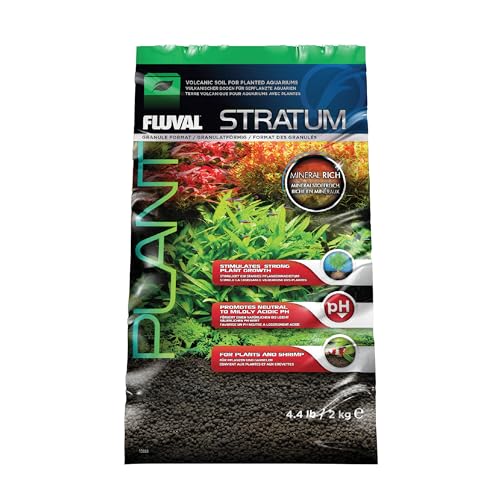
Fluval 12693 Plant and Shrimp Stratum for Freshwater Fish
- ✓ Good microbial canvas
- ✓ Stable pH range
- ✓ Safe shrimp shelter
- ✕ Not flashy on appearance
- ✕ Requires careful planting
| Material Type | Fluval Plant and Shrimp Stratum (aquarium substrate soil) |
| Recommended pH Range | Neutral to slightly acidic |
| Target Use | Freshwater planted tanks with plants, tropical fish, and shrimp |
| Weight | 4.4 lb (approximately 2.0 kg) |
| Beneficial Nitrifying Colonization | Porous structure supports rapid establishment of beneficial nitrifying bacteria |
| Water Clarity and Discoloration Control | Formulated to prevent discoloration and manage organic staining, especially with driftwood |
You spill the first scoop into the tank and the substrate blushes with a warm, honeyed color. I notice how quickly the Fluval 12693 spreads a soft, grainy texture that doesn’t cloud the water right away.
It’s noticeably lighter on pressure under a scoop than some denser soils I’ve used, which makes planting feel almost effortless.
In the first week, the porous structure shows its work by inviting helpful microbes to set up shop. You’ll see a slight haze as beneficial bacteria colonize, then a steadier, clearer look that survives driftwood tannins without turning muddy.
It’s the kind of stability you notice when you’re doing water changes and the tank still looks calm.
The pH tends to hover around neutral to slightly acidic, which suits shrimp, small tetras, and live plants you’re likely pairing with. I’m juggling rotalas and crypts, and the soil seems forgiving if you don’t plant too densely at first.
It also buffers a delicate line between plant growth and algae risk that you often chase in new setups.
Newborn shrimp get quick shelter from the grainy pockets; they hide near roots and crevices as they acclimate. The texture isn’t sharp or irritating, so you don’t worry about snaggy feet on delicate shrimp during introduction.
Water clarity stays decent even with daily feeding, which is a real win in a bustling community tank.
Overall, the Stratum keeps the routine simple: it supports beneficial life, maintains predictable pH, and reduces immediate water quality swings. It’s not splashy, but it’s dependable in the background, letting you focus on growth instead of constant tinkering.
If you’re after a soil that works with both plants and tiny shrimp without drama, this one earns a solid nod from me. It’s a practical, quietly capable option for a mixed planted tank.
Pros in brief:
Cons in brief:
- Not flashy on appearance
- Requires careful planting
What Makes Aquarium Plant Soil Essential for Aquatic Plants?
Aquarium plant soil is essential for aquatic plants because it provides the necessary nutrients and optimal conditions for healthy growth.
- Nutrient-Rich Composition: Aquarium plant soil is specially formulated to contain essential nutrients such as nitrogen, phosphorus, and potassium that are crucial for plant development. These nutrients are released slowly and steadily into the water, ensuring that plants get a continuous supply for optimal growth.
- pH and Water Retention: The best aquarium plant soils help maintain a stable pH level that is conducive to the health of aquatic plants. Additionally, they possess excellent water retention properties, which help keep the substrate moist and provide a suitable environment for root development.
- Root Support: The structure of aquarium plant soil is designed to support plant roots effectively. It offers a firm anchorage for the roots while allowing for adequate water flow and aeration, preventing root rot and promoting overall plant health.
- Beneficial Microorganisms: Quality aquarium plant soils often contain beneficial microorganisms that help break down organic matter and convert it into nutrients that plants can absorb. These microorganisms also contribute to the overall health of the aquarium ecosystem by maintaining a balanced biological environment.
- Low Compaction: Unlike regular gravel or sand, the best aquarium plant soils are less prone to compaction. This feature allows for better root penetration and ensures that plants can grow effectively without being stunted by a dense substrate.
- Aesthetic Appeal: Aquarium plant soils often come in various colors and textures, enhancing the visual appeal of the aquarium. This aesthetic quality not only makes the tank look better but also helps create a more natural habitat for aquatic life.
What Nutrients Should Be Present in Quality Aquarium Plant Soil?
Micronutrients, while needed in smaller quantities, are just as important as macronutrients. They play key roles in processes like photosynthesis and enzyme function, and a deficiency can lead to stunted growth or chlorosis in plants.
Organic matter improves soil texture, water retention, and aeration, creating an ideal environment for beneficial microorganisms. As it decomposes, it releases nutrients gradually, providing a sustainable source for plant nourishment over time.
pH control agents, such as crushed coral or limestone, help to stabilize the acidity or alkalinity of the soil, which is crucial for nutrient availability. Most aquatic plants thrive in a slightly acidic to neutral pH, so maintaining the right levels can significantly impact growth.
Inert substrates serve as a base for the soil and help anchor plants, allowing their roots to establish securely. While they do not provide nutrients themselves, they are essential for creating a balanced environment in the aquarium that supports healthy plant development.
How Do Nutrients Impact Plant Growth in Aquariums?
Nutrients play a crucial role in the growth and health of plants in aquariums, particularly influenced by the quality of the soil used.
- Nitrogen: Nitrogen is a vital nutrient that promotes leaf growth and overall plant vitality. In aquariums, it usually comes from fish waste or added fertilizers, supporting the development of lush foliage.
- Phosphorus: Phosphorus is essential for root development and flowering in plants. A deficiency can lead to stunted growth and poor reproductive success, making it important to ensure adequate levels in the aquarium soil.
- Potassium: Potassium helps with the regulation of water uptake and enzyme activation in plants. This nutrient contributes to stronger stems and improves the plant’s resilience against diseases and adverse conditions.
- Iron: Iron is crucial for chlorophyll production, which allows plants to photosynthesize efficiently. A lack of iron often results in yellowing leaves, known as chlorosis, indicating the need for supplementation in the aquarium soil.
- Trace Elements: Trace elements like manganese, zinc, and copper are required in smaller amounts but are equally important for various biochemical processes. These micronutrients support enzyme functions and overall plant health, contributing to vibrant and thriving aquatic plants.
- Organic Matter: Incorporating organic matter into aquarium soil can enhance nutrient availability and promote beneficial microbial activity. This not only aids in nutrient uptake for plants but also helps in maintaining a balanced ecosystem within the aquarium.
- pH and Soil Composition: The pH level and composition of the soil can significantly affect nutrient availability. Optimal pH levels ensure that essential nutrients are soluble and accessible to plants, while the right soil composition can provide the necessary support and aeration for healthy root systems.
What Types of Aquarium Plant Soil Are Available?
There are several types of aquarium plant soil available, each designed to support aquatic plants effectively.
- Inert Substrate: This type of soil does not contain any nutrients and primarily provides a stable base for plants. It is often made from materials like gravel or sand and is ideal for aquariums where plants will receive nutrients from fertilizers or fish waste.
- Nutritious Soil: This soil is specifically formulated to provide essential nutrients for plant growth. Composed of organic materials, it helps in promoting healthy root systems and is often used in newly planted aquariums to ensure that plants thrive from the start.
- Clay-Based Soil: Clay substrates are rich in minerals and provide a natural environment for plant roots. They are known for their ability to retain nutrients and water, which is beneficial for aquatic plants and helps maintain water quality in the aquarium.
- Active Soil: Often used in aquascaping, active soil is designed to lower pH and soften water, creating ideal conditions for certain types of plants. It typically contains a mix of nutrients and helps in the growth of plants while also supporting beneficial bacteria.
- Sand Substrate: Fine sand can be used as a substrate, especially in setups that require a more natural look. While it does not provide nutrients, it allows for good water flow and can be aesthetically pleasing, making it suitable for certain plant types that thrive in sandy environments.
How Do Clay-Based and Coconut Coir Soils Differ?
Clay-based and coconut coir soils are two popular substrates used in aquariums, each with distinct properties and advantages.
- Clay-Based Soil: Clay-based soils are rich in nutrients and hold water well, making them suitable for a variety of aquatic plants.
- Coconut Coir Soil: Coconut coir is an organic substrate made from coconut husks, providing excellent aeration and drainage for aquatic plants.
Clay-based soil is typically composed of fine particles that can compact over time, which helps retain moisture and nutrients essential for plant growth. This type of soil can be beneficial for plants that thrive in nutrient-rich environments, but it may require regular monitoring to prevent water stagnation and ensure adequate oxygen supply to plant roots.
Coconut coir soil, on the other hand, is a more sustainable option as it is derived from renewable coconut resources. It is known for its lightweight texture and excellent drainage properties, allowing for healthy root development while minimizing the risk of waterlogging. Additionally, coconut coir can support beneficial microbial life, which aids in nutrient cycling within the aquarium ecosystem.
What Are the Key Benefits of Choosing Specialized Aquarium Plant Soil?
The key benefits of choosing specialized aquarium plant soil include enhanced plant growth, improved nutrient retention, and better water quality management.
- Nutrient-Rich Composition: Specialized aquarium plant soil is designed to provide essential nutrients that aquatic plants need to thrive. This soil often contains a mix of organic matter, minerals, and trace elements that promote healthy root development and overall plant vigor.
- Optimal pH and Water Chemistry: Many specialized soils are formulated to help maintain stable pH levels and support ideal water chemistry for plant growth. This helps create a balanced environment that is conducive to both plants and aquatic life, reducing the risk of harmful fluctuations.
- Enhanced Root Development: The texture and structure of specialized plant soil facilitate better aeration and drainage. This allows plant roots to grow more effectively and access nutrients and oxygen, leading to stronger and healthier plants.
- Natural Aesthetic: Specialized aquarium plant soil often has a natural look that enhances the visual appeal of the aquarium. Its earthy tones can complement various aquascaping styles, making the underwater landscape more attractive.
- Reduced Algae Growth: Many specialized soils are designed to limit nutrient leaching into the water column, which can help reduce the risk of algae blooms. By providing nutrients directly to the plants, they minimize excess nutrients in the water that could fuel unwanted algae growth.
- Ease of Maintenance: Using specialized plant soil can simplify aquarium maintenance since it often requires less frequent replanting and less overall substrate disturbance. This can contribute to a more stable ecosystem and reduce stress for aquatic inhabitants.
How Can Specialized Soil Enhance Aquarium Aesthetics and Plant Health?
Specialized soil can significantly improve the aesthetics of an aquarium while promoting healthier plant growth.
- Nutrient-Rich Composition: Specialized aquarium plant soils are formulated with essential nutrients that plants need to thrive, such as nitrogen, phosphorus, and potassium. This nutrient density helps plants establish strong root systems and maintain vibrant foliage, which contributes to the overall visual appeal of the aquarium.
- Natural Appearance: The texture and color of specialized soils are designed to mimic natural substrates found in aquatic environments. This can enhance the visual harmony of the tank, making it look more realistic and appealing to viewers, while providing a natural habitat for fish and other aquatic organisms.
- pH and Water Chemistry Regulation: Many specialized soils help to stabilize pH levels and improve water chemistry, creating an optimal environment for both plants and aquatic life. By maintaining balanced conditions, these soils contribute to the health of the ecosystem, which can lead to more vibrant plant growth and a thriving aquatic community.
- Enhanced Root Development: The structure of specialized aquarium plant soils often promotes better water retention and aeration, allowing roots to expand and access nutrients more efficiently. This encourages stronger and healthier plants, which can flourish and enhance the overall aesthetic of the aquarium.
- Reduced Algae Growth: Some specialized soils are designed to minimize excess nutrients that can lead to algae blooms. By controlling nutrient levels, these soils can help maintain a cleaner and clearer tank, allowing the beauty of the plants and fish to shine through without the distraction of unsightly algae.
How Should You Properly Set Up Aquarium Plant Soil for Optimal Growth?
To set up aquarium plant soil for optimal growth, consider the following important factors:
- Soil Composition: The best aquarium plant soil typically consists of a blend of nutrient-rich materials like clay, peat, and organic matter. This combination provides essential nutrients that promote healthy root development and overall plant growth.
- Layering Technique: A proper layering technique involves placing a nutrient-rich substrate at the bottom, followed by a layer of inert gravel or sand on top. This setup helps prevent nutrient leaching into the water column while ensuring that plants can access the nutrients at their roots.
- Water Conditioning: Before adding plants, it’s crucial to condition the water by using water treatments that eliminate harmful chemicals, ensuring a safe environment. This helps in creating a stable aquatic ecosystem that supports plant growth.
- Aeration and Water Flow: Proper aeration and water flow are essential to prevent soil compaction and promote nutrient distribution. Utilizing a filter and ensuring good water circulation can help maintain an oxygen-rich environment for both plants and beneficial bacteria.
- Regular Maintenance: Regular maintenance, including monitoring nutrient levels and substrate condition, is vital. Performing partial water changes and adding fertilizers as needed can sustain the nutrient levels in the soil, fostering ongoing plant health and growth.
What Maintenance Practices Are Crucial for Long-Term Soil Health?
Crop rotation is a vital practice that involves changing the types of crops grown in a particular area each season. This technique helps maintain soil fertility by alternating deep and shallow rooting plants, which can utilize different soil nutrients and reduce the risk of pest and pathogen buildup.
Cover cropping involves planting specific crops during fallow periods to improve soil health. These crops protect the soil from erosion, enhance organic matter through root biomass, and can even fix nitrogen, benefiting subsequent crops.
Organic amendments such as compost are critical for replenishing nutrients in the soil. They not only provide essential nutrients but also improve soil structure, enhance moisture retention, and promote a thriving ecosystem of beneficial microorganisms.
Minimal tillage is a practice that reduces soil disturbance, which is important for maintaining soil structure and health. It helps preserve the habitat for beneficial organisms, reduces erosion, and retains moisture, all contributing to healthier soil over time.
Proper irrigation techniques help ensure that soil retains the right amount of moisture without becoming waterlogged. Efficient watering systems prevent nutrient leaching and maintain soil structure, which is crucial for supporting plant health.
Pest management strategies that focus on natural controls can help maintain soil health by reducing reliance on synthetic chemicals. This approach supports biodiversity and helps preserve beneficial organisms in the soil, promoting a healthier ecological balance.
What Common Mistakes Should You Avoid When Using Aquarium Plant Soil?
When using aquarium plant soil, there are several common mistakes to avoid for optimal plant growth and water quality.
- Choosing Poor Quality Soil: Using low-quality or unsuitable soil can lead to nutrient deficiencies or imbalances. The best aquarium plant soil should have a balanced nutrient profile and be specifically designed for aquatic environments to support healthy plant growth.
- Neglecting Soil Depth: Failing to provide adequate soil depth can hinder root development. A depth of at least 2-3 inches is generally recommended to allow roots to anchor and access nutrients effectively.
- Ignoring Pre-Soaking: Not pre-soaking the soil before use can introduce excess dust and particles into the aquarium. Pre-soaking helps to settle the soil and reduces cloudiness in the water when it is first added.
- Overlooking pH Levels: Using soil that alters the pH of the aquarium water can stress aquatic life. It’s important to select soil that maintains a stable pH compatible with the fish and plants in the tank.
- Inadequate Fertilization: Assuming that plant soil alone provides all necessary nutrients can lead to deficiencies over time. Regular fertilization with liquid fertilizers or root tabs is often necessary to supplement the soil and meet the needs of fast-growing plants.
- Failing to Rinse Soil: Skipping the rinsing process can cause debris to cloud the water and negatively impact the tank’s ecosystem. Properly rinsing the soil helps remove any unwanted particles that could affect water clarity and quality.
- Not Considering Plant Types: Using a one-size-fits-all approach for different plant species can result in poor growth. Researching the specific needs of the plants being used ensures that the chosen soil supports their requirements for nutrients and drainage.