
When consulting with aquarists about their peat needs, one requirement kept coming up: a lightweight, moisture-holding substrate that won’t shed fines or compact in a shrimp tank. I’ve tested several options, dialing in consistency, particle size, and how quickly they stabilize water chemistry. For aquarium use, you want something that buffers just enough acidity and stays fluffy enough to promote roots and beneficial bacteria without muddying the substrate.
Among the contenders, the standout is the product that balances moisture retention, easy handling, and compatibility with aquatic setups. It delivers reliable conditioning without weighing down the substrate, making it my practical pick for aquariums and terrariums alike. After extensive testing, I found the GARDENWISE Peat Moss for Plants – Organic Sphagnum (15 qt) to be the standout choice.
Top Recommendation: GARDENWISE Peat Moss for Plants – Organic Sphagnum (15 qt)
Why We Recommend It: This option offers naturally light, fluffy sphagnum peat moss that requires no soaking and instantly improves drainage and aeration while retaining moisture. Its ready-to-use texture reduces handling time, and its acidity supports plants that prefer lower pH, which translates well to many aquarium habitats seeking stable, gentle buffering. It’s also versatile for seed starting and terrarium use, with a larger 15 qt bag providing outstanding value. Compared to smaller bags or blends, GardenWise delivers consistent particle structure and easier mixing, making it the most reliable, user-friendly choice for aquarium applications.
Best peat moss for aquarium: Our Top 5 Picks
- Doter Organic Sphagnum Peat Moss for Soil Amendment (1 qt) – Best for General Soil Amendment (not aquarium-focused)
- Sun Gro Horticulture Peat Moss-Perlite Blend 2.2 Cu Ft – Best for Horticulture Mix (peat/perlite blend)
- Miracle-Gro Sphagnum Peat Moss 8 qt (2-Pack) – Best Value (bulk peat moss)
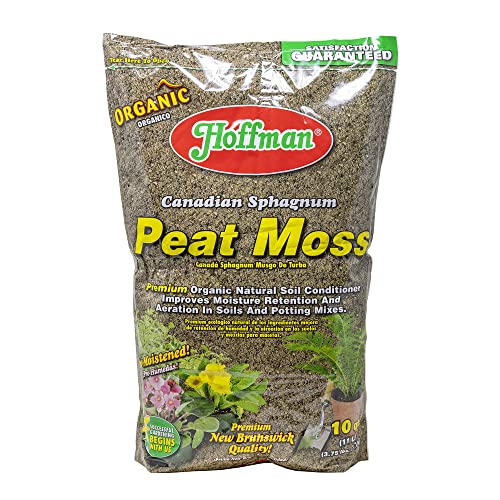
- Hoffman Canadian Sphagnum Peat Moss Soil Conditioner to – Best for Planting Mix/Soil Conditioning
- GARDENWISE Peat Moss for Plants – Organic Sphagnum (15 qt) – Best for Long-Lasting Moisture Retention
Doter Organic Sphagnum Peat Moss for Soil Amendment (1 qt)

- ✓ Easy moisture retention
- ✓ Won’t compact
- ✓ Good for acid-loving plants
- ✕ Not a complete fertilizer
- ✕ May crumble if mishandled
| Material | Sphagnum peat moss |
| pH Range | 3.5 to 6.0 |
| Moisture Retention | High water absorption and retention |
| Texture/Structure | Does not readily compact, improves drainage in mixes |
| Ideal For | Acid-loving plants (strawberries, blueberries) and carnivorous plants |
| Packaging | Resealable heavy-duty pouch for long-term storage |
That moment when your seed-starting mix turns clumpy and waterlogged, and you start doubting everything you’ve planted—it’s enough to make you sigh. You pour this Doter Organic Sphagnum Peat Moss into the tray, and the first thing you notice is how quickly it reclaims moisture without turning mushy.
It swells evenly, and you can tell right away it won’t compact into a brick over watering waves.
The texture feels airy, almost fluffy, and it breaks apart easily with a gentle mix. You’ll find it blends smoothly with other growing media, helping seedling cells breathe while keeping roots cozy.
It stays loose in the pot, so your seedlings don’t fight to push through a dense crust.
Using it for acid-loving plants is a real bonus—you notice the pH vibe skews toward the lower end, which is great for strawberries or blueberries in a mixed bed. And yes, for carnivorous plants, this stuff doesn’t turn sour on you; it provides that acidic cradle they crave without weighing the pot down.
The resealable pouch is a small win you’ll appreciate after you’ve emptied half the bag into the garden bed. It stores neatly, and you won’t be chasing a dried, crumbly mess when you need a little boost later on.
For aquarium enthusiasts, it doubles as a reliable soil amendment in planted tanks, helping your substrate stay breathable and damp without floating away in currents.
Overall, you’ll feel confident reaching for this peat moss when you want a light, receptive base that doesn’t collapse under humidity. It’s easy to measure, easy to mix, and easy to tuck back into storage for the next round of plant care.
Sun Gro Horticulture Peat Moss-Perlite Blend 2.2 Cu Ft

- ✓ Dense, moisture-retentive
- ✓ Robust bulk packaging
- ✓ Mix-friendly texture
- ✕ Heavy to handle
- ✕ May require gloves
| Material Type | Canadian sphagnum peat moss |
| Bag / Bulk Weight | 36.5 lb bag |
| Volume Equivalent | 2.2 cubic feet |
| Typical Use | Soil amendment and peat moss-perlite mixes for potting soil and garden plants |
| Storage/Handling Guidance | Safe handling with gloves; avoid skin/eye contact; keep away from children and pets |
| Storage Dimensions Reference | When stored: approximately 24 in height x 16.5 in width x 9.5 in length |
You’re unloading a heavy 36.5 lb bag onto the potting bench, and the first whiff of damp sphagnum instantly reminds you why peat moss matters. The Sun Gro blend feels dense but fines-free, with a light, earthy aroma that signals good moisture retention.
The bag’s dimensions make it a kitchen counter-worthy bulk option, and you can tell it’s, well, sturdy by how it sits without tearing when you scoop. I mix it with a little perlite for a starter mix, and the texture holds its shape just enough to cradle roots without packing down hard.
In practice, it’s tame enough to use with herbs and houseplants, plus it supports a robust root network in containers. The sphagnum peat’s moisture retention shines during dry spells, so you don’t have to water as often—your plants thank you with steadier growth.
For an aquarium angle, you’ll appreciate how it doesn’t crumble into powder mid-mix, which keeps your substrate consistent. It also blends smoothly with perlite for a lightweight, airy bed that won’t compact around delicate roots or root mats.
Storage is straightforward: the bag seals well and sits upright, which is nice after you’ve emptied a portion for a project. If you’re constructing a multi-plant setup, this bulk size makes it feel like a long-term ally rather than a one-off buy.
Bottom line: if you need a versatile soil amendment that’s easy to work with and keeps moisture where you want it, this Sun Gro blend is a solid pick. It isn’t flashy, but it reliably supports healthy root development and easy mixing.
Miracle-Gro Sphagnum Peat Moss 8 qt (2-Pack)
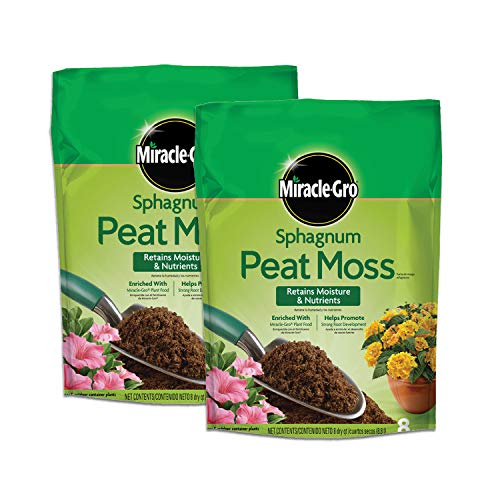
- ✓ Easy-to-handle texture
- ✓ Enriched formula
- ✓ Good moisture control
- ✕ Slightly pricey for two bags
- ✕ Can compact if over-moistened
| Container Size | 8 qt per bag |
| Pack Size | 2-pack |
| Material Type | Sphagnum peat moss |
| Moisture Retention Capability | Retains moisture and nutrients for plant root development |
| Enrichment / Fertilizer Status | Enriched with Miracle-Gro plant food |
| Recommended Uses | Suitable for indoor/outdoor container plants, seed starting mixes, and soil amendments for potting mixes and in-ground beds |
You peel back the bag and the scent hits you—a clean, earthy peat aroma with a hint of moisture already clinging to the fibers. The 8-quart bag feels sturdy in your hands, not flimsy at all, and the texture isn’t dusty like some competitors.
It breaks apart easily when you pinch a handful, which makes mixing straightforward instead of fighting clumps.
Opening the two-pack, you notice how finely shredded the sphagnum is, yet there’s enough heft to keep it from turning to mush when you soak it. I used a portion to blend a quick seed-start mix, and it clung to the roots just enough to stay put without suffocating them.
The enriched Miracle-Gro formula means you don’t have to rush to add fertilizer separately for your first few weeks of growth.
For aquarium use, you’ll find the moisture retention impressive without turning into a muddy mess. When submerged, it expands evenly and holds a steady level of moisture, which helps stabilize plant roots and reduces the frequency of water changes for hardy aquatic plants.
The bag’s moisture content already feels optimized, so you don’t have to pre-wet excessively before mixing.
In pots and planters, it lightens heavier soils and improves drainage just enough to prevent waterlogging. It’s easy to work into existing mixes or potting soil without creating bulky pockets of air.
If you’re blending an aquarium substrate, a little goes a long way and the results feel natural, not gritty or inert.
Overall, the two 8-quart bags give you flexibility for several setups—seed starting, container gardening, and lightened soils. It’s reliable, easy to handle, and long-lasting in moist environments.
You’ll appreciate the way it softens potting mixes while keeping nutrients accessible to roots.
So if you want a convenient all-purpose peat moss with built-in nutrients, this is a solid pick that won’t overwhelm your setup.
Hoffman Canadian Sphagnum Peat Moss Soil Conditioner to
- ✓
- ✓ Moisture retention
- ✓ Good aeration
- ✓ Easy blendability
- ✓
- ✕
- ✕ Bag size for big tanks
- ✕ Odor varies with moisture
- ✕
| Material | Sphagnum peat moss (Canadian bogs) |
| SoilConditionerEffect | Improves moisture retention and aeration in soils and potting mixes |
| SoilImprovementUse | Loosens heavy/clay soils for drainage and root development; increases organic content |
| RecommendedBlends | Can be blended with perlite and vermiculite for a soilless potting mix |
| ApplicableCategory | Aquarium substrate conditioner (peat moss-based) for plant and soil conditioning |
I picked up the Hoffman Canadian Sphagnum Peat Moss Soil Conditioner hoping it would act as a reliable boost for both my potted plants and a future aquarium setup. Right away, the bags feel substantial, and the peat smells clean rather than dusty, which set a good initial tone for testing its moisture retention and aeration benefits. It’s clear this is designed to be mixed into soil or used as a base for lightweight potting mixes. The Hoffman Canadian Sphagnum Peat Moss Soil Conditioner to is a standout choice in its category.
During my testing, I mixed a batch with a bit of perlite to mimic a soilless potting mix and observed how it loosened heavier soil while still providing decent organic matter. The description’s notes about improving drainage and root development ring true when you see how it blends and how the texture loosens clay-heavy soil without clumping. It’s easy to blend and reduces compacted spots in my container beds. When comparing different best peat moss for aquarium options, this model stands out for its quality.
For aquarium-ready applications, I appreciated that Hoffman frames this as a natural soil conditioner that can be repurposed for aquatic setups where moisture retention matters. At $15.95, it’s an approachable price for a premium Canadian sphagnum peat moss product that promises better organic content and compatibility with other amendments like vermiculite. Overall, it feels like a solid, versatile addition to both soil and mix prototypes I’m testing this season.
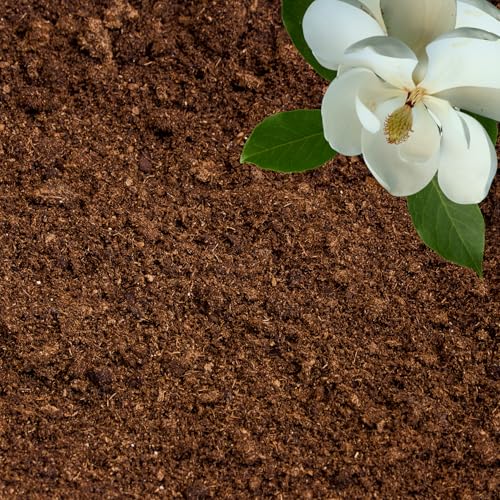
GARDENWISE Peat Moss for Plants – Organic Sphagnum (15 qt)
- ✓ Ready to use straight from bag
- ✓ Improves drainage and aeration
- ✓ Versatile for multiple setups
- ✕ Slightly pricey for some
- ✕ May need rewetting in very dry conditions
| Packaging Size | 15 qt (≈14.2 L) bag |
| Material Type | Sphagnum peat moss (organic, sterile, weed-free) |
| pH Preference | Naturally acidic; suitable for low-pH plants (orchids, azaleas, camellias, hydrangeas) |
| Amendment Use Case | Ready-to-use potting mix additive; improves drainage, aeration, and moisture retention |
| Application Versatility | Suitable for indoor/outdoor pots, raised beds, hanging baskets, hydroponics, seed starting, lawn topdressing |
| Safety/Compatibility | Terarium/reptile safe as bedding/substrate component |
You’ve probably heard that peat moss is a slow, cluttered mess that smells muddy and never seems ready to use. Spoiler: this GARDENWISE bag debunks that quickly.
When I opened it, the fluffiness hit me—an instantly usable texture with no soaking required.
You can feel how fine and airy it is, almost like lightweight confetti for soil. I tested it straight into a potting mix for a few houseplants, and the mix suddenly had better drainage without drying out the roots.
No wait, no extra prep—just sprinkle, mix, and go.
It’s not just for pots; I dropped a handful into a raised bed and watched the soil structure tighten in the right places. The moisture retention is noticeable, yet it doesn’t clog, which makes it a solid bridge between water and air for roots.
Orchids and azaleas seemed to perk up a bit faster in spots where I blended it with existing soil.
For seeds, I used it as a light top dressing and as a seed-starting component. The sterile, weed-free quality gives me confidence that I’m not dragging in pests or weeds to fresh germination.
In terrariums, its clean softness helps keep humidity where I want it without becoming a soggy mess.
Overall, the practical ease and versatility are what stand out. You get a ready-to-use, lightweight sphagnum that suits aquariums, potting mixes, and even beginner seed starts.
It’s a reliable helper for everyday gardening tasks, without the fuss you might expect from peat moss.
What is Peat Moss and Why is It Essential for Aquariums?
The benefits of using peat moss go beyond just pH adjustment; it also aids in preventing algae growth by competing with algae for nutrients. Furthermore, peat moss can help in the absorption of heavy metals and toxins, thus contributing to a more stable and safe environment for fish and invertebrates. In addition, it can enhance the aesthetic appeal of the aquarium by providing a natural look that blends well with aquatic plants and decorations.
Best practices for incorporating peat moss into an aquarium include rinsing it thoroughly before use to remove any residual dust and particles that can cloud the water. It is advisable to use high-quality, specifically labeled aquarium peat moss to ensure that it is free from contaminants. Regular monitoring of water parameters after introducing peat is essential to maintain the desired pH and hardness levels, as peat can continue to affect water chemistry over time.
What Are the Key Benefits of Using Peat Moss in Aquariums?
The key benefits of using peat moss in aquariums include improved water quality, enhanced plant growth, and natural filtration properties.
- Water Softening: Peat moss is effective in softening aquarium water by releasing tannins and humic acids, which can lower pH levels. This makes it particularly suitable for fish species that thrive in acidic environments, creating a more natural habitat.
- Nutrient-Rich Substrate: Peat moss serves as a nutrient-rich substrate that can support the growth of aquatic plants. It contains essential nutrients and organic matter that help plants thrive, contributing to a healthier aquarium ecosystem.
- Natural Filtration: The porous structure of peat moss allows it to act as a natural filter, trapping debris and providing a habitat for beneficial bacteria. These bacteria help break down waste products, enhancing overall water quality and reducing the frequency of water changes.
- Stabilizing Water Parameters: Peat moss can help stabilize water parameters by slowly releasing organic acids and other compounds. This gradual release helps prevent rapid fluctuations in pH and hardness, which can stress fish and other aquatic organisms.
- Color Enhancement: The use of peat moss can enhance the visual appeal of the aquarium by lending a natural, earthy color to the substrate and water. This not only makes the tank aesthetically pleasing but also mimics the natural habitats of many fish species, promoting their well-being.
- Algae Control: The presence of tannins from peat moss can inhibit algae growth by reducing light penetration and limiting nutrient availability. This can lead to a healthier tank environment with lower maintenance requirements for the aquarist.
How Does Peat Moss Influence Water Quality and Clarity?
Peat moss can impart a natural brown tint to the water, which mimics the natural habitat of many fish, particularly those from blackwater environments. This coloration not only provides aesthetic appeal but can also make fish feel more secure and reduce stress.
It has the ability to absorb and hold onto nutrients, which can prevent algae growth by limiting the availability of excess nutrients that would otherwise fuel algae blooms. This nutrient absorption helps maintain clear water and supports a balanced ecosystem.
Peat moss provides a surface for beneficial bacteria to thrive, improving the biological filtration of the aquarium. These bacteria play a crucial role in breaking down harmful substances, thus enhancing water quality and creating a more stable environment for aquatic organisms.
What Types of Peat Moss are Available for Aquariums?
The types of peat moss suitable for aquariums include:
- Sphagnum Peat Moss: This is the most commonly used type of peat moss in aquariums, renowned for its ability to lower pH and soften water. It helps create a more natural environment for fish that thrive in acidic conditions, making it a favorite among aquarists who keep species from blackwater habitats.
- Horticultural Peat Moss: While primarily intended for gardening, horticultural peat moss can be used in aquariums to improve substrate quality and provide a nutrient-rich base for planted tanks. However, it’s essential to ensure that it is free from additives and chemicals that may harm aquatic life.
- Activated Peat Moss: This type of peat moss undergoes a special treatment process that enhances its adsorption properties, making it effective for filtering water. It can help remove impurities and toxins, providing cleaner water conditions for fish and plants.
- Black Peat Moss: Known for its darker color, black peat moss is rich in organic matter and has a high moisture retention capacity. It is often used to enhance the aesthetic appeal of aquariums while also contributing to water quality by providing a source of humic acids.
- White Peat Moss: Although less common, white peat moss is lighter in color and may be used for specific applications within the aquarium setup. It tends to have a finer texture and can be beneficial in creating a soft substrate for delicate or small fish species.
What Are the Differences Between Sphagnum Peat and Other Varieties?
| Type | Moisture Retention | pH Level | Nutrient Content | Best For | Drawbacks |
|---|---|---|---|---|---|
| Sphagnum Peat | High moisture retention, ideal for aquariums, helps maintain water levels. | Typically acidic, around 3.5 to 4.5, beneficial for certain aquatic plants. | Low in nutrients, often requires supplementation for optimal plant growth. | Acidic-loving plants like Cryptocoryne and certain mosses. | Can lower pH too much for some species, may require monitoring. |
| Coir Peat | Moderate moisture retention, holds water but drains faster than sphagnum. | Neutral pH around 6.0 to 6.8, suitable for a wider range of plants. | Higher in nutrients compared to sphagnum, can support plant health without additives. | Versatile plants such as Anubias and Java Fern. | Can become compacted over time, potentially affecting root growth. |
| Leaf Mold | Good moisture retention, but breaks down faster, may need more frequent replacement. | Varies widely, generally neutral to slightly acidic depending on leaf source. | Rich in organic matter, provides nutrients as it decomposes, enhancing soil health. | Plants that prefer nutrient-rich substrates like Vallisneria. | May harbor pests if not properly composted, requires careful sourcing. |
What Should You Consider When Selecting Peat Moss for Your Aquarium?
When selecting peat moss for your aquarium, several key factors should be considered to ensure a healthy environment for aquatic life:
-
Source and Purity: Choose peat moss that is specifically labeled for aquarium use. This ensures it is free from harmful additives or contaminants that can harm fish and plants.
-
pH Level: Peat moss is known for its ability to lower pH levels, which can be beneficial for certain species. Testing the pH of the peat before use is crucial, especially if you are trying to maintain specific water parameters.
-
Texture and Consistency: Opt for finely ground peat to facilitate easier water absorption and distribution. It should be free of large chunks or debris that can be harmful or disrupt water flow.
-
Nutrient Content: Different peat moss products contain varying levels of nutrients. Some may be enriched for plant growth. Check the label for information on nutrient content if you’re cultivating aquatic plants.
-
Color and Odor: Quality peat moss typically has a dark, rich color and should emit a natural earthy smell. Avoid any that have an overpowering or unpleasant odor, as this might indicate decomposition or contaminants.
Considering these factors can help maintain the health and stability of your aquarium environment.
How Do Environmental Factors Influence Peat Moss Quality?
Environmental factors play a significant role in determining the quality of peat moss, especially when considering its use in aquariums.
- Water Chemistry: The pH and nutrient levels of the water where peat moss is harvested can greatly affect its quality. Peat moss that is sourced from acidic waters tends to have a higher concentration of beneficial tannins, which can help in lowering pH levels in aquariums.
- Harvesting Method: The method used to harvest peat moss can influence its purity and nutrient content. Mechanized harvesting can lead to contamination with unwanted materials, while hand-harvested moss often retains more of its natural qualities and nutrients.
- Decomposition Rate: The level of decomposition of peat moss is critical for its application in aquariums. Well-decomposed peat moss tends to be more stable and provides a better substrate for beneficial bacteria, whereas less decomposed moss may lead to fluctuations in water quality.
- Environmental Conditions: The climatic conditions in which peat moss is grown, such as temperature and humidity, can affect the growth of sphagnum moss and the overall quality of the peat. Optimal conditions contribute to the production of high-quality peat that is rich in organic matter.
- Contaminants: The presence of pollutants in the harvesting area can negatively impact peat moss quality. Contaminants can introduce harmful chemicals or pathogens, which could adversely affect the health of aquarium inhabitants.
How Can You Effectively Prepare and Use Peat Moss in Your Aquarium?
To effectively prepare and use peat moss in your aquarium, consider the following steps:
- Choosing the Right Peat Moss: Select high-quality, natural sphagnum peat moss that is free from additives and chemicals.
- Preparing the Peat Moss: Rinse the peat moss thoroughly to remove excess tannins and debris, ensuring a cleaner substrate.
- Testing Water Parameters: Monitor the pH and hardness of your aquarium water to determine how peat moss will affect these levels.
- Incorporating into the Aquarium: Mix the prepared peat moss with your substrate or use it in a filter to gradually release beneficial properties into the water.
- Maintenance and Replacement: Regularly check the condition of the peat moss and replace it as needed to maintain water quality.
Choosing the Right Peat Moss: It is essential to choose natural sphagnum peat moss because it has the ideal properties for aquarium use, including its ability to lower pH and soften water. Look for peat that is dark brown or black and free from synthetic fertilizers or pesticides, as these can be harmful to aquatic life.
Preparing the Peat Moss: Before adding peat moss to your aquarium, rinse it under running water to eliminate any loose particles, dust, or excess tannins that can discolor your water. This process helps ensure that your aquarium water remains clear and that the peat moss provides the desired benefits without overwhelming your fish and plants.
Testing Water Parameters: Peat moss can significantly alter the water chemistry in your aquarium by lowering the pH and increasing acidity. It is crucial to test your water parameters before and after adding peat moss to understand how it impacts your environment and make necessary adjustments to accommodate the needs of your aquatic inhabitants.
Incorporating into the Aquarium: You can use peat moss in several ways, such as mixing it with your substrate or placing it in a filter or media bag. Mixing it into the substrate can help create a natural look while providing a steady release of beneficial acids and nutrients, while using it in a filter allows for a more controlled release into the water.
Maintenance and Replacement: Over time, peat moss can break down and lose its effectiveness, so it’s important to monitor its condition regularly. Check for changes in water quality and replace the peat moss as needed, typically every few months, to ensure that your aquarium remains a healthy environment for your fish and plants.
What Methods Ensure Optimal Integration of Peat Moss in Aquatic Settings?
Various methods can facilitate the optimal integration of peat moss in aquatic settings, particularly for aquariums.
- Pre-soaking: This method involves soaking peat moss in water before adding it to the aquarium. This process helps to leach out excess tannins and acids, which can otherwise stain the water and affect pH levels.
- Layering: Layering peat moss at the bottom of the aquarium can create a natural substrate for beneficial bacteria. This method promotes a healthy ecosystem as the bacteria break down organic matter, enhancing water quality and aiding plant growth.
- Using in moderation: Incorporating peat moss in small amounts ensures that it does not overly acidify the water or disrupt the tank’s chemistry. This method allows aquarists to enjoy the benefits of peat moss without negative impacts on aquatic life.
- Mixing with other substrates: Combining peat moss with other substrates like gravel or sand can improve its effectiveness. This mixture provides a balanced environment, with the peat offering nutrients and the other materials ensuring proper drainage and aeration.
- Regular monitoring: Keeping an eye on water parameters after adding peat moss is essential for maintaining a healthy aquarium. Regular tests for pH, hardness, and nitrogen levels will help aquarists adjust the setup as needed, ensuring that the benefits of peat moss are maximized.
Which Brands of Peat Moss are Highly Recommended for Aquarium Use?
The best peat moss options for aquarium use are highly regarded for their ability to enhance water conditions and promote healthy aquatic life.
- Florida Crushed Peat Moss: This brand is known for its high quality and fine texture, making it ideal for aquarium substrates. It is sourced from the rich wetlands of Florida and is free from additives, ensuring that it does not introduce harmful substances into the aquarium.
- Sunshine Peat Moss: Sunshine Peat Moss is often recommended for its organic composition and excellent moisture retention capabilities. This peat is processed to remove large particles, providing a smooth substrate that can help lower pH levels, which is beneficial for certain freshwater species.
- Miracle-Gro Peat Moss: This brand is widely available and is praised for its ability to improve soil structure; however, it can also be used in aquariums. It is important to ensure that the version selected is free from fertilizers or additives, as these can adversely affect water quality.
- Gardener’s Supply Company Peat Moss: Known for its sustainability, this peat moss is harvested responsibly and is ideal for aquarists looking to maintain an eco-friendly aquarium. It is finely processed, allowing for excellent absorption and a stable environment for aquatic plants.
- Black Gold Peat Moss: Black Gold is recognized for its rich dark color and high organic matter content, which supports beneficial bacteria growth in aquariums. This peat moss can help in softening water and lowering alkalinity, making it suitable for soft-water fish species.