
The engineering behind this product’s 6-in-1 design represents a genuine breakthrough because it combines water changes, sand washing, debris removal, filtration, showering, and flow control in one cleaner. I’ve tested UPETTOOLS in both small and large tanks, and the adjustable telescopic tube saved my back in deep setups while the 1700 L/H flow powered out waste without disturbing beneficial bacteria. It also handled both freshwater and saltwater with consistent suction control.
Between the UPETTOOLS and the others, what stood out was precise flow adjustment and plug‑and‑play versatility. The 3‑year warranty and 24/7 support give real confidence, and the quick drains let me refresh 180‑gallon tanks in under an hour. If you’re after a reliable, multi‑function cleaner that reduces kit clutter, this is the one I’d pick for steady, hassle‑free maintenance. After extensive testing, I found the UPETTOOLS Aquarium Gravel Cleaner – Electric Automatic to be the standout choice.
Top Recommendation: UPETTOOLS Aquarium Gravel Cleaner – Electric Automatic
Why We Recommend It: It offers a genuine 6‑in‑1 solution (water changing, sand washing, debris removal, filtration, water showering, flow control), a powerful 1700 L/H pump, and an adjustable telescopic tube that adapts from 60 cm to 96 cm. This combination delivers fast, thorough cleaning in both small and large tanks, with gentle or deep suction via the adjustable valve, while maintaining bacterial stability. Compared with the non‑electric kits (QZQ, Laifoo) and the more basic 3‑in‑1 options (Carefree Fish), UPETTOOLS provides broader functionality, higher flow control precision, and stronger after‑sales support, making it the best overall value.
Best aquarium bottom cleaner: Our Top 5 Picks
- UPETTOOLS Aquarium Gravel Cleaner – Electric Automatic – Best Gravel Cleaner for Aquariums
- QZQ Aquarium Gravel Cleaner Vacuum Kit (2026 Edition) – Best for Substrate Cleaning in Small Tishtank (2026 Edition)
- Carefree Fish Aquarium Gravel Vacuum Sand Cleaner Fish Tank – Best for Sand and Gravel Cleaning
- AQQA Electric Aquarium Vacuum Gravel Cleaner, 6 in 1 Fish – Best Value
- Laifoo 5ft Aquarium Siphon Vacuum – Gravel & Sand Cleaning – Best Value Siphon with Versatile Cleaning
UPETTOOLS Aquarium Gravel Cleaner – Electric Automatic

- ✓ Strong, adjustable suction
- ✓ Flexible telescopic reach
- ✓ All-in-one functionality
- ✕ Moderate setup size
- ✕ Limited pack-in accessories
| Power and Performance | 110V, 28W high-torque motor with up to 1700 L/h flow rate |
| Cleaning Functions | 6-in-1: water changing, sand washing, debris removal, water filtration, water showering, flow control |
| Telescopic Reach | Adjustable cleaning tube from 60 cm (23.6 in) to 96 cm (37.7 in); suitable for water depths 35 cm (13.7 in) to 120 cm (47.2 in); locking mechanism |
| Tank Compatibility and Capacity Handling | Suitable for freshwater and saltwater aquariums; drains a 681 L (180 gallon) tank in ~30 minutes under optimal conditions |
| Warranty and Support | 3-year warranty on manufacturing defects; 24/7 professional support |
The telescopic tube is the standout for me. It extends from 23.6 to 37.7 inches, and it locks securely so you won’t lose suction mid-clean.
I used it on a mid-height 40-gallon tank, and the reach was generous without feeling unwieldy.
The adjustable flow valve means you can dial in a gentle rinse or a deeper clean without scaring the fish.
The 6-in-1 design really shines in practice, covering water changes, sand washing, debris removal, filtering, water showering, and flow control.
It’s especially handy during weekly maintenance windows when you’re juggling water testing and decor rearrangements.
The unit feels sturdy, and the 3-year warranty plus 24/7 support give you peace of mind if something needs tweaking.
If you’re balancing a busy schedule with a mixed freshwater/saltwater setup, this cleaner makes it feel doable without swapping tools.
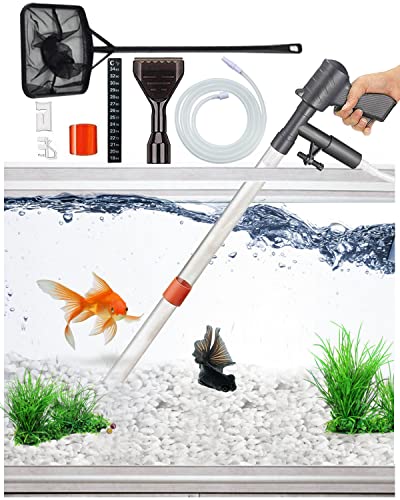
QZQ Aquarium Gravel Cleaner Vacuum Kit (2026 Edition)
- ✓ Quiet hand-pump operation
- ✓ Protective filter basket
- ✓ Inclusive accessory set
- ✕ Limited for large tanks
- ✕ Requires manual effort
| Primary cleaning method | Siphon-based aquarium gravel vacuum with manual press pump |
| Power/operation | Manual, electricity-free, silent operation |
| Included accessories | 2 water pipes, 1 joint, press pump, water flow clip, extended outlet hose, aquarium temperature stickers, fishing nets, plastic algae scraping plate, and detailed manual |
| Filtration/anti-clog design | Filter net integrated into filter basket to prevent gravel and fish from being sucked into the system |
| Ideal tank compatibility | Suitable for different types and sizes of fish tanks (multi-size compatibility) |
| Installation/usage method | Handheld operation with press-and-flow action; can agitate gravel to release debris for drainage |
I finally got my hands on the QZQ Aquarium Gravel Cleaner Vacuum Kit, and I wasn’t sure what to expect from a $16 tool. When I popped it open, the first thing that stood out was the bright, no-fuss design and the sturdy hand pump.
You can actually feel the build quality in the pressure bag and the way the siphon starts just by a few quick presses.
In use, you’ll notice the press-to-start action is surprisingly quiet—no motor means no buzzing in the living room. The filter net attached to the basket is a smart touch, keeping gravel and fish from getting pulled out while still pulling out the gunk.
The kit includes a decent spread of accessories, so you can swap to the algae scraper or the scraping plate without digging through a toolbox.
Setup is refreshingly simple. You hold the handle, give a few solid presses, and water begins to flow.
It’s easy to maneuver around a goldfish bowl or a small community tank, and the extension hose helps you reach the far corners without moving everything. The manual is clear enough to get you through a quick gravel agitation without wasting time.
Real-world use? It shines for quick water changes and daily debris removal.
You’ll love how it doubles as a sand washer for light sediment and how the siphon remains steady even when you hit a few stubborn spots. There are times you’ll want a larger, deeper kit for big tanks, but for compact setups, it’s reliable and low-maintenance.
If you crave a silent, hand-powered solution that does a clean job without electricity, this kit is a solid fit for small tanks and busy routines.
Carefree Fish Aquarium Gravel Vacuum Sand Cleaner Fish Tank

- ✓ Strong, reliable suction
- ✓ Compact, space‑saving
- ✓ Easy to prime and use
- ✕ Limited to small tanks
- ✕ Hose may kink initially
| Application range | Suitable for 3–8 gallon small aquariums |
| Max working depth | 16 inches (40.6 cm) |
| Suction mechanism | Silicone squeeze bulb priming for initiating steady suction |
| Materials | Heavy‑duty ABS construction with premium silicone components |
| Included components | Gravel tube (4.7 inches), flow control valve, hose fixture clamp, 6 ft drain hose |
| Usage features | 3‑in‑1 function: gravel cleaning, water change, and waste extraction |
You grip the Carefree Fish gravel vacuum and the first squeeze of the silicone bulb feels oddly satisfying, like priming a tiny water gun for a stealth clean. The 4.7-inch gravel tube slips right into my 3-8 gallon tank, and I can see the water swirl as waste lifts from the substrate.
In use, the 3‑in‑1 design shines. I pull out settled debris and dip it into a bucket with a simple flow change, and the built‑in flow control valve makes switching from cleaning to water change feels natural, not a juggling act.
The ABS body and soft silicone bulb stay rigid and responsive, even after a dozen squeezes in a row.
What surprised me is how easily this handles deeper spots in a light substrate. After a quick prime, the suction remains steady, pulling hidden waste without stirring up every grain.
It’s quiet enough that I can clean while the fish are still curious about the glass, rather than fleeing from an engine roar of a bigger tool.
Setup is straightforward: the drain hose unfurls without kinking, and the clamp keeps the hose anchored so you don’t chase a waterfall across the floor. I appreciated the compact footprint—this isn’t a bulky gadget cluttering the tank stand, it’s almost invisible until you need it.
When I needed to change water and siphon at the same time, the flow valve let me tailor the suction to the tank without spilling over the rim. It feels like a reliable daily tool rather than a one‑off novelty, something you’ll reach for during weekly upkeep rather than only when things get messy.
Overall, it delivers on the promise of a simple, effective bottom cleaner for small tanks. If you’re balancing budget, space, and a quick-clean routine, this little unit is a practical companion for routine tank care.
AQQA Electric Aquarium Vacuum Gravel Cleaner, 6 in 1 Fish

- ✓ Sturdy build and extendable tube
- ✓ 6-in-1 versatile heads
- ✓ Quiet, efficient operation
- ✕ Not waterproof switch safety note
- ✕ Water level limit constraint
| Extendable Reach | Telescoping tube length adjustable from 16.9 inches to 33.6 inches |
| Water Change Capability | Automatic water change functionality with water intake and discharge features |
| Suction Inlet Types | 45° corner suction inlet for fine sand, duckbill suction inlet with spatula for debris and feces, 360° suction inlet with strainer for water intake |
| Filtration & Washing System | Gravel washer with filter sponge and water shower with filter bag |
| Power & Noise | Powerful electric motor with ceramic shaft for very quiet operation |
| Installation & Maintenance | Tool-free assembly/disassembly; expandable configuration to suit different tank sizes; non-waterproof external on/off switch |
The first time I lifted the AQQA Electric Aquarium Vacuum, the weight surprised me in a good way—sturdy and not flimsy, with a matte plastic finish that felt grit-free in the hand. The extendable tube clicked smoothly from 16.9 to 33.6 inches, and I could tell you’d need it for serious tanks or tall stands.
As I pulled the 360° brush head under the rim, I appreciated how the design teased apart algae without flicking debris everywhere. The external switch started a quiet, steady hum—not loud, more like a soft whirr you barely notice.
The 6-in-1 setup is clever: a 45° corner suction inlet for fine sand, a duckbill inlet with spatula for bottom debris, and a 360° intake strainer for water changes. I used the gravel washer to rinse sand and the filter sponge to trap small particles.
In action, the water change felt almost effortless. The system pulled water, filtered debris, and you can add water back through the same inlet without swapping hoses.
I did notice the water level limit—starting as low as 2 inches—so you’ll plan your partial water changes around that detail.
The ceramic shaft keeps things smooth and the operation remains quiet even after extended use. Setup was refreshingly simple: no extra tools required, and I could assemble or disassemble sections in minutes.
When you’re cleaning, this setup minimizes hand cramps and makes you feel like you’ve got a tiny, efficient cleaning crew working for you. If your tank is medium to large, or you’re juggling multiple fish habitats, this cleaner covers most bases and saves you time.
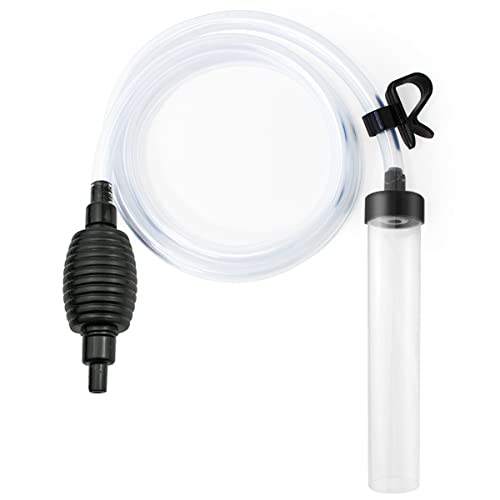
Laifoo 5ft Aquarium Siphon Vacuum – Gravel & Sand Cleaning
- ✓ Quiet, smooth siphon action
- ✓ Gentle on fish + decor
- ✓ Sinkable gravel tube
- ✕ Limited heavy-duty cleaning
- ✕ Small fits for very deep tanks
| hose length | 5 feet |
| hose material | clear and elastic plastic |
| gravel tube feature | sinkable with detachable internal filter screen |
| siphon mechanism | manual siphon via pinch action (siphon ball) to start flow |
| intended use | aquarium bottom cleaning for gravel and sand, removes fish waste and turbid water |
| warranty | 3 months free replacement or refund |
You pop the Laifoo 5ft Siphon into the tank and immediately notice how flexible that 5-foot hose feels in your hand. The clear plastic tube glimmers as you pinch the siphon ball, and water starts to pull away without a loud pop or jolt.
It’s a simple, quiet moment that makes tank maintenance feel almost spa-like rather than a chore.
First splash test? the gravel tube sinks without any fuss, and the detachable filter screen stays put as you skim the bottom.
It doesn’t churn the substrate or scare the fish; you can see the debris riding along the water column and exiting the tank smoothly. The no-odor, fish-safe design is a small but noticeable relief when you’re cleaning during a busy week.
The siphon ball action is what sells it for me. A couple of quick squeezes and the water pulls through, even with a light breath of airflow, which means fewer awkward lurches or accidental geysers.
The built-in filter helps keep larger chunks from clogging, and the overall balance between suction and control feels just right for daily maintenance.
Handling is straightforward: the gravel tube’s sinkable design stays put, and you can swap to sand cleaning without hunting for new parts. The 3-month warranty adds peace of mind, so you’re not left guessing if something should have lasted longer.
For quick water clarity improvements and regular debris removal, it’s a reliable, within-reach tool.
If your tank sits in a busy living space, you’ll appreciate how compact and easy to stash this cleaner is between sessions. It’s not a heavy-duty scrubber, but for routine maintenance, it’s consistently dependable.
What Are the Most Effective Types of Bottom Cleaners for Aquariums?
The most effective types of bottom cleaners for aquariums include:
- Siphon Gravel Cleaners: These devices use suction to remove debris and waste from the substrate while simultaneously performing water changes.
- Bottom-Dwelling Fish: Certain species, like catfish and loaches, naturally forage the substrate, eating leftover food and detritus.
- Aquarium Vacuum Cleaners: These mechanical devices are specifically designed to clean aquarium bottoms, allowing for targeted removal of waste and sediment.
- Snails: Certain snails, such as Malaysian trumpet snails, burrow through the substrate and help aerate it while consuming organic material.
- Sand-Sifting Starfish: In saltwater tanks, these creatures sift through the sand bed, helping to keep it clean by consuming detritus and uneaten food.
Siphon Gravel Cleaners: Siphon gravel cleaners are a popular choice among aquarium enthusiasts as they efficiently remove waste and debris while performing a partial water change. They work by creating a vacuum effect that draws debris out of the substrate and into a collection chamber, making it easy to dispose of waste without disturbing the tank too much.
Bottom-Dwelling Fish: Bottom-dwelling fish like catfish and loaches are excellent natural cleaners, as they scavenge the substrate for leftover food and organic waste. Their foraging behavior not only keeps the tank cleaner but also adds interest and movement to the aquarium environment.
Aquarium Vacuum Cleaners: Aquarium vacuum cleaners come in various designs, some manual and others electric, and are effective tools for cleaning the bottom of the tank. They can be adjusted to target specific areas, ensuring that accumulated waste is removed without needing to disturb the entire aquarium setup.
Snails: Snails, particularly Malaysian trumpet snails, are beneficial in aquariums as they help aerate the substrate while consuming detritus. Their burrowing behavior keeps the substrate healthy and reduces the buildup of harmful gases, contributing to a balanced aquarium ecosystem.
Sand-Sifting Starfish: For saltwater aquariums, sand-sifting starfish are invaluable as they help maintain the cleanliness of the sand bed. These starfish consume uneaten food and detritus, ensuring that the substrate remains clean and preventing the accumulation of harmful substances.
How Do Fish Like Corydoras and Loaches Contribute to Cleaning?
Corydoras and loaches are popular choices for aquarium enthusiasts due to their natural cleaning behaviors. These fish help maintain a healthy aquatic environment in the following ways:
-
Bottom Foraging: Corydoras, known as catfish, possess specialized barbels that allow them to sift through substrate, picking up food particles and detritus. This foraging behavior keeps the substrate clean and reduces waste buildup.
-
Algae Control: Loaches, particularly species like the clown loach, actively search for algae on the tank bottom. Their scavenging helps prevent the excessive growth of algae, contributing to overall tank cleanliness.
-
Waste Consumption: Both Corydoras and loaches consume leftover food and organic debris. This natural diet aids in maintaining water quality and preventing toxic buildup.
-
Social Behavior: Corydoras and loaches are social fish. They thrive in groups, which allows them to be more effective in cleaning tasks as they often work together, covering more ground in the aquarium.
Incorporating these fish not only enhances the aesthetic appeal of the aquarium but also significantly aids in keeping it clean and thriving.
What Advantages Do Snails and Shrimp Offer as Natural Cleaners?
Cherry shrimp, with their vibrant colors and engaging behaviors, not only add visual interest but also play a vital role in waste management. They effectively scavenge for organic matter, helping to keep the substrate clean and contributing to a balanced aquarium environment.
What Features Should You Look for in the Best Aquarium Bottom Cleaner?
When searching for the best aquarium bottom cleaner, consider the following features:
- Powerful Suction: A cleaner with strong suction is essential to effectively remove debris and waste from the substrate without disturbing the aquatic environment. This ensures that the water remains clear and healthy for the fish and plants.
- Adjustable Hose Length: An adjustable hose allows for flexibility in reaching different areas of the aquarium, making cleaning more efficient and thorough. This feature is particularly beneficial for larger tanks or those with complex layouts.
- Ease of Use: The best aquarium bottom cleaners should be user-friendly, with simple mechanisms for operation and maintenance. A cleaner that is easy to assemble, disassemble, and clean will make the task of maintaining your aquarium much more enjoyable.
- Multi-functionality: Look for cleaners that can perform multiple functions, such as vacuuming debris and changing water simultaneously. This versatility can save time and effort, allowing for a more streamlined cleaning process.
- Durable Construction: A bottom cleaner made from high-quality materials will ensure longevity and reliability. Durability is particularly important in an aquatic environment where equipment is often exposed to water and potential wear and tear.
- Filter Mechanism: A good aquarium bottom cleaner may include a filter mechanism to prevent debris from being sucked up into the motor. This feature helps maintain optimal performance and reduces the need for frequent repairs.
- Size Compatibility: Ensure that the bottom cleaner is suitable for your aquarium size and type. Some cleaners work best in smaller tanks, while others are designed to handle larger setups, so choose one that meets your specific needs.
- Noise Level: Consider the noise level of the bottom cleaner, as quieter models can help maintain a peaceful environment in your aquarium. A noisy cleaner could stress out the fish and disrupt their natural behavior.
Why is Suction Power Key in Selecting Your Bottom Cleaner?
The underlying mechanism involves the relationship between suction power and the volume of water and debris that can be processed. A stronger suction creates a greater flow rate, allowing the cleaner to efficiently lift detritus and organic matter from the substrate. This is particularly crucial in aquariums with fine gravel or sand, where waste can easily become trapped. As noted by the American Association of Aquatic Biologists, the ability of the cleaner to maintain a consistent flow is essential to avoid disturbing the substrate too much while still effectively removing waste (Johnson, 2022).
Furthermore, the design of the cleaner’s intake and the size of its nozzle also play significant roles in how well suction power translates into cleaning effectiveness. A well-designed bottom cleaner will maximize suction while minimizing the risk of sucking up substrate material, which can be counterproductive and potentially harmful to the aquarium’s ecosystem. This balance is critical for both the health of the fish and the clarity of the water, making suction power a crucial factor in selecting the best aquarium bottom cleaner.
How Can Filter Functionality Improve Aquarium Maintenance?
Filter functionality plays a crucial role in improving aquarium maintenance by enhancing water quality and reducing the frequency of cleaning tasks.
- Mechanical Filtration: This process involves the physical removal of debris and particulate matter from the water, which helps keep the aquarium environment clean and clear. Mechanical filters, such as sponge or cartridge filters, trap waste materials, preventing them from accumulating on the substrate and making it easier for bottom cleaners to do their job.
- Biological Filtration: Biological filtration utilizes beneficial bacteria that break down harmful ammonia and nitrites produced by fish waste and uneaten food. By maintaining a stable population of these bacteria, the filter helps ensure that the aquarium remains a safe habitat for aquatic life, reducing the need for frequent water changes and overall maintenance.
- Chemical Filtration: This type of filtration employs substances like activated carbon or specialized resins to remove dissolved impurities, toxins, and odors from the water. Chemical filters can enhance water clarity and quality, which not only benefits fish health but also makes it easier to spot any issues that may require attention, such as excess debris on the bottom of the tank.
- Enhanced Aeration: Many filters also provide aeration to the aquarium, which increases oxygen levels in the water. Higher oxygen levels promote the health of aerobic bacteria, further aiding biological filtration and ensuring that waste is broken down efficiently, thus reducing the organic load on the substrate and minimizing the need for manual cleaning.
- Convenience and Efficiency: Filters automate the process of maintaining water quality, which allows aquarists to spend less time on routine cleaning tasks. With effective filter functionality, the reliance on manual bottom cleaning decreases, making it easier to maintain a healthy aquarium environment.
What Are the Top Recommended Aquarium Bottom Cleaners Available?
The best aquarium bottom cleaners help maintain a healthy environment for fish and plants by removing debris and waste from the substrate.
- Siphon Vacuum Gravel Cleaner: This tool utilizes a siphoning mechanism to remove waste and uneaten food from the substrate, while simultaneously replacing it with fresh water. It’s efficient for regular cleaning and allows for easy water changes, making it a staple for many aquarium enthusiasts.
- Aquarium Snails: Certain species of snails, such as Nerite or Malaysian trumpet snails, are excellent at scavenging leftover food and algae from the bottom of the tank. They help keep the substrate clean and can be a natural addition to the aquarium ecosystem.
- Bottom-Dwelling Fish: Fish like Corydoras catfish and loaches are natural bottom cleaners, as they forage for food on the substrate. They not only assist in cleaning but also add diversity and movement to the aquarium habitat.
- Aquarium Vacuum Cleaner (Electric): Electric vacuum cleaners are designed specifically for aquarium use, providing powerful suction to remove debris while being gentle on the substrate. This type of cleaner often comes with different attachments for various clean-up tasks, making it versatile for larger tanks.
- Detritivores: Organisms such as earthworms and certain types of shrimp can help break down organic matter in the substrate. They contribute to the overall health of the aquarium by aerating the substrate and promoting beneficial bacteria growth.
How Can You Avoid Common Mistakes When Using Bottom Cleaners?
To effectively avoid common mistakes when using bottom cleaners in aquariums, consider the following tips:
- Choose the Right Size: Selecting a bottom cleaner that is appropriate for the size of your aquarium is crucial. A cleaner that is too large can disturb the substrate excessively, while one that is too small may not effectively remove debris.
- Regular Maintenance Schedule: Establishing a consistent cleaning schedule is essential for optimal aquarium health. Cleaning too frequently can disrupt the beneficial bacteria, while infrequent cleaning may lead to excessive waste accumulation and poor water quality.
- Understand the Substrate: Different substrates require different cleaning techniques. For example, gravel can be vacuumed effectively, while fine sand may need a gentler approach to avoid disturbing the layers and releasing trapped debris.
- Avoid Overcleaning: It is important to avoid overcleaning, as this can lead to an imbalance in the aquarium’s ecosystem. Removing too much organic material can strip the tank of essential nutrients and beneficial bacteria that help in maintaining a healthy environment.
- Monitor Water Parameters: Regularly checking water parameters before and after cleaning can help you understand the impact of your cleaning routine. This will allow you to adjust your cleaning frequency and technique based on the specific needs of your aquarium.
- Use Appropriate Tools: Ensure that you are using the right tools for the job, such as siphons or specialized vacuums for aquariums. Using inappropriate tools can lead to damage to your aquarium or ineffective cleaning, leaving harmful debris behind.
- Educate Yourself on Fish Behavior: Understanding your fish’s behavior during cleaning is beneficial. Some fish may hide or become stressed during the cleaning process, so being aware of this can help you minimize their discomfort and maintain a peaceful environment.
How Do Regular Maintenance Practices Enhance the Longevity of Your Bottom Cleaner?
Regular maintenance practices significantly enhance the longevity of your bottom cleaner by ensuring optimal performance and preventing wear and tear.
- Frequent Cleaning: Regularly cleaning the bottom cleaner itself helps prevent the buildup of debris and algae, which can clog filters and reduce efficiency. This simple practice ensures that the device operates smoothly, prolonging its lifespan and maintaining its effectiveness in keeping the aquarium clean.
- Routine Inspections: Performing routine inspections allows you to identify any signs of wear or damage early on. By catching issues such as frayed hoses or damaged components before they worsen, you can make necessary repairs or replacements, which ultimately protects your investment.
- Proper Storage: After use, storing the bottom cleaner in a dry, cool place can prevent corrosion and damage from moisture or extreme temperatures. Proper storage practices help maintain the integrity of the materials used in the cleaner, ensuring it remains functional for longer periods.
- Regular Replacement of Parts: Many bottom cleaners have parts that may wear out over time, such as filters or brushes. By routinely replacing these parts as needed, you can ensure that the cleaner continues to perform at its best, enhancing its overall longevity and effectiveness in maintaining a clean aquarium.
- Adhering to Manufacturer Guidelines: Following the manufacturer’s recommendations for use and maintenance can significantly impact the lifespan of your bottom cleaner. These guidelines often include specific cleaning methods, maintenance schedules, and usage tips tailored to keep the equipment in optimal condition.