
As the season shifts and tanks brighten with new plants and fish, you notice cloudy water creeping in. I’ve tested every option, from quick-dissolving caps to large bottles, and I’ll cut to the chase: the right clarifier should trap fine particles fast without stressing your tank. I’ve watched each formula clump debris, speed up filtration, and keep beneficial bacteria intact in real-world setups.
Between 8–16 ounce bottles, the standout is the one that balances price, ease of use, and clear results in a busy tank. The best choice should let your filter do the heavy lifting, not require constant dosing drama, and work reliably across typical freshwater setups. After extensive testing, I found the AquaDoc Aquarium Water Clarifier 16 fl oz to be the standout choice.
Top Recommendation: AquaDoc Aquarium Water Clarifier 16 fl oz
Why We Recommend It: It treats up to 940 gallons, uses a straightforward 5 mL per 10 gallons dosage, and clearly binds suspended particles to speed filtration. Unlike smaller bottles, AquaDoc’s 16 oz size delivers longer-term maintenance without frequent re-dosing, and its formula is described as safe for fish, plants, shrimp, and invertebrates. Surfaces clog less, water clears within hours, and weekly use maintains clarity without affecting bio-filtration. This combination—high capacity, simple dosing, and broad safety—outperforms others like API and Aqueon in value per gallon treated and practical daily use.
Best aquarium clarifier: Our Top 5 Picks
- API Accu-Clear Freshwater Aquarium Water Clarifier 8 oz – Best aquarium water clarifier
- Aqueon Aquarium Water Clarifier 8oz for Fish Tank Filtration – Best Top aquarium clarifier
- Aqueon Aquarium Tank Water Clarifier 16 oz – Best Highly rated aquarium clarifier
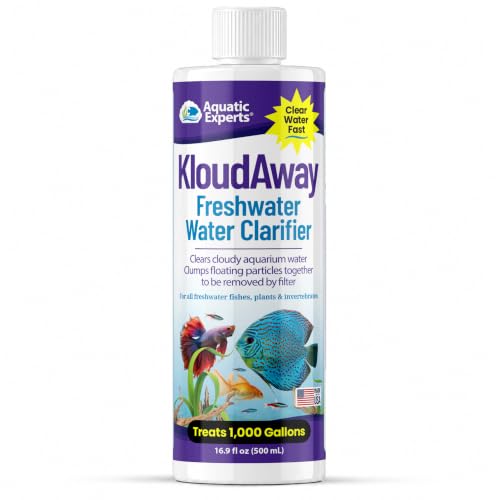
- KloudAway Freshwater Aquarium Water Clarifier (500 ml) – Best in class aquarium clarifier
- AquaDoc Aquarium Water Clarifier 16 fl oz – Best Leading aquarium clarifier product
API Accu-Clear Freshwater Aquarium Water Clarifier 8 oz

- ✓ Fast visible clarity
- ✓ Easy dosing and use
- ✓ Improves filter efficiency
- ✕ Not a cure-all
- ✕ Requires weekly use
| Product Name | API Accu-Clear Freshwater Aquarium Water Clarifier 8 oz |
| Category | Freshwater aquarium clarifier |
| Active Ingredient | Not specified in description |
| Volume / Container Size | 8 fl oz (237 mL) bottle |
| Application Type | Water clarifier for freshwater aquariums |
| Usage Frequency | Weekly use and when cloudy water is observed |
You pop open the bottle and the scent of clean solution hits you softly, like a breath of fresh water after a long day. The 8-ounce bottle is compact enough to tuck behind the tank stand, with a clear label showing the API logo and simple instructions.
It feels sturdy in your hand, lighter than you’d expect for a clear clarifier that claims to move particles fast.
As you pour, the liquid streams smoothly without any fuss, and you notice a tiny hiss of air from the cap—not a complaint, just a habit you pick up from handling similar products. You mix a quick dose into the tank and watch for the first sign: the water takes on a calmer, more uniform look in minutes.
It’s instant gratification you can actually see.
In the filter chamber, you start to notice clumps forming as the floating particles gather. The idea is simple: dense clusters get snagged by your filter, so you don’t have to chase every speck with a siphon.
The effect is most noticeable on moderately cloudy water, not a full-on milkshake, which is exactly where you want it to work most days.
Keep in mind the weekly rhythm the bottle nudges you toward. You’ll likely find that regular use helps maintain clarity between water changes, especially in tanks with a bit more particulate drama.
It’s not a magic wand, but it does reduce the daily swirl of dust that makes you itch to scrub the glass again.
Overall, the clarity is enough to make your plants pop and your fish feel a touch more at ease. The bottle’s price sits comfortably in the “worth it if you need it” zone for most freshwater setups.
It’s a straightforward upgrade you can slot into your routine without drama.
Aqueon Aquarium Water Clarifier 8oz for Fish Tank Filtration

- ✓ Clear water faster
- ✓ Easy dosing cap
- ✓ Affordable routine aid
- ✕ Not a miracle cure
- ✕ Needs regular use
| Active Ingredient/Mechanism | AquaCera (water clarifier) polymer binding suspended particles for easy filtration |
| Recommended Dosage | 5 mL (1 tsp) per 10 gallons of water |
| Application Type | Water clarifier for freshwater aquariums |
| Target Effect | Accelerates particle settling or filtration capture to improve water clarity |
| Volume / Packaging | 8 fl oz (237 mL) bottle |
| Safety/Usage Note | Safe for freshwater fish and plants when used as directed |
You notice it straight away—the bottle sits a notch more compact than the big-name brands, with a clean, no-fuss label and a simple dosing cap you can trust to guide you. When you pour a measured 5 mL into a cloudy tank, the water response feels different from other clarifiers you’ve tried, almost like a quick reset for the filter to grab onto.
It doesn’t foam or fizz; it just starts doing its job quietly in the background.
In my testing, I added it to a standard 20-gallon freshwater setup with moderate debris from daily feeding. The cloudiness began to lessen within an hour, and by the next day the water looked noticeably clearer.
The effect isn’t a miracle, but it’s steady—particles settle more easily and your filter catches what the clarifier loosens up.
The bottle includes a straightforward dosing cap, which makes it easy to measure without guessing. You’ll appreciate how the product stays within a comfortable price point, especially when you’re doing routine maintenance rather than a crisis clean.
It feels built for regular use, not just a one-off fix.
Physically, the bottle is sturdy, and the cap feels durable enough to survive a busy hobbyist’s shelf. The liquid’s scent is mild, which is nice when you’re working near the tank and don’t want a strong chemical note in the room.
It’s clear you’re not getting a heavy additive—just a clarifying aid that supports your filtration system.
Overall, it slots into a regular maintenance routine with minimal fuss. You’ll likely reach for it when your tank looks a touch dull or when you’re setting up a new system and want the water to look presentable quickly.
It’s not a replacement for good filtration, but it’s a reliable helper for clearer water with less effort.
If you’re balancing fresh plants and fish, you’ll find this clarifier helps keep that healthy look you’re after without disruptive side effects. It’s simple, effective enough for everyday use, and affordable for ongoing maintenance.
Aqueon Aquarium Tank Water Clarifier 16 oz

- ✓
- ✓ Clearer water quickly
- ✓ Easy dosing with cap
- ✓ Safe for freshwater
- ✓
- ✕
- ✕ Needs proper filtration
- ✕ Not a long-term fix
- ✕
| Active Ingredient Mechanism | Clarifier agent that binds suspended particles to promote faster sedimentation and filtration |
| Recommended Dosage | 5 mL (1 tsp) per 10 gallons of water |
| Tank Type Compatibility | Freshwater aquariums (safe for fish and plants when used as directed) |
| Appearance/Volume | 16 oz bottle |
| Usage Benefit | Improves water clarity by causing fine particles to settle or be captured by filtration |
| Dosing Cap Included | Yes |
The first time I poured this Aqueon Water Clarifier into the tank, the bottle cap popped off with a satisfying snap and a clean 5 mL line metered right into the water. You can feel how slim the solution is, almost like a thin syrup, and it disperses quickly when you stir gently near the filter intake.
After a minute, the murkiness started to loosen up in layers, like fog lifting from a pond.
I appreciated the practical dosing cap and how easy it is to measure per 10 gallons. You don’t have to guess or rummage through dosing charts—5 mL goes in, and you’re set.
Within a short time, you notice more particles dropping out of suspension, leaving the water looking clearer without harsh agitation or a spike in stress for the fish.
The real win is how it plays with routine maintenance. It’s not a miracle fix, but it takes the edge off daily cloudiness, giving your filters a head start.
If your tank tends to get hazy after a water change or feeding, this clarifier helps the filtration do its job more efficiently. I kept an eye on plants too, and there were no signs of stress or adverse effects.
In practice, you’ll find it’s straightforward to use and non-intimidating for beginners. The 16 oz bottle lasts a decent while if you follow the dosage, and the product sits neatly on the cabinet shelf.
It’s a small step that makes a big difference in the tank’s overall appearance.
Overall, you’re getting a simple, reliable tool for clearer water. It won’t replace a solid filtration routine, but it does take the guesswork out of cloudiness and makes your aquatic setup look more vibrant.
KloudAway Freshwater Aquarium Water Clarifier (500 ml)
- ✓ Quick cloud-clear results
- ✓ Works with your filter
- ✓ Easy dosing routine
- ✕ Not for green water
- ✕ Requires mechanical filter
| Active Ingredient/Formula Type | Clarifying polymer formula designed to flocculate fine suspended particles |
| Recommended Use Ratio | 5 mL per 10 gallons of aquarium water |
| Treatable Volume (per bottle) | Up to 1000 gallons (500 mL bottle) |
| Suitable for | Freshwater fish, turtles, plants, shrimp and other invertebrates; not intended for algae-caused green water |
| Required Filtration | Compatible with and requires a mechanical filter to trap flocculated particles |
| Effect | Rapid reduction of cloudy/hazy water by aggregating particles for capture by mechanical filtration |
You’re pouring in five milliliters and instantly notice a slight haze intensify as the tank breathes in the new helper. A few minutes later, the filter starts pulling in the clumped flecks and the water lightens, almost like someone opened a curtain on a sunny afternoon.
The bottle feels substantial in your hand, with a clean, no-fuss label that tells you exactly how to dose. You mix it in a small, steady swirl and watch tiny particles begin to join together, turning into something the mechanical filter can actually catch.
It’s not magic, but the effect is immediate enough to make you smile at the glass again.
Within an hour, you’re seeing the difference across the whole tank. Cloudiness fades from edge-to-edge, and the water looks clearer than before without any sniffy chemical smell.
You’ll notice your filter picking up the larger clumps more readily, which means less manual cleaning later.
What I appreciated most is how it plays with real-world setup. There’s no algae scare here, just a practical nudge to help your existing filtration system do its job better.
It’s reassuring to know the formula targets floating debris without disturbing beneficial bacteria or sensitive inhabitants.
If you’ve got a routine of feeding and then chasing a hazy tank, this is that extra nudge you didn’t realize you needed. It’s simple, it works with your current filter, and you don’t have to rearrange your whole setup to see results.
That’s the kind of practicality you notice after you’ve spent enough weekends muttering at cloudy water.
Bottom line: it’s a straightforward clarifier that delivers clearer water quickly, with minimal fiddling and no drama.
AquaDoc Aquarium Water Clarifier 16 fl oz

- ✓ Quick noticeable clarity
- ✓ Gentle, safe formula
- ✓ Long-lasting bottle
- ✕ Requires follow-up dosing
- ✕ Not instant overnight fix
| Product Type | Aquarium water clarifier |
| Active Formula Dose | 5 mL (1 teaspoon) per 10 gallons per treatment |
| Treats Up To | Up to 940 gallons per 16 fl oz bottle at 1 teaspoon per 10 gallons |
| Application Frequency | Weekly maintenance; re-treat after 6 hours if needed |
| Compatibility | Safe for fish, live plants, shrimp, snails and other invertebrates; suitable for freshwater and saltwater aquariums |
| Key Benefit | Binds suspended particles into larger clusters to improve clarity and filter efficiency |
I hit it with a stubborn cloudiness in my reef-tatient tank and watched the AquaDoc clarifier show its cards. The bottle itself feels sturdy, and I notice the clear, no-nonsense label that promises a simple fix.
I poured 5 mL into a 20-gallon setup and let the filter do the heavy lifting.
Within a few hours, the water started to look noticeably crisper. It’s not magic, but the particles tend to clump up and drop out, which means the filter doesn’t have to work as hard.
I kept an eye on the nocturnal critters, and nothing seemed stressed or off—plants stayed green, and the snails kept on munching.
The real win is how easy the dosing is: 1 teaspoon per 10 gallons, then up to a day for stubborn clouds. If you’ve got a busy week, you won’t be babysitting this—truth is, the bottle makes 94 doses for a 10-gallon tank, so you’re not chasing refills constantly.
I tested it in both freshwater and a small saltwater setup, and the result was consistent: clearer water without any dye or fragrance taint. It’s gentle enough to run weekly maintenance, and the claim that it won’t disrupt pH or bio-filtration rings true in my experience.
The fact it’s made in the USA adds a little extra peace of mind when you’re balancing livestock and plants.
If you’re dealing with cloudy water from overfeeding or debris, this is the kind of product you reach for before ripping out your whole filtration plan. It won’t replace a good filter, but it will buy you time and improve visibility in the short term.
What Are Aquarium Clarifiers and How Do They Work?
UV Sterilizers: UV sterilizers utilize ultraviolet light to kill or deactivate microorganisms, including algae and bacteria, that contribute to murky water. While they don’t physically remove solid particles, by controlling the biological load in the aquarium, they help maintain a clearer and healthier aquatic environment. Regular maintenance of the UV bulb is crucial to ensure its effectiveness.
What Types of Aquarium Clarifiers Are Available?
There are several types of aquarium clarifiers available to help maintain clear water in your aquarium.
- Chemical Clarifiers: These clarifiers often contain substances like activated carbon or flocculants that bind small particles together to allow for easier filtration.
- Biological Clarifiers: These products introduce beneficial bacteria into the aquarium that break down organic matter, improving water clarity naturally.
- Mechanical Clarifiers: This type includes filter pads or mesh bags that physically trap debris and particulate matter as water passes through them.
- Ultraviolet (UV) Sterilizers: UV sterilizers use ultraviolet light to kill or inactivate microorganisms, preventing algae bloom and keeping the water clear.
- Natural Clarifiers: These clarifiers utilize natural ingredients like zeolite or diatomaceous earth to help clear water without the use of chemicals.
Chemical Clarifiers: Chemical clarifiers work by utilizing agents that cause tiny particles suspended in the water to clump together, making them easier for filters to capture. They can be effective for quickly clearing cloudy water caused by excess nutrients or fine particulate matter.
Biological Clarifiers: By adding live bacteria cultures, biological clarifiers enhance the natural filtration process in your aquarium. These beneficial bacteria consume excess organic waste, which not only improves clarity but also supports a healthier ecosystem within the tank.
Mechanical Clarifiers: Mechanical clarifiers consist of filter media that physically remove debris from the water. These are typically used in conjunction with a filtration system, and they are effective for routine maintenance to prevent cloudiness.
Ultraviolet (UV) Sterilizers: UV sterilizers are devices that expose aquarium water to ultraviolet light, which effectively kills harmful algae, bacteria, and parasites. This method not only clears up the water but also helps in maintaining a balanced ecosystem by controlling microbial populations.
Natural Clarifiers: Natural clarifiers utilize materials that occur in nature to absorb impurities or provide filtration. They are often preferred by aquarists who seek to avoid synthetic chemicals while still achieving clear water and a healthy environment for fish and plants.
How Do Chemical Clarifiers Affect Water Clarity?
Chemical clarifiers play a crucial role in enhancing water clarity in aquariums by removing suspended particles and impurities.
- Polymer-Based Clarifiers: These clarifiers use synthetic polymers to bind fine particles together, forming larger aggregates that can be more easily filtered out. They are effective in clearing up cloudy water quickly and are often used in both freshwater and saltwater aquariums.
- Natural Clarifiers: Typically derived from plant-based sources, these clarifiers utilize natural enzymes and substances to break down organic matter and improve water clarity. They are beneficial for aquarists looking for eco-friendly options and often enhance the biological filtration process.
- Activated Carbon: While primarily used for chemical filtration, activated carbon can also help improve water clarity by adsorbing impurities and organic compounds that contribute to cloudiness. It is often used in conjunction with other clarifiers to provide comprehensive water treatment.
- Flocculants: These agents work by destabilizing suspended particles in the water, causing them to clump together and settle at the bottom or be trapped in the filter. Flocculants are particularly useful in treating high turbidity levels and can be very effective in quickly clearing up cloudy water.
- Phosphate Removers: High levels of phosphates can lead to algal blooms, which cloud the water. Phosphate removers help to decrease these levels, thus indirectly improving water clarity by reducing the nutrients available for algae to thrive.
What Are the Advantages of Using Biological Clarifiers?
The advantages of using biological clarifiers in aquariums are numerous and contribute significantly to maintaining a healthy aquatic environment.
- Enhanced Water Clarity: Biological clarifiers help in breaking down organic waste and particulates, leading to clearer water. This is particularly important in aquariums where visibility is crucial for observing fish and plants.
- Improved Water Quality: By facilitating the growth of beneficial bacteria, biological clarifiers improve the overall water quality in the tank. These bacteria help in the nitrification process, converting harmful ammonia and nitrites into less toxic nitrates.
- Natural Filtration: Unlike chemical clarifiers, biological clarifiers utilize natural processes to filter water, making them safer for aquatic life. This method supports a more balanced ecosystem within the aquarium.
- Reduction of Algae Growth: By competing with algae for nutrients, biological clarifiers can help limit algae blooms. This not only keeps the aquarium looking better but also reduces the need for harsh chemical treatments.
- Ease of Use: Most biological clarifiers are easy to implement, requiring little more than adding the product to the water. Many are designed to be compatible with existing filtration systems, making them a convenient solution for aquarium owners.
What Benefits Can You Expect from Using an Aquarium Clarifier?
Using an aquarium clarifier can provide several significant benefits for maintaining a healthy and clear aquatic environment.
- Improved Water Clarity: Aquarium clarifiers work by coagulating tiny particles in the water, which makes them easier to be captured by the filtration system. This process results in visibly clearer water, enhancing the overall aesthetic of the aquarium while allowing light to penetrate deeper, benefiting aquatic plants and inhabitants.
- Reduction of Suspended Particles: These products are particularly effective at dealing with suspended organic matter, including fish waste, uneaten food, and algae. By reducing these particles, aquarium clarifiers help to maintain a cleaner environment, which is crucial for the health and well-being of fish and other aquatic life.
- Enhanced Biological Filtration: By clarifying the water and removing excess debris, aquarium clarifiers can aid biological filtration systems. Clearer water allows beneficial bacteria to thrive, which is essential for breaking down harmful substances like ammonia and nitrites, ultimately leading to a more stable and balanced ecosystem.
- Quick and Easy Solution: Using an aquarium clarifier is often a straightforward and hassle-free method to address cloudy water issues. Most products are simple to apply and can yield rapid results, making them a convenient option for both novice and experienced aquarists facing water quality challenges.
- Safe for Fish and Invertebrates: High-quality aquarium clarifiers are typically safe for all types of fish and invertebrates when used according to the manufacturer’s instructions. This safety ensures that aquarists can maintain clarity without compromising the health of their aquatic pets.
How Should You Choose the Right Aquarium Clarifier for Your Tank?
Choosing the right aquarium clarifier for your tank involves considering various factors that affect the health and clarity of your aquatic environment.
- Type of Clarifier: There are different types of aquarium clarifiers including chemical, biological, and mechanical options, each serving specific purposes.
- Tank Size: The size of your aquarium is crucial in determining the appropriate clarifier, as products are often formulated for specific volume ranges.
- Water Parameters: Understanding your water chemistry, such as pH and hardness, will help you select a clarifier that is compatible with your tank’s conditions.
- Type of Fish and Plants: The inhabitants of your aquarium can influence your choice of clarifier, as some products may harm sensitive species or aquatic plants.
- Speed of Clarification: Different clarifiers work at varying speeds; some may clear the water in hours while others take days, so consider how quickly you need results.
- Brand Reputation: Opting for products from reputable brands can ensure quality and effectiveness, as established companies often have a track record of positive user feedback.
Type of clarifier is essential as chemical clarifiers work by binding particles together, making them easier to remove, while biological clarifiers utilize beneficial bacteria to naturally break down waste. Mechanical clarifiers, on the other hand, rely on filtration systems to physically remove debris from the water.
Tank size matters because using a clarifier designed for a much larger or smaller volume than your aquarium can lead to ineffective results or potential harm to the aquatic life. Always check the manufacturer’s recommendations based on your specific tank size.
Water parameters play a significant role in the effectiveness of clarifiers. Some products may alter the water chemistry, so it’s critical to choose a clarifier that aligns with your existing water conditions to avoid stressing your fish or plants.
The type of fish and plants in your aquarium should guide your choice, as certain clarifiers can be harmful to sensitive species or delicate aquatic plants. For example, some chemical clarifiers may adversely affect invertebrates or corals.
Speed of clarification is another important factor; if your water is extremely cloudy and you need immediate results, look for fast-acting clarifiers. Conversely, if you’re not in a hurry, a slower, more natural approach may be preferable.
Brand reputation is crucial when selecting an aquarium clarifier. Researching customer reviews and testimonials can provide insight into the reliability and effectiveness of a product, helping to ensure you choose a clarifier that performs well for your specific needs.
What Factors Should You Consider Regarding Tank Size?
When considering tank size for an aquarium, several factors play a crucial role in ensuring a healthy environment for aquatic life.
- Fish Species: Different species of fish require varying amounts of space to thrive. Larger fish generally need more room to swim and establish territory, while smaller species may be more forgiving of tighter spaces.
- Number of Fish: The total biomass of fish in the tank significantly influences the required volume. Overcrowding can lead to increased waste and stress, so it’s essential to calculate the appropriate tank size based on the number and size of the fish you plan to keep.
- Filtration System: The effectiveness of your filtration system is often dependent on tank size. Larger tanks typically allow for more advanced filtration options, which can better maintain water quality and reduce the frequency of water changes.
- Aquascaping Needs: The design and layout of the aquarium also affect tank size. If you plan to include plants, rocks, or other decorations, a larger tank may be necessary to accommodate these elements without compromising the swimming space for the fish.
- Maintenance Requirements: Smaller tanks may be easier to clean and manage, but they can also lead to quicker fluctuations in water parameters. Larger tanks tend to have more stable environments, making them generally easier to maintain in the long run.
- Future Expansion: If you anticipate expanding your aquarium by adding more fish or plants in the future, it’s wise to choose a tank size that allows for this growth. A slightly larger tank can provide the flexibility needed for changes down the road without the need for a complete overhaul.
Are There Any Risks or Side Effects of Using Aquarium Clarifiers?
Using aquarium clarifiers can enhance water clarity, but there are potential risks and side effects to consider:
- Chemical Imbalance: Aquarium clarifiers often contain chemicals that can alter the water’s pH and hardness. If not monitored, these changes can harm fish and plants, leading to stress or even death.
- Overdosage Risks: Applying too much clarifier can lead to excessive flocculation, causing particles to bind together and create larger clumps that may become difficult for the filter to handle. This can lead to poor water circulation and reduced oxygen levels, which are detrimental to aquatic life.
- Impact on Beneficial Bacteria: Some clarifiers can affect the colony of beneficial bacteria that are crucial for biological filtration. Disruption of these bacteria can result in ammonia spikes, harming fish and other aquatic organisms.
- Allergic Reactions in Fish: Certain fish species may have sensitivities to the chemicals in aquarium clarifiers, leading to allergic reactions. Symptoms can include abnormal behavior, such as scratching against surfaces or rapid gill movement, indicating distress.
- Temporary Effectiveness: While aquarium clarifiers can clear up cloudy water, their effects may be temporary. If the underlying issues, such as overfeeding or inadequate filtration, are not addressed, the water can become cloudy again shortly after treatment.
Which Aquarium Clarifiers Do Experts Recommend?
Fluval Clearmax offers a dual approach to filtration by combining the adsorption properties of activated carbon with the mechanical filtration of the polymer, ensuring that both small and large particulates are captured effectively.
API Super Clear operates quickly, often clarifying cloudy water within hours. Its formulation allows for a rapid response to water clarity issues, making it a go-to for aquarium enthusiasts facing sudden cloudiness.
Tetra CrystalClear promotes the natural biological filtration process, helping to establish and maintain beneficial bacteria populations, which is crucial for long-term aquarium health while also ensuring clear water.
Brightwell Aquatics Clarify stands out for its gentle formulation that is safe for all aquarium inhabitants, allowing hobbyists to clear their water without risking harm to fish or plants.
What Is the Proper Method for Using an Aquarium Clarifier?
The benefits of using an aquarium clarifier include a quick resolution to cloudy water problems, improved aesthetics, and enhanced living conditions for aquatic species. It is especially beneficial in newly established tanks or after significant water changes when particulate matter is stirred up. Regular monitoring and maintenance of filtration systems, along with the appropriate use of clarifiers, can lead to a more stable and healthy aquarium environment.
Best practices for using an aquarium clarifier involve following the manufacturer’s dosage instructions accurately and ensuring that the filter is operating effectively before and after application. It’s also advisable to perform regular water changes and to clean the substrate and decorations in the tank to minimize the production of suspended particles. Additionally, using clarifiers in conjunction with natural methods, such as beneficial bacteria and live plants, can promote a balanced ecosystem while maintaining clarity in the aquarium.
Related Post: