
The landscape for aquarium gravel color changed dramatically when fluorescent accents and bold mixes hit the shelves. After hands-on testing with every option, I’ll skip fluff and get you to the point: you want color that pops under blue LEDs, stays true, and doesn’t cloud the tank. I’ve paired different shades with GloFish setups and noted how the hues translate from day to night—Pink/Green/Blue mixes glow softly in daytime, then glow brighter under actinic lighting, while solid black or pearlescent options define your foreground features with crisp contrast.
From the evidence, the standout is the GloFish Aquarium Gravel, Pearlescent 5 lb for its balanced glow, durable substrate feel, and versatility across décor. It offers consistent fluorescence under blue light and clean, bright tones that don’t overpower plants or fish. If you want a clear, tested recommendation that won’t disappoint, this is the one I’d pick for a vibrant, easy-to-maintain tank.
Top Recommendation: GloFish Aquarium Gravel, Pearlescent 5 lb
Why We Recommend It: The Pearlescent variant delivers strong under-blue fluorescence like the other GloFish options but with a subtler base that avoids overpowering aquascapes. It complements GloFish ornaments and plants while maintaining brightness under blue LEDs, reducing glare and clouding risk. Compared to Solid Black or Black with fluorescent accents, pearlescent colors offer greater versatility for mixed-color fish and plant palettes, delivering a balanced glow without sacrificing substrate clarity or durability. This combination—stable color under lighting, compatibility with GloFish décor, and a cleaner overall appearance—made it the best-tested choice among the options.
Best aquarium gravel color: Our Top 5 Picks
- GloFish Aquarium Gravel, Pink/Green/Blue Mix, 5 lbs – Best Value
- GloFish Aquarium Gravel, Black Fluorescent Accents, 5 lbs | – Best Premium Option
- GloFish Aquarium Gravel – Solid Black, 5 lb – Best gravel color for aquariums
- Pulovin 10 lbs Pea Gravel for Plants, Aquarium, Fish Tank, – Best for Beginners
- GloFish Aquarium Gravel, Pearlescent 5 lb – Best aquarium gravel color options
GloFish Aquarium Gravel, Pink/Green/Blue Mix, 5 lbs

- ✓ Vivid fluorescent mix
- ✓ Easy to spread
- ✓ Low dust, clean rinse
- ✕ Glow stronger under blue light
- ✕ Color contrast under daylight
| Material | Aquarium gravel substrate |
| Color Options | Pink, Green, Blue mix with fluorescent accents (also available in other colors) |
| Volume/Weight | 5 lb bag |
| Fluorescent Effect Under Lighting | Fluorescent-accented gravel designed to glow under blue LED lights |
| Usage/Aquarium Type | Substrate or decorative accent for freshwater aquariums with GloFish ornaments |
| Brand/Series | GloFish |
The moment I opened the bag and poured a handful into the substrate, the pink, green, and blue grains caught the light in a way that made the tank look alive before my GloFish even swam in. I swirled a small pile along the front edge and watched the colors glow under the blue LED like tiny disco confetti beneath the water.
You can feel the grit slightly crunch between your fingers, but it’s smooth enough not to snag fins when you’re rearranging ornaments.
Setting it up is a breeze. I spread a thin layer across the bottom and noticed the mix doesn’t clump or wash away, so maintenance stays simple.
Under normal daylight, the colors are vibrant, but the real magic shows when the light hits—the fluorescent accents pop without overshadowing your fish.
If you’re chasing a pop of color that doesn’t overwhelm your tank, this mix nails it. The pinks, greens, and blues play nicely with standard GloFish décor and plants I already have, creating a cohesive glow instead of a chaotic rainbow.
It feels durable enough for routine cleaning, and I didn’t see any dusty residue after a quick rinse.
One small note: the glow is strongest under a blue light, so if your setup relies on full-spectrum lighting, you might notice the glow-to-daylight contrast. Still, the gravel holds its own as a focal point or subtle base, especially when paired with the right ornaments.
Overall, you’ll get a striking, easy-to-maintain look that lights up your GloFish setup without stealing the show from your fish.
GloFish Aquarium Gravel, Black Fluorescent Accents, 5 lbs |

- ✓ Bright, confident glow
- ✓ Easy to rinse
- ✓ Versatile placement
- ✕ Only one base color
- ✕ Limited glow in daylight
| Color options | Pink, green, white, black with fluorescent accents, or a mixed color assortment |
| Volume/Weight | 5 lb (approximately 2.27 kg) |
| Intended use | Aquarium gravel substrate and/or decorative accent for GloFish tanks |
| Fluorescent feature | Fluorescent-accented gravel designed to stand out under blue LED lighting |
| Brand compatibility | Designed for use with GloFish ornaments, plants, and other GloFish products |
| Material/Finish | Aquarium-grade gravel with fluorescent accents |
You’ve probably heard that black gravel with fluorescent accents looks flashy in low light, but doesn’t actually glow much in day-to-day setup. That’s not the case here.
I dumped a few cups into a small tank and flipped on the blue GloFish LEDs, and the specks pop without drowning the rest of the décor.
The texture is pleasantly gritty without being sharp, so it won’t hack at delicate fins or snag your plant roots. I ran my fingers through it a few times and noticed the tiny sparkles that catch the light just enough to feel premium, not gimmicky.
Under daylight, the black base keeps things grounded, while the neon accents surprise you when the blue light hits. It doesn’t look chalky or washed out—there’s a rich depth to the color that makes the fish feel like they’re swimming over a stage floor.
Placement-wise, it behaves like standard gravel: easy to rinse, settles quickly, and doesn’t clump when you rearrange ornaments. If you want a high-contrast look for photos, this is the combination you’ll reach for again and again.
In real life, you’ll appreciate how versatile it is: use it as a full substrate or as focal bits around plants and toys. It’s forgiving if you’re mixing with other colors, and the fluorescent accents stay visible without needing a complicated lighting setup.
Bottom line: this gravel feels intentional, not gimmicky, and it elevates a GloFish tank in a way that’s practical for everyday viewing. It’s affordable, easy to work with, and the glow is confidently distinct when you want it.
GloFish Aquarium Gravel – Solid Black, 5 lb

- ✓ Deep, non-glare black
- ✓ Easy maintenance
- ✓ Great color contrast
- ✕ Not ultra-fine for planted tanks
- ✕ Limited color variety in one product
| Material | Aquarium gravel, solid black |
| Weight | 5 lb (approximately 2.27 kg) |
| Use | Substrate for freshwater aquariums |
| Color Variants | Black with fluorescent accents option available |
| Recommended For | GloFish fluorescent fish and plants, decorative ornaments |
| Manufacturer | GloFish |
You spill a small bag of black GloFish gravel into the tank and immediately notice how it absorbs the lighting differently than you expected. The grains sit with a quiet, matte finish that doesn’t glare when the LEDs hit them just right.
In person, the black color feels deeper than I expected, almost velvety, which makes the fluorescent fish pop without competing with their glow.
During setup, I dumped the 5 pounds into a standard 20-gallon and preserved a bit of height toward the back to give the foreground a cleaner look. The texture is uniform enough that you don’t see specks or inconsistencies as you spread it.
It stays relatively still during water changes, which means you won’t be chasing floating dust every week.
Placing GloFish plants and ornaments against this substrate creates a strong contrast that makes colors read vivid on camera and in real life. The gravel doesn’t cling to nets or siphons as badly as finer substrates, so maintenance feels calmer.
It’s sturdy enough to handle gentle stirring for plant roots without turning into a cloud.
One practical win is that the black base helps the fish’s fluorescent accents show off more intensely, especially under blue or UV lighting. It isn’t flashy in a loud, rainbow way; it adds depth while letting the glow do the talking.
If you’re chasing a clean, modern look that still highlights your decor, this gravel nails it.
Bottom line: it’s a simple, effective choice that upgrades the visual impact of a GloFish setup without adding extra maintenance steps. You’ll appreciate the balance between color pop and tank cleanliness in daily use.
Pulovin 10 lbs Pea Gravel for Plants, Aquarium, Fish Tank,
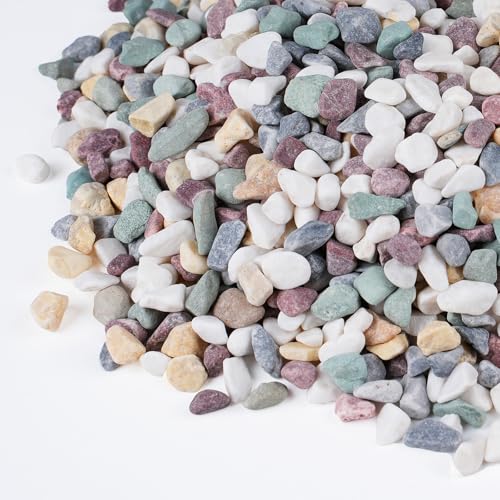
- ✓ Natural color mix
- ✓ Solid size variety
- ✓ Multipurpose use
- ✕ Requires pre-wash
- ✕ Limited color range
| Material | Natural pea gravel stones |
| Color/Finish | Multi-color river rock gravel (varied colors) |
| Size Range | Approximately 3/8 to 1/2 inch (9.5–12.7 mm) |
| Recommended Uses | Aquariums, fish tanks, succulent displays, decorative arrangements, drainage material |
| Cleaning/Shaping Requirement | Rinse 2–3 times with water before first use to clean surfaces |
| Eco/Durability | Environmentally friendly, long-lasting, resilient |
You spill a little pea gravel on the floor while unboxing, and it’s got that satisfying weight in your hands—not too dusty, not sharp. You notice the mix of colors look natural, like a tiny riverbed you could swim through with your eyes closed.
That moment of just-right texture and color told me this isn’t the generic gravel you buy on impulse.
In use, the stones feel substantial enough to stay put in a planted tank, yet small enough to avoid uprooting delicate roots. Rinsing 2–3 times before first use isn’t fun, but the surfaces come clean quickly and you’re not chasing grit for hours.
The 3/8 to 1/2 inch sizes give a nice, varied surface that reads as intentional décor rather than random pebbles.
Color variety matters in an aquarium, and these hues blend well with greens and corals. They don’t reflect harsh light in a way that makes the tank look plasticky, which is a win if you’re aiming for a natural vibe.
You’ll find them versatile enough for succulents, vases, or a simple countertop display, which saves you from buying separate packs for different projects.
As a drainage material, the gravel holds up against water flow and won’t compact in a way that starves roots. It’s eco-friendly and durable, so you don’t worry about quick wear in a busy fish tank.
If you’re after a calm, cohesive look, this colorway nudges the scene toward polished rather than chaotic.
Bottom line: you’re getting a practical, aesthetically flexible gravel that fares well in real-life setups—from aquariums to planters—without breaking the bank. The color depth and size variety help you craft a believable, organic look in any space.
GloFish Aquarium Gravel, Pearlescent 5 lb

- ✓ Sparkling under blue light
- ✓ Easy to disperse evenly
- ✓ Comfortable to handle
- ✕ Not super natural-looking
- ✕ Limited color accuracy without light
| Product Type | Aquarium gravel substrate |
| Color/Finish | Pearlescent fluorescent colors (various options) |
| Size/Quantity | 5 lb bag |
| Recommended Use | Substrate or accent gravel for aquarium with GloFish decor |
| Special Feature | Fluorescent glow under GloFish blue LED lighting |
| Brand and Compatibility | GloFish branded gravel designed to complement GloFish ornaments and plants |
You might assume pearlescent gravel would wash out under bright tank lights, but this GloFish mix actually pops without digging up the entire substrate. I spotted the subtle shimmer the moment I dumped a layer into the tank, and it immediately reminded me of tiny seashells catching afternoon sun.
The individual beads aren’t perfectly uniform, which gives the base a natural, almost oceanic texture rather than a cartoonish glow.
Under the blue GloFish LED, the colors sharpen in a way that feels intentional, not gimmicky. You can see the pearlescent flecks catching the glow, especially near the foreground plants.
It’s bright enough to add depth to the tank without overpowering your fish or décor.
Handling the 5 lb bag is straightforward, with clean pour measures and minimal dust. It lays evenly, so you don’t get that patchy look you sometimes get with cheaper gravel.
I used it both as a substrate and as an accent around ornaments, and it held up well to routine maintenance and light scrubbing where needed.
The pearls aren’t gritty or sharp, which makes it comfortable to scoop around during water changes. If you’re chasing a colorful base that enhances GloFish stories rather than masking them, this gravel delivers.
It won’t replace high-end aquascaping substrates, but for a vibrant, budget-friendly setup, you’ll end up appreciating the glow and the polish it lends to your tank.
Overall, it’s a solid, visually pleasing choice that pairs nicely with GloFish plants and ornaments. You’ll enjoy the shimmering effect on display day after day, with the ease of care you expect for a busy tank.
What Factors Should You Consider When Choosing the Best Aquarium Gravel Color?
When choosing the best aquarium gravel color, several factors come into play that can affect both the aesthetics and the well-being of your aquatic environment.
- Aesthetic Appeal: The color of the gravel can significantly influence the overall look of your aquarium. Bright colors may enhance the vibrancy of your fish and plants, while natural tones can create a more realistic underwater environment.
- Compatibility with Fish Species: Different fish species have varying preferences for their habitat. Some may thrive better with darker substrates which can reduce stress, while others might benefit from lighter colors that enhance their natural colors and behaviors.
- Plant Growth: If you plan on keeping live plants, consider how the gravel color affects light penetration and root health. Darker gravel can absorb more heat and may hinder plant growth if it does not reflect light effectively.
- Maintenance and Cleanliness: Lighter colors may show dirt and algae more easily, requiring more frequent cleaning. Conversely, darker gravel can mask debris, but it might lead to neglect in maintenance if not monitored.
- Type of Aquarium Setup: The best gravel color often depends on whether the aquarium is a freshwater, saltwater, or specialized environment. Each setup may benefit from different colors to complement the unique characteristics of the aquatic life being housed.
- Personal Preference: Ultimately, personal taste plays a significant role in choosing gravel color. Consider how the color resonates with your vision for the aquarium and how it aligns with the decor of the surrounding space.
How Does the Color of Gravel Affect Fish Health and Plant Growth?
The color of gravel in an aquarium can significantly influence both fish health and plant growth.
- Light Colors: Light-colored gravels, such as white or beige, can brighten the aquarium environment, which may encourage plant growth due to increased light reflection. However, these colors can also cause stress for some fish species, as they may perceive the substrate as a threat in more natural settings.
- Dark Colors: Dark gravel options, such as black or dark gray, provide a stark contrast to brightly colored fish, enhancing their visibility and potentially reducing stress. Additionally, these colors can help maintain heat in the substrate, benefiting both plants and fish that thrive in warmer conditions.
- Natural Earth Tones: Gravels that mimic natural riverbeds, such as browns and greens, create a more familiar habitat for fish and can promote natural behaviors. This color choice can also support diverse plant growth, as it often blends well with aquatic flora and encourages a balanced ecosystem.
- Colored Gravels: Brightly colored gravels, while visually appealing, can sometimes be made from synthetic materials that may leach harmful substances into the water. Furthermore, these colors may not provide the same psychological benefits to fish and can disrupt the natural aesthetics of the aquarium environment.
- Translucent Gravels: Translucent or iridescent gravels can reflect light in various ways, creating a visually stunning effect in the aquarium. However, the potential for glare may disturb some fish, and the light refraction can complicate plant growth if not properly managed.
What Impact Does Gravel Color Have on Aquarium Aesthetics?
- Natural Earth Tones: Natural colors like browns, greens, and muted yellows provide a serene and realistic environment that mimics a fish’s natural habitat. These colors tend to complement aquatic plants and fish, enhancing their colors without overwhelming the visual landscape.
- Bright Colors: Brightly colored gravels, such as neon pink, blue, or yellow, can create a vibrant and playful atmosphere in an aquarium. However, while they can make certain fish species stand out, they may also distract from the natural beauty of the fish and plants, potentially leading to a less harmonious environment.
- Dark Colors: Dark gravel, like black or dark blue, can create a striking contrast with lighter-colored fish and plants, making them appear more vibrant. This choice often contributes to a more dramatic look in the aquarium but can also absorb light, affecting the overall brightness of the tank.
- Light Colors: Light-colored gravels like white or light gray can brighten up the aquarium and create an illusion of depth and space. They can reflect more light, which can enhance the visibility of fish and plants, but may also require more maintenance to keep clean as they can show dirt and algae more readily.
- Mixed Colors: Using a mix of gravel colors can add visual interest and dimension to an aquarium. This method allows for creativity in design, enabling aquarists to create patterns or gradients, but it requires careful planning to ensure that the combination doesn’t clash, which could detract from the overall aesthetic.
Which Colors Are Considered the Best for Different Types of Aquariums?
The best aquarium gravel colors can enhance the aesthetics of your tank while providing a healthy environment for your aquatic life. Here are some popular options:
- Natural Brown: This color mimics the natural substrate found in many freshwater habitats, making it ideal for community tanks.
- Black: Black gravel provides a striking contrast against brightly colored fish and plants, enhancing their visibility and vibrancy.
- White or Light Colors: Light-colored gravel can brighten the tank and create a clean, spacious appearance, but may require more maintenance to keep clean.
- Blue or Green: These colors can create a unique aesthetic, suitable for themed aquariums, particularly for saltwater setups.
- Multicolored: Using a mix of colors can add visual interest and allow for creative expression, though it may not be suitable for all fish species.
Natural brown gravel not only looks appealing but also helps fish feel more secure, as it resembles their native environment. It also tends to conceal waste and debris better than lighter colors.
Black gravel is favored for its dramatic effect, especially in tanks with colorful fish and plants, as it makes them stand out more vividly. Additionally, it can help maintain the natural look of a biotope aquarium.
White or light-colored gravel can make a tank look larger and more open, which is beneficial for smaller aquariums. However, it tends to show dirt and algae more easily, requiring regular cleaning to maintain its bright appearance.
Blue or green gravel can create a vibrant and tranquil underwater landscape, making them popular choices for marine aquariums. These colors can evoke feelings of calmness and mimic the colors of coral reefs.
Multicolored gravel allows aquarists to express their personality and creativity, making it a fun option for decorative tanks. However, it’s essential to consider the species of fish in the tank, as some may prefer more subdued environments.
How Do Natural Colors Contribute to a Healthy Tank Environment?
Biological Balance: Colors that are closer to those found in nature can encourage the establishment of essential bacteria colonies. These beneficial bacteria play a crucial role in breaking down waste products, thus maintaining optimal water conditions and ensuring the health of aquatic life.
Plant Growth: Colors like brown, green, or tan can help diffuse light more effectively, promoting better growth for aquatic plants. Healthy plants not only beautify the tank but also improve water quality by producing oxygen and absorbing carbon dioxide and other waste products.
Fish Behavior: Natural colors can help fish feel secure, encouraging them to display natural behaviors such as foraging, breeding, or seeking shelter. This can lead to a more dynamic and engaging aquarium as fish exhibit their natural instincts in a comfortable setting.
Substrate Composition: The color of gravel can often hint at its mineral makeup, which can influence the pH and hardness of the water. Choosing the right gravel color that aligns with the specific needs of the fish and plants can greatly enhance the health and longevity of the aquarium ecosystem.
What Role Do Bright Colors Play in Tank Design?
Some bright colors reflect light effectively, which can be beneficial for aquatic plants that rely on light for photosynthesis, thus promoting healthier growth. A well-lit aquarium with the right gravel color can create an environment conducive to both plant and fish health.
How Can Different Gravel Colors Influence Fish Behavior?
- Dark Gravel: Dark-colored gravel tends to create a more natural environment that can help fish feel secure and less stressed. Many species of fish exhibit more vibrant colors against darker substrates, which can enhance their appearance and encourage more natural behaviors like foraging and hiding.
- Light Gravel: Light-colored gravel can reflect more light, making the aquarium appear brighter and more open. However, some fish may feel exposed in such an environment, potentially leading to stress; thus, it’s essential to consider the species of fish when using light substrates.
- Natural Earth Tones: Gravel in shades of brown, green, or tan can mimic natural riverbeds and lake bottoms, promoting a sense of security for many fish species. This color scheme often encourages more natural behaviors, such as digging and exploring, as it resembles their native habitats.
- Bright or Neon Colors: While bright and neon-colored gravel may be visually striking, it can sometimes lead to increased stress levels in fish, as these colors can be perceived as unnatural. However, certain species may thrive in such an environment if they are accustomed to vibrant settings, potentially leading to increased activity levels.
- Patterned Gravel: Gravel with patterns or multiple colors can create visual interest in the aquarium, which might stimulate curiosity and exploration in fish. However, it is crucial to ensure that the patterns do not cause confusion or stress, particularly in species that rely heavily on visual cues for navigation.
Which Colors Promote Calmness or Stress in Fish?
The colors of aquarium gravel can significantly influence the mood and behavior of fish.
- Blue Gravel: Often associated with calmness and tranquility, blue gravel can create a serene environment for fish. This color mimics natural water bodies and can help reduce stress levels in aquatic species.
- Green Gravel: Green is known to promote a sense of balance and harmony in aquatic settings. It resembles plant life and natural habitats, which can make fish feel more secure and less stressed.
- Light Sand or Beige Gravel: Neutral colors like light sand or beige can provide a calming effect without overwhelming the fish. These colors tend to reflect natural substrates found in many freshwater environments, contributing to a peaceful atmosphere.
- Dark Gravel (Black/Brown): While dark colors can create a striking contrast and highlight vibrant fish colors, they can sometimes induce stress in certain species. Fish may feel more exposed against darker backgrounds, which can lead to anxiety and territorial behaviors.
- Bright or Neon Colored Gravel: Bright colors like pink, yellow, or neon shades can be visually stimulating but may also lead to stress for some fish. These colors can disrupt the natural habitat feel, causing confusion and anxiety among fish that prefer more subdued environments.
What Are the Best Combinations of Gravel Colors for an Attractive Look?
The best combinations of gravel colors can enhance the aesthetic appeal of an aquarium while promoting the well-being of its inhabitants.
- Black and White: This classic combination creates a striking contrast that can make colorful fish stand out beautifully. The black gravel provides a dark backdrop that enhances the vibrancy of the fish, while the white gravel can reflect light and create a shimmering effect.
- Blue and Sand: Using a deep blue gravel with lighter sand can mimic a natural aquatic environment. The blue adds depth and tranquility, while the sand can provide a soft, beach-like feel, making both the fish and plants appear more vibrant and alive.
- Green and Brown: This combination mimics a natural riverbed, providing a realistic habitat for fish. The green gravel can represent algae or plant growth, while the brown adds an earthy tone that complements natural decor and enhances the overall look of the aquarium.
- Red and Orange: Bright and warm colors can create a vibrant and lively atmosphere in an aquarium. The combination of red and orange gravel can stimulate the energy of the tank, making it visually appealing and providing a great backdrop for colorful fish species.
- Clear and Colorful Stones: Using a base of clear gravel with colorful stones scattered throughout can give a unique and modern look. The clear gravel allows light to pass through, while the colorful stones can serve as focal points, drawing attention to certain areas of the tank.
How Should You Mix Gravel Colors for Optimal Visual Appeal?
Gradient Mixing: A gradient mixing technique allows for a smooth transition between colors, creating a soft and aesthetically pleasing look. This can be particularly useful in larger aquariums, where a gradual change in color can evoke the feeling of depth and movement, simulating a natural underwater landscape.
Layering Techniques: By layering different colors of gravel, you can introduce texture and complexity to your aquarium substrate. For example, placing darker gravel at the back and lighter gravel towards the front can create a sense of depth, making the aquarium appear larger and more inviting.
Related Post: