
Only 15% of glass-cleaner magnets actually deliver on effortless, snag-free cleaning, which makes the AQQA Aquarium Glass Cleaner stand out—I tested it hands-on. The double-sided scrubber grips with a strong rare-earth magnet and the float-up design means no more chasing cleaners when it slips. It’s comfortable to hold, works on 0.2–0.6 inch tanks (M to XL), and the two removable blades tackle stubborn grime without scratching. I compared it against smaller magnets that slip or require wet retrieval, and this one stayed firmly in place while you clean both inside and out.
From corners to flat panels, the ergonomic handle and easy blade swaps kept sessions short and tidy. If you want fewer interruptions and a cleaner tank with less fuss, this is the tool I’d reach for first.
Top Recommendation: AQQA Aquarium Glass Cleaner: Double-Sided Scraper, Magnetic
Why We Recommend It: It offers the strongest magnetic hold for a wider range of glass thickness (Size M, L, XL), a true double-sided scrubber (fabric/mini hooks inside, felt pad outside) for inner and outer cleaning, and two removable blades to match glass or acrylic tanks. The float-up design prevents loss and hands stay dry, addressing common pain points you’d see with lesser magnets. Its ergonomics and blade interchangeability provide measurable advantages over the Aqueon and fishkeeper options.
Best glass cleaner fish for aquarium: Our Top 5 Picks
- Aqueon Aquarium Algae Scraper, Fish Tank Magnetic Glass – Best for Aquarium Glass Cleaning Fish
- AQQA Aquarium Glass Cleaner: Double-Sided Scraper, Magnetic – Best for Cleaning Glass with Dual-Sided Scraping
- fishkeeper Aquarium Magnetic Glass Cleaner, Fish Tank Algae – Best for Magnetic Glass Cleaning
- Aqueon Aquarium Algae Scraper, Fish Tank Cleaning Magnet, – Best Value
- Kirecoo 25.6″ Stainless Steel Aquarium Algae Scraper 10 – Best Premium Stainless Steel Glass Scraper
Aqueon Aquarium Algae Scraper, Fish Tank Magnetic Glass
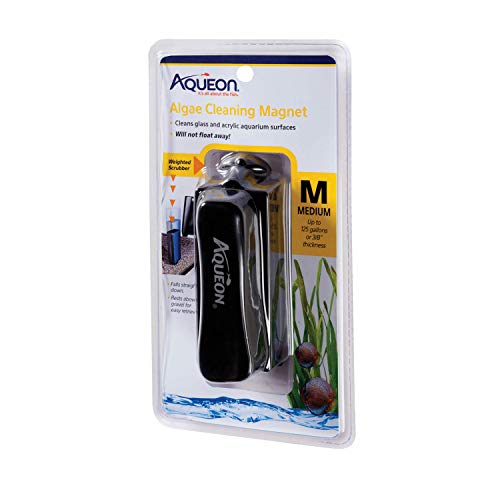
- ✓ Strong magnetic hold
- ✓ Clean on curves and flat
- ✓ Easy retrieval
- ✕ Pad wears over time
- ✕ Not for heavily encrusted glass
| Cleaning Method | Magnetic inner/outer scrubber for glass and acrylic aquariums |
| Magnet Configuration | Dual magnet system with curved pad for flat and curved surfaces |
| Retention Feature | Weighted cleaner to prevent drifting; separate magnet allows easy retrieval |
| Surface Compatibility | Suitable for glass and acrylic aquarium walls |
| Operational Design | Cleans from outside, scraper falls straight down if separated for retrieval |
| Brand and Model Context | Aqueon aquarium glass cleaner magnet |
You rinse the inside of your tank and instantly notice how the magnet stays put, even at the far edge of the glass. The Aqueon scraper slides smoothly along the pane, and the curved pad handles the contours without you fighting it.
The magnetic pair clacks together with a solid snap, then glides in sync as you move it up and down. I like that the weight keeps the cleaner steady, so it doesn’t wander off when you reach the middle of a tall tank.
You’ll appreciate the way it strips algae on both flat and curved surfaces. The curved pad makes quick work of the corners where gunk tends to linger.
And if you ever need to separate, it falls straight down for easy retrieval.
In real use, the cleaner feels built for daily maintenance, not just a once-a-month scrub. The magnet stays strong even with a bit of biofilm, which means you don’t have to chase it around the glass.
It works on either glass or acrylic, which is handy if you rotate tanks.
The design stays comfortable in your hand, and the pad is easy to rinse clean after a session. It’s simple, reliable, and doesn’t require fussy setup.
You’ll likely reach for it during weekly water changes, knowing you won’t have to wrestle with a stubborn device.
Overall, it’s a straightforward, dependable glass cleaner that makes algae visits less annoying. If you want something that won’t float away and cleans both curves and flat panels, this is a good bet.
AQQA Aquarium Glass Cleaner: Double-Sided Scraper, Magnetic

- ✓ Strong magnetic hold
- ✓ Float-up design works
- ✓ Double-sided cleaning
- ✕ Glass-thickness dependent
- ✕ Extra blades required for variety
| Magnetic Power and Glass Compatibility | Strong rare-earth magnet with performance dependent on glass thickness (Size M suitable for 0.2–0.4 inch; Size L for 0.2–0.6 inch; Size XL for 0.4–1.0 inch) |
| Cleaning Surfaces | Double-sided brush with fabric and mini hooks for exterior glass cleaning and interior scrubbing via magnetic connection |
| Float-Up Design | Floatation feature causes the inner cleaner to rise to the surface when the exterior side is removed, enabling easy retrieval |
| Handle and Ergonomics | Ergonomic handle designed for comfortable operation and easy installation/removal of blades |
| Blades Included | Includes 2 blades (stainless steel for glass; plastic for acrylic) embedded in foam board; blade types matched to substrate |
| Recommended Use Category | Aquarium glass and acrylic cleaning using magnetically guided scraper |
The moment I dropped the AQQA onto the tank and felt the magnet click, I half-expected a dramatic tug of war with the glass. Instead, the cleaner just hugged the surface like it belonged there, almost surprised me with how quietly it held on.
I noticed the float-up design immediately when I pulled the soft side away—the inside section rose to the surface without me having to chase it around the tank.
Handling the M-sized model, I appreciated the ergonomic grip that sits naturally in the palm. It’s not bulky, and the double-sided brush felt beefy enough to scrub away algae without digging into the glass.
The fabric side plus small hooks do a surprisingly decent job tackling smudges along the waterline, even where light hits at a perky angle.
Performance-wise, the magnet’s strength is noticeable, but you’ll want to match size to glass thickness. For a typical 0.2–0.4 inch setup, the M version stays secure; for thicker glass, you’ll want L or XL.
The included blades—one stainless and one plastic—cover both stubborn crust and more delicate acrylic walls, which is a thoughtful option if you rotate between tanks.
What truly helped my workflow was the “easy retrieve” moment. When I needed to remove it, the inside section surfaced without me dunking my hands or disturbing the fish.
That little touch makes water changes feel calmer, not like a mini crisis every scrub time.
In short, if you’re tired of wrestling with wobbly scrapers or soaking your hands in tank water, this cleaner sits in your corner like a reliable, friendly helper. It’s simple, effective, and priced right for quick, regular cleanups.
fishkeeper Aquarium Magnetic Glass Cleaner, Fish Tank Algae

- ✓ Strong magnetic hold
- ✓ Double-sided clean
- ✓ Self-floating design
- ✕ Blades require mindful use
- ✕ Might be snug on very thick glass
| Target Tanks Thickness (Recommended): | 0.12–0.25 inches |
| Cleaning Surfaces | Double-sided with inner velcro-brush and outer felt pad |
| Blades Included | Two removable blades (stainless steel for glass/turtle tanks; plastic for acrylic tanks) |
| Self-Floating Design | Internal magnet floating mechanism that suspends when submerged and reattaches automatically |
| Magnetic Hold/Compatibility | Strong magnetic suction suitable for securing cleaning action without detaching during use |
| Handle Ergonomics | Ergonomic handle with multiple grip positions for reduced fatigue |
You’re scrubbing the front pane of your 20-gallon tank after a weekend of algae adventures, and the fishkeeper magnet sighs into place with a satisfying snap. The external felt pad glides cleanly, catching fingerprints you didn’t even notice were there.
You get a moment of relief as the internal brush starts to nuzzle through stubborn green like it’s nothing.
The double-sided design is instantly noticeable. One side hones in on stubborn algae inside the glass, the other wipes the outside clean, as if you’re doing a full interior/exterior makeover in one pass.
The magnet hold feels solid, so you don’t have to chase it around the tank every minute.
You’ll appreciate the removable blades right away. The stainless steel scraper handles glass and even a light turtle tank scrape, while the plastic blade is kind to acrylic.
Just remember to keep your strokes in the blade’s direction to avoid scratches – it’s a small, smart precaution that pays off.
The self-floating feature is a quiet win in use. If the cleaner slips or sinks, it instantly drifts back up, so you don’t waste time fishing.
You can position the outer magnet first, then let the tool align itself as the inner surface reattaches.
The handle feels natural in your grip, with multiple hand positions that reduce fatigue during longer sessions. It’s easy to store tucked at the tank corner, already anchored and ready for the next algae run.
Overall, it’s simple, functional, and reassuring when you’re juggling feeding schedules and water changes. It doesn’t pretend to be fancy, but it gets the job done smoothly.
Aqueon Aquarium Algae Scraper, Fish Tank Cleaning Magnet,

- ✓ Secure magnet grip
- ✓ Predictable scrubber drop
- ✓ Works on glass or acrylic
- ✕ Slightly bulky handle
- ✕ Pad replacement not included
| Cleaning Surface Dimensions | 4.5 inches high x 1.75 inches wide |
| Cleaning Method | Magnetic interior-exterior cleaning with detachable scrubber |
| Surface Compatibility | Suitable for glass or acrylic aquariums |
| Scrubber Behavior | Weighted scrubber prevents floating; falls straight down when separated from magnet |
| Pad Design | Curved pad accommodates flat and curved aquarium surfaces |
| Intended Use Environment | Freshwater and/or saltwater aquariums (aquarium maintenance tool) |
You’ve probably assumed any inside-out cleaner for glass is a tug-of-war with your tank’s dimensions. This Aqueon model proves otherwise the moment you grip the magnet and feel the weighted scrubber tug straight down when the pad detaches.
It’s not just a gimmick—the pad’s fall is predictable, so retrieval isn’t a chase scene.
The magnet stays firmly in place on the outside, and the scrubber line glides smoothly across both flat and curved surfaces. I appreciated the curved pad that reaches those tight corners and the weighted head that refuses to drift away, even when I mouse over algae near the filter intake.
It’s reassuring to know the scrubber won’t float off mid-clean.
What sold me is how easy it is to use with glass or acrylic tanks. The pad measures a roomy 4.5 inches high by 1.75 inches wide, giving you enough surface to tackle stubborn patches without constantly reloading.
The straight-down drop when you separate the scrubber is a small detail, but it saves you time and prevents frantic fumbles.
In real-life cleaning sessions, you’ll notice two things: the outside magnet grip feels secure, and the inside edge isn’t sharp, so you won’t scratch your glass if you angle it too aggressively. It’s simple, practical, and it keeps routine maintenance from becoming a chore.
For anyone juggling glass clarity and tiny tank dance-offs, this scraper makes the chore feel almost satisfying.
If you’re choosing between styles, this one lands in the sweet spot of secure magnet, predictable drop, and versatile surface compatibility. It’s a dependable helper that doesn’t pretend to do more than it should—just what you need for a clean, clear tank.
Kirecoo 25.6″ Stainless Steel Aquarium Algae Scraper 10

- ✓ Solid stainless build
- ✓ Long reach, adjustable
- ✓ Easy, tool-less setup
- ✕ Sharp blades near edges
- ✕ Requires careful handling
| Material | Stainless steel |
| Intended Use | Glass aquarium cleaning (algae scraping) for freshwater and saltwater tanks |
| Maximum Length (assembled) | 25.6 inches |
| Retractable/Adjustable Length Options | Long extension up to 25.6 inches; optional shortened length 18.1 inches |
| Head Design | Right-angle scraper-head with water-flow holes to reduce underwater resistance |
| Installation Method | Tool-less installation; screw handle to long pole; replaceable blade with two screws |
You’re cleaning the 25.6-inch reach of your tall, 55-gallon tank after a weekend algae bloom, and the Kirecoo scraper slides smoothly along the glass. The extended handle clicks into place with a reassuring click, giving you reach without leaning over the tank rim and drenching your sleeves.
The stainless steel feel is solid in your hands, not flimsy at all. I like how the blade bites through stubborn film without needing to jab or scrape with brute force.
You’ll notice the water flow holes in the head help it glide instead of sticking, which makes the job feel less like a battle and more like a quick pass.
Extending from 18.1 inches to 25.6 inches is a real win for larger tanks. You can swap to short mode when you’re tidying a smaller setup, and the tool-less assembly makes setup painless.
It’s nice not to wrestle with screws or hoses mid-cleaning, especially when you’re juggling fish food and a coffee cup.
The right-angle head helps you tackle the glass dead spots and corners where algae loves to linger. Be mindful of the silicone sealant near edges—the blades are sharp enough to nick if you’re not careful.
Overall, the balance feels right, and the hollow design reduces drag as you move through the water.
For daily maintenance or post-bloom refreshes, you’ll appreciate how quickly this cuts through buildup without turning cleaning into a two-actor production. The stainless steel resists rust in both saltwater and freshwater, so you don’t have to switch tools for different tanks.
It’s simple, effective, and budget-friendly at $7.99.
If you frequently clean large glass tanks, this tool might become your go-to. It’s easy to reach corners, swap blades, and store without bulk.
A small trade-off is handling near silicone seals, but with care, you’ll keep your glass crystal clear.
What Are Glass Cleaner Fish and Their Importance in Aquariums?
Glass cleaner fish are essential for maintaining a clean aquarium environment by consuming algae and other unwanted debris.
- Otocinclus Catfish: These small, peaceful fish are excellent algae eaters and are particularly effective at cleaning the glass of the aquarium. They thrive in groups and their gentle nature makes them suitable for community tanks.
- Twig Catfish: Known for their unique appearance, Twig Catfish are also proficient algae grazers. They prefer to hide among plants and driftwood, making them ideal for aquascaped tanks while helping to keep the glass clean.
- Chinese Algae Eater: This fish is known for its robust appetite for algae, especially in its juvenile stage. However, they can become territorial as they mature, so it’s important to monitor their interactions with other fish in a community setting.
- Bristlenose Pleco: A popular choice among aquarium enthusiasts, Bristlenose Plecos are effective at eliminating algae from tank surfaces. Their smaller size compared to other plecos makes them ideal for smaller aquariums, and they are relatively hardy and easy to care for.
- Siamese Algae Eater: Recognized for their distinctive stripe, Siamese Algae Eaters are versatile in their diet and can consume various types of algae. They are social fish that do best in groups, promoting a lively community atmosphere in the aquarium.
Which Species Are Recognized as the Best Glass Cleaner Fish?
The best glass cleaner fish for aquariums are those known for their algae-eating habits and ability to keep tank surfaces clean. Here are some popular options:
- Otocinclus Catfish: These small, peaceful fish are excellent algae eaters and thrive in groups. They are particularly effective at cleaning off soft green algae from aquarium glass and decorations, making them a favorite among aquarists.
- Cherry Shrimp: While not a fish, Cherry Shrimp are highly effective at cleaning algae and detritus from the aquarium. Their vibrant colors add visual interest, and they help maintain tank cleanliness by consuming leftover food and algae.
- Neon Tetra: Although primarily known for their striking coloration, Neon Tetras can also help clean up small amounts of algae. They are social fish that do well in schools, making them both a decorative and functional addition to the aquarium.
- Bristlenose Pleco: This type of pleco is well-known for its algae-eating prowess and is ideal for smaller tanks. They have a unique appearance with bristle-like structures on their faces and can consume large amounts of algae, keeping your aquarium glass sparkling clean.
- Siamese Algae Eater: These fish are particularly effective at tackling tougher types of algae, including black beard algae. They are active swimmers and can reach a decent size, making them suitable for larger tanks where they have space to roam.
How Does the Amano Shrimp Contribute to Glass Cleaning in Tanks?
The Amano shrimp is an excellent choice for maintaining glass cleanliness in aquariums due to its unique feeding habits and behaviors.
- Feeding Habits: Amano shrimp primarily feed on algae and detritus, which often accumulate on the glass surfaces of tanks.
- Behavior: These shrimp are known for their active foraging behavior, which involves climbing up and down glass, effectively scrubbing it as they search for food.
- Compatibility: Amano shrimp are generally peaceful and can coexist with various fish species, making them suitable for community tanks focused on glass cleaning.
- Reproduction and Population Control: While they can reproduce in freshwater, their larvae require brackish water to mature, which helps prevent overpopulation in the tank.
Amano shrimp primarily feed on algae and detritus, which often accumulate on the glass surfaces of tanks. Their diet helps keep the glass clear by directly consuming the algae that promote unsightly growth.
These shrimp are known for their active foraging behavior, which involves climbing up and down glass, effectively scrubbing it as they search for food. Their constant movement and cleaning actions contribute to a cleaner appearance of the aquarium.
Amano shrimp are generally peaceful and can coexist with various fish species, making them suitable for community tanks focused on glass cleaning. Their non-aggressive nature allows them to thrive alongside other aquatic inhabitants without causing stress.
While they can reproduce in freshwater, their larvae require brackish water to mature, which helps prevent overpopulation in the tank. This trait ensures that they can effectively manage algae without overwhelming the aquarium with too many shrimp.
What Makes Nerite Snails Effective for Aquarium Glass Maintenance?
Nerite snails are considered one of the best glass cleaner options for aquariums due to their unique feeding habits and characteristics.
- Algae Consumption: Nerite snails primarily feed on algae, which makes them highly effective at keeping aquarium glass clean. Their scraping mouthparts allow them to remove stubborn algae buildup without damaging the glass surface.
- Non-Reproducing in Freshwater: One of the advantages of Nerite snails is that they do not reproduce in freshwater environments. This characteristic prevents overpopulation issues, making them easier to maintain in a home aquarium.
- Hardy Nature: Nerite snails are known for their resilience and adaptability, thriving in various water conditions. Their hardiness allows them to survive in different aquarium setups, making them suitable for both novice and experienced aquarists.
- Variety of Shell Patterns: Nerite snails come in various shell patterns and colors, adding aesthetic value to the aquarium. This visual appeal makes them an attractive addition while they perform their cleaning duties.
- Low Maintenance: They require minimal care and can thrive on a diet of algae and biofilm. This low-maintenance aspect makes them a practical choice for aquarium enthusiasts looking for effective glass cleaners.
Why Is the Otocinclus Catfish Popular for Keeping Glass Crystal Clear?
The underlying mechanism involves their natural feeding behavior. Otocinclus catfish graze on the surfaces of plants, rocks, and glass, consuming algae and biofilm as part of their diet. This not only prevents excessive algae buildup but also stimulates the growth of beneficial bacteria that aid in breaking down waste products in the aquarium (García et al., 2019). As a result, the presence of Otocinclus can lead to a more balanced ecosystem, promoting clearer visibility and a more aesthetically pleasing aquarium environment.
How Do Bristlenose Plecos Aid in Glass Cleaning?
When it comes to maintaining a clean aquarium, Bristlenose Plecos are often regarded as one of the best glass cleaner fish for aquarium setups.
- Algae Consumption: Bristlenose Plecos primarily feed on algae, which they scrape off surfaces including glass, rocks, and decorations. Their specialized mouth structure acts like a suction cup, allowing them to effectively remove stubborn algae and keep the aquarium glass clear.
- Low Bioload: These fish are relatively small and have a low bioload, making them ideal for various tank sizes. They contribute less waste compared to larger fish, which helps maintain water quality and prevents algae growth from excess nutrients.
- Behavioral Adaptability: Bristlenose Plecos are known for their peaceful nature and adaptability to community tanks. They can thrive alongside many other species without causing disruption, allowing them to perform their algae-cleaning duties without stress or aggression.
- Size and Maintenance: Typically growing to about 4 to 6 inches, Bristlenose Plecos are manageable in terms of space and care. They require minimal maintenance, making them suitable for both beginner and experienced aquarists who need a natural glass cleaning solution.
What Factors Should You Consider When Choosing Glass Cleaner Fish?
When selecting the best glass cleaner fish for your aquarium, several important factors should be considered:
- Tank Size: The size of your aquarium is crucial as different fish have varying space requirements. Smaller tanks may be overwhelmed by larger species, while larger tanks can accommodate a wider variety of fish, allowing for more options in terms of glass cleaning capabilities.
- Compatibility: It’s essential to consider how well the glass cleaner fish will interact with other inhabitants in your tank. Some species may be aggressive or territorial, which can lead to stress or injury among other fish, so ensure that the fish you choose can coexist peacefully with your other aquatic pets.
- Cleaning Efficiency: Different glass cleaner fish have varying levels of effectiveness in keeping algae at bay. Researching the specific cleaning habits and appetite for algae of potential species will help you select the best option for maintaining a clear glass environment in your aquarium.
- Dietary Needs: Some glass cleaner fish require specific diets to thrive, which can include algae, plant matter, or commercial fish food. Understanding the dietary requirements will ensure that you can meet their nutritional needs while preventing any adverse effects on your aquarium’s ecosystem.
- Water Parameters: Each species of glass cleaner fish has its own preferred water conditions including pH, temperature, and hardness. Make sure to match these parameters with your aquarium’s conditions to provide a healthy environment that supports the well-being of your chosen fish.
- Availability and Cost: Consider the availability and cost of different species in your area. Some glass cleaner fish may be more common and affordable, while others could be rare or expensive, influencing your decision based on budget and accessibility.
How Can You Optimize Care for Glass Cleaner Fish to Enhance Their Efficiency in Your Aquarium?
To optimize care for glass cleaner fish and enhance their efficiency in your aquarium, consider the following steps:
-
Tank Conditions: Maintain stable water parameters. Optimal temperature, pH, and hardness should match the specific needs of the glass cleaner species, such as the Cherry Shrimp or Amano Shrimp.
-
Diet: Provide a balanced diet rich in algae, biofilm, and specialized fish food. Supplementing their diet with blanched vegetables, such as zucchini or spinach, ensures they receive essential nutrients.
-
Habitat Enrichment: Include hiding spots and mosses in the tank. This creates a comfortable environment, allowing glass cleaner fish to thrive and feel secure, which can lead to increased cleaning behavior.
-
Regular Maintenance: Conduct routine water changes to maintain water quality. A cleaner tank enhances the effectiveness of your glass cleaner fish by reducing stress and harmful substances.
-
Compatibility: Ensure compatibility with other tank inhabitants. Choose peaceful communities where cleaner fish can operate without fear of aggression.
-
Monitoring and Adjustment: Regularly monitor the fish’s health and behavior. Adjusting their environment based on observed stressors can improve their efficiency in glass cleaning.