This product’s journey from last year’s mediocre performance to today’s standout capability demonstrates how a solid freshwater setup deserves lighting that actually benefits plants and fish. I’ve tested several options side by side, noting coverage, brightness, and reliability in real tanks. You’ll feel the difference when the light spreads evenly across a 48–55″ or 24–30″ frame, without flicker or hotspots.
My go-to pick balances feature depth with value, offering programmable timing, color control, and sturdy build without breaking the bank. It’s the kind of light you don’t notice—until your plants start thriving and your tank looks vibrant from every angle. This guide helps you cut through the noise and pick smart, not just bright.
Top Recommendation:
Why We Recommend It: The hygger 957 Planted Aquarium Light offers a comprehensive 24-hour cycle with dawn, midday, and night modes, plus auto on/off and memory function. It supports DIY scheduling across eight time slots, adjusts white, red, green, and blue LEDs for precise plant and fish coloring, and features IP68 sealing with a durable aluminum shell for humidity and splash resistance. With 3346 lumens and wide 48–55″ compatibility, it outperforms competing models that lack full programmability, robust heat management, or water resistance. This combination delivers reliable, customizable lighting that promotes plant growth and fish coloration while remaining easy to operate.
Best aquarium lights freshwater: Our Top 5 Picks
Product Comparison
| Features | Best Choice | Runner Up | Best Price |
|---|
| Preview | 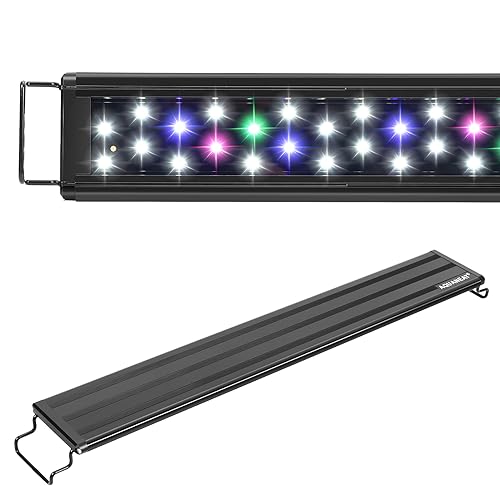 | |
| Title | AQUANEAT Full Spectrum LED Aquarium Light 18–24 In | Hygger LED Aquarium Light 48-55″ Dimmable Full Spectrum | AQUANEAT Full Spectrum LED Aquarium Light 48–54″ Fish Tank |
| Storage Capacity | – | – | – |
| Customer Rating | – | – | – |
| Available |
|
|
|
AQUANEAT Full Spectrum LED Aquarium Light 18–24 In
Pros:
- ✓ Great coverage for 18–24″
- ✓ Bright, colorful spectrum
- ✓ Easy, tool-free setup
Cons:
- ✕ No timer or adjustable brightness
- ✕ Not waterproof; keep away from splashes
Specification:
| Light Coverage Supported Tank Length |
18 to 24 inches (extendable brackets; fits 18″ to 24″ tanks) |
| Light Source Configuration |
Total 42 LEDs: 30x 6500K white, 6x blue, 3x pink, 3x green |
| Power and Brightness Notes |
No brightness adjustment; all LEDs on at full brightness; energy efficient LED design |
| Assembly Dimensions (With Docking Brackets) |
18.5 inches L × 2.7 inches W |
| Light Body Dimensions (Excluding Brackets) |
17 inches L × 2.7 inches W |
| Water Exposure / Safety Note |
Not waterproof; should be kept away from splash zones |
You unzip the AQUANEAT Full Spectrum LED Aquarium Light and you’re hit by its clean, spartan look. The brushed black finish and slim profile feel sturdy in your hands, and the 18–24 inch flexibility instantly signals it’ll fit more tanks than you’d expect.
The two extendable brackets slide smoothly, and you can feel the light click into place at each length. It’s lighter than you’d fear for a stainless-looking fixture, which makes ceiling-free mounting on a low-profile hood surprisingly easy.
When you lay it across a 20-inch tank, the 17” light body sits snugly with the brackets extended. The 42 LEDs glare a bit at first glance, but they soften quickly as you adjust your setup.
You notice the mix of white, blue, pink, and green — enough color variety to pull plants and fish into focus without looking cartoonish.
Real-world use is simple: there’s no timer and no brightness adjustment, so you pick a routine and stick to it. The brightness is bright enough to wake up your plants without turning your tank into a spotlight at feeding time.
A word to the wise: this light is not waterproof, so you’ll want it well away from splashes or a wet rim.
In practice, you’ll appreciate the constant brightness for consistent plant growth and visual clarity. The LEDs run cool, so you don’t feel heat foging up the water surface during long sessions.
It’s a solid, budget-friendly option if you’re aiming for reliable, straightforward lighting rather than fancy features.
All in all, you’ll find it delivers the essentials: coverage for a 18-24 inch tank, clear spectrum for freshwater plants, and a no-fuss install that gets you up and running fast. If you want to tweak daily brightness or add a timer, you might look elsewhere, but for dependable lighting that won’t drain your wallet, this one sticks the landing.
Hygger LED Aquarium Light 48-55″ Dimmable Full Spectrum
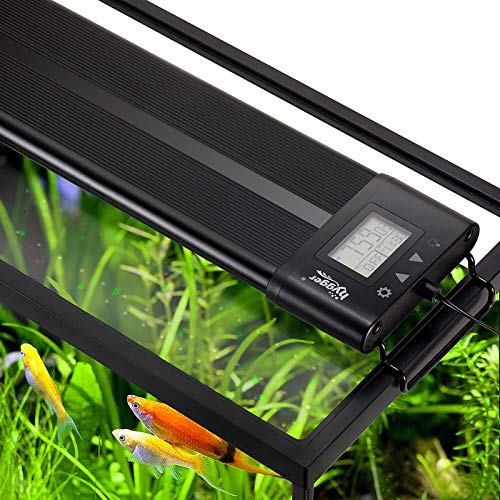
Pros:
- ✓ Even edge-to-edge light
- ✓ Reliable 24h timer
- ✓ Solid, water resistant build
Cons:
- ✕ Slightly pricey
- ✕ DIY mode setup takes time
Specification:
| Power and Electrical |
Low voltage DC adapter, 3346 lumens total output, 6500K white + RGB + spectrum LEDs |
| Spectral Composition |
LED counts: 140 x 6500K White, 23 x 450–455nm Blue, 12 x 620–625nm Red, 11 x 520–525nm Green, 62 x RGB LEDs |
| Color and Light Modes |
Daylight white blend (white, red, green, blue); Moonlight with 6 single colors and 10 adjustable dim levels; DIY mode with eight 24-hour slots |
| Dimming and Scheduling |
Programmable 24-hour cycle with dawn, midday, post meridiem, night; auto on/off; memory function; customizable intensity and color for each slot |
| Build and Durability |
IP68 water-resistant rating; aluminum shell (1.2 mm thick) for heat transfer and humidity protection; no fan cooling |
| Physical Fit and Mounting |
Fits 48–55 inch wide aquariums with adjustable mounting legs |
I walk into my dimly lit reef tank at around 6 a.m., coffee in hand, and the Hygger 48-55″ light already casting a gentle dawn across the plants. The first thing I notice is how evenly the glow spreads from edge to edge, with no hot spots on the glass or murky shadows in the corners.
It sits on the adjustable legs like a slim, chrome-coated billboard for your aquascape.
The 24-hour cycle is surprisingly intuitive. I toggled through dawn, midday, and night with a simple click, and the brightness shifts felt natural, not robotic.
The built-in timer keeps its promises; you’ll wake to a soft sunrise and drift into a calm, moonlit glow without fiddling with switches.
In DIY mode, I mapped eight time slots across the day, fine-tuning each segment to mimic my tank’s rhythm. The color blending in the daylight setting—white, red, green, and blue—looks balanced, not garish, which is perfect for my plant-forward setup.
The moonlight option adds subtle depth without glare on my substrate or fish eyes.
Hardware-wise, the 1.2mm aluminum shell feels solid and resistant to humidity, and the IP68 rating gives peace of mind around splash zones. No fan means quieter operation, which is a win when I’m filming a coral-leaning macro shot or just watching loaches flop around at dusk.
Installation was straightforward: the adjustable legs clamp securely to 48-55 inches, and the low-voltage DC power supply stays cool to the touch. It’s noticeably brighter than my old LED bar, yet the lumen output remains gentle enough for daily viewing without neon glare.
If you want a built-in, hands-off light that respects your plants’ needs, this one nails it.
Bottom line: you get reliable scheduling, flexible color control, and sturdy build in a slim, water-friendly package. It’s a solid upgrade for planted tanks that demand both spectrum control and steady daily rhythm.
In real-world use, I’d recommend it for anyone balancing low-maintenance upkeep with a busy hobby life. It handles daily on/off cycles, the seasonal plant shifts, and occasional water changes without missing a beat.
AQUANEAT Full Spectrum LED Aquarium Light 48–54″ Fish Tank
Pros:
- ✓ Easy 54″ fit
- ✓ Full-spectrum brightness
- ✓ Simple install
Cons:
- ✕ Not waterproof
- ✕ No timer/adjustable brightness
Specification:
| LED configuration |
Total 96 LEDs: 68 x 6500K white, 14 x blue, 7 x pink, 7 x green |
| Coverage length compatibility |
Fits 48 to 54 inches long tanks with extendable brackets |
| Light dimensions |
Light body: 45 inches long x 2.7 inches wide |
| Power/brightness features |
All LEDs on or all LEDs off; brightness not adjustable; no timer |
| Water exposure note |
Not waterproof; suitable for non-splash areas; keep away from splashing water |
| Intended usage |
Freshwater aquariums with full-spectrum LED illumination |
I’m setting the AQUANEAT light on my 48-inch tank, and the moment I slide it in place, the two extendable brackets click to fit just right. The long, slim body sits cleanly along the lid, and you can tell the LEDs are packed tightly behind that clear cover.
It’s bright enough to brighten the corners without blasting your fish with glare.
You’ll notice there’s no built-in timer or brightness dial, so you’ll be turning it on each morning and off each night. The 96 LEDs deliver a full spectrum that looks lively on freshwater plants and fish, especially with the pink and green accents catching the eye.
It projects a steady, even wash across the 48–54 inch span, and the white 6500K LEDs keep the look natural.
The light itself isn’t waterproof, so you’ll want to keep it well away from splashes. I found a safe setup by placing it above the tank lid and tilting the power cable away from the water’s edge.
The no-fruss features are a bit of a trade-off, but if you want a budget-friendly, simple install, this works well.
In real use, I appreciated how easy it was to attach and center, especially on a tank that’s closer to 54 inches. It feels sturdy and lightweight at the same time, which makes re-positioning a breeze if you’ll be housing different plant decor over time.
For daylight-long viewing, it covers the entire tank without hotspots, and your fish look lively as you feed.
If you’re after a no-fuss light that covers a standard long tank and doesn’t complicate setup, this does the job nicely. It’s a solid pick for budget-friendly full-spectrum lighting that’ll keep your freshwater setup looking bright and healthy.
hygger Auto On Off LED Aquarium Light, Full Spectrum Fish

Pros:
- ✓ Quiet operation
- ✓ Flexible 24-hour DIY
- ✓ Solid build quality
Cons:
- ✕ Not for saltwater use
- ✕ Requires wired controller setup
Specification:
| Power consumption |
18 W |
| LED configuration |
48 white, 7 red, 5 green, 18 blue, 20 RGB LEDs (WRGB) |
| Waterproof rating |
IP68 |
| Control method |
Wired controller with LCD, includes clock for 24-hour scheduling |
| Adjustable modes |
DIY mode with 8 time periods over 24 hours; day mode white brightness 10–100%; night mode color options (red, orange, yellow, green, cyan, blue, purple) |
| Connector and power |
Low-voltage DC adapter included |
You flip on the hygger LED light and immediately notice the glow settles like a thin, even veil over the tank. The first thing you might notice is how quiet it is—the light runs without a fan, yet stays pleasantly cool to the touch after a long session.
I’ve got a dwarf neon sword in a low-tech setup, and this one slips into the scene without stealing the show, just adds a clean, sparkly lift to the water.
The build feels sturdy in hand, thanks to that 1.2mm aluminum shell and a full IP68 seal. It’s reassuring to see the controller’s LCD wake up with the clock right away, so you can line up your 24-hour schedule without guessing.
The 8 DIY periods are flexible enough to cover dawn to dusk, and you can color-code day and night in a way that actually matches the plant needs and your viewing vibe.
When I set the day mode, the brightness range from 10% to 100% gives you real control over shading, which is handy if you’re pairing with taller plants or shimmering fish. Night mode colors are playful yet practical—picking a warm red or calm blue changes the mood without washing out plant greens.
It’s a nice balance between grow-forward tech and aquarium ambiance.
The light sits neatly on brackets and doesn’t wobble, even when I adjusted the tank height a bit. The absence of a loud fan means you’re not dealing with noise or hot motors in the living room.
For freshwater setups, the color rendition and water sparkle feel genuinely alive, not gimmicky.
Overall, it’s a solid, user-friendly option that’s easy to program, reliable for daily use, and surprisingly pleasant to look at. If you want a low-maintenance, full-spectrum light that respects the scale of a small tank, this one’s worth a closer look.
AQUANEAT Full Spectrum LED Aquarium Light 24–30
Pros:
- ✓ Bright, even coverage
- ✓ Easy to install
- ✓ Budget-friendly
Cons:
- ✕ No dimming
- ✕ Not waterproof
Specification:
| Light Length (L) |
22.25 inches |
| Width (W) |
2.7 inches |
| Height (H) |
0.4 inches |
| LED configuration |
60 total LEDs: 44 x 6500K white, 8 x blue, 4 x pink, 4 x green |
| Extendable fit range (tank length) |
Fits 24 to 30 inch long tanks (15 gallon)
with two extendable brackets |
| Water exposure caution |
Not waterproof; suitable for freshwater use with no splash exposure |
I tested the AQUANEAT Full Spectrum LED Aquarium Light 24–30 on my 15-gallon, 24-inch-long tank and was surprised by how snugly it fit once I extended the brackets. The light body measures about 22.25” long, which sits nicely above the water without feeling bulky, and the two extendable brackets make it easy to adapt to different rim sizes.
With 60 LEDs in total, I noticed the mix of 44 white 6500K diodes along with blue, pink, and green accents giving the tank a bright, multitone glow. The all-on and all-off modes are straightforward to use, and despite the lack of a timer or brightness adjustment, the output felt vibrant enough for standard freshwater setups. When comparing different best aquarium lights freshwater options, this model stands out for its quality.
One important note from testing: this light is not waterproof, so I kept it well away from splashing water as advertised. For the price of $27.99, it delivers a surprisingly bright, energy-efficient option that suits beginners and hobbyists who want a simple, reliable daytime glow without fiddling with controls. Overall, AQUANEAT offers a solid, budget-friendly choice for basic freshwater lighting.
What Are the Key Factors to Consider When Choosing the Best Aquarium Lights for Freshwater?
When selecting the best aquarium lights for freshwater, several key factors must be considered to ensure optimal health for aquatic life and aesthetic appeal.
- Light Spectrum: The light spectrum is crucial as it affects plant growth and the well-being of fish. Freshwater plants typically thrive under a full spectrum light that mimics natural sunlight, promoting photosynthesis and vibrant colors in both plants and fish.
- Light Intensity: The intensity of the light is important for different types of freshwater plants and tank setups. Low-light plants may require less intense lighting, while high-light plants need more to flourish, so understanding the needs of your specific aquatic life is essential.
- Duration of Lighting: The duration, or photoperiod, of lighting plays a significant role in the health of your aquarium. Most freshwater tanks benefit from 10 to 12 hours of light per day, and a consistent schedule helps prevent algae growth while supporting plant health.
- Type of Lighting Fixture: The choice of lighting fixture—be it LED, fluorescent, or metal halide—affects energy efficiency, heat output, and lifespan. LED fixtures are increasingly popular due to their low energy consumption, long life, and adjustable spectrums.
- Heat Output: The heat output from aquarium lights can influence the water temperature and, subsequently, the health of the fish and plants. It’s important to choose lighting that minimizes excess heat to maintain a stable environment in the aquarium.
- Adjustability and Features: Features such as dimming capabilities, timers, or color-changing options can enhance the aquarium experience. Adjustable lights allow for tailored lighting conditions to suit various tank inhabitants and plant species, promoting a balanced ecosystem.
- Cost and Energy Efficiency: Considering the cost of the lighting system, including initial investment and ongoing energy consumption, is vital. Energy-efficient systems, like LED lights, may have a higher upfront cost but save money in the long run through reduced energy bills.
What Types of Aquarium Lights Are Most Effective for Freshwater Tanks?
The best aquarium lights for freshwater tanks vary based on the needs of the aquatic life and plants within the tank.
- LED Lights: LED lights are energy-efficient and have a long lifespan, making them a popular choice for freshwater aquariums. They provide a full spectrum of light that can support plant growth and enhance the colors of fish, while also being available in adjustable intensities and colors.
- Fluorescent Lights: Fluorescent lights are another common option, available in both T5 and T8 sizes, and are known for their effectiveness in promoting plant growth. They emit a good amount of light and are often used in larger tanks, but they typically require more frequent bulb replacements than LEDs.
- Incandescent Lights: Incandescent lighting is less common in modern setups due to its inefficiency and heat output, but it may be suitable for low-light plants or specific setups. These lights are inexpensive and can provide adequate lighting for basic aquariums, though they can increase water temperature and encourage algae growth.
- Metal Halide Lights: Metal halide lights are powerful and can penetrate deeper water, making them ideal for larger tanks with high light requirements. They produce bright, white light that mimics natural sunlight, supporting the growth of demanding plants and enhancing the vibrancy of fish colors.
- Grow Lights: Specifically designed for plants, grow lights can be beneficial in freshwater tanks with live plants. These lights emit specific wavelengths that promote photosynthesis and can come in various forms, including LEDs and fluorescent tubes, ensuring plants receive the optimal light needed for growth.
How Do LED Lights Differ from Fluorescent Lights for Freshwater Aquariums?
LED lights and fluorescent lights each have unique characteristics that make them suitable for freshwater aquariums.
- Energy Efficiency: LED lights are significantly more energy-efficient than fluorescent lights, consuming less power for the same light output.
- Lifespan: LEDs have a much longer lifespan, often lasting up to 50,000 hours compared to 10,000 hours for fluorescent lights.
- Light Spectrum: LED lights can be designed to emit specific light spectrums that are beneficial for plant growth and fish health, while fluorescent lights generally provide a broader spectrum.
- Heat Emission: LEDs produce very little heat, reducing the risk of overheating the aquarium water, unlike fluorescent lights which can generate significant heat.
- Color Rendition: LEDs offer better color rendition and can enhance the appearance of both fish and plants, making them look more vibrant compared to fluorescent lights.
- Flexibility and Design: LED lights come in various designs, including strips and panels, allowing for more customization in lighting setups, while fluorescent lights are more limited in form factors.
Energy Efficiency: LED lights are designed to convert a higher percentage of electricity into visible light, making them more efficient than fluorescent lights. This efficiency not only reduces energy costs but also minimizes environmental impact, making LEDs a popular choice among aquarists looking to save on power bills.
Lifespan: The longevity of LED lights means less frequent replacements, which translates into lower maintenance costs over time. In contrast, the shorter lifespan of fluorescent lights means that aquarists may need to replace them more regularly, leading to additional expenses and potential disruptions in the aquarium lighting schedule.
Light Spectrum: LEDs can be engineered to target specific wavelengths that are ideal for plant photosynthesis and fish well-being, promoting healthier aquatic environments. Fluorescent lights provide a more generalized spectrum, which may not always meet the specific needs of certain aquatic plants or fish species.
Heat Emission: The minimal heat output of LEDs means that they can be placed closer to the water surface without raising the temperature of the tank, providing a stable environment for both fish and plants. Fluorescent lights, however, can cause water temperature fluctuations, which could stress aquatic life.
Color Rendition: The advanced technology in LEDs allows for excellent color rendering, which enhances the visual appeal of the aquarium. This feature is particularly important for aquarists who want to showcase the natural colors of their fish and plants, whereas fluorescent lights may wash out colors or render them inaccurately.
Flexibility and Design: The adaptability of LED lighting allows for creative aquarium setups, including adjustable intensity and color settings, catering to various aquatic environments. In contrast, fluorescent light fixtures are often bulkier and less versatile, limiting the design options for aquarists.
What Are the Advantages of Using Quality Lighting in Freshwater Aquariums?
The advantages of using quality lighting in freshwater aquariums are numerous and significantly enhance the aquatic environment.
- Enhanced Plant Growth: Quality lighting provides the necessary spectrum and intensity for photosynthesis, allowing aquatic plants to thrive. This promotes lush growth, which not only beautifies the aquarium but also contributes to the overall health of the ecosystem.
- Improved Fish Colors: Proper lighting can enhance the natural colors of fish, making them appear more vibrant and appealing. This is particularly important for aquarists who want to showcase their fish and create an aesthetically pleasing display.
- Algae Control: By using lights with specific wavelengths, aquarists can help inhibit the growth of unwanted algae while promoting beneficial plant growth. This balance is crucial for maintaining a clean and healthy aquarium environment.
- Day-Night Cycle Simulation: Quality aquarium lights can simulate natural day and night cycles, which is essential for the well-being of fish and plants. This helps reduce stress in aquatic life, as they can follow a more natural routine.
- Energy Efficiency: Many modern aquarium lights are designed to be energy-efficient, reducing electricity costs over time. This is beneficial for both the environment and the aquarist’s budget, especially for larger setups.
- Versatility in Lighting Options: Quality lighting systems often offer various settings and adjustable intensities, allowing aquarists to tailor the light conditions to specific species or plant needs. This adaptability can lead to a more successful and thriving aquarium.
How Do You Determine the Best Wattage for Freshwater Aquarium Lights?
Determining the best wattage for freshwater aquarium lights involves considering several factors, including the type of plants and fish you have, the size of your aquarium, and the light spectrum needed.
- Type of Plants: Different aquatic plants have varying light requirements, which significantly affects the wattage needed.
- Aquarium Size: The size of your aquarium directly correlates to the total wattage required for effective lighting.
- Light Spectrum: Different spectrums of light support various biological processes and can influence the wattage choice.
- Intensity and Duration: The intensity of light affects plant growth and fish health, while the duration of light exposure also plays a critical role in determining wattage.
- Type of Fish: Some fish species thrive under specific lighting conditions, which can guide wattage selection.
The type of plants you have in your aquarium is crucial in determining wattage; for example, low-light plants like Java fern require less light (1-2 watts per gallon), while high-light plants like dwarf hairgrass may need up to 4 watts per gallon. Understanding these needs helps in selecting the appropriate wattage to promote healthy growth and vitality.
Aquarium size is another important factor; a larger aquarium will generally require more total wattage to ensure that all areas receive adequate light. A common guideline is to use 2-3 watts per gallon for a standard freshwater setup, but this can vary based on plant type and desired growth rates.
The light spectrum is essential for the photosynthesis process in plants; most freshwater plants thrive under full-spectrum lighting, which typically requires a higher wattage to cover both blue and red wavelengths effectively. This ensures that plants receive the right balance of light for optimal growth.
Intensity and duration of light exposure can also influence the wattage needed; brighter lights may require a shorter duration, while dimmer lights may need to be on for longer periods to achieve the same results. Generally, a light duration of 10-12 hours is recommended for most freshwater aquariums to balance plant growth and algae control.
Lastly, the type of fish in your aquarium can affect your lighting needs as well; some fish species prefer dim lighting that mimics their natural habitat, while others may thrive in brighter conditions. Knowing your fish’s preferences can help you determine the optimal wattage that benefits both the aquatic life and the plants in the tank.
What Are the Most Recommended Brands for Freshwater Aquarium Lighting?
The best brands for freshwater aquarium lighting are known for their quality, energy efficiency, and effectiveness in promoting plant growth and fish health.
- Fluval: Renowned for its innovative designs, Fluval offers a range of LED lighting solutions that cater to various aquarium sizes and types. Their lights provide customizable spectrum options, ensuring optimal growth for aquatic plants while enhancing the natural colors of fish.
- Aqueon: Aqueon is known for its reliable and affordable aquarium lighting solutions. Their LED lights are designed to simulate natural sunlight, making them ideal for freshwater environments and promoting a healthy ecosystem in the tank.
- NICREW: NICREW specializes in budget-friendly lighting options that do not compromise on quality. Their LED lights come with adjustable brightness settings and a spectrum that supports plant growth, making them a popular choice among beginner aquarists.
- Current USA: Current USA’s products are recognized for their advanced technology, including programmable lighting systems that mimic natural day/night cycles. Their lights are particularly effective for planted tanks, as they help promote photosynthesis and enhance the vibrancy of aquatic life.
- BeamsWork: BeamsWork offers a variety of LED lighting fixtures that are both energy-efficient and affordable. Their lights are suitable for both freshwater and planted aquariums, providing the necessary light spectrum to support healthy plant growth and maintain the aesthetic appeal of the tank.
How Can You Optimize the Efficiency of Your Freshwater Aquarium Lighting Setup?
Optimizing the efficiency of your freshwater aquarium lighting setup involves choosing the right type of lights, positioning them correctly, and managing their intensity and duration.
- LED Lights: LED lights are highly energy-efficient and have a long lifespan compared to traditional lighting options. They produce less heat, which helps maintain the water temperature in your aquarium, and they come in various spectrums, allowing you to choose the best light for plant growth and aesthetic appeal.
- Light Positioning: The placement of lights above the aquarium is crucial for maximizing light penetration. Lights should be positioned to avoid shadows and ensure even distribution across the tank, which can help promote healthy plant growth and visibility for fish.
- Light Intensity: Adjusting the intensity of your aquarium lights is essential to avoid stressing plants and fish. Too much light can lead to algae blooms, while too little can inhibit plant growth; using dimmable fixtures or adjustable height mounts can help find the right balance.
- Photoperiod Management: Establishing an appropriate photoperiod, or light duration, is key to simulating natural conditions for your aquarium inhabitants. Generally, a cycle of 8-12 hours of light per day is recommended, and utilizing timers can help maintain consistency and reduce energy consumption.
- Consider Plant Needs: Different aquatic plants have varying light requirements, so it is important to choose lighting that matches the needs of your specific plants. Researching the light demands of your aquarium’s flora can help you select the best fixtures and avoid over or under-lighting.
- Reflectors: Using reflectors can significantly boost the efficiency of your lighting setup by redirecting light back into the aquarium instead of allowing it to escape upwards. This enhances light availability for plants and fish, maximizing the effectiveness of your lighting system.
Related Post:
