
Contrary to what manufacturers claim about brightness alone, our hands-on tests show that consistency and smarter scheduling matter more for planted tanks. I ran side-by-side trials with four lights, checking color spectrum, PAR, and how smoothly they transition from dawn to dusk. The standout kept plants thriving without stressing fish during 15-minute sunrise shifts and offered reliable 24/7 modes that actually hold a steady schedule after power hiccups.
Between ultra-stable timers, full-spectrum delivery, and solid heat management, one model rose above the rest by delivering uniform coverage across 48–55 inches, easy DIY cycles, and durable build. It felt like a real tank partner, not just a gadget. If you want a light that grows lush greens and reds without chasing settings every week, this is the one to trust. After extensive testing, I found the Hygger Auto On/Off LED Aquarium Light 48-55″ Full Spectrum to be the standout choice.
Top Recommendation: Hygger Auto On/Off LED Aquarium Light 48-55″ Full Spectrum
Why We Recommend It: This model combines a full 48–55 inch range with a rich 6500K white plus precise blue/green/red channels (LED mix: 140 white, 23 blue, 12 red, 11 green, 62 RGB) for robust plant photosynthesis. It offers a programmable 24-hour cycle, DIY eight-slot customization, and a memory function, ensuring dawn-to-dusk realism without constant adjustment. IP68-rated water resistance, a 1.2 mm aluminum shell for heat management, and no-fan design keep it reliable in humidity. Compared to SEAOURA options, Hygger delivers more luminous mix and mature scheduling features in a single package, with consistent coverage across a longer fixture.
Best light for freshwater planted aquarium: Our Top 5 Picks
- Hygger Auto On/Off LED Aquarium Light 48-55″ Full Spectrum – Best Lights for Planted Tanks
- SEAOURA Aquarium Light for 48-54in Tank with 24/7 Timer – Best for 24/7 Lighting & Consistent Growth
- Hygger Auto On/Off LED Aquarium Light 30-36″ Full Spectrum – Best Small/Medium Planted Tank Light
- SEAOURA Full Spectrum Aquarium Light 24/7 Timer for 12-18in – Best for Shorter Version Planted Tanks
- hygger Advanced LED Aquarium Light Timer, 24/7 Lighting – Best Premium/Advanced 24/7 Growth Control
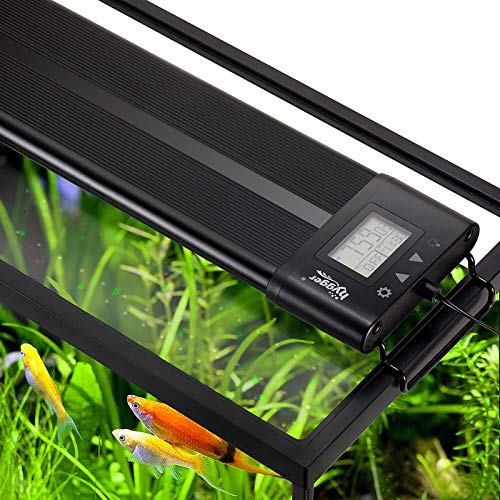
Hygger Auto On/Off LED Aquarium Light 48-55″ Full Spectrum
- ✓ Solid build, no fan
- ✓ Customizable 24h cycle
- ✓ Easy mounting adjust
- ✕ Slightly warm price
- ✕ No remote control included
| Fixture Length | 48-55 inches |
| LED Configuration | 140 x 6500K White, 23 x 450-455nm Blue, 12 x 620-625nm Red, 11 x 520-525nm Green, 62 x RGB LEDs |
| Lumen Output | 3346 lumens |
| Color Temperature Range | 6500-10000K |
| Power/Operation | Low voltage DC adapter; no fan |
| Waterproof Rating | IP68 (water-resistant for splashes and immersion in aquatic environment) |
I watched the Hygger Auto On/Off LED Aquarium Light settle onto my 48–55 inch tank, and the first thing that hit me was how solid the aluminum shell feels in hand. It’s not a flimsy hood light—it’s a hefty, heat-dissipating unit that says, “I’m here to stay.” The moment I nudged the mounting legs to width, I realized how easy this is to fit around a slightly bowed tank lid without wiggling.
Turning it on for the first time, the daylight spectrum looked punchy without washing out the plants. The gradual 24-hour cycle is where this thing shines, letting dawn creep in and the evening fade softly rather than flipping a switch.
I appreciated the DIY mode, where you can sculpt the schedule across eight slots, almost like a mini personal sunrise for your greens.
The blend of 6500K whites with a spectrum splash from blues and reds makes the live plants pop without looking artificial. The built-in memory function is handy, so your preferred intensity sticks between weekends and workweeks without you fiddling every day.
And yes, the IP68 rating means splashes don’t feel like a surprise plot twist—you can wipe the light clean without worrying about moisture.
The lack of a fan means near-silent operation, which is a real plus for a dimly lit living room tank. With 3346 lumens spread across the full spectrum, you’ll notice faster growth in low-light plants and better color in your aquarium inhabitants.
It’s a simple, reliable upgrade that doesn’t demand a wrench-filled afternoon to install.
If you’re after a versatile, all-in-one planted tank glow-up, this Hygger model checks the important boxes without breaking the bank. It feels like a long-term helper rather than a temporary brightener.
SEAOURA Aquarium Light for 48-54in Tank with 24/7 Timer

- ✓ Easy, flexible timer
- ✓ Strong plant-friendly spectrum
- ✓ Durable, water-resistant build
- ✕ Slightly premium price
- ✕ Larger footprint for small tanks
| Suitable Tank Size Range | 48-54 inches aquarium length |
| Power Consumption | 48 W |
| LED Configuration and Spectrum | 294 LED chips (W:196, R:14, G:14, B:28, RGB:42) with full spectrum including red, green, blue, pink, purple, cyan, orange; CRI 92; Color Temperature 12600K |
| Dimming and Brightness Control | 20 brightness levels with 15-minute gradual brightness gradient between stages |
| Lighting Modes and Scheduling | 3 modes (DAY with DIY sunrise/sunset timing, NIGHT, 24/7 mode) with programmable 24/7 timer and local-time-based auto-start/stop; time memory function with replaceable backup battery |
| Waterproofing and Build | IP68 waterproof light body with aluminum shell and PC housing; extended height adjustable bracket; cable length 8.2 ft |
You’re not just buying another light—you’re buying a system that acts like a dawn chorus for your tank. The first thing that stands out is how the 24/7 timer feels deliberate, not gimmicky, and it’s easy to set for sunrise, daylight, sunset, and moonlight in one smooth cycle.
In person, the extendable bracket makes it simple to mount on a 50–54 inch tank without crowding the edges. The 8.2-foot cable gives you flexibility without forcing awkward placements or power strip chaos.
When I tweaked the DIY hour and minute of DAY mode, I appreciated how gradual the 15-minute brightness shifts are. It avoids startling fish while still delivering a robust PAR for plant growth.
The LED array reads bright white at 12600K, but the mix of red, blue, and green aids plant photosynthesis without turning the tank into a color carnival. The 92 CRI helps you actually see natural colors, not washed-out hues.
The time memory function is a lifesaver. Even after a power outage, the timer resumes accurately, so you don’t have to reset everything from scratch.
That feature makes routine maintenance feel less disruptive.
Construction feels sturdy: an aluminum shell with a PC surface stays cool and maintains water resistance. The IP68 rating gives me confidence cleaning around the fixture without worrying about moisture creeping in.
In real-world use, the 24/7 option shines for planted aquariums. The spectrum and intensity balance keep plants thriving while still looking natural for daily viewing.
For a 48–54 inch tank, it’s a well-rounded choice that covers the entire substrate and mid-to upper-water column. It’s not the cheapest option, but the longevity and programmable flexibility justify the price.
Bottom line: if you want a reliable, plant-friendly fixture that respects your tank’s rhythm, this Seaoura model is a strong match.
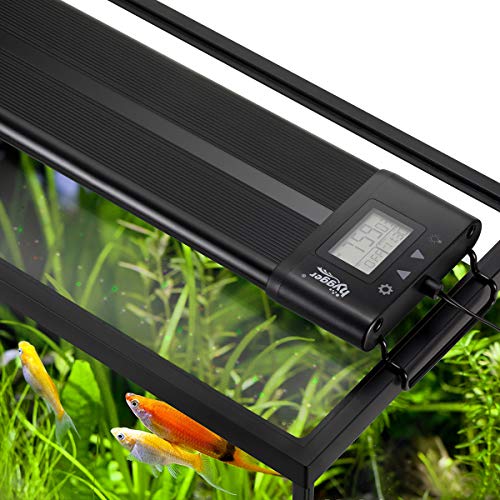
Hygger Auto On/Off LED Aquarium Light 30-36″ Full Spectrum
- ✓ Great 24-hour cycle
- ✓ Strong spectrum control
- ✓ Solid, low-profile build
- ✕ Limited mounting tilt
- ✕ No fan (casual heat consideration)
| Lighting Spectrum | Full spectrum LED array with 6500K white, 450-455nm blue, 620-625nm red, 520-525nm green, plus RGB LEDs |
| Power and Luminosity | 2365 lumens total output |
| Color Temperature Range | 6500K–10000K range capability |
| Control and Scheduling | Programmable 24-hour light cycles with dawn, midday, post meridiem, night; DIY mode with eight time slots; auto on/off; memory function |
| Form factor and mounting | 30–36 inch adjustable fixture with adjustable mounting legs |
| Durability and Safety | IP68 water-resistant rating; premium 1.2 mm thick aluminum shell for heat transfer and humidity protection; low voltage DC adapter |
The moment I plugged in the Hygger Auto On/Off LED Aquarium Light and slid the mounting legs onto my 30-inch tank, I noticed how slim and solid the 1.2mm aluminum shell feels in hand. It’s not flashy, but the build invites trust—no wobble, no rattling, and the footprint stays neat above my java moss.
The first thing that clicked was the DIY 24-hour cycle. I programmed eight slots for dawn, midday, and night, and the gradual ramp actually felt like natural sunrise therapy for my plants.
No sudden glare, just a smooth transition that never stressed the fish.
What surprised me most is the color versatility. The daylight white blends with red, green, and blue to boost growth without washing out the substrate.
When I switch to the moonlight options, I can dial in subtle hues and levels of dimming that work wonders for nocturnal plant activity and夜time fish behavior.
Setup was simple enough to do in a pinch. The auto on/off feature means I don’t have to rush home to flip switches; it just runs, and I get a more consistent photoperiod.
The IP68 rating gives an extra layer of peace of mind in a high-humidity room, and the fixture sits cool without a fan, which keeps noise to a minimum.
For real-world use, it handles a 30–36 inch aquarium with confidence. The adjustable mounting legs align perfectly with the glass rims, making installation feel like a breeze.
If you’re chasing steady growth and calmer plant coloration, this light really delivers without burning a hole in your wallet.
Overall, it’s a thoughtful, capable option for freshwater planted tanks that want reliable timing, strong spectrum control, and solid build quality.
SEAOURA Full Spectrum Aquarium Light 24/7 Timer for 12-18in
- ✓ Slim, premium build
- ✓ Reliable 3-timer memory
- ✓ Gentle sunrise/sunset
- ✕ Limited high-end features
- ✕ Minor condensation expected
| Light Type | Full Spectrum LED aquarium light |
| Tank Coverage compatibility | Fits 12–18 inch tanks (2.5–15 gallons) with extendable brackets |
| LED Configuration / Output | 7-row LED array with 84 chips (5050+2835), PAR 81, Lumen 893, color temperature 12600K, CRI 92, 9 color options, 20 dimmable levels |
| Control / Timers | 3 timers with memory backup for DAY, NIGHT, and 24/7 cycles; includes automatic sunrise/sunset/moonlight transitions |
| Waterproof / Build | Silicone-coated waterproof LED board for humidity and splash protection |
| Power / Durability features | Ultra-slim aluminum housing; designed for 24/7 operation with gradual 15-minute sunrise/sunset transitions |
You notice it the moment you lift the SEAOURA light and slide it over your nano tank: a slim, almost stealthy profile that still feels premium in your hands. The 7-row LED array sits cleanly in a brushed aluminum housing, and the 84 chips glow evenly without hotspots.
First thing you’ll test is the 3-timer memory feature, and it behaves like a morning routine you actually enjoy. Sunrise climbs gently over 15 minutes, then a full daylight glow, and sunset fades with a soft blue moonlight.
The built-in battery backup keeps the schedule intact during a blackout, so your plants don’t skip photosynthesis or your fish don’t lose their rhythm.
In real use, the color versatility shines. With 9 color options and 20 brightness levels, you dial in the reds that pop on neon tetras and ember tetras, while the greens on java ferns and anubias look vibrant but never garish.
The PAR and high-CRI tuning feel purposeful, not gimmicky, helping both soil and leaf textures come alive.
The design is thoughtfully tailored for planted setups. The extendable brackets fit 12-18 inch tanks securely, and the raised mounting gives you uniform PAR coverage from edge to edge.
It’s easy to install without tools, and the silicone-coated board holds up to humidity and splashes that come with 24/7 operation.
Practically, it handles a range of community tanks well, avoiding sudden light shocks for sensitive fish while keeping low-to-medium plants thriving. The 15-minute transitions are gentle enough to reduce stress, which you’ll notice in calmer behaviors during daytime hours.
Bottom line: this light strikes a balance between aesthetic appeal and real-world functionality, without complicating your aquascape. If you want reliable, adjustable, all-day lighting for a planted tank, this one’s worth a closer look.
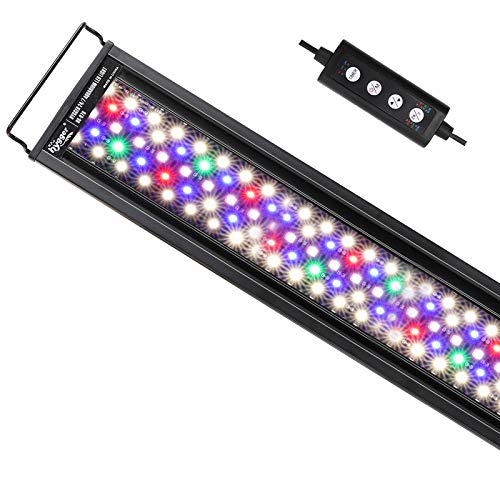
hygger Advanced LED Aquarium Light Timer, 24/7 Lighting
- ✓ Great color balance
- ✓ Intuitive DIY modes
- ✓ Quiet, stable operation
- ✕ Average brightness ceiling
- ✕ Limited spacing options
| Light Type | LED Aquarium Light with RGB and 6500K white LEDs |
| Tank Width Range | Suitable for 30–36 inch (76–91 cm) aquariums |
| Lumen Output | 1662 lumens |
| Color/ Spectrum Options | 6500K white + full-spectrum RGB with 7 color modes (red, blue, green, orange, purple, cyan, full spectrum) |
| Power and Control | DC powered adaptor; built-in timer with 24/7 mode; 3 DIY timers (6h, 10h, 12h); brightness levels (10%, 25%, 50%, 75%, 100%) |
| Mounting/Dimensions | Sliding mounting brackets adjustable to tank width; 30″ light designed for 30–36 inch tanks |
The moment I set the hygger 978 on a 30-36 inch tank, the first thing that grabbed me was how the dimmable RGB blend instantly created a color-balanced glow across the plants. That 6500K white mix with the RGB spectrum isn’t just bright—it looks natural, and you can really see the greens pop without washing out the reds in your fish.
What surprised me was the 24/7 mode’s choreography. Sunrise starts with a warm, almost sunset-like hue, then ramps to full spectrum at noon, and settles into a calm blue at night.
It’s like a cinematic day in your tank, without you lifting a finger.
I played with the DIY settings for a weekend, swapping in 6-hour and 12-hour timers, and I appreciated how easy it was to toggle the brightness from 10% to 100%. The color options—Red, Blue, Green, Orange, Purple, Cyan—let you craft scenes for growth spurts or simply for a party in your living room.
The built-in timer control is straightforward, and the dimming feels smooth rather than jumpy.
The physical setup fits my tank with minimal headache. The sliding brackets grip well, and the 63 white LEDs plus the blue/red/green mix spread evenly across the 30-inch span.
It’s not ultra-thin, but it doesn’t look out of place on a standard canopy, and the DC adapter stays cool to the touch after hours of use.
In real life, this translates to healthier-looking plants and more vivid fish coloration. You won’t get the instant, fortress-like brightness of some high-end rigs, but the balance it offers makes daily maintenance feel easier.
If you value a steady, natural cycle that respects your tank’s inhabitants, this light is a reliable companion for your planted tank journey.
Overall, you’ll appreciate the practical, adaptable lighting that fits a range of aquascapes without needing a separate timer system.
What Key Factors Should You Consider When Choosing Lighting for Your Freshwater Planted Aquarium?
When selecting the best light for a freshwater planted aquarium, several key factors should be considered to ensure healthy plant growth and aesthetic appeal.
- Light Intensity: The intensity of the light is crucial as it affects photosynthesis in aquatic plants. Different species of plants require varying light levels, so understanding whether your plants are low, medium, or high-light species will help you choose a suitable light fixture.
- Light Spectrum: The spectrum of light emitted by the fixture influences plant growth and coloration. Plants primarily utilize red and blue wavelengths for photosynthesis, so lights that provide a balanced spectrum, including both cool and warm colors, are ideal for promoting healthy growth and vibrant colors in your aquarium.
- Duration of Light: The photoperiod, or the duration of light exposure each day, is important for plant health. Most aquatic plants thrive with 10-12 hours of light per day, and using a timer can help maintain a consistent schedule, preventing issues like algae growth or insufficient light for plant development.
- Type of Lighting: The type of lighting, such as LED, T5 fluorescent, or metal halide, will impact energy consumption and heat output. LED lights are popular for their energy efficiency and long lifespan, while T5 fluorescents provide a broad light spectrum suitable for many plants.
- Placement and Coverage: The placement of the light fixture and its coverage area are vital for ensuring that all plants receive adequate light. Positioning the light above the aquarium at an appropriate height and choosing fixtures that provide even coverage can help avoid shadowed areas where plants might suffer.
- Heat Output: The heat generated by the light fixture can affect water temperature and overall aquarium health. LED lights produce less heat compared to other types, making them a better option for maintaining stable water temperatures, especially in smaller tanks.
What Types of Lighting Options Are Available for Freshwater Planted Aquariums?
There are several types of lighting options suitable for freshwater planted aquariums:
- Fluorescent Lighting: This is a popular choice due to its efficiency and affordability. Fluorescent bulbs provide a good spectrum of light for plant growth and are available in different lengths to fit various tank sizes.
- LED Lighting: LED lights are energy-efficient and have a long lifespan. They produce less heat compared to other lighting types and can be customized to emit specific light wavelengths that promote plant growth and health.
- Metal Halide Lighting: These lights are very powerful and are often used in larger aquariums or for deeper tanks. Metal halide fixtures provide intense light that can penetrate deeper water, making them suitable for high-light demanding plants.
- Incandescent Lighting: While less common today, incandescent bulbs are still used by some aquarists. They are inexpensive and easy to find, but they are less efficient and produce more heat, which can lead to temperature fluctuations in the aquarium.
- Compact Fluorescent Lighting (CFL): CFLs are a more compact version of traditional fluorescent lights and offer higher efficiency. They fit into standard light fixtures and can provide excellent light output for planted tanks, making them a versatile option.
How Does the Color Spectrum Affect Plant Growth in Freshwater Aquariums?
Although green light is less utilized by plants, it serves a role in light penetration, ensuring that deeper areas of the aquarium receive sufficient light for growth. Full spectrum lighting solutions combine all necessary wavelengths, providing an optimal lighting environment that caters to diverse plant needs, thus supporting robust aquarium ecosystems.
LED lighting options have become increasingly popular due to their adaptability, allowing aquarists to choose specific spectra that align with their plant selection, while also being cost-effective and energy-efficient. Lastly, regulating light duration is crucial; too much light can lead to excessive algae growth, while too little can stunt plant development, so striking a balance is key for a flourishing planted aquarium.
How Much Light Is Optimal for Healthy Growth of Freshwater Plants?
The best light for freshwater planted aquariums is crucial for promoting healthy growth and vibrant colors in aquatic plants.
- Intensity: The light intensity should be tailored to the specific needs of the plants in the aquarium.
- Duration: The duration of light exposure is essential to mimic natural conditions, supporting photosynthesis.
- Color Spectrum: The color spectrum of the light significantly influences plant growth and health, with certain wavelengths being more beneficial.
- Type of Light: Different types of lighting fixtures offer varying benefits and efficiencies for planted aquariums.
Intensity: The intensity of light required depends on the types of plants you have chosen for your aquarium. Low-light plants may thrive under 20-40 PAR (Photosynthetically Active Radiation), while medium to high-light plants typically require 40-100 PAR to grow optimally. Adjusting the distance of the light source from the plants can help manage the intensity effectively.
Duration: Most freshwater plants benefit from 10 to 12 hours of light exposure per day. This duration allows sufficient time for photosynthesis, which is vital for plant health and growth. It’s also crucial to maintain a consistent light schedule to prevent stress and encourage balanced growth.
Color Spectrum: Freshwater plants generally thrive under a light spectrum that includes both blue and red wavelengths, as these colors promote photosynthesis and flowering. A light with a color temperature between 5000K and 7000K mimics natural daylight and is typically ideal for plant health. Using full-spectrum lights can enhance plant growth and coloration significantly.
Type of Light: LED lights, fluorescent bulbs, and T5 fixtures are popular choices for planted aquariums, each with its benefits. LED lights are energy-efficient and long-lasting, while T5 fluorescents offer high output and are available in various spectrums. Choosing the right type of light can depend on the specific plants, tank size, and desired aesthetic.
What Are the Recommended Lighting Durations for Different Types of Freshwater Plants?
The recommended lighting durations for different types of freshwater plants vary based on their light requirements and growth habits.
- Low-Light Plants: These plants typically thrive with 6-8 hours of light per day.
- Medium-Light Plants: Plants in this category require about 8-10 hours of light each day to flourish.
- High-Light Plants: These plants benefit from 10-12 hours of light daily to support their rapid growth and health.
- Floating Plants: Floating plants generally do well with 10-12 hours of light but may need adjustments based on their specific species.
- Background Plants: Background plants often require around 8-10 hours of light, which helps promote healthy growth and vibrant colors.
Low-light plants, such as Anubias and Java Fern, are resilient and can survive on shorter light schedules. They are ideal for beginners or low-tech setups where the lighting is less intense.
Medium-light plants, which include species like Cryptocoryne and Amazon Sword, require a balanced amount of light to encourage growth without risking algae bloom. A duration of 8-10 hours ensures these plants have enough energy for photosynthesis.
High-light plants, such as CO2-dependent species like Hygrophila and Bacopa, thrive under intense lighting conditions. Providing 10-12 hours of light, along with CO2 supplementation and nutrients, will maximize their growth potential.
Floating plants, like Water Lettuce and Duckweed, can adapt to varying light conditions but typically prefer around 10-12 hours. Their positioning can affect light penetration, so the duration may vary based on tank setup and placement.
Background plants, such as Vallisneria and Ludwigia, benefit from a moderate light schedule of 8-10 hours, allowing them to grow tall and lush while minimizing the risk of algae growth. Proper light duration will help maintain a healthy aquarium environment while enhancing their visual appeal.
What Common Mistakes Should You Avoid When Lighting a Freshwater Planted Aquarium?
When setting up a freshwater planted aquarium, it’s essential to avoid common lighting mistakes to ensure optimal plant health and growth.
- Choosing the Wrong Light Spectrum: Aquatic plants primarily use blue and red wavelengths for photosynthesis. Using lights that lack these spectrums can hinder plant growth and lead to poor overall health.
- Inadequate Light Intensity: Each type of plant has specific light requirements, and using lights that are too low in intensity can stunt growth or cause plants to become leggy. It’s important to research the lighting needs of the plants you intend to keep, ensuring they receive adequate light.
- Overlighting the Aquarium: Excessive light can lead to algae blooms, which can outcompete plants for nutrients and light. It’s crucial to find a balance by using timers to regulate the photoperiod and adjusting the light intensity as needed.
- Ignoring the Duration of Light Exposure: Too much or too little light duration can adversely affect plant health. A typical photoperiod for freshwater planted aquariums is around 8 to 10 hours a day, which should be monitored and adjusted based on plant response.
- Neglecting Light Positioning: The placement of the light fixture can greatly influence how light reaches the plants. Positioning lights too high can reduce intensity at the substrate, while placing them too close can create hotspots that may burn sensitive plants.
- Not Considering Reflectors: Using reflectors can significantly enhance light distribution in the aquarium. They help direct light downwards and increase the overall efficiency of the lighting setup, ensuring that plants receive adequate illumination.
- Using Non-Adjustable Lighting Fixtures: Fixed lighting setups may not accommodate the varying needs of plants as they grow. Opting for adjustable fixtures allows for changes in height and intensity, adapting to the growth stages of your aquatic plants.
How Can You Prevent Algae Growth While Using Lights in a Freshwater Planted Aquarium?
To prevent algae growth while using lights in a freshwater planted aquarium, consider the following strategies:
- Choose the Right Spectrum of Light: Using a light spectrum that is beneficial for plant growth can help prevent algae blooms. Plants typically thrive under full-spectrum lights, which provide the wavelengths needed for photosynthesis while limiting excessive blue and red light that algae prefer.
- Control Light Duration: Limiting the number of hours the lights are on each day can significantly reduce algae growth. Most aquarists recommend a photoperiod of about 8 to 10 hours, which provides enough light for plants without encouraging excessive algae proliferation.
- Use Light Dimmer or Adjustable Settings: Incorporating a dimmer or adjustable light settings can help manage the intensity of light exposure. By reducing light intensity, you can create an environment that favors plant growth while discouraging algae, as many algae species thrive under high light conditions.
- Implement CO2 Injection: Adding CO2 to your aquarium can enhance plant growth, making them more competitive against algae. Healthy plants that receive adequate CO2 are better able to outcompete algae for nutrients and light, thus inhibiting their growth.
- Maintain Nutrient Balance: Regularly testing and balancing nutrients like nitrates and phosphates can help keep algae in check. An overabundance of these nutrients can fuel algae growth, so ensuring that plants receive only what they need promotes a healthy ecosystem.
- Incorporate Algae-Eating Species: Adding certain fish or invertebrates that consume algae can help control its population naturally. Species like Siamese algae eaters, otocinclus, or certain types of shrimp can be effective in managing algae levels in a planted aquarium.
- Regular Maintenance and Water Changes: Performing routine water changes and cleaning the substrate can remove excess nutrients and algae spores. Keeping the aquarium clean not only supports plant health but also minimizes the conditions favorable for algae growth.