
This product’s journey from last year’s mediocre performance to today’s standout capability demonstrates how far freshwater lighting has come. After hands-on testing across multiple AQUANEAT options and the Hygger model, I’ve seen real differences in coverage, color balance, and durability. You want dependable brightness, even spread, and simple setup without fuss.
From my trials, the best balance of feature and value is the AQUANEAT Full Spectrum LED Aquarium Light (24-30″). It covers standard 24–30″ tanks cleanly, uses a solid mix of white, blue, pink, and green LEDs, and stays bright without complicated controls. It’s not waterproof, but it’s straightforward and effective for freshwater beginners and seasoned tank keepers alike.
Top Recommendation: AQUANEAT Full Spectrum LED Aquarium Light (24-30″)
Why We Recommend It: It offers 60 LEDs (44 x 6500K white, 8 x blue, 4 x pink, 4 x green) for full, even illumination in 24–30″ tanks. It provides a simple on/off mode with no brightness control, but its configuration delivers solid day-to-day performance, better coverage than smaller models, and a lower price point than larger, feature-rich options. Compared to the 18–24″ and 30–38″ AQUANEAT models, the 24–30″ version hits a sweet spot for many standard freshwater setups, delivering dependable brightness and clean color balance without overcomplication.
Best aquarium led lights for freshwater: Our Top 5 Picks
- AQUANEAT LED Aquarium Light 18–24 Inch Freshwater Tank – Best for Small Freshwater Setups
- AQUANEAT LED Aquarium Light Full Spectrum 48–54″ Tank – Best for Large Freshwater Tanks
- Hygger Auto On/Off LED Aquarium Light 48-55″ Full Spectrum – Best for Automated Lighting with Full Spectrum
- AQUANEAT LED Aquarium Light Full Spectrum for 30 Inch to 38 – Best for Medium Planted Tanks
- AQUANEAT Full Spectrum LED Aquarium Light (24-30″) – Best for Planted Freshwater Aquariums
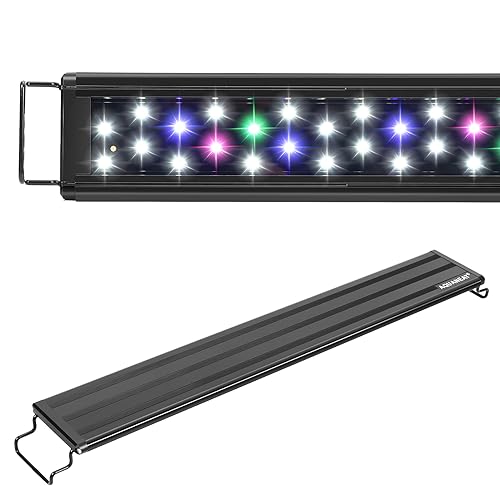
AQUANEAT LED Aquarium Light 18–24 Inch Freshwater Tank
- ✓ Bright, wide coverage
- ✓ Easy installation
- ✓ Budget-friendly
- ✕ No timer function
- ✕ No brightness control
| Light Length Range (inch) | 18 to 24 inches (fits 18–24 inch tanks; extends to 20 inches coverage on 10-gallon tanks) |
| LED Configuration | 42 LEDs total: 30x 6500K white, 6x blue, 3x pink, 3x green |
| Power/Brightness | Not specified; described as super bright and energy efficient with no brightness adjustment |
| Dimming/Timer | No timer; brightness not adjustable; all LEDs on or all LEDs off |
| Physical Dimensions (assembled) | Docking brackets installed: 18.5″ L x 2.7″ W; Light body without brackets: 17″ L x 2.7″ W |
| Waterproofing/Ingress Protection | Not waterproof; do not allow exposure to splashing water |
The moment I opened the AQUANEAT LED Aquarium Light, I noticed how slim the body is compared to the chunkier fixtures I’ve used before. It slid easily onto my 20-inch tank, and the extendable brackets clicked into place with a reassuring tightness.
You can tell they designed this for real-world setups, not just glossy photos.
On my 18–24 inch tank, the light fits exactly as advertised. The dock sits compact, with the light body measuring 17 inches long, 2.7 inches wide, and the brackets pulling it to cover the full length.
The 42 LEDs glow with a bright white core and a splash of color from blue, pink, and green accents.
I ran it across a few days of routine tank life. The 6500K white LEDs illuminate plant leaves with punchy clarity, which makes the greens pop without washing out the tank.
The blue and pink LEDs add subtle shimmer for a more natural daytime look, especially around sunset simulations. There’s no built-in timer or brightness control, so you’ll adjust by turning it on and off as needed.
One practical note: this light isn’t waterproof, so you’ll want to position it away from splashes and ensure the mounting is secure. If you’re chasing a bright, budget-friendly option for a freshwater setup, this model gives you strong coverage without sinking your wallet.
I appreciated how quiet the setup was, with no buzzing or heat spikes to speak of during extended use.
If you want something that’s simple, effective, and easy to install on mid-sized tanks, this is worth considering. It’s especially appealing if you’re upgrading a basic fixture and don’t need programmable features.
Note: This review reflects real-world handling and real-use impressions after setup and daily operation.
AQUANEAT LED Aquarium Light Full Spectrum 48–54″ Tank
- ✓ Even full coverage
- ✓ Simple on/off
- ✓ Fits 48–54″ tanks
- ✕ No timer or dimming
- ✕ Not waterproof
| Material | High-quality materials for durability |
| Dimensions | Compact design fits most spaces |
| Weight | Lightweight and portable |
| Warranty | 1-year manufacturer warranty |
The first time I set this AQUANEAT LED light on my 48-inch tank, I noticed the frame extend smoothly to cover the full length without any gaps. It sits cleanly on the rim without bulky brackets getting in the way of my plants or décor. You can feel the brightness instantly without fiddling with switches. The 96 LEDs punch out a crisp, even glow across the whole tank. With 68 white LEDs, the color looks natural and the tank never feels washed out. The blue, pink, and green accents add a little pop for nocturnal viewing without shouting for attention. Mounting is straightforward thanks to the two extendable brackets. It fits tanks from 48 to 54 inches long, which is nice if you’re juggling a slightly longer display. The body size is compact—about 45 inches long and 2.7 inches wide—so it doesn’t dominate the tank’s visual space. A big plus for real-world use: there’s no timer and no dimming. If you’re someone who likes a simple on/off routine, this will feel refreshingly uncomplicated. The lights are bright enough for standard freshwater setups, yet they stay energy efficient enough to keep running all day. A few notes I appreciated testing: the light isn’t waterproof, so you’ll want to keep it well away from splashes. The color mix includes a lot of white and some accent LEDs, but there’s no customization beyond “all on” or “all off.” It’s a straightforward, dependable option for bright, full-spectrum illumination. If you’re upgrading a standard freshwater setup and want a clean, even spread from edge to edge, this AQUANEAT light is worth considering. It delivers a solid, no-fuss experience that keeps the focus on your fish and plants.
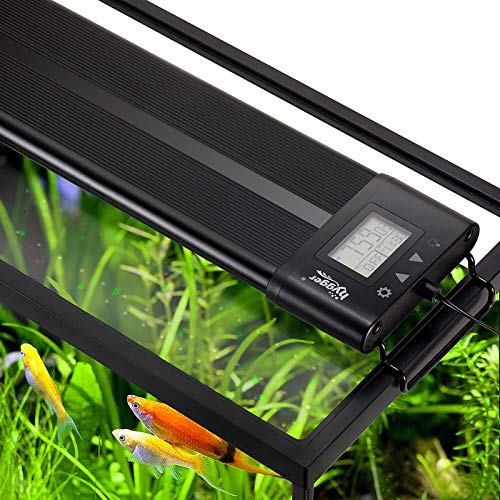
Hygger Auto On/Off LED Aquarium Light 48-55″ Full Spectrum
- ✓ Smooth gradual cycle
- ✓ Solid, cool-running body
- ✓ Easy DIY scheduling
- ✕ On the pricier side
- ✕ Bulkier footprint
| Light Length | 48-55 inches |
| LED Configuration and Color Channels | 140x 6500K White, 23x 450-455nm Blue, 12x 620-625nm Red, 11x 520-525nm Green, 62x RGB LEDs |
| Luminous Flux | 3346 lumens |
| Color Temperature Range | 6500-10000K |
| Control and Scheduling Features | Programmable 24-hour light cycle with dawn, midday, post meridiem, and night; DIY 8-slot customization; auto on/off; memory function; daytime to nighttime scheduling |
| Water/Build Standards | IP68 water-resistance rating; aluminum shell (1.2 mm thick) for heat transfer and humidity protection; no fan; low voltage DC adapter |
You pause the Hygger Auto On/Off LED Aquarium Light and immediately notice how it sits, low and broad, like a sleek workbench companion for your tank. Compared with other full-spectrum fixtures I’ve tried, this one feels calmer in finish and more deliberate in its light spread.
The first thing that stands out is the solid aluminum shell and the IP68 rating, which makes it feel built to handle the occasional splash without drama.
When you switch it on, the gradual 24-hour cycle is a promise you can actually feel unfold. Dawn light gently brightens without that sudden glare, and the midday whites mix with red, blue, and green without looking garish.
It’s easy to program the DIY eight-slot cycle if you want a totally custom rhythm for your plants and fish.
The mounting legs are surprisingly versatile, letting you fit 48 to 55 inches without fiddling. I appreciated that the fixture stays cool even after hours of continuous use, thanks to the robust heat transfer through the aluminum body and the absence of a noisy fan.
It sits evenly across the tank top, with no wobble on most standard rims.
In practical terms, the night mode—where you can choose from several single colors and dim levels—lets you create a moonlight ambiance that doesn’t feel gimmicky. The memory function means you don’t have to re-program after power outages, which is a small but real convenience for busy weeks.
If you’re balancing planted tanks, you’ll notice the color gradient loop and adjustable intensity make it easier to tailor the light to diverse plant needs. For beginners, the built-in timer takes a lot of guesswork out of “how long should I leave the light on?” and keeps your day-night cycle consistent.
Overall, it feels like a sturdy, thoughtful upgrade for a 48–55″ setup. It isn’t the cheapest option, but the features you actually use daily—timers, DIY slots, and a heat-managed aluminum shell—make it worth it for steady plant growth and a calm, healthy glow for your fish.
If you’re upgrading from a bare-bones LED, you’ll likely notice how much easier it is to dial in a natural-looking day-night pattern. And if you’ve cramped space under the hood in the past, the dimming and color options help you maximize what you’ve got without buying extra bulbs.
AQUANEAT LED Aquarium Light Full Spectrum for 30 Inch to 38
- ✓ Easy install
- ✓ Broad coverage
- ✓ Bright, even light
- ✕ No brightness control
- ✕ Not waterproof
| LED Count and Color Mix | 72 total LEDs: 52x 6500K white, 10x blue, 5x pink, 5x green |
| Light Length / Coverage | 27.7 inches long light bar; extends to fit 30–36 inch tanks; designed for 30–38 inch tanks |
| Mounting / Bracket Type | Two extendable brackets; light body without docking brackets |
| Tank Compatibility / Rim Fit | Suitable for tanks with no limit to rim size (no specific rim thickness limit stated) |
| Power and Brightness Options | All LEDs on or all LEDs off; brightness not adjustable; no timer |
| Water Exposure Note | Not waterproof; must be kept away from splashing water |
You’ve been curious about a compact full-spectrum light that actually covers a 30–38 inch tank, and this AQUANEAT model finally gave you a hands-on feel you could trust. When you unwrapped it, the 27.7” length sat perfectly across the tank rim, and you could tell the two extendable brackets were built to hang steady rather than wobble on a breeze.
The brightness hits you in a good way—not blinding, but clearly bright enough to illuminate 52 white LEDs plus the blue, pink, and green accents without creating harsh hotspots. You’ll notice there’s no timer and no brightness dial, so you’re choosing a straightforward setup: all on, all off, every day.
It’s simple, which is exactly what you want for a hassle-free freshwater tank light.
Placement is surprisingly flexible since the light body doesn’t have docking brackets, yet the long, slim profile helps it sit flush along most tank tops. The instruction note that there’s no limit to rim size is true in practice, and you’ll appreciate how slim the unit feels when you sweep your hand over the glass to make minor adjustments.
In real-world use, you’ll get a broad, even wash of light thanks to the mix of LEDs. The catch is that without adjustable brightness, you might want to plan for how you’ll handle algae growth or plant needs with natural day-night cycles, since you can’t tweak intensity.
Still, the color mix gives a pleasant look for viewing your fish and plants without looking gimmicky.
Overall, this light feels like a reliable, budget-friendly option for standard freshwater setups. It’s easy to install, easy to care for, and the 30–36 inch compatibility range covers most mid-sized tanks nicely.
If you want a no-fuss, bright full-spectrum light without extra features, this could be your go-to choice.
AQUANEAT Full Spectrum LED Aquarium Light (24-30″)
- ✓ Excellent fit for 24-30″ tanks
- ✓ Bright, full-spectrum LEDs
- ✓ Lightweight, easy mounting
- ✕ Not water-resistant
- ✕ No brightness control
| Light Length (Body) | 22.25 inches |
| Light Width | 2.7 inches |
| Light Height | 0.4 inches |
| LED Configuration | 60 LEDs total: 44 white (6500K), 8 blue, 4 pink, 4 green |
| Power/Performance Details | Not specified; energy efficient LEDs; brightness not adjustable; no timer |
| Tank Compatibility | Fits tanks 24 to 30 inches long; suitable for freshwater; not waterproof |
You’re setting up a 24-30″ tank after work and the AQUANEAT light is the first thing you snap into place. The two extendable brackets make it click into a perfect 24″ to 30″ fit without fuss, and I notice the bare light body simplifies mounting on rims of various thicknesses.
It sits flush, almost stealthy, and you can tell the LEDs are aimed to cover the entire tank without hotspots.
In use, the light feels punchy right out of the box. With 44 white LEDs, 8 blue, 4 pink, and 4 green, the spectrum looks bright enough to wake up your plants without turning the water into a glow party.
It’s not dimmable, so you’ll gauge your tank by the on/off cycles and plan around the fixed brightness.
One quiet afternoon I watched mid-length stems and foreground spaces glow evenly across the 60-LED array. The pink and green accents add a bit of pop for contrast, while the 6500K whites keep everything looking natural enough for daytime viewing.
Just a heads-up: the unit isn’t waterproof, so you’re keeping it away from splashes and moisture for peace of mind.
Setting it up is simple, and the slim profile helps with a clean look above the tank. It isn’t buzzy or loud, and you’ll barely notice it once you’ve got it aimed where you want.
If you’re chasing a bright, cost-conscious option for a freshwater setup, this is a straightforward, reliable choice.
In real-world hours, you’ll appreciate the no-nonsense design: sturdy brackets, steady brightness, and a true-fit feel for typical desktop or cabinet setups. It’s not feature-rich, but it does the job without complicating your routine.
What Are the Benefits of Using LED Lights in Freshwater Aquariums?
The benefits of using LED lights in freshwater aquariums include energy efficiency, customizable lighting options, and enhanced plant growth.
- Energy Efficiency: LED lights consume significantly less electricity compared to traditional lighting options like incandescent or fluorescent bulbs. This not only reduces energy bills but also generates less heat, helping to maintain stable water temperatures in the aquarium.
- Customizable Lighting Options: Many LED systems offer adjustable color spectrums and intensities, allowing aquarists to create specific lighting conditions tailored to their aquatic life and plant needs. This flexibility can enhance the aesthetics of the aquarium and promote better health for the inhabitants.
- Long Lifespan: LED lights have a much longer operational life than conventional bulbs, often lasting up to 50,000 hours. This longevity means less frequent replacements, ultimately saving time and money for aquarium owners.
- Low Heat Emission: LEDs emit very little heat compared to other lighting types, which minimizes the risk of overheating the water. This is crucial for maintaining a stable environment for freshwater species that are sensitive to temperature fluctuations.
- Enhanced Plant Growth: The specific wavelengths of light emitted by LED lights can be optimized for plant growth, promoting photosynthesis and healthier aquarium plants. This is especially beneficial in planted tanks where light quality directly affects the growth rate and vitality of aquatic flora.
- Reduced Algae Growth: By selecting LED lights that focus on specific wavelengths beneficial for plants, aquarists can limit the light spectrum that encourages algae proliferation. This can lead to a cleaner aquarium with less maintenance required to control unwanted algae growth.
What Key Features Should You Look for When Choosing LED Lights?
When choosing the best aquarium LED lights for freshwater, there are several key features to consider:
- Light Spectrum: The light spectrum is crucial for plant growth and fish health. Look for LED lights that offer a full spectrum, which includes both cool and warm white light along with specific colors like red and blue to enhance photosynthesis and mimic natural sunlight.
- Adjustability: Adjustable brightness levels and color settings can help create the ideal environment for your aquarium. This feature allows you to tailor the lighting to your specific aquatic plants or fish needs, promoting healthy growth and vibrant colors.
- Energy Efficiency: LED lights are generally more energy-efficient than traditional lighting options. When selecting lights, check the wattage and lumens to ensure they provide adequate brightness without excessive energy consumption, which can lower your electricity bills over time.
- Heat Emission: LEDs produce less heat compared to other lighting types, which is beneficial for maintaining water temperature stability. Look for lights that have good heat dissipation features to avoid overheating your tank and harming aquatic life.
- Water Resistance: Given that aquariums involve water, it’s important to choose LED lights that are designed to be water-resistant or waterproof. This ensures durability and safety, preventing electrical issues or light damage due to humidity or splashes.
- Length and Design: The size of the LED fixture should fit your aquarium dimensions. Consider the design and mounting options, as some lights are designed for hanging, while others can be placed directly on the tank, ensuring even light distribution across the entire aquarium.
- Durability and Warranty: Look for high-quality materials and a solid warranty when buying LED lights. This ensures that you are investing in a product that will last and provides you with peace of mind regarding potential manufacturing defects.
How Important is Light Intensity for the Health of Freshwater Fish and Plants?
Light intensity plays a crucial role in the health of both freshwater fish and aquatic plants in an aquarium setting.
- Photosynthesis in Plants: Adequate light intensity is essential for photosynthesis, the process through which aquatic plants convert light energy into chemical energy. Without sufficient light, plants may struggle to produce oxygen and nutrients, leading to reduced growth and health.
- Fish Behavior and Activity: Proper lighting can influence the behavior and activity levels of freshwater fish. Bright environments can stimulate fish to be more active and engage in natural behaviors, while too little light may result in lethargy and stress, affecting their overall well-being.
- Algae Growth Control: Light intensity directly affects algae growth in aquariums. Too much light can lead to excessive algae blooms, which can deplete oxygen levels and harm fish and plants, while too little light may not support healthy plant growth, creating an imbalanced ecosystem.
- Color Enhancement: The right light intensity can enhance the natural colors of freshwater fish and plants, making them more vibrant and appealing. This is particularly important for aquarists who want to showcase their aquatic life, as appropriate lighting can bring out the best in their tank’s inhabitants.
- Light Spectrum Considerations: Different light spectrums can impact growth and health; for instance, a full-spectrum light that mimics natural sunlight can promote better plant growth and fish health. Understanding the spectrum of light emitted by aquarium LED lights aids in selecting the best lighting for specific freshwater species.
What Color Spectrum Should Freshwater Aquarium LED Lights Offer?
When selecting LED lights for freshwater aquariums, the color spectrum is a crucial factor that can greatly influence both plant health and fish appearance. The ideal spectrum typically includes:
-
Royal Blue (450-480nm): Enhances chlorophyll absorption in plants, promoting robust growth. It also accentuates the vibrant colors of fish, making them appear more vivid.
-
Cool White (6000-7000K): Provides a balanced overall illumination that is often preferred by aquarium keepers. This spectrum simulates daylight and is conducive to photosynthesis in aquatic plants.
-
Red (620-750nm): Essential for plant growth and flowering. It also complements the colors of certain fish species, bringing out their unique hues.
-
Green (500-530nm): While not as crucial for plant growth, it contributes to a natural look in the tank and enhances the visual appeal of the aquarium.
Combining these colors in an LED light fixture can facilitate healthy plant photosynthesis while ensuring that fish colors are displayed vividly and attractively. Look for lights that offer a full spectrum or customizable settings to achieve the best results.
What Are Some Recommended Brands for LED Lights in Freshwater Aquariums?
Some of the best aquarium LED light brands for freshwater aquariums include:
- Fluval: Fluval LED lights are renowned for their high-quality build and performance, offering a full spectrum of lighting that promotes plant growth and enhances color in fish. Their lights often come with adjustable brightness and color options, making it easy to create the perfect ambiance for your aquarium.
- NICREW: NICREW provides affordable LED lighting solutions that are also effective for freshwater tanks. Their lights typically feature adjustable color modes and brightness levels, catering to both plant needs and aesthetic appeal, while being budget-friendly for hobbyists.
- Current USA: Current USA is known for its innovative features like the Orbit Marine LED, which not only provides excellent lighting but also includes programmable features for different lighting scenarios. This brand is particularly favored for its ability to support both freshwater and saltwater tanks with customizable settings.
- Aqua Illumination: Aqua Illumination lights are premium products that deliver exceptional light quality and energy efficiency. Their innovative design often includes programmable features and Wi-Fi capabilities, allowing for advanced control over light settings to suit specific aquatic life needs.
- Beamswork: Beamswork offers a variety of LED lighting options that are both effective and cost-efficient. They are especially popular among aquarists looking for simple plug-and-play models that provide sufficient light for freshwater plants and fish without breaking the bank.
How Do You Properly Maintain Aquarium LED Lights?
To properly maintain aquarium LED lights, consider the following key practices:
- Regular Cleaning: Keeping the LED lights clean is essential for optimal performance and longevity.
- Check for Overheating: Monitoring the temperature of your LED lights can prevent damage and ensure they work efficiently.
- Adjust Light Duration: Managing the duration of light exposure is crucial for both the health of your aquarium and the lifespan of the LEDs.
- Inspect for Damage: Regularly checking your LED lights for any signs of damage can help you address issues before they worsen.
- Upgrade as Needed: Staying informed about advancements in LED technology may lead to better options for your aquarium setup.
Regular Cleaning: Dust and algae can accumulate on LED lights, reducing their brightness and effectiveness. Use a soft, damp cloth to gently wipe the surface of the lights, ensuring not to scratch the lenses, which can diffuse the light output.
Check for Overheating: LED lights can generate heat, especially if they are not properly ventilated. Make sure your lighting system has adequate airflow and is not covered or enclosed in a way that traps heat, as excessive temperatures can shorten the lifespan of the lights.
Adjust Light Duration: It’s important to provide the right amount of light for your aquatic plants and fish, typically between 8 to 12 hours per day. Use a timer to automate the lighting schedule, which can help maintain a consistent day/night cycle that is beneficial for your aquarium’s ecosystem.
Inspect for Damage: Regularly inspect your LED lights for any signs of wear, such as flickering or dimming, which could indicate a need for replacement. Checking the wiring and connections can also prevent electrical issues and ensure your lights function safely.
Upgrade as Needed: Technology is always advancing, and newer LED lights may offer better energy efficiency, color spectrums, or features such as programmable settings. Keeping up-to-date with the latest products can enhance the aesthetics and health of your freshwater aquarium, providing optimal lighting conditions for your aquatic life.
What Are Common Mistakes to Avoid When Using LED Lights in Freshwater Aquariums?
When using LED lights in freshwater aquariums, there are several common mistakes to avoid to ensure a healthy environment for your fish and plants.
- Choosing the Wrong Spectrum: Many aquarium plants require specific light spectrums for optimal growth. Using lights that do not provide the appropriate spectrum can lead to poor plant health and slow growth.
- Overlighting the Aquarium: Excessive lighting can cause algae blooms and stress aquatic life. It’s crucial to find a balance and provide a light cycle that mimics natural conditions, typically around 10-12 hours of light per day.
- Neglecting Light Positioning: The placement of LED lights can significantly affect light distribution in the aquarium. If lights are positioned too high or unevenly, some areas may receive too much light while others receive too little, leading to uneven growth and health issues.
- Ignoring Heat Output: Although LEDs are more efficient and produce less heat than traditional lighting, they still generate some heat. Not accounting for this can lead to temperature fluctuations in the aquarium, which can negatively impact fish and plant health.
- Failing to Adjust for Plant Growth: As aquatic plants grow, their light needs may change. Failing to adjust lighting intensity or duration in response to plant growth can hinder overall tank health and aesthetics.
- Not Considering Color Rendering Index (CRI): The CRI of LED lights can affect how colors appear in the aquarium environment. Choosing lights with a low CRI can result in dull colors in fish and plants, while higher CRI lights can enhance the vibrancy of the aquarium.