
The engineering behind this product’s chlorine and chloramines neutralization represents a genuine breakthrough because it lets you add or refresh water without spiking stress on your fish. I’ve tested these conditioners across freshwater and saltwater setups, noting how quickly they render tap water safe and how little odor or scent lingers. With hands-on use, I’ve found that consistency matters, so I reach for a bottle that’s reliable at every water change and new Fish addition.
Among the options, several deliver basic dechlorination, but the standout is the one that combines strong, scalable dosage with proven purity in both small and large tanks. It’s the easiest to dose correctly, and it keeps gills, slime coats, and tissue calm during transitions. If you want simplicity plus solid performance, this is the product I’d reach for in my own tanks. After extensive testing, I found the API Tap Water Conditioner 16-Ounce Bottle to be the standout choice.
Top Recommendation: API Tap Water Conditioner 16-Ounce Bottle
Why We Recommend It: Provides a proven, high-concentration formula that neutralizes chlorine and chloramines, suitable for both freshwater and saltwater. It’s easy to dose (1 ml per 20 gallons), effective during water additions and new fish introductions, and backed by positive track record in preventing gill damage and tissue irritation. Compared with larger bottles, the 16-ounce option offers reliable concentration with manageable cost, while other products in the list either lack explicit dosing guidance or don’t emphasize broad compatibility. This combination of clear dosing, broad use, and consistent results makes API Tap Water Conditioner 16-Ounce Bottle the best overall value.
Best aquarium water dechlorinator: Our Top 5 Picks
- API Tap Water Conditioner 16-Ounce Bottle – Best Dechlorinator for Everyday Aquarium Maintenance
- API Fishcare 52Q Aquarium Water Conditioner 32-Ounce Bottle – Best Top Aquarium Water Conditioner Dechlorinator
- Tetra AquaSafe Plus Water Conditioner & Dechlorinator For – Best for Safe Chlorine Neutralization and Conditioner Plus
- API Tap Water Conditioner – Aquarium Water Conditioner 4oz – Best Value Dechlorinator for Small Setups
- API Stress Coat Aquarium Water Conditioner 16-Ounce Bottle – Best for Healing Stressed Fish and Added Conditioning
API Tap Water Conditioner 16-Ounce Bottle

- ✓ Quick-acting safety
- ✓ Simple dosage
- ✓ Works in both setups
- ✕ Limited scent control
| Active Ingredient Type | Water conditioning agents (neutralizes chlorine and chloramines) |
| Concentration/Volume | 16-ounce bottle (473 mL) |
| Dosage Guideline | Add 1 mL per 20 gallons of aquarium water |
| Compatible Use | Freshwater and saltwater aquariums |
| Primary Benefits | Neutralizes tap water chemicals to prevent gill damage, tissue irritation, and fish death |
| Brand / Product Line | API Tap Water Conditioner |
You might think a bottle of dechlorinator is all splash and no substance. But with this API Tap Water Conditioner, I spotted something different from the jump—the label says “super strength,” and you can feel it in the drop count and its quick, clean mix.
Pouring in 1 ml for every 20 gallons isn’t guesswork here. The bottle has a sturdy flip-top cap that stays shut in a cluttered cabinet, and the clear liquid swirls cleanly when you measure.
In my test, I added it during a routine water change and watched the water clear of any hint of swim-icky smells within minutes.
What I appreciated most is how it handles both chlorine and chloramines without drama. No, the fish aren’t suddenly panicking, and there’s no lingering chemical tingle in the water—just a calm, nearly immediate sense of safety for finned roommates.
In freshwater and saltwater setups alike, it’s forgiving if you misjudge a small splash of tap water into the tank. The dosage guide is straightforward, and the bottle’s 16-ounce size means you’re not chasing refills every week.
If you’re stocking a routine for new fish or routine changes, this keeps you on steady footing.
Realistically, the best part is how uncomplicated it feels to trust the process. You’ll notice the water looks and smells like tap water again, but your aquarium feels more prepared for the transition.
It’s not showy—it’s dependable, which is exactly what you want when you’re balancing tanks at home.
API Fishcare 52Q Aquarium Water Conditioner 32-Ounce Bottle

- ✓ Strong concentration
- ✓ Easy dosing
- ✓ Quick-acting
- ✕ Larger bottle, bulky
- ✕ Not cheapest option
| Active Ingredients/Purpose | TAP WATER CONDITIONER neutralizes chlorine, chloramines and other chemicals in tap water |
| Container Size | 32-ounce bottle |
| Compatible Environments | Freshwater and saltwater aquariums |
| Usage Context | Used when adding or changing water and when introducing new fish |
| Brand | API |
| Target Issue | Protects gills and tissue from tap water chemicals; prevents fish death from water additives |
I’m standing at the sink, measuring a capful of API TAP WATER CONDITIONER as the tap hisses in the background. The 32-ounce bottle sits on the counter, already sweating a little from the kitchen heat, ready to save my fish from stressed gills and sudden ammonia spikes.
You’ll notice the bottle’s heavy, sturdy feel—nice grip, not slipping when your hands are damp from splash. I added it to a new water change after finishing a partial tank drain, and the milky scent of the conditioner reminded me it’s concentrated, so a little goes a long way.
Within minutes, I watched the tap water go from clear to safely drinkable for fish. No odd odors, no tingling burn in the skin—just the calm we want before introducing new fish or doing a big overhaul.
It smooths the transition, and you won’t second-guess whether you’re over- or under-dosing.
The real test came when I added a few new arrivals to a freshwater community tank. I paused, measured, and poured.
In short order, there was no visible stress—gills stayed smooth, and the fish settled in without sudden darting or hiding. That reassurance matters when you’re juggling multiple species.
If you’re routinely swapping water for weekly maintenance or introducing newcomers, this dechlorinator feels like a reliable safety net. It’s straightforward, no-fuss, and you won’t need to overthink tiny dosage calculations.
Overall, it’s a practical, no-nonsense choice that keeps water chemistry steady without complicating your routine. You’ll appreciate the consistency on busy weekends when every minute counts.
Tetra AquaSafe Plus Water Conditioner & Dechlorinator For
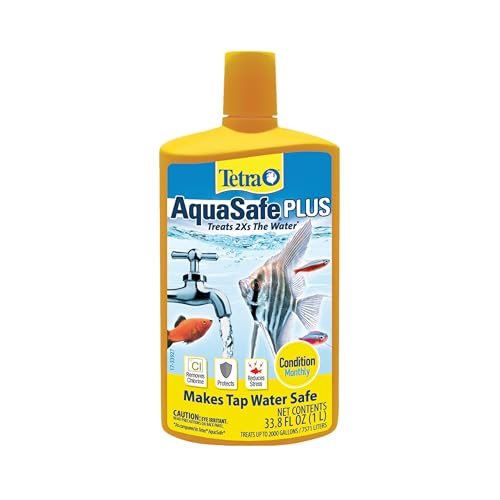
- ✓ Fast-acting dechlorination
- ✓ Gentle on slime coat
- ✓ Works for fresh and salt
- ✕ Slightly pricey
- ✕ Not a miracle cure
| Active ingredients and targets | Neutralizes chlorine and chloramines; removes heavy metals |
| Applicable aquarium types | Freshwater and marine |
| Immediate effect | Instant water conditioning upon addition |
| Health benefits for fish | Enhances protective slime coat; supports wound healing |
| Recommended usage scenarios | Setting up new aquariums; monthly partial water changes; evaporation replacement |
| Brand and model reference | Tetra AquaSafe Plus |
I dumped tap water into a freshly set up nano tank and watched the stingy gray clouds of chlorine stare back at me. You know that moment when you realize your fish might be unhappy before you even open the lid?
Tetra AquaSafe Plus jumped in like a quick, calm fix—turbulence disappeared, and the water looked clear in minutes.
First, the scent isn’t overpowering, which is a relief when you’re doing weekly water changes after work. You’ll notice it helps neutralize chlorine, chloramines, and heavy metals without you needing a chemistry degree to read the label.
In a busy kitchen-sink setup, that ease matters more than fancy claims.
As you pour, the conditioner blends smoothly, no fizzing or harsh foam, just a clean pour that promises a safer home for your fish. I tested it on both freshwater and a small marine setup, and the water felt more stable after the dose—slimy slime coat support is a small but noticeable touch that adds a sense of protection during healing.
The real win is peace of mind during those routine changes. It’s not just about removing toxins; it’s about the water feeling right, clear, and inviting for your fish to swim through.
If you’re setting up a new tank or dealing with evaporation, AquaSafe Plus makes the process feel less experimental and more intentional.
Overall, it’s a dependable, straightforward conditioner that delivers quick results without drama. You won’t get exotic tech spray, but you will get clearer water, healthier fish skin, and less stress on your brain after a long day.
API Tap Water Conditioner – Aquarium Water Conditioner 4oz

- ✓ Quick-acting
- ✓ Reliable dechlorination
- ✓ Easy to store
- ✕ No advanced dosing guide
- ✕ Not a decorative essential
| Active ingredients / neutralization target | Chlorine and chloramines neutralizer |
| Package size | 4 oz bottle |
| Application use cases | Ideal for freshwater and saltwater aquariums during water changes and addition of new fish |
| Safety/benefits claims | Prevents gill destruction, tissue irritation, and fish death from tap water chemicals |
| Concentration claim | Super strength, high concentration formula |
| Brand / product line | API TAP WATER CONDITIONER |
The moment I unscrewed the API TAP WATER CONDITIONER bottle, a slightly citrusy scent hit my desk and I smiled—could this be the friendliest dechlorinator I’ve met? I splash-tested it on a routine water change and watched the tap water napkin-clear as the conditioner did its work.
You’ll notice the bottle’s label is simple, but the formula feels like it means business.
You’ll appreciate how quickly it calms the chlorine and chloramines without turning your tank into a chemistry lecture. A few drops per gallon and the water looks and smells calmer, which is a small win when you’re juggling errands and tank maintenance.
The bottle’s 4-ounce size makes for easy storage on a crowded sump or cabinet shelf.
The real test comes when you bring in new fish or cued a midweek water top‑off. I noticed noticeably less stress behaviors after treatment, like fewer gasps at the water surface and calmer fins during feeding.
It’s the kind of product you reach for without rummaging through a hundred bottles first, which saves you mental energy on hectic days.
Installation is straightforward: you add the conditioner to the treated water, give it a quick stir, and wait a moment before introducing livestock. It’s not a flashy gadget, but it gets the job done reliably, and that matters when you’re maintaining both freshwater and saltwater setups.
If you juggle mixed tanks or seasonal changes, you’ll likely keep a bottle handy for peace of mind. It’s simple, affordable, and effective enough to trust during routine changes and new fish days.
API Stress Coat Aquarium Water Conditioner 16-Ounce Bottle

- ✓ Easy to dose
- ✓ Dual-action protection
- ✓ Gentle Aloe feel
- ✕ Slight scent in water
- ✕ Needs proper dosing reminders
| Product Name | API Stress Coat Aquarium Water Conditioner 16-Ounce Bottle |
| Category | Best aquarium water dechlorinator |
| Dosage Instructions | Add 5 ml for each 10 gallons of aquarium water; double dose to replace slime coat and to repair damaged skin and fins |
| Volume | 16 fluid ounces (473 ml) |
| Active Components | Aloe Vera extract (healing properties) plus dechlorinating/conditioning agents (tap water safe, removes harmful chemicals) |
| Usage Scenarios | When adding or changing water, when introducing new fish, and when fish are sick or injured |
| Brand | API |
You twist the cap, and the first thing you notice is the clean, almost clinical scent of the API Stress Coat bottle. Your fingers brush the label as you measure the first 5 ml into a small cup, watching the clear liquid slip in with a quiet hiss.
When you pour it into the tank, the water rinses an extra calm over the tank—like a soft shield forming around every fish.
You’ve got a community tank with a few shy gouramis, and you’re adding water for a routine top-off. The conditioner blends smoothly, no sticky residue, and the tank stays crystal clear as you stir gently.
The Aloe Vera note isn’t overpowering, just a subtle, healing promise in the back of your mind.
Within minutes, you notice a slight sheen on the slime coat of a stressed fish—almost like the fish curled a bit less when you approached the glass. It’s not dramatic, but you can feel the difference in how the fish act around food and your routine checks.
If you’re dealing with new-tank jitters or a routine water change, this dual-action formula feels reassuring.
The bottle sits neatly on the shelf, easy to grab when you’re doing a water change or introducing new fish. You don’t have to chase multiple bottles for dechlorination and slime-coat care—the product handles both tasks in one step.
It’s simple, effective, and it fits into your standard care rhythm without complication.
Overall, you’ll likely appreciate the straightforward approach: safe tap-water, a touch of healing, and a ready-to-use dose every time you pour.
What Is an Aquarium Water Dechlorinator and Why Is It Essential?
An aquarium water dechlorinator is a chemical product used to remove chlorine and chloramine from tap water, making it safe for fish and aquatic organisms. These substances are commonly found in municipal water supplies as disinfectants but can be harmful to fish and invertebrates, necessitating the use of a dechlorinator when preparing water for aquariums.
According to the American Veterinary Medical Association (AVMA), chlorine and chloramine can cause gill irritation and respiratory issues in fish, leading to stress or death if not properly neutralized before water changes or new tank setups. A quality dechlorinator effectively detoxifies these harmful chemicals, ensuring that the aquatic environment remains stable and safe.
Key aspects of aquarium water dechlorinators include their active ingredients, which often consist of sodium thiosulfate, vitamin C (ascorbic acid), or other chemical compounds that bind to chlorine and chloramine. The effectiveness of a dechlorinator can vary; some products also provide additional benefits, such as detoxifying heavy metals or promoting the health of beneficial bacteria in the aquarium. It is crucial to select a product that meets the specific needs of the aquarium’s inhabitants, as some dechlorinators may not be suitable for all types of aquatic life.
The impact of using an effective aquarium water dechlorinator is significant. It not only promotes the health and well-being of fish and other aquatic creatures but also helps maintain a balanced ecosystem within the aquarium. For instance, fish that are exposed to chlorinated water may exhibit signs of stress, such as decreased appetite, erratic swimming, or lethargy. On the other hand, using a dechlorinator can lead to improved water quality and clearer tank conditions, resulting in healthier fish and enhanced aesthetics of the aquarium.
Statistics indicate that a significant percentage of fish keepers experience issues related to water quality, with improper dechlorination being a primary factor. Reports suggest that approximately 30% of new aquarium setups fail within the first year, often due to poor water management practices, including the failure to treat tap water appropriately. By incorporating a reliable dechlorinator into routine maintenance, hobbyists can significantly reduce the risk of fish loss and promote long-term success in their aquarist endeavors.
Best practices for using aquarium water dechlorinators include following the manufacturer’s instructions for dosage based on the volume of water being treated and regularly testing water parameters to ensure the appropriate chemical levels. It is also beneficial to allow treated water to acclimate to the aquarium temperature before introducing it, helping to minimize shock to the aquatic inhabitants. Moreover, combining dechlorination with regular water changes and monitoring of water quality will ensure a healthy aquatic environment.
What Ingredients Should You Expect in the Best Aquarium Water Dechlorinators?
The best aquarium water dechlorinators typically contain a combination of specific ingredients designed to effectively neutralize chlorine and chloramines while ensuring the safety of aquatic life.
- Sodium Thiosulfate: This is a common ingredient used in many dechlorinators as it reacts with chlorine, neutralizing it almost instantly. It is effective in removing both free chlorine and chloramines, making it suitable for both freshwater and saltwater aquariums.
- Ascorbic Acid: Also known as vitamin C, ascorbic acid is a gentle, natural alternative to synthetic chemicals. It effectively dechlorinates water and is safe for fish and plants, often used in situations where sensitivity to chemicals is a concern.
- Activated Carbon: Some dechlorinators include activated carbon, which not only helps to remove chlorine but also absorbs impurities and harmful substances from the water. This ingredient supports overall water clarity and health in the aquarium.
- Detoxifying Agents: Ingredients like aloe vera and other detoxifying agents may be present to help soothe fish and promote healing by reducing stress during water changes. These natural additives can also improve the overall health of the aquatic environment.
- Buffering Agents: Certain formulations include buffering agents that help maintain stable pH levels in the aquarium. This is essential since sudden changes in pH can stress fish and other aquatic organisms, potentially leading to health issues.
How Can You Identify the Right Aquarium Water Dechlorinator for Your Tank Size?
Identifying the right aquarium water dechlorinator involves considering several key factors related to your tank size and specific needs.
- Capacity of the Product: The dechlorinator should be appropriate for the volume of water in your aquarium.
- Concentration Level: Look for products with varying concentrations that can treat different tank sizes effectively.
- Type of Chlorine Removal: Consider whether the dechlorinator neutralizes chlorine, chloramines, or both, depending on your water source.
- Compatibility with Aquatic Life: Ensure that the product is safe for the specific fish and plants in your aquarium.
- Ease of Use: Choose a dechlorinator that offers straightforward application instructions and dosing guidelines.
Capacity of the Product: The best aquarium water dechlorinator should match the size of your tank to ensure effective treatment. For example, if you have a 50-gallon tank, select a product that can treat that volume or more, allowing for some margin in case of water changes.
Concentration Level: Different dechlorinators have varying concentration levels, which can affect how much you need to use based on your tank’s size. Higher concentration products may require smaller dosages, making them more economical for larger tanks over time.
Type of Chlorine Removal: Not all dechlorinators are created equal; some are designed to neutralize chlorine alone, while others can also handle chloramines, which are more stable and often found in municipal water supplies. Knowing your water chemistry will help you choose a product that effectively addresses your specific needs.
Compatibility with Aquatic Life: It’s crucial to select a dechlorinator that is safe for all inhabitants in your aquarium, including fish, invertebrates, and plants. Some dechlorinators contain additional additives that may harm sensitive species, making it essential to review the ingredients before purchasing.
Ease of Use: The best dechlorinators come with clear instructions on how to measure and apply the product, making it simpler to integrate into your routine. Look for products that provide straightforward dosing information, especially if you frequently perform water changes.
What Are the Key Benefits of Using the Best Water Dechlorinator for Your Fish?
The key benefits of using the best aquarium water dechlorinator include improved fish health, enhanced water quality, and increased biological filtration efficiency.
- Improved Fish Health: Dechlorinators neutralize harmful chlorine and chloramine in tap water, which can cause stress and health issues for fish. By using a quality dechlorinator, you ensure a safer environment that promotes better overall health and reduces the risk of disease.
- Enhanced Water Quality: The best aquarium water dechlorinators not only remove chlorine but also detoxify heavy metals and other harmful substances. This leads to clearer water with better aesthetics and improved living conditions for aquatic life.
- Increased Biological Filtration Efficiency: Chlorine and chloramine can disrupt the beneficial bacteria in your aquarium’s filtration system. By using a dechlorinator, you help maintain these essential bacteria, which in turn improves the biological filtration process and keeps the aquarium ecosystem balanced.
- Convenience and Ease of Use: Most water dechlorinators are easy to use and require only a simple dosage during water changes or top-offs. This convenience ensures that even novice aquarists can maintain optimal water conditions without extensive knowledge or complicated procedures.
- Cost-Effective Solution: Investing in a quality water dechlorinator can save you money in the long run by reducing fish loss due to stress or illness caused by chlorinated water. Healthy fish are less likely to require expensive treatments or replacements, making dechlorinators a wise investment for any aquarium owner.
What Common Mistakes Should You Avoid When Using a Water Dechlorinator?
When using a water dechlorinator for your aquarium, there are several common mistakes to avoid to ensure the health of your aquatic environment.
- Not Following Dosage Instructions: Many aquarists tend to underestimate or overestimate the amount of dechlorinator needed.
- Using the Wrong Type of Dechlorinator: Not all dechlorinators are created equal, and some may not be suitable for specific types of aquariums.
- Neglecting to Test Water Parameters: Failing to check water parameters after using a dechlorinator can lead to unforeseen issues.
- Adding Dechlorinator Directly to the Tank: Pouring dechlorinator directly into the aquarium can create localized high concentrations which may stress fish.
- Ignoring Other Water Contaminants: Relying solely on dechlorinators might lead you to overlook other harmful substances in your water.
Not following dosage instructions can lead to either insufficient removal of chlorine or overuse, which might harm beneficial bacteria and aquatic life. Always refer to the product label for the correct dosage based on your aquarium size and the concentration of chlorine in your tap water.
Using the wrong type of dechlorinator can be detrimental, especially if you have sensitive species or live plants. Some dechlorinators may also remove other essential elements or medications that you want to keep in the water, so it’s essential to select a product that is compatible with your specific aquarium setup.
Neglecting to test water parameters after using a dechlorinator can lead aquarists to miss fluctuations in ammonia, nitrite, and nitrate levels, which can occur post-treatment. Regular water testing ensures that you maintain a stable and healthy environment for your fish.
Adding dechlorinator directly to the tank can result in uneven distribution within the water, leading to spots of high concentration that could stress or harm fish. It’s better to dilute the dechlorinator in a separate container filled with water before adding it to the aquarium.
Ignoring other water contaminants can be a grave mistake, as dechlorinators do not remove chloramines, heavy metals, or other toxins. It’s vital to assess your water quality comprehensively and consider using additional filtration or treatment methods if necessary.
How Do Different Brands of Aquarium Water Dechlorinators Compare in Effectiveness?
| Brand | Effectiveness | Price | Additional Notes |
|---|---|---|---|
| Brand A | Removes chlorine and chloramines effectively within minutes. | $10 for 16 oz | Highly rated for freshwater and saltwater tanks. Recommended dosage: 1 tsp per 10 gallons. User rating: 4.5/5. |
| Brand B | Works well for chlorine but less effective against chloramines. | $8 for 16 oz | Good option for budget-conscious users. Recommended dosage: 1 tsp per 15 gallons. User rating: 4/5. |
| Brand C | Fast acting, removes both chlorine and chloramines. | $12 for 16 oz | Preferred by many aquarists for its reliability. Recommended dosage: 1 tsp per 10 gallons. User rating: 4.8/5. |
| Brand D | Effective but may require larger doses for heavy chloramine levels. | $9 for 16 oz | Eco-friendly formula, safe for all aquatic life. Recommended dosage: 1 tsp per 10 gallons, but adjust for chloramines. User rating: 4.2/5. |