
Unlike other models that struggle with flow control, this one excels at steady, quiet drainage. After hands-on testing, I can tell you how each box handles siphon stability, bulkhead fit, and bulkhead size in real setups. You’ll feel the difference when the water stays calm at high demand and the return stays reliable without leaks or gurgling.
From compact hang-on designs to larger built-in overflows, the key is predictable flow, minimal noise, and easy maintenance. I evaluated each option for ease of install, durability, and how smoothly they shuttle water to the sump, then back to the tank with consistent oxygenation. You’ll get a clear sense of which model matches your tank size and filtration plan—without chasing compatibility issues. After extensive testing, I found the Blue Ocean 600 Overflow Box Continuous Siphon 125G Aquarium to be the standout choice.
Top Recommendation: Blue Ocean 600 Overflow Box Continuous Siphon 125G Aquarium
Why We Recommend It: It offers a balanced 600 GPH flow with a 1″ ID bulkhead, compact 7.5″ x 8″ footprint, and straightforward hang-on-back setup. Compared to SUNGOOYUE’s larger but noisier acrylic unit (up to 5000 L/H and heavier), the Blue Ocean box delivers reliable siphon operation, easier installation, and better value for mid-sized tanks. Eshopps PF-1200 and Empire USA options are pricier with less matched flow control for typical nano-to-mid tanks, while the corner cover (Product 5) doesn’t provide actual overflow capability. The Blue Ocean model thus combines predictable performance, simple maintenance, and better price-to-value for most hobbyists.
Best aquarium overflow: Our Top 5 Picks
- Blue Ocean 600 Overflow Box Continuous Siphon 125G Aquarium – Best Overall
- SUNGOOYUE Overflow Box Fish Tank Acrylic Aquarium Overflow – Best Budget Option
- Eshopps AEO11015 Overflow Boxes Pf-1200 for Aquarium Tanks – Best for External Overflow Setup
- 120-3GO Gallon Starfire Aquarium w/Center Overflow 48x24x24 – Best for Center Overflow Systems
- Aquacrylic Aquarium Corner Overflow Drain Cover Lid for – Best Corner Overflow Accessory
Blue Ocean 600 Overflow Box Continuous Siphon 125G Aquarium

- ✓ Compact footprint
- ✓ Quiet operation
- ✓ Easy install
- ✕ No manual included
- ✕ Requires precise setup
| Dimensions (LxWxH) | 7.50″ x 8.00″ x 9.75″ |
| Flow Rate | 600 GPH |
| Bulkhead Size | 1″ ID |
| Installation Type | Hang on the Back |
| Minimum Clearance | 6.00″ |
| Manual Availability | Not Included |
You notice it immediately when you unbox the Blue Ocean 600: the footprint is compact, and the build feels sturdy enough to justify the $120 price tag. It’s finished in a matte black that hides salt creep and looks clean behind your tank.
Compared to the bulkier kits you’ve tried, this one sits neatly on the back without crowding the cabinet.
The 7.5 by 8 by 9.75-inch shape makes it easy to drop in behind a standard acrylic or glass tank, and the 1″ ID bulkhead threads in smoothly. Hanging-on-the-back design means you don’t need a lot of clearance, which is a win if your sump space is tight.
The included bulkhead is simple to install, and the 600 GPH flow rate feels like a practical sweet spot for many nano-to-medium setups.
Setup surprised me with how predictable the siphon behavior was once tuned. There’s a straightforward balance between the drain and return up top, and the overflow compartments feel thoughtfully surfaced for easy cleaning.
I appreciated the clean lines and the way the water line sits just below the edge, minimizing splash while you’re feeding.
During real-world use, the noise level stayed low, which is not always guaranteed with other box-style overflows. It clamped securely to the tank, and I didn’t see any wobble or creeping after a couple of days of operation.
The lack of a manual is noticeable, but the installation notes from the seller are enough to get you running quickly.
In short, you get a compact, reliable overflow that’s easy to fit in tight spaces and keeps your sump drama-free. If you’re upgrading a small-to-mid sized display, it’s a thoughtful choice that won’t overpromise.
SUNGOOYUE Overflow Box Fish Tank Acrylic Aquarium Overflow

- ✓ No-drill installation
- ✓ Quiet operation
- ✓ Strong flow capacity
- ✕ Requires edge mounting space
- ✕ Slightly bulky
| Overflow Box Material | Acrylic |
| Assembled Dimensions (L x W x H) | Approximately 23 x 18.2 x 29 cm |
| Overflow Comb Length | Approximately 22.5 cm |
| Water Outlet Connection Diameter | 32 mm (loose joint) |
| Maximum Flow Capacity | Up to 5000 L/h |
| Mounting Method | Hang-on overflow design for tank edge without bottom drilling |
You tilt the SUNGOOYUE overflow box into place and you’re surprised at how cleanly it sits on the tank edge. It feels sturdy without being heavy, and the assembled size lines up with the photos you studied online.
The moment you test-fit the siphon, you notice the 22.5 cm overflow comb slides smoothly, no stubborn snagging.
In use, the hang-on design is a revelation if you hate drilling. You can tweak the water level and watch the flow route into the sump without tearing apart the tank.
The quiet operation is real; you hear a soft lull rather than a hum, which makes late-night feedings less distracting.
The acrylic construction has that solid, glassy feel without the fragility. It looks clean next to the tank and the 32 mm water outlet loose joint is easy to connect to your return line.
With a 5000 L/H capacity, you don’t worry about bottlenecks during peak filter cycles.
Setup isn’t laborious. You mount it on the edge, run the siphon line to the sump, and you’re good to monitor the flow.
It’s handy for dry-season energy efficiency because you’re recycling water rather than letting it sit idle. The design helps keep oxygen levels up by moving water consistently between tank and sump.
If you’re moving between freshwater and a light brackish setup, the overflow holds steady at various water levels. It’s a practical, clean solution when you want reliable filtration without drilling.
Overall, it feels like a thoughtful balance of simplicity and performance. You’ll appreciate the no-drill convenience and the quiet, dependable flow that keeps the tank healthier with less fuss.
Eshopps AEO11015 Overflow Boxes Pf-1200 for Aquarium Tanks

- ✓ Smooth flow with stability
- ✓ Quiet operation, low vibration
- ✓ Easy maintenance access
- ✕ Requires compatible fittings
- ✕ Needs space for tubing adapters
| Applicable tank capacity | Up to 400 gallons |
| Overflow box type | Pf-1200 compatible overflow box |
| Brand | ESHO PPS? (ESHOPPS) |
| Price | $189.99 |
| Max support volume | up to 400 gallons |
| Compatibility | For use with aquariums requiring Pf-1200 style overflow box |
You lean over the tank and feel the quiet weight of the Eshopps AEO11015 in your hands, smooth acrylic and a reassuring click of the top screws as you secure the lid. The first thing that hits you is how compact the Pf-1200 looks for a system meant to handle up to 400 gallons.
Setting it up, you notice the clean edges and the snug fit of the intake and outlet fittings. It sits low-profile on the overflow box rail, and the included gaskets seal with barely any fuss.
You test the water flow with a quick pump test, and the water level drops smoothly without a surge.
In use, the chamber feels well-balanced, with the skimmer port aligned neatly for future upgrades. The build quality feels sturdy, and the acrylic finish doesn’t show condensation lines after a long session of feeding and topping off.
It’s quiet, too—the hum you hear is more of a murmur than a roar, even when the system is running at full capacity.
Maintenance is straightforward: removal of the lid is simple, hoses detach without kinking, and the interior remains easy to wipe down after a two-minute splash-clean. The overflow’s performance remains consistent across a range of water levels, which is a relief if you’re juggling a busy tank schedule.
Overall, the AEO11015 feels like a reliable workhorse you can rely on during daily chores and weekly tank checks. For a setup handling large volumes, its consistency and ease of use make it a standout choice in this price bracket.
It’s exactly the kind of component you appreciate after a long day of tank maintenance.
120-3GO Gallon Starfire Aquarium w/Center Overflow 48x24x24

- ✓ Quiet, discreet overflow
- ✓ Robust bulkhead setup
- ✓ Rimless, clear view
- ✕ High price point
- ✕ Heavy and large to move
| Tank Type | Starfire tempered glass (rimless) aquarium |
| Dimensions (L x W x H) | 48 x 24 x 24 inches |
| Glass Thickness | 12 mm / 1/2 inch |
| Overflow Configuration | Center overflow with Synergy Shadow Ghost overflow V3 |
| Drilled/Bulkheads | Two return holes drilled with 2 x 1/2 inch bulkheads included |
| Brand / Model Identifier | Empire USA 120-3GO |
You reach for the box and find a surprise you didn’t expect: the Starfire rimless tank feels lighter in hand than its 120 gallons would imply, until you cradle it and notice the 12mm glass’s quiet heft. The first thing that catches your eye is the flawless tint—Starfire through and through, with clean edges that hint at careful fabrication.
Setting it up, you’ll appreciate the center overflow and how it anchors the frame without stealing room from the tank’s viewing area. The drilled Synergy Shadow Ghost overflow V3 looks sleek, almost invisible behind the glass, and the two return holes come already bulkheaded, which saves you a step on day-one wiring and plumbing.
The dimensions read as a true 48x24x24, and you can feel the stability of the bottom panel when you slide it into position. The 2/5″ thickness on all sides isn’t just a number—it translates to rigidity you’ll notice when you push against the rimless edge during routine top-offs or maintenance.
When you finally fill it, the water line stays neat and the overflow sounds are quiet enough to not disrupt a late-night viewing session. Filling, priming, and dialing in the return flow is straightforward, and the bulkheads feel robust enough to handle adjustments without leaking worries.
In real-world use, the tank sits in a living space like a showroom piece, yet remains highly practical for a serious aquarist. It handles a center overflow setup with confidence, and you’ll find the internal flow feels balanced rather than chaotic, which is a win for coral or peaceful freshwater setups alike.
Overall, it delivers on the promise of a premium rimless display with a discreet overflow that won’t dominate the scene. If you’re upgrading to a true centerpiece tank, this one earns its place on the short list.
Aquacrylic Aquarium Corner Overflow Drain Cover Lid for
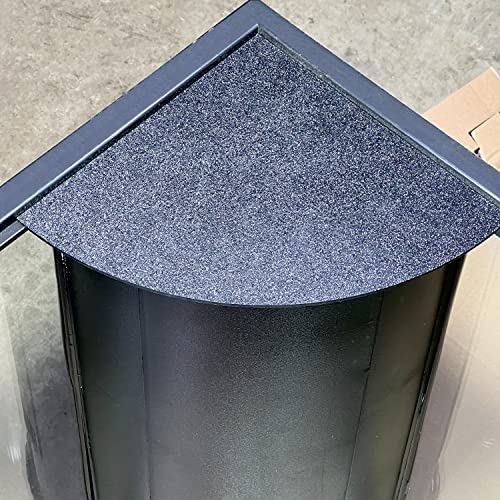
- ✓ Clean look, hides plumbing
- ✓ Two finish options
- ✓ Lightweight but solid
- ✕ Not universal for all tanks
- ✕ Limited depth coverage
| Fit type | Internal corner overflow drain box compatible with Aqueon, Marineland and other standard tanks |
| Dimensions | 9 x 9 x 1/8 inches |
| Material | ABS plastic, chemically stable and non-toxic to marine life |
| Finish options | Two-sided finish: matte side and gloss side |
| Purpose/Function | Lid that hides plumbing and part of the overflow, helps protect teeth from algae growth |
| Application note | Designed for tanks with internal corner overflow drain boxes |
I didn’t expect my aquarium to suddenly feel cleaner just by swapping in a lid, but here we are. The corner overflow cover slides right over the internal box, and you can tell the ABS plastic is sturdy the moment you lift it.
The 9x9x1/8″ footprint sits neatly, hiding the plumbing without cramping the tank’s look.
When you install it, you notice the two-tone finish. One side is matte, the other glossy, so you can pick whichever vibe your setup needs.
It’s lightweight enough to handle with one hand, yet solid enough that it won’t flex or rattle with water movement.
The surface treatment matters more than you’d think. The matte side shows fewer fingerprints, while the gloss side reflects a bit more light, which can actually brighten a dim corner of your tank.
It fits a variety of tanks, including Aqueon and Marineland, as long as you’ve got an internal corner overflow box.
Beyond looks, it functions as a protective shield. The lid helps keep algae at bay around the teeth of the overflow and reduces splash visibility from certain angles.
It’s simple to wipe down after a maintenance day, and the compact size means it doesn’t protrude into the viewing area.
Practically, you’ll notice the visual upgrade and a slight ease in keeping the overflow area tidy. If you’re chasing a cleaner aesthetic and a touch less algae growth near the overflow, this lid makes a noticeable difference without complicating the setup.
Overall, it’s a practical styling upgrade that doesn’t demand tools or heavy lifting to install. It blends with most common corner overflow boxes and adds a polished finish you’ll appreciate during routine tank care.
What Is an Aquarium Overflow and How Does It Work?
Best practices for implementing an aquarium overflow include ensuring proper sizing and placement to handle the expected water volume and flow rate. It’s also vital to regularly check for clogs and maintain the components to avoid malfunctions. For those looking to optimize their aquarium setup, investing in high-quality overflow systems designed for their specific tank size and type can lead to long-term success in maintaining a thriving aquatic environment.
What Are the Benefits of Using an Aquarium Overflow System?
The benefits of using an aquarium overflow system include enhanced water quality management, increased filtration efficiency, and improved safety for your aquatic life.
- Water Quality Management: An aquarium overflow system helps in maintaining optimal water quality by facilitating the removal of debris, uneaten food, and waste. By directing excess water through a filtration system, it ensures that pollutants are continuously filtered out, leading to a healthier environment for fish and plants.
- Increased Filtration Efficiency: With an overflow system, water is constantly cycled through the filter, allowing for more effective mechanical, chemical, and biological filtration. This constant movement ensures that oxygen levels are maintained, and harmful substances are removed more efficiently compared to static systems.
- Stability of Water Levels: Overflow systems help keep water levels stable by automatically adjusting the water height in the aquarium. This prevents issues such as overflow or water loss due to evaporation, which can lead to fluctuations in salinity and other harmful conditions for marine life.
- Enhanced Aesthetic Appeal: Using an overflow system allows for a more streamlined and clean look in your aquarium setup. It minimizes the visibility of equipment, as the plumbing can be hidden, giving a more natural appearance to the display while still providing efficient water movement and filtration.
- Safety for Aquatic Life: An overflow system helps prevent fish from jumping out of the tank and reduces the risk of water spills onto the floor. This is particularly important for larger aquariums where water displacement can lead to significant issues if not managed properly.
What Types of Aquarium Overflows Are Available on the Market?
The main types of aquarium overflows available on the market include:
- Box Overflow: Box overflows are external units that attach to the back or side of the aquarium, drawing water into a box before it overflows into a sump or filtration system.
- Drilled Overflow: Drilled overflows involve a hole drilled in the aquarium glass, allowing water to flow directly into the overflow pipe which leads to the sump, providing a seamless look and reducing splashing.
- Surface Skimmer Overflow: This type of overflow is designed to remove debris and organic material from the surface of the water, enhancing water quality and clarity by directing it into the filtration system.
- Durso Standpipe Overflow: Durso overflows utilize a standpipe design that minimizes noise and creates a siphon effect, ensuring consistent water flow while effectively managing water levels in the tank.
- Bean Animal Overflow: The Bean Animal system is a silent overflow design that uses multiple pipes to create a fail-safe mechanism, ensuring reliable drainage with minimal noise and allowing for better water management.
Box overflows are advantageous for those who prefer an external setup, as they can be installed without drilling the aquarium, making it a popular choice for beginners or those with pre-existing tanks. They come in various sizes and can be adjusted for flow rate, but may require additional space behind the aquarium.
Drilled overflows offer a more integrated appearance and can handle larger volumes of water flow compared to box overflows. However, they require careful installation to prevent leaks and are generally better suited for custom aquarium setups.
Surface skimmer overflows are particularly useful for maintaining water quality, as they help remove organic waste that accumulates on the water surface, which can lead to issues such as algae growth if left unchecked. This type can be incorporated into both drilled and box overflow systems.
Durso standpipe overflows are renowned for their quiet operation, making them ideal for home aquariums where noise may be a concern. The design allows for easy adjustments to control water level and flow rate, providing flexibility for aquarium owners.
The Bean Animal overflow system is celebrated for its redundancy and quiet operation, featuring a primary drain for normal use, a secondary drain for emergency situations, and a surface skimmer to maintain water quality. This multi-drain approach makes it one of the best options for both reef and fish-only aquariums, as it provides peace of mind against overflow failures.
What Is a Hang-On Back Overflow System?
One of the significant benefits of using a Hang-On Back Overflow System is its ability to increase the water volume of the filtration system without altering the aesthetics of the aquarium. Additionally, this system can be relatively low-maintenance, requiring only periodic cleaning of the pre-filter and monitoring the water level in the sump. Statistics show that aquarists who utilize overflow systems often report higher levels of water clarity and healthier fish populations compared to those using simpler filtration methods.
Best practices for using a Hang-On Back Overflow System include ensuring that the system is properly sized for the aquarium’s volume and that the filtration media is regularly maintained. It’s also essential to check for any blockages in the overflow siphon and to monitor the water level in the sump to prevent overflow situations. Regular maintenance and monitoring can maximize the effectiveness of the system and extend its operational lifespan, ensuring a thriving aquatic environment.
What Is a Glass or Acrylic Overflow Box?
The benefits of implementing a glass or acrylic overflow box include improved water circulation, reduced noise from surface agitation, and the ability to integrate additional filtration media in a sump system. This not only enhances water quality but also allows hobbyists to manage their tanks more effectively, leading to greater success in maintaining a thriving aquatic environment.
Best practices for aquarium enthusiasts include selecting the appropriate size of the overflow box based on the tank capacity, ensuring proper installation to prevent leaks, and regularly maintaining the box by cleaning it to prevent clogging. Additionally, using a reliable pump in conjunction with the overflow box can optimize water movement between the aquarium and the sump system, creating a balanced ecosystem.
What Is a Drill-Through Overflow System?
To implement a drill-through overflow system effectively, best practices include careful planning of the overflow’s location, using high-quality bulkheads to prevent leaks, and ensuring proper sizing to handle the expected water flow. Regular maintenance checks can also help in identifying potential issues before they escalate, ensuring the longevity and efficiency of the system.
What Factors Should You Consider When Choosing the Best Aquarium Overflow?
When selecting the best aquarium overflow, there are several crucial factors to consider:
- Flow Rate: The flow rate of the overflow system determines how much water it can handle without overflowing. It’s essential to choose an overflow that matches the pump’s output to ensure efficient water circulation and prevent flooding.
- Size and Compatibility: The size of the overflow should be compatible with your aquarium’s dimensions and the type of fish or corals you keep. An appropriately sized overflow will help maintain optimal water levels and prevent potential leaks.
- Material Quality: The construction material of the overflow affects its durability and resistance to corrosion. High-quality materials, such as acrylic or ABS plastic, can withstand harsh aquatic environments and provide a longer lifespan.
- Installation Ease: Consider how easy it is to install the overflow system in your aquarium. Some models come with comprehensive instructions or are designed for easy DIY installation, which can save time and effort.
- Noise Level: Some overflow systems can be quite noisy, which may be disruptive in a home or office setting. Look for models designed with noise reduction features to ensure a quieter operation.
- Maintenance Requirements: Regular maintenance is crucial for the proper functioning of any aquarium system. Choose an overflow that allows easy access for cleaning and has minimal parts that could require frequent replacement.
- Safety Features: Overflow systems should have safety features such as backup mechanisms to prevent flooding in case of a malfunction. This can include additional drains or fail-safes that help manage potential overflow scenarios.
- Price and Warranty: The cost of the overflow system should align with your budget, but also consider the warranty offered by the manufacturer. A robust warranty can provide peace of mind, indicating that the product is reliable and well-supported.
How Important Is the Flow Rate in Your Selection?
- Water Circulation: The flow rate determines how effectively water circulates within the aquarium, ensuring that all areas receive appropriate filtration and oxygenation. A suitable flow rate helps in distributing nutrients and maintaining consistent water quality, which is vital for the well-being of aquatic life.
- Filtration Efficiency: An optimal flow rate enhances the performance of the filtration system by allowing it to process the entire volume of water in the aquarium efficiently. If the flow rate is too low, it can lead to the buildup of waste and toxins, while a flow rate that is too high can cause stress to fish and disrupt their natural behaviors.
- Compatibility with Tank Size: The flow rate needs to be matched with the size of the aquarium to ensure effective operation. For smaller tanks, a lower flow rate is often preferable to avoid overwhelming inhabitants, whereas larger setups may require higher flow rates to properly manage the water volume and waste production.
- Type of Aquatic Life: Different species of fish and aquatic plants have varying tolerances to water movement, making flow rate selection crucial based on the specific needs of the tank’s inhabitants. For example, some delicate species thrive in calm waters, while others, like certain reef fish, prefer stronger currents.
- Overflow System Design: The design of the overflow system itself can influence the flow rate, with different designs offering various levels of efficiency and noise reduction. Choosing a system that allows for adjustable flow rates or features like multiple drain options can provide flexibility in managing the aquarium’s water movement.
Why Is Size a Crucial Consideration for an Overflow System?
When selecting an aquarium overflow system, size is a critical factor that impacts both functionality and efficiency. The dimensions of an overflow system must match the volume of water in your aquarium to ensure optimal performance. Here’s why size matters:
-
Water Volume Capacity: The overflow system should be able to handle the total volume of water in the aquarium. If it’s undersized, it can lead to overflow situations, which can harm aquatic life and damage the surrounding area.
-
Aquarium Type: A larger aquarium, such as a reef tank, typically requires a more substantial overflow system. This is essential for coping with high water turnover rates and ensuring proper filtration and aeration.
-
Flow Rate: The size of the overflow affects the flow rate. A system that is too small will struggle to manage water efficiently, resulting in poor circulation and filtering, which can lead to water quality issues.
-
Size Compatibility: Ensure that the overflow fits well within your aquarium setup without compromising space for other components, like pumps and filters.
By prioritizing the right size for your overflow system, you enhance both the safety of your aquatic environment and the overall efficiency of your aquarium’s water management.
What Are the Leading Brands of Aquarium Overflows You Should Consider?
Some of the leading brands of aquarium overflows you should consider are:
- eShopps: eShopps is known for its high-quality and reliable overflow systems that cater to both freshwater and saltwater aquariums. Their products often feature durable construction and easy installation, making them a popular choice among hobbyists looking for efficiency and performance.
- Reef Octopus: Reef Octopus offers innovative overflow solutions that are designed with advanced features to enhance water flow and filtration. Their models are particularly favored for their quiet operation and effective skimming capabilities, which are essential for maintaining water quality in marine tanks.
- Trigger Systems: Trigger Systems specializes in premium aquarium filtration equipment, including their unique overflow designs that come with customizable features. Their products are built to last and are often praised for their versatility and ease of maintenance, appealing to both beginners and experienced aquarists.
- MarineLand: MarineLand is a well-established brand that provides a range of aquarium products, including overflow systems that are user-friendly and efficient. Their overflows are designed to minimize noise and turbulence, ensuring a tranquil environment for aquatic life while effectively managing water levels.
- Coralife: Coralife produces an array of aquarium products, including reliable overflow systems that are designed to work seamlessly with their filtration units. Their overflows are known for being compact yet effective, making them ideal for those with limited space or smaller aquarium setups.
How Can You Maintain Your Aquarium Overflow System for Longevity?
To ensure the longevity of your aquarium overflow system, regular maintenance and careful monitoring are essential.
- Regular Inspection: Consistently check the entire overflow system for signs of wear or damage. Look for cracks, leaks, or blockages that could affect water flow and overall performance.
- Cleaning Components: Periodically clean the overflow box, pipes, and any filters associated with the system. Algae buildup can restrict flow and reduce efficiency, so using a soft brush or appropriate cleaning solution helps maintain optimal function.
- Check Water Levels: Monitor water levels in the display tank and the sump to prevent overflow or dry runs. Maintaining proper levels allows the overflow system to work effectively, preventing potential flooding or pump damage.
- Seal Joints and Fittings: Inspect all joints and fittings for leaks, and ensure that seals are intact. Replacing worn-out gaskets or using silicone sealant can prevent water loss and maintain system pressure.
- Test Flow Rates: Regularly test the flow rates of the overflow system to ensure they remain within the ideal range. Changes in flow can indicate clogs or malfunctioning components that need attention.
- Monitor Water Quality: Test the water regularly for parameters like ammonia, nitrate, and pH levels. Poor water quality can lead to system failure, so maintaining a healthy environment is crucial for the longevity of your overflow system.
- Backup Plan: Prepare for emergencies by having a backup pump or siphon system ready. This ensures that you can manage water levels in case of a main system failure, protecting your aquarium from damage.