
For years, aquarium power setups lacked reliable, easy timing—that’s why this little upgrade deserves attention. I’ve tested eight-outlet strips across reptile tanks and planted setups, and the standout is the one that blends precise timing with solid protection. Think predictable on/off cycles, quiet operation, and safe surge protection that won’t wake the tank when a storm hits.
From hands-on use, you’ll notice the best pick keeps timer outlets consistent, offers a straightforward override, and stays daisy-chained with 4 timers and 4 always-on outlets. It’s the calm, dependable backbone your aquarium deserves—without guesswork or fiddling. After extensive testing, I found the DEWENWILS 8-Outlet Power Strip, 6ft Cord, Reptile/Tank to be the standout choice.
Top Recommendation: DEWENWILS 8-Outlet Power Strip, 6ft Cord, Reptile/Tank
Why We Recommend It: It combines a reliable 8-outlet layout with a user-friendly mechanical timer (4 timed, 4 always on) and a 6ft cord for flexible placement. The pins-down timer action is easy to grasp, and the included overload protection plus UL listing increases safety for aquatic gear. Compared with BN-LINK options, DEWENWILS offers a clearer timer interval (30-minute increments) and a robust mounting-friendly design, making it the strongest value for aquarium setups that need predictable cycles and dependable performance.
Best power strip for aquarium: Our Top 5 Picks
- BN-LINK 8 Outlet Surge Protector 7-Day Digital Timer – White – Best for Aquarium Scheduling
- BN-LINK 8 Outlet Surge Protector Mechanical Timer, 4FT – Best Value
- DEWENWILS Timer Power Strip: 8 Outlets, 6ft, 14/3 Cord – Best for Aquarium Timed Feeding/Lighting
- Kasa Smart Plug Power Strip HS300, Smart Outlet, No Hub – Best Smart Aquarium Control
- DEWENWILS 8-Outlet Power Strip, 6ft Cord, Reptile/Tank – Best Waterproof/Drip-Proof for Aquarium
BN-LINK 8 Outlet Surge Protector 7-Day Digital Timer – White

- ✓ Reliable backup memory
- ✓ Clear indicator LEDs
- ✓ Flexible timer programming
- ✕ Limited to 4 timer outlets
- ✕ Indoor-only use
| Outlet Count | 8 outlets total (4 timer-controlled, 4 always-on) |
| Surge Protection & Rating | 3-line surge protection, VPR 800V (L-N, L-G, N-G), UL/ETL listed |
| Electrical Rating | 125VAC, 15A, 60Hz, 1875W |
| Timer Resolution & Programming | Minimum on/off time as low as 1 minute; up to 8 on/off programs for the timer-controlled outlets; programmable by day or preset combinations |
| Independent Control Per Row | Timer-controlled outlets operate in a single row with separate indicator LEDs; non-timer outlets always powered |
| Backup Memory | Backup battery retains timer settings during power outages |
You’re in the middle of a nerdy aquarium setup, and this BN-LINK strip catches your eye with its built-in timer, not just a generic power strip. The moment you uncoil it, the 8 outlets feel sturdy, and you notice the four timer-controlled sockets sit in a neat row with a soft LED glow showing when they’re live.
What stands out is how quickly you can tailor the schedule for reef lights, pumps, and heaters without chasing every device separately. The timer can handle programs as short as a minute, and you can run up to eight on/off plans across the four timer-controlled outlets.
During a test, I set a simple routine: dawn lights at 6:00, high-output pumps at 9:00, and a quiet evening mode by 9:00. The settings stuck, even after a brief power interruption, thanks to the backup battery that preserves your schedule.
It’s reassuring when you’re juggling more than one device in a sensitive tank environment.
Installation felt straightforward. The 1875W rating covers typical aquarium gear, and the built-in surge protection adds peace of mind for fluctuations.
The color-coded LED indicators on each row make it easy to verify at a glance which outlets are energized without crawling under the stand.
In practice, the “switch to Daylight Savings” button is handy if you’re syncing with seasonal fish-keeping routines. The four always-on outlets give you a reliable baseline for essential devices, while the other four give you precise control where timing matters most.
Overall, this BN-LINK timer strip balances reliability with programmable flexibility, making it a strong choice for an aquarium where timing and surge protection both matter. It’s a practical, user-friendly option that reduces the guesswork in daily care routines.
BN-LINK 8 Outlet Surge Protector Mechanical Timer, 4FT
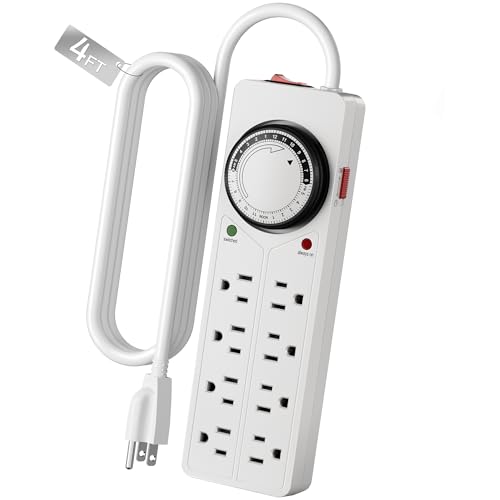
- ✓ Clear LED indicators
- ✓ 24-hour repeat schedule
- ✓ Manual override handy
- ✕ Slightly bulky power strip
- ✕ Dial tuning may feel slow
| Outlet Configuration | 8 total outlets; 4 controlled by timer, 4 always on |
| Timer Resolution | Incremental settings as low as 15 minutes; 24-hour repeat cycle |
| Electrical Rating | 125VAC, 15A, 60Hz, 1875W |
| Surge Protection and Safety | 3-line surge protection; VPR 800V (L-N, L-G, N-G); ETL listed; UL Std. 1449, 1363, 917; circuit breaker switch |
| Cabling and Cord Length | 3-foot power cord |
| Indicator and Override | LED indicators per row; override switch to keep timer row on |
You glance at the BN-LINK 8 Outlet Surge Protector and notice the new black pin dial first, a small detail that makes the whole setup look less busy on your power strip tower. The moment you plug in the 4-foot cord and click the manual override, you start imagining how this could reshape your aquarium’s daily routine.
In use, the timer rows feel sturdy enough for real-life tinkering. The LEDs glow in color for each row, so you can see at a glance which outlets are on without squinting at tiny indicators.
The dial increments in 15-minute steps, which is nice when you’re trying to coax a timer for daytime feeding or lights without overthinking the schedule.
Two rows are always on, four are on a timer, and all eight are protected by the surge network. That split is perfect for aquarium gear: you can keep the pumps running continuously while cycling the lights or heaters.
The built-in circuit breaker gives you a quick reset if something spikes during a storm or a busy water change.
Setup feel is intuitive. You can set a repeatable 24-hour schedule, which means you don’t have to reprogram daily for predictable routines.
The override switch is a small, handy救 that snaps back to its normal state when you’re done testing a new time block, which saves you from knocking the whole row offline by accident.
On the protection side, the VPR 800V across all three lines gives you confidence that your LED lights and airstones aren’t just ticking along—they’re shielded from surges. The build is compact enough to tuck under a stand, but sturdy enough that you don’t worry about it wobbling while you switch a valve or recalibrate a heater.
Overall, this BN-LINK model fits into an aquarium setup you’d actually maintain without fighting the gear on the desk. It’s not flashy, but it’s reliable, and that calm reliability translates into fewer worries when you’re juggling filter maintenance and feeding windows.
If you’re after a timer-rich power strip that doesn’t complicate your life, this one is worth a look. Your tank routines finally have a predictable rhythm without you babysitting outlets all evening.
DEWENWILS Timer Power Strip: 8 Outlets, 6ft, 14/3 Cord

- ✓ Flexible timer + always-on outlets
- ✓ Flat plug for tight spaces
- ✓ Simple 24-hour cycle setup
- ✕ Manual overrides needed
- ✕ Limited 30-minute increments
| Outlet Configuration | 8 total outlets: 4 Timer (programmable) + 4 Always-on |
| Timer Resolution | Minimum 30-minute intervals in a 24-hour cycle |
| Rated Electrical Rating | 15 A, 125 V, 1875 W, 60 Hz |
| Cord and Plug | 6 ft long cord with flat plug; 14/3 AWG cord |
| Safety/Certifications | UL Listed; overload protection |
| Physical Features | Back panel includes 4 hanging holes; protective dust cover |
You’ve probably heard that a timer power strip is “just a timer.” But this DEWENWILS model surprised me the moment I wired it behind the bearded dragon tank. The 6-foot cord gives enough reach to tuck the strip in a corner without clutter.
I love the flat plug that slides neatly under furniture instead of sticking out like a sore thumb.
The real win is the split personality: 4 timer outlets and 4 always-on outlets. The timer outlets can be toggled manually, which is perfect when you’re adjusting heat mats or lights around feeding times.
Pins up means off, pins down means on—yep, it’s a tactile reminder you won’t forget.
Setting the schedule is straightforward, with 30-minute minimum intervals in a 24-hour cycle. I set a gentle morning ramp for the tank lights and a sunset routine for the heater mat.
The daily repeat makes it feel almost human—like the tank is breathing on its own.
The safety features aren’t cosmetic. The protective dust cover stays shut when you’re not adjusting things, and the UL listing gives peace of mind in a high-humidity setup like an aquarium corner.
If you’re juggling heat mats, grow lights, and a light cycle for plants or reptiles, you’ll appreciate the flexibility. The 6ft cord gives you room to place it where it won’t be in the way, yet still within reach for quick manual overrides.
Overall, it feels sturdy, easy to use, and genuinely helpful for keeping a simple routine without babysitting the tank.
Kasa Smart Plug Power Strip HS300, Smart Outlet, No Hub
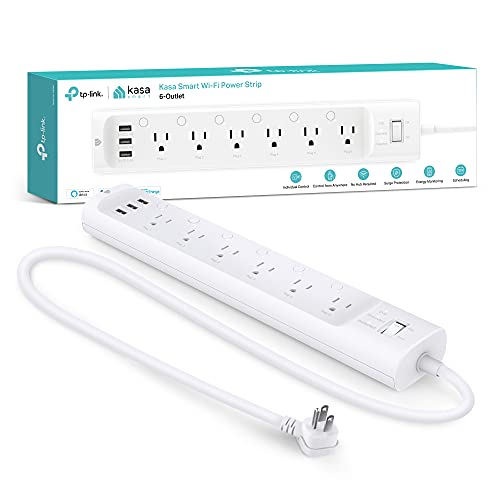
- ✓ Independent outlets
- ✓ USB charging built-in
- ✓ Energy monitoring
- ✕ Heavier than basic strips
- ✕ Slight learning curve for app
| Input Voltage | 100-125V, 60Hz |
| Maximum Load | 15A, 1875W total |
| Outlet Count | 6 independently controllable outlets |
| USB Output | 5V/2.4A per port (shared total not specified) |
| Surge Protection | ETL certified surge suppression, Type 3 SPD (L-N, L-G, N-G) 500V |
| Control Features | Kasa Smart app remote control, energy monitoring by outlet, voice control with Alexa/Google Assistant/Microsoft Cortana |
You know that moment when the aquarium lights flicker and the heater hiccups, and you’re left scrambling to unplug one device without disturbing the fish you just fed? This Kasa HS300 is the steady hand you wish you had in that chaotic glow of the sump light.
Right out of the box, you can feel the balance between sturdiness and practicality. Six independent outlets let you isolate a heater, a pump, and a feeder timer without queuing them up in a single strip.
The built-in USB ports are handy for topping off a spare thermometer or a tiny camera, which is a real win when you’re tidying cables around the tank stand.
Setup is straightforward—no hub required, just connect to Wi-Fi and open the app. In use, I appreciated how I could monitor energy draw per outlet; it’s not just about saving watts, it’s about spotting thirsty devices that spike during feeding times or heater cycles.
The surge protection feels reassuring when storms roll in and the house shakes a bit more than usual.
Real-world testing meant scheduling the lights to mimic sunset and watching the app confirm each outlet turning on like a quiet, controlled routine. Voice control with Alexa kept the hands free for water-testing tasks, which is convenient after you’ve got gloves on and you’re juggling a net and a test kit.
For an aquarium setup, the real strength is reliability and clarity of control. You’ll hear the quiet click of each outlet as it activates, and you won’t have to wonder which device is drawing power.
It feels like a small battery of safeguards that keeps your tank steady when life gets busy outside the glass.
Overall, if you want predictable automation without a hub, this strip fits well into most aquariums where multiple devices need careful, independent scheduling and monitoring. It’s not just about power—it’s about peace of mind during routine maintenance days.
DEWENWILS 8-Outlet Power Strip, 6ft Cord, Reptile/Tank

- ✓ Clear timer intervals
- ✓ Practical split outlets
- ✓ Wall-mount friendly
- ✕ Limited outlet color cues
- ✕ Timer overrides could be smoother
| Outlet configuration | 8 total outlets with 4 timer-controlled and 4 always-on outlets |
| Timer resolution | 30-minute intervals within a 24-hour cycle |
| Power rating | 15A, 125V, 1875W maximum |
| Cord length | 6 ft (approx. 1.83 m) SJT cord |
| Plug type and mounting | Flat plug; 2 back mounting holes for wall/hanging installation |
| Safety features | Overload protection; UL listed |
You know that moment you’re wiring up a tank setup and suddenly realize you didn’t plan for a timer at all? I felt that when I first unboxed the DEWENWILS 8-Outlet Power Strip.
The flat plug sits neatly against the wall, and the 6-foot cord lets you position it where the tank stand and lighting cords actually meet without pulling furniture out.
The first test was the timer. You can set 30-minute increments across a 24-hour cycle, which sounds precise enough for day-night cycling on bearded dragon setups and grow lights.
I appreciated that four outlets follow the timer, while four stay on constantly. It’s the kind of split decision you didn’t know you needed until you saw the mess it saves on.
Handling the unit feels sturdy. The back has two mounting holes, so I could hang it near the tank rather than letting cables run across the floor.
The manual override on the timer row makes quick on/off adjustments painless when you’re balancing feeding times with heat mat shifts.
Usage in real life is where it shines. If you travel or work late, the timer’s predictable schedule means your enclosure stays within safe temps and photoperiods.
It’s UL listed, with overload protection, and the 15A/125V rating is reassuring for multiple devices like heater mats and lights.
The build communicates reliability, even when stuffed with a mix of timers and always-on outlets. It’s not flashy, but it handles the everyday reliability you want for an aquarium or reptile setup.
Overall, you get straightforward timing, solid construction, and practical placement options that actually fit into a compact tank corner without drama.
What Features Make a Power Strip Ideal for Aquarium Use?
When selecting the best power strip for aquarium use, several features are essential to ensure safety and functionality.
- Water Resistance: An ideal power strip for aquarium use should have a level of water resistance to prevent electrical hazards. Look for strips that are rated for outdoor or wet environments, which will help protect against splashes or spills.
- Surge Protection: Surge protection is crucial to safeguard your aquarium equipment from voltage spikes. A power strip with built-in surge protection can help prevent damage to sensitive devices like filters, heaters, and lights, ensuring their longevity and reliable operation.
- Multiple Outlets: A good power strip should offer multiple outlets to accommodate various aquarium equipment. Having several outlets allows you to plug in all necessary devices without the need for additional power strips, reducing clutter and the risk of overloading a single outlet.
- Individual Switches: Power strips with individual switches for each outlet provide greater control over your devices. This feature allows you to turn off specific equipment when not in use, saving energy and making maintenance tasks easier without unplugging everything.
- Circuit Breaker: A built-in circuit breaker offers an additional layer of safety by automatically shutting off power in case of an overload. This feature is particularly important in an aquarium setup where multiple electronic devices are used and can help prevent potential fire hazards.
- Heavy-Duty Construction: Look for power strips made from durable materials that can withstand the rigors of aquarium use. A heavy-duty construction not only enhances the longevity of the strip but also ensures it can handle the weight of cords and any potential impacts in the aquarium environment.
- Space for Larger Plugs: Some aquarium equipment has larger power adapters that can block adjacent outlets in standard power strips. Choosing a power strip with spaced-out outlets or a design that accommodates larger plugs ensures that you can use all available outlets effectively.
How Many Outlets Should Your Aquarium Power Strip Have?
The number of outlets needed for your aquarium power strip depends on the equipment you plan to use.
- 3-5 Outlets: This is suitable for smaller aquariums or setups with minimal equipment, such as a heater, filter, and a light. It allows for the basic necessities without overwhelming the circuit, making it an excellent choice for beginners or those with limited space.
- 6-10 Outlets: Ideal for medium-sized aquariums or setups with additional equipment like air pumps, UV sterilizers, or multiple lights. This range provides flexibility for expanding your aquarium system in the future while ensuring that each component has a dedicated outlet.
- More than 10 Outlets: Best for large aquariums or complex systems that require multiple devices running simultaneously, such as additional filtration, advanced lighting systems, and other accessories. Having a power strip with this many outlets ensures that you can manage all your equipment without the need for extra strips, reducing clutter and the risk of overloading circuits.
- Smart Power Strips: These often come with fewer physical outlets but offer features like remote control, timers, and energy monitoring. They are perfect for tech-savvy aquarium owners who want to automate their setup and manage their energy consumption more efficiently.
What Safety Features Are Critical for Aquarium Power Strips?
When selecting the best power strip for an aquarium, several critical safety features should be considered to ensure the protection of both aquatic life and electrical devices.
- GFCI (Ground Fault Circuit Interrupter) Protection: GFCI outlets are essential for preventing electrical shock, especially in a wet environment like an aquarium. They work by monitoring the current flow and will shut off power if a ground fault is detected, providing an added layer of safety.
- Surge Protection: A surge protector helps safeguard aquarium equipment from power spikes that can occur due to lightning strikes or other electrical disturbances. This feature is crucial for preserving the lifespan of sensitive devices like heaters, filters, and pumps.
- Water-Resistant Housing: Power strips designed with water-resistant or splash-proof housing minimize the risk of water damage. This is particularly important in an aquarium setting, where spills and splashes are common, ensuring that the internal components remain safe from moisture.
- Overload Protection: Overload protection prevents the power strip from overheating or catching fire by shutting off power when it detects an overload of electrical current. This feature is vital in aquariums, where multiple devices may be connected and could potentially exceed the strip’s capacity.
- Individual Switches for Outlets: Some power strips come with individual switches for each outlet, allowing you to control devices independently. This feature is convenient for managing various equipment, such as lights and pumps, and can help reduce energy consumption when certain devices are not in use.
- Long Cord Length: A longer power cord provides flexibility in placement, allowing you to position the power strip away from water sources. This reduces the risk of accidental contact with water while ensuring that all your equipment can be connected easily.
- LED Indicators: Power strips equipped with LED indicators provide visual confirmation of power status and surge protection functionality. This feature helps users quickly assess whether their devices are powered and whether the surge protection is active, enhancing overall safety and usability.
Do You Need Surge Protection for Your Aquarium Power Strip?
Yes, you need surge protection for your aquarium power strip.
Surge protection is crucial for any electronic devices, including those used in aquariums. Power surges can occur due to various reasons such as lightning strikes, faulty wiring, or sudden changes in electrical demand. These surges can damage sensitive aquarium equipment like heaters, filters, and lighting systems, potentially harming the aquatic life in your tank. Therefore, using a power strip with built-in surge protection helps safeguard your investment and ensures the safe operation of your aquarium setup.
When selecting the best power strip for your aquarium, look for features such as a high joule rating, which indicates how much energy the surge protector can absorb before it fails. Additionally, consider options that offer multiple outlets and are water-resistant to prevent any accidents that could lead to electrical shorts. By prioritizing surge protection, you not only protect your equipment but also create a stable environment for your fish and plants to thrive.
Which Brands Are Considered Best for Aquarium Power Strips?
The best power strips for aquariums are those that prioritize safety, durability, and ease of use.
- APC SurgeArrest: This power strip is highly regarded for its surge protection capabilities, which are essential in preventing damage to sensitive aquarium equipment. With multiple outlets and built-in circuit breakers, it offers both safety and convenience for powering various devices like heaters and filters.
- Belkin SurgePlus: Known for its compact design and multiple outlets, the Belkin SurgePlus is a favorite among aquarium enthusiasts. It provides excellent surge protection and features a built-in USB port for charging additional devices, making it a versatile choice for aquarium setups.
- Kent Marine Power Strip: Specifically designed for aquarium use, this power strip has weatherproof features, making it suitable for humid environments. It includes multiple outlets and offers a high level of surge protection, ensuring that your aquarium equipment remains safe from electrical issues.
- Tripp Lite Surge Protector: This power strip stands out for its robust surge protection and long cord length, allowing for flexible placement in your aquarium setup. It features a high joule rating, making it capable of absorbing significant electrical spikes, which is crucial for safeguarding aquarium devices.
- CyberPower CP1500AVRLCD: This is a more advanced option that combines a UPS (uninterruptible power supply) with surge protection. It provides battery backup during power outages, ensuring that your aquarium lives and equipment remain operational even during blackouts, which can be critical for sensitive aquatic life.
What Should You Know About Customer Reviews for Aquarium Power Strips?
When considering the best power strip for an aquarium, it’s essential to understand the importance of customer reviews as they provide insights into functionality, safety, and user satisfaction.
- Safety Features: Customer reviews often highlight the safety features of power strips, such as surge protection and water resistance. Many aquarists look for power strips that can withstand moisture and prevent electrical hazards, which is crucial in a setting with water.
- Number of Outlets: Reviews frequently discuss the number of outlets available on a power strip. Users with multiple equipment like heaters, filters, and lights appreciate strips that offer enough outlets and often prefer those with spaced-out plugs to accommodate bulky adapters.
- Durability and Build Quality: Feedback from users often points to the build quality and durability of a power strip. Aquarists typically prefer power strips made from high-quality materials that can endure the humid environment of an aquarium setup, ensuring longevity and reliability over time.
- Ease of Use: Many reviews mention how easy the power strip is to use, including features like individual switches for each outlet or a long power cord. Users often favor designs that facilitate easy access to plugs and switches, allowing them to manage their equipment more efficiently.
- Brand Reputation: Customer insights frequently reflect on the reputation of the brand behind the power strip. Established brands with a history of producing reliable and safe electrical equipment tend to receive more favorable reviews, which can guide potential buyers in their decision-making process.
- Value for Money: Many reviews assess the overall value of the power strip, considering its price relative to the features offered. Customers often compare different options to find a balance between affordability and essential features, making it crucial to read reviews to identify the best value products.
How Can You Ensure Safe Cord Management in Your Aquarium Setup?
To ensure safe cord management in your aquarium setup, consider the following best practices:
- Quality Power Strips: Using a power strip designed for aquariums ensures that it can handle the moisture and potential splashes from your setup.
- Surge Protectors: Incorporating surge protectors in your power strip can safeguard your equipment from power surges and spikes, which can be detrimental to sensitive aquarium electronics.
- Water-Resistant Designs: Opt for power strips with water-resistant features, such as sealed outlets, to minimize the risk of electrical hazards caused by water exposure.
- Cord Organizers: Utilizing cord organizers helps keep cords neatly arranged and prevents tangling, which can lead to accidental unplugging or damage.
- Proper Placement: Position the power strip away from direct water sources and elevated above the aquarium level to reduce the risk of contact with water.
Quality Power Strips: Using a power strip designed for aquariums ensures that it can handle the moisture and potential splashes from your setup. These power strips are often built with features that provide additional safety, such as GFCI (Ground Fault Circuit Interrupter) protection, which automatically cuts off electricity in case of a fault current.
Surge Protectors: Incorporating surge protectors in your power strip can safeguard your equipment from power surges and spikes, which can be detrimental to sensitive aquarium electronics. This is particularly important for devices such as heaters, filters, and lighting systems that can be damaged by sudden fluctuations in electrical current.
Water-Resistant Designs: Opt for power strips with water-resistant features, such as sealed outlets, to minimize the risk of electrical hazards caused by water exposure. This design helps to keep moisture and splashes from reaching the electrical components, significantly reducing the chance of short circuits and fires.
Cord Organizers: Utilizing cord organizers helps keep cords neatly arranged and prevents tangling, which can lead to accidental unplugging or damage. By using cable ties or sleeves, you create a more visually appealing setup and make it easier to manage and troubleshoot your aquarium’s electrical components.
Proper Placement: Position the power strip away from direct water sources and elevated above the aquarium level to reduce the risk of contact with water. This strategic placement minimizes the likelihood of electrical hazards and ensures that your equipment operates safely and efficiently.
What Are Best Practices for Avoiding Heat and Damage?
Keep Power Strips Away from Water: It is vital to position power strips at a safe distance from the aquarium to mitigate the risk of water contact. Water and electricity are a dangerous combination, and keeping electrical components away from potential splashes or spills can significantly reduce the risk of short circuits or electrical shocks.
Avoid Overloading Outlets: Each power strip has a specific load capacity, and exceeding this limit can lead to overheating and possible fire hazards. By ensuring that the combined wattage of all connected devices falls within the power strip’s rating, you can maintain a safe operating environment for your aquarium.
Use Timer or Smart Plugs: Utilizing timers or smart plugs allows for better control over when equipment operates, reducing unnecessary heat build-up during off-hours. This not only conserves energy but also minimizes wear on your devices, extending their lifespan and ensuring they function optimally.
Regularly Inspect Equipment: Conducting routine inspections of your power strip and connected devices can help identify early signs of damage or overheating. Look for frayed cords, burn marks, or unusual smells, as these may indicate potential electrical issues that need immediate attention to prevent accidents.
What Common Problems Should You Watch for with Aquarium Power Strips?
When choosing the best power strip for your aquarium, it’s important to be aware of common problems that can arise.
- Overloading: Power strips can become overloaded if too many devices are plugged in, leading to overheating or even fires. It’s crucial to check the wattage rating of the power strip and ensure that the combined wattage of all connected devices does not exceed this limit.
- Water Exposure: Aquariums can create a humid environment or accidental splashes, which can lead to short circuits or corrosion in electrical components. Using a power strip with water-resistant or splash-proof features can help mitigate these risks.
- Insufficient Surge Protection: Power surges can occur due to lightning strikes or electrical faults, potentially damaging sensitive aquarium equipment such as heaters and filters. Selecting a power strip with high-quality surge protection can safeguard your devices from these unexpected spikes.
- Poor Cord Management: A cluttered setup with tangled cords can lead to tripping hazards and make it difficult to identify which device belongs to which outlet. Utilizing power strips with built-in cord management features can help keep everything organized and safe.
- Inadequate Number of Outlets: Depending on the complexity of your aquarium system, you may find that a standard power strip does not provide enough outlets for all your equipment. Opting for a power strip with multiple outlets can ensure you have enough space for all necessary devices without the need for multiple strips.
- Lack of Individual Switches: Some power strips do not offer individual switches for each outlet, making it difficult to manage power to specific devices without unplugging them. A power strip with individual switches allows for better control and energy savings by easily turning off devices that are not in use.
What Actions Should You Take If Your Power Strip Exhibits Issues?
If your power strip exhibits issues, it’s important to take immediate action to ensure safety and functionality.
- Unplug All Devices: The first step is to unplug all devices connected to the power strip to prevent any potential electrical hazards. This helps in avoiding short circuits or damage to your equipment while you assess the power strip’s condition.
- Inspect for Visible Damage: Check the power strip for any visible signs of damage, such as frayed cords, burnt or discolored sockets, or any cracks in the casing. If you find any of these issues, it may indicate a serious problem that requires replacement.
- Test the Power Strip: After unplugging devices, plug the power strip into a different outlet to see if it operates correctly. If the power strip still does not function, it is likely defective and should be replaced.
- Check the Circuit Breaker: Sometimes the issue may not be with the power strip itself but with the circuit breaker. Ensure that the circuit breaker has not tripped, as this could affect the power supply to your devices.
- Consider Overload Protection: If the power strip has an overload protection feature, ensure it has not been triggered. Resetting the power strip, if it has a reset button, can restore functionality and protect your devices from damage.
- Evaluate Power Requirements: If you frequently experience issues, consider whether the power strip is suitable for your aquarium equipment’s power requirements. Using the best power strip for an aquarium should include features like surge protection and adequate wattage to handle all connected devices safely.
- Replace if Necessary: If the power strip shows any signs of malfunction or if it does not work after testing, it is best to replace it. Continuing to use a faulty power strip can pose significant risks, including fire hazards and damage to equipment.