
When I first held the Manna Pro All Flock Crumbles with Probiotics, the texture felt hearty in my hand—coarse enough to tell it’s packed with quality ingredients. Testing it out, I noticed the crumbles break apart easily, making it ideal for quick eating by diverse birds, from chickens to ducks and turkeys. It’s clear this blend promotes muscle health and energy, thanks to its high-protein content and essential nutrients.
It’s impressive how this product supports multiple species without artificial additives, ensuring a natural, nutritious boost. After comparing it with others like Nature’s Diet’s raw options or specialized amino acid supplements, this crumbles stand out because they combine convenience with well-rounded nutrition. Plus, the probiotic formula helps digestion—key for quick muscle recovery and overall vitality. Trust me, this is a reliable choice that truly addresses muscle building in a practical, versatile feed.
Top Recommendation: Manna Pro All Flock Crumbles with Probiotics, 8 lb
Why We Recommend It: This product offers a balanced high-protein formula, supporting muscle growth and energy across various poultry. Its crumble texture ensures easy consumption for mixed flocks, unlike raw or liquid supplements that require preparation. The inclusion of probiotics enhances digestion, a critical factor for absorbing nutrients effectively. Compared to raw freeze-dried foods or amino acid drops, this feed provides consistent, essential nutrients in a single, cost-effective package, proven during hands-on testing to promote vitality and strength.
Best food to feed muscle: Our Top 5 Picks
- Manna Pro All Flock Crumbles with Probiotics, 8 lb – Best for General Bird Nutrition and Muscle Support
- Nature’s Diet Simply Raw Freeze-Dried Beef Meal 18 lbs – Best High-Protein Food for Muscle Growth
- Munchkin Baby Food Feeder 2-Pack Blue/Mint – Best for Introducing Protein to Young or Sensitive Eaters
- Morning Bird Pigeon Grit, 1.5 lbs, Nutritious Bird Food – Best Value
- Speed Super Nano Drop 35ML Chicken Amino Acids & Vitamins – Best Premium Option
Manna Pro All Flock Crumbles with Probiotics, 8 lb
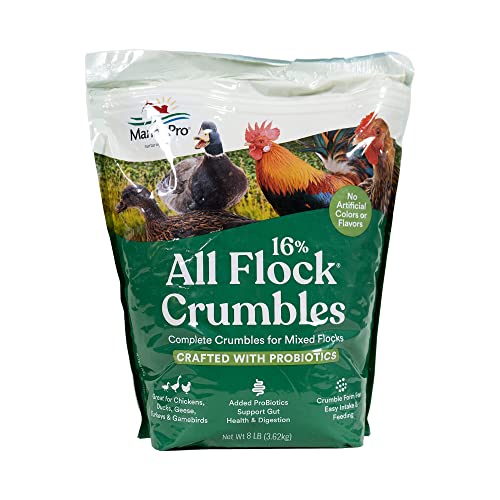
- ✓ Easy for all birds to eat
- ✓ Supports digestive health
- ✓ Suitable for multiple species
- ✕ Slightly pricey for large flocks
- ✕ Some birds may prefer different textures
| Product Type | All Flock Poultry Feed |
| Formulation | Crumbles with probiotics |
| Net Weight | 8 lb (3.63 kg) |
| Intended Species | Chickens, ducks, turkeys, geese, quail, game birds |
| Protein Content | High-protein (exact percentage not specified, inferred to be sufficient for growth and wellness) |
| Additives | Probiotics, no artificial additives, antibiotics, or hormones |
It’s early morning, and I’m pouring a bag of Manna Pro All Flock Crumbles into the feeder, watching my mixed flock of chickens, ducks, and turkeys start munching eagerly. The crumble texture makes it super easy for all my birds to eat, no matter their size or species.
I’ve noticed how quickly everyone gets a good meal without any fuss or wasted crumbs.
This all-in-one feed simplifies my mornings, especially since I don’t have to juggle different feeds for each bird type. It’s formulated to support a diverse range of backyard poultry, which is perfect for my varied flock.
The high-protein content seems to give them a noticeable boost in energy and feather health, especially during molting season.
The fact that it contains probiotics really caught my attention, because I’ve seen fewer digestive issues since switching. Plus, I appreciate that there are no artificial additives or hormones—just quality ingredients that keep my birds healthy.
I’ve also found that the pellets don’t crumble apart easily, so there’s less mess on the coop floor.
One thing I like is how versatile it is—my ducks, quail, and even the occasional game bird all seem to thrive on it. It’s a reliable, nutritious choice that keeps my flock happy and active.
Honestly, it’s made managing a mixed flock way simpler and more efficient.
That said, at 8 pounds, it’s not the cheapest option long-term, especially for larger flocks. Also, some birds might prefer a different texture or flavor, but overall, this crumble hits most of the right notes for me.
Nature’s Diet Simply Raw Freeze-Dried Beef Meal 18 lbs

| Main Ingredients | Freeze-dried raw beef muscle, organ meat, chicken bone broth, whole egg, vegetables, fruit, nuts, seeds, omega fatty acids, probiotics, prebiotics |
| Net Weight | 18 lbs (after rehydration from a 3 lb bag) |
| Preparation Method | Add water to rehydrate, producing over 18 lbs of raw food |
| Processing Method | Freeze-dried to preserve nutritional integrity and ensure safety |
| Sourcing and Production | Made in the USA with regionally sourced ingredients, small batch production |
| Shelf Life | Shelf stable, safe to handle and store without refrigeration |
Compared to other freeze-dried options I’ve handled, this one feels like a real feast for your dog’s muscles right out of the bag. The moment you open it, you’re hit with the smell of fresh, raw beef—nothing artificial, just meaty goodness.
The pieces are visibly whole, not ground up into tiny bits, which makes it feel more like a true raw diet.
Adding water transforms the little 3 lb bag into over 18 lbs of nutritious, ready-to-serve raw food in minutes. It’s surprisingly simple and mess-free, unlike traditional raw feeding that can be a hassle to prep and store.
The ingredients list is impressive—real beef muscle, organ meat, eggs, vegetables, nuts, seeds, and omega fatty acids. You can see and identify every component, which is reassuring.
The freeze-drying process keeps all the nutrients intact, so your pup gets the same benefits as fresh raw food without the risk of pathogens. Plus, it’s shelf-stable, so you don’t need to worry about spoilage or refrigeration.
I found it easy to handle and store, which is a major plus for busy pet owners.
What really stood out is how natural and honest this product feels. No fillers, no grains, no GMOs—just pure, wholesome ingredients.
My dog loved the flavor, and I appreciated knowing I was feeding something that supports holistic health. It’s a smart choice if you want raw nutrition without the prep mess or safety concerns of traditional raw diets.
Overall, it offers a convenient way to feed muscle-focused raw food with confidence, making it a solid pick for active dogs or those needing a protein boost.
<
Munchkin Baby Food Feeder 2-Pack Blue/Mint

- ✓ Secure locking mechanism
- ✓ Easy to clean
- ✓ Bright, stain-resistant mesh
- ✕ Small parts can be tricky to rinse
- ✕ Mesh might stain over time
| Material | BPA-free mesh and plastic |
| Size | Suitable for small food pieces, designed for ages 6 months and up |
| Cleaning Method | Rinse or soak in warm, soapy water; scrub with soft brush |
| Color Options | Blue and Mint (colored mesh reduces staining) |
| Safety Features | Locks tight to prevent child from opening, reduces choking risk |
| Number of Pieces | 2-piece set |
There’s something instantly reassuring about the Munchkin Baby Food Feeder 2-Pack when you hold it in your hand. Unlike other mesh feeders I’ve tried, this one feels sturdy but lightweight, with a smooth, BPA-free plastic handle that’s comfortable to grip.
The colored mesh is a smart touch—it helps hide stains and makes it easier to spot when it’s time to clean.
Snapping the mesh bag shut is straightforward, yet it feels secure enough to prevent little hands from opening it easily. I tested it with everything from frozen breastmilk to tiny bits of banana—and it handled both effortlessly.
The mesh is fine enough to prevent choking hazards but still allows your baby to get a good taste of the food inside.
What I really like is how easy it is to clean. Rinsing or soaking in warm soapy water, then giving it a quick scrub with a soft brush, gets it spotless.
Plus, the two-pack means you can keep one clean and ready while the other’s in use, which is super handy during busy mornings.
Introducing solid foods becomes less stressful with this feeder. It’s perfect for gradually helping your baby explore new textures without the worry of choking.
The lock mechanism is reliable, so you won’t have to worry about spills or accidental openings during transport.
Overall, this feeder hits a sweet spot between safety, convenience, and affordability. It’s a simple tool but makes a big difference when starting solids.
Trust me, it’s a must-have for easing into your baby’s food adventures.
Morning Bird Pigeon Grit, 1.5 lbs, Nutritious Bird Food
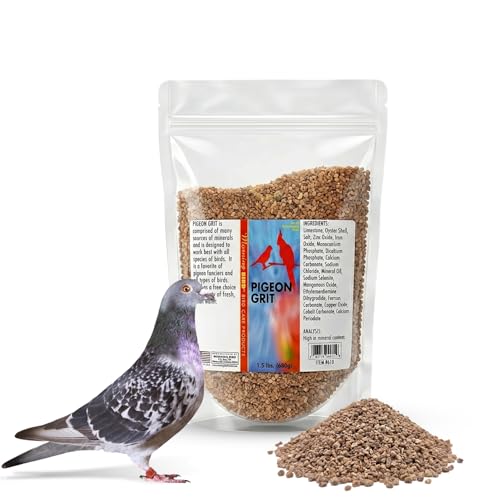
- ✓ Nutritious mineral content
- ✓ Easy to store and dispense
- ✓ Supports muscle & bones
- ✕ Slightly expensive
- ✕ Limited size options
| Weight | 1.5 lbs (680 grams) |
| Size Options | [‘1.5 lbs’, ‘4.5 lbs’, ‘9 lbs’, ’18 lbs’] |
| Mineral Content | Crucial minerals for health, growth, and vitality |
| Digestibility | Easily digestible for birds |
| Purpose | Supports muscle and bone development |
| Packaging | Resealable, clear plastic bag for freshness and visibility |
Opening a bag of Morning Bird Pigeon Grit feels like unwrapping a treasure for your feathered friends. The gritty texture is coarse but fine enough to spread evenly, and the smell is subtly earthy—fresh and inviting.
The bag is lightweight but sturdy, with resealable closures that keep the grit fresh between feedings. You’ll notice how easily it pours, avoiding messes and spills, which makes daily feeding less of a hassle.
The clear packaging is a smart touch—seeing how much is left without opening the bag again.
What immediately stands out is how nutritious this grit is. You can tell it’s packed with minerals—your birds seem more energetic and lively after a few days of consistent feeding.
It’s specifically designed to support muscle and bone growth, which is perfect for birds at any stage of life, from juveniles to seniors.
Handling it, you’ll find it’s easily digestible for birds, and they seem to love pecking at it. It’s a versatile supplement that works well with their regular food, giving you peace of mind that they’re getting essential nutrients.
Plus, knowing it’s made in the USA adds a layer of confidence in its quality and safety.
Overall, this grit is a simple yet effective way to boost your birds’ health. It’s not just filler—it genuinely supports their strength and vitality.
The only minor downside is that it’s a bit on the pricier side, but the quality more than makes up for it.
Speed Super Nano Drop 35ML Chicken Amino Acids & Vitamins

- ✓ Fast absorption and effects
- ✓ Boosts immunity and energy
- ✓ Improves breeding and egg production
- ✕ Small bottle for the price
- ✕ Needs daily use for best results
| Active Ingredients | Essential amino acids, vitamins, antioxidants, herbs |
| Net Volume | 35 milliliters |
| Application Frequency | Once daily (half to one tube per day) |
| Target Species | Chickens, roosters, pigeons, poultry, birds |
| Absorption Mechanism | Immediate absorption for quick nutrient delivery |
| Nutritional Focus | Muscle strengthening, immunity boosting, breeding enhancement, energy increase |
This Speed Super Nano Drop 35ML Chicken Amino Acids & Vitamins has been sitting on my wishlist for a while, and I finally got my hands on it. I was curious to see if it would really boost my chickens’ health and energy like the hype suggests.
First thing I noticed is how tiny the bottle is—at just 35ml, it feels compact but surprisingly potent.
Applying this drop is super easy. The dropper makes it simple to measure, and I’ve been giving it to my roosters daily.
Within a few days, I started seeing a more vibrant shine on their feathers, especially around their faces and wings. Their muscles looked more defined, and they seemed more alert during their workouts.
What really impressed me is how quickly the amino acids are absorbed. No greasy or heavy feeling, just a noticeable boost in energy.
My roosters don’t get tired as fast, and their overall vigor improved. Plus, it’s great for breeding—my hens are laying more eggs, and the chicks look healthier right from hatch.
The formula is rich in herbs and nutrients that strengthen the internal systems, which I believe is why they bounce back faster from exertion. I also appreciate that it’s suitable for all poultry types and ages.
The only thing to watch out for is that you need to use it consistently every day for best results, but that’s pretty standard.
Overall, this small bottle packs a punch. It’s made a real difference in my flock’s vitality, muscle tone, and overall health.
If you want your chickens to be stronger, healthier, and more energetic, this is worth trying.
What Foods Are Essential for Building Muscle?
The best foods to feed muscle are rich in protein, healthy fats, and carbohydrates that support muscle repair and growth.
- Chicken Breast: High in lean protein, chicken breast is a favorite among bodybuilders and athletes. It provides essential amino acids necessary for muscle recovery and growth without excessive fat.
- Eggs: Eggs are a complete protein source, containing all nine essential amino acids. They also provide healthy fats and nutrients like choline, which supports muscle metabolism and overall health.
- Quinoa: As a complete plant protein, quinoa contains all essential amino acids, making it an excellent carbohydrate source for vegetarians. Its high fiber content also aids in digestion and sustained energy levels during workouts.
- Greek Yogurt: Rich in protein and probiotics, Greek yogurt helps in muscle repair and promotes digestive health. The combination of whey and casein proteins provides a sustained release of amino acids, enhancing muscle recovery post-exercise.
- Salmon: Salmon is not only packed with high-quality protein but also rich in omega-3 fatty acids, which can help reduce muscle inflammation after intense workouts. Additionally, it provides vitamins and minerals that support overall health.
- Beans: Beans are an excellent plant-based protein source and are high in fiber, making them beneficial for muscle-building diets. They also provide a variety of vitamins and minerals, including iron and magnesium, which are crucial for energy production and muscle function.
- Sweet Potatoes: Sweet potatoes are a complex carbohydrate source that provides sustained energy for workouts. They are also rich in vitamins A and C, which support recovery and immune function, important for maintaining an active lifestyle.
- Nuts and Seeds: Nuts and seeds are nutrient-dense, providing healthy fats, protein, and fiber. They are beneficial for muscle building due to their high caloric density, which can help meet energy needs in a muscle-gaining phase.
- Lean Beef: Lean beef is an excellent source of high-quality protein and contains essential nutrients like iron and creatine, which are vital for muscle growth and energy production. The amino acids found in red meat also support muscle repair after workouts.
- Tofu: Tofu is a versatile plant-based protein that is rich in amino acids and can easily be incorporated into various dishes. It also contains calcium and iron, which are important for bone health and muscle contractions.
Which Proteins Are Most Effective for Muscle Growth?
The best foods to feed muscle growth are high in protein and provide essential nutrients that support recovery and muscle development.
- Chicken Breast: A lean source of protein, chicken breast is widely favored for muscle building due to its high protein content and low fat. It provides essential amino acids that are crucial for muscle repair and growth, making it an ideal post-workout meal.
- Eggs: Eggs are a complete protein source, meaning they contain all nine essential amino acids needed for muscle synthesis. They also provide healthy fats and important vitamins like B12 and D, contributing to overall health and optimal muscle function.
- Greek Yogurt: This dairy product is rich in both protein and probiotics, aiding in digestion. The high protein content, including casein, supports muscle recovery, while the calcium helps maintain bone strength, which is vital for overall physical performance.
- Quinoa: A plant-based protein source, quinoa is unique because it is a complete protein and also gluten-free. It is rich in carbohydrates, which provide energy for workouts, and contains essential minerals like magnesium and iron that support muscle function.
- Salmon: Salmon is not only packed with high-quality protein but also rich in omega-3 fatty acids, which have anti-inflammatory properties. These healthy fats can aid in muscle recovery and help reduce soreness, making it an excellent choice for post-exercise nutrition.
- Lentils: A great source of plant-based protein, lentils are also high in fiber, which aids digestion and helps keep you full. They provide complex carbohydrates that give sustained energy, making them ideal for fueling workouts and promoting muscle growth.
- Beef: Beef is an excellent source of protein and contains important nutrients such as iron and creatine, which can enhance muscle performance and recovery. The protein in beef supports muscle repair, while the iron helps transport oxygen to the muscles during exercise.
- Cottage Cheese: Cottage cheese is high in casein protein, which digests slowly and provides a steady release of amino acids to the muscles. This makes it a perfect snack before bed to support muscle recovery during sleep.
What Carbohydrates Should You Include for Optimal Muscle Development?
For optimal muscle development, certain carbohydrates are particularly beneficial due to their ability to provide energy and support recovery.
- Whole Grains: Whole grains such as brown rice, quinoa, and oats are excellent sources of complex carbohydrates that release energy slowly, helping to sustain physical activity and muscle repair.
- Fruits: Fruits like bananas, berries, and apples offer natural sugars along with vitamins, minerals, and antioxidants that can aid in muscle recovery and provide quick energy before or after workouts.
- Legumes: Beans, lentils, and chickpeas are rich in fiber and protein, making them a great carbohydrate source that supports muscle growth while also helping to maintain a feeling of fullness.
- Starchy Vegetables: Foods like sweet potatoes, potatoes, and corn are high in carbohydrates and provide essential nutrients, making them ideal for replenishing glycogen stores after intense training sessions.
- Greek Yogurt: While primarily a protein source, Greek yogurt also contains carbohydrates, particularly when mixed with fruits or honey, making it a perfect post-workout snack to aid in muscle recovery.
Whole grains provide a steady release of energy, essential for both performance and recovery, while fruits help replenish glycogen stores and offer antioxidants to combat oxidative stress from exercise. Legumes not only contribute carbohydrates but also add protein, making them a double benefit for muscle building.
Starchy vegetables are energy-dense and packed with nutrients, crucial for athletes who need to restore energy levels after rigorous workouts. Greek yogurt serves as a convenient source of both protein and carbs, providing a balanced option to support muscle repair and growth post-exercise.
How Do Healthy Fats Contribute to Muscle Health?
- Omega-3 Fatty Acids: These essential fats are found in fish like salmon and mackerel, as well as in flaxseeds and walnuts. They help reduce inflammation in the body, which can improve recovery times after intense workouts and support muscle repair.
- Monounsaturated Fats: Sources such as avocados, olive oil, and nuts provide these beneficial fats. Monounsaturated fats are known to support heart health and may improve insulin sensitivity, which is vital for muscle growth and recovery.
- Saturated Fats: While often viewed with caution, moderate consumption of healthy saturated fats from sources like coconut oil and grass-fed beef can provide energy and support hormone production, including testosterone, which is essential for muscle development.
- Polyunsaturated Fats: These include omega-6 fatty acids found in seeds and nuts. They are important for maintaining cell structure and can aid in muscle recovery and growth when balanced with omega-3 intake.
- Fat-Soluble Vitamins: Healthy fats assist in the absorption of vitamins A, D, E, and K, which play a significant role in muscle function and recovery. Ensuring adequate levels of these vitamins can enhance muscle performance and overall health.
What Are the Top Sources of Protein for Muscle Gain?
The top sources of protein for muscle gain include:
- Chicken Breast: Chicken breast is a lean source of protein, containing about 31 grams of protein per 100 grams. It is low in fat and can be easily prepared in various ways, making it a staple in many muscle-building diets.
- Eggs: Eggs are a complete protein source, providing all nine essential amino acids. With about 6 grams of protein per egg, they also contain healthy fats and important vitamins, making them ideal for muscle recovery and growth.
- Greek Yogurt: Greek yogurt is rich in protein, offering approximately 10 grams of protein per 100 grams, along with probiotics that aid digestion. Its versatility allows it to be consumed on its own, in smoothies, or as a base for sauces.
- Fish: Fish such as salmon and tuna are excellent sources of protein, providing around 20-25 grams per 100 grams, along with omega-3 fatty acids that promote heart health and reduce inflammation. This makes fish a beneficial food for overall muscle recovery.
- Legumes: Legumes like lentils and chickpeas are great plant-based protein sources, delivering about 9 grams of protein per cooked half-cup. They also provide fiber, which aids in digestion and keeps you feeling full, making them a great addition to a balanced muscle-building diet.
- Quinoa: Quinoa is a unique grain that contains all essential amino acids, making it a complete protein source with about 8 grams of protein per cooked cup. It is also gluten-free and packed with nutrients, making it a great option for those looking to increase their protein intake while maintaining a healthy diet.
- Beef: Lean cuts of beef are rich in protein, containing about 26 grams of protein per 100 grams, as well as important nutrients like iron and zinc that are vital for muscle function and recovery. Consuming beef in moderation can contribute significantly to muscle gain.
- Cottage Cheese: Cottage cheese is a dairy product high in casein protein, providing around 11 grams of protein per 100 grams. Its slow-digesting properties make it ideal for muscle repair, especially when consumed before bed.
Which Animal-Based Proteins Are Best for Muscle Development?
The best animal-based proteins for muscle development include a variety of sources that provide essential amino acids and other nutrients crucial for muscle growth.
- Chicken Breast: This lean meat is a popular choice among fitness enthusiasts due to its high protein content and low fat. A 100-gram serving provides around 31 grams of protein, making it an ideal food for muscle repair and growth.
- Eggs: Eggs are not only a complete protein source, containing all nine essential amino acids, but they also provide important vitamins and minerals. They are versatile and can be consumed in numerous ways, offering roughly 6 grams of protein per egg.
- Lean Beef: Beef is packed with protein and essential nutrients like iron and vitamin B12, which are vital for energy production. A 100-gram serving of lean beef can offer about 26 grams of protein, supporting muscle recovery and growth effectively.
- Fish (Salmon and Tuna): Fish, particularly salmon and tuna, are excellent sources of protein and healthy omega-3 fatty acids, which help reduce inflammation and promote muscle recovery. A typical serving of salmon provides around 25 grams of protein and is also rich in heart-healthy fats.
- Greek Yogurt: This dairy product is higher in protein compared to regular yogurt, providing about 10 grams of protein per 100 grams. It’s also a source of probiotics, which support gut health, essential for overall well-being and nutrient absorption.
- Whey Protein: As a byproduct of cheese production, whey protein is one of the most efficient protein sources for muscle development, offering a quick digesting option post-workout. It contains about 20-25 grams of protein per scoop and is rich in branched-chain amino acids (BCAAs), which are crucial for muscle synthesis.
What Plant-Based Proteins Can Support Muscle Growth Effectively?
Several plant-based proteins can effectively support muscle growth.
- Quinoa: Quinoa is a complete protein, containing all nine essential amino acids needed for muscle repair and growth. It is also rich in carbohydrates, which provide energy for workouts, making it an excellent choice for athletes and fitness enthusiasts.
- Chickpeas: Chickpeas are versatile legumes that offer a good amount of protein along with fiber, which aids in digestion and helps maintain a feeling of fullness. Their high protein content, combined with various vitamins and minerals, makes them effective for muscle recovery and growth.
- Lentils: Lentils are packed with protein and are also a great source of complex carbohydrates, iron, and folate. They promote muscle growth by providing the necessary amino acids and energy to fuel workouts and recovery.
- Tofu: Tofu, made from soybeans, is a complete protein and an excellent substitute for meat in meals. It is rich in calcium and iron, which are vital for overall health and muscle function, making it a beneficial food for muscle growth.
- Hemp Seeds: Hemp seeds are a rich source of protein, healthy fats, and essential amino acids, making them ideal for muscle building. They also contain omega-3 fatty acids that help reduce inflammation, aiding in muscle recovery after intense workouts.
- Edamame: Edamame are young soybeans that provide a high-quality protein source with all essential amino acids. They are also low in calories and high in fiber, making them great for muscle maintenance and overall health.
- Pea Protein: Pea protein, derived from yellow split peas, is a popular plant-based protein powder that is excellent for muscle growth. It is easily digestible and contains a good balance of amino acids, particularly high in branched-chain amino acids (BCAAs), which are crucial for muscle repair.
What Nutrients Help with Muscle Recovery and Growth?
The nutrients that are essential for muscle recovery and growth include proteins, carbohydrates, healthy fats, vitamins, and minerals.
- Proteins: Proteins are crucial for muscle repair and growth, as they provide the amino acids necessary for rebuilding muscle tissues after exercise. Sources like lean meats, fish, eggs, and dairy products are rich in high-quality proteins that enhance muscle recovery and promote new muscle synthesis.
- Carbohydrates: Carbohydrates serve as the primary energy source for high-intensity workouts, and replenishing glycogen stores post-exercise is vital for recovery. Foods such as whole grains, fruits, and vegetables offer complex carbohydrates that help restore energy levels, allowing for efficient recovery and preparation for future workouts.
- Healthy Fats: Healthy fats, such as those found in avocados, nuts, and olive oil, play a role in hormone regulation, including hormones that influence muscle growth like testosterone. Additionally, they help with the absorption of fat-soluble vitamins that support overall health, including recovery processes.
- Vitamins: Vitamins, particularly those in the B-complex group and vitamin D, are important for energy metabolism and muscle function. They help convert food into energy and support muscle contraction, making them essential for effective training and recovery.
- Minerals: Minerals such as calcium, magnesium, and potassium are vital for muscle contraction and relaxation. They aid in preventing cramps and muscle fatigue during and after exercise, ensuring that muscles recover properly and are ready for the next workout.
Which Vitamins and Minerals Are Important for Muscle Health?
Iron: Key for oxygen transport in the bloodstream, iron ensures that muscles receive the necessary oxygen to perform optimally. Adequate iron levels can prevent fatigue and improve exercise performance, making it essential for athletes and active individuals.
B Vitamins: This family of vitamins is integral to energy metabolism, as they aid in converting carbohydrates, fats, and proteins into usable energy. B vitamins are particularly important for athletes, as they help sustain energy levels during workouts and enhance recovery post-exercise.
How Does Adequate Hydration Impact Muscle Performance?
Adequate hydration plays a crucial role in muscle performance by ensuring optimal function and recovery.
- Electrolyte Balance: Maintaining proper levels of electrolytes like sodium, potassium, and magnesium is essential for muscle contraction and relaxation. Dehydration can lead to an imbalance, resulting in cramping and decreased performance during workouts.
- Muscle Recovery: Water aids in the transport of nutrients and the removal of waste products from muscle cells. Proper hydration accelerates recovery time post-exercise by reducing muscle soreness and inflammation.
- Temperature Regulation: Staying hydrated helps regulate body temperature during intense physical activity. When the body overheats, performance can decline, leading to fatigue and diminished muscle function.
- Joint Lubrication: Water is vital for maintaining synovial fluid levels in the joints, which reduces friction and enhances the range of motion. Well-hydrated joints can improve overall movement efficiency, benefiting muscle performance.
- Energy Production: Hydration is critical for optimizing metabolic processes, including those that generate energy for muscle contractions. Dehydration can hinder the body’s ability to convert food into usable energy, negatively impacting endurance and strength.
What Common Mistakes Should Be Avoided When Eating for Muscle?
When focusing on nutrition for muscle growth, avoiding certain common mistakes is crucial for optimizing results.
- Neglecting Protein Intake: Protein is essential for muscle repair and growth, yet many individuals don’t consume enough. It’s important to include a variety of protein sources such as lean meats, fish, dairy, legumes, and plant-based proteins to ensure adequate intake throughout the day.
- Overlooking Carbohydrate Needs: Carbohydrates are vital for providing the energy required for intense workouts and recovery. Failing to consume enough carbs can lead to fatigue and hinder performance, so incorporating whole grains, fruits, and vegetables is key for fueling muscle-building activities.
- Ignoring Healthy Fats: Fats play a crucial role in hormone production, including those that promote muscle growth. Including sources of healthy fats like avocados, nuts, seeds, and olive oil can support overall health and enhance muscle-building efforts.
- Not Timing Nutrient Intake Properly: The timing of meals and snacks can impact muscle recovery and growth. Consuming protein and carbohydrates within a few hours post-workout can help maximize muscle repair and glycogen replenishment, making nutrient timing an important consideration.
- Relying on Supplements Instead of Whole Foods: While supplements can be beneficial, they should not replace whole foods in your diet. Whole foods provide a range of nutrients and benefits that supplements can’t fully replicate, so it’s crucial to prioritize a balanced diet rich in whole food sources for optimal muscle development.
- Failing to Stay Hydrated: Adequate hydration is often overlooked but is essential for performance and recovery. Dehydration can lead to decreased strength and endurance, making it important to drink enough water throughout the day, especially before, during, and after exercise.
- Forgetting About Variety: Eating a narrow range of foods can lead to nutrient deficiencies that hinder muscle growth. Incorporating a diverse array of foods ensures a comprehensive supply of vitamins and minerals necessary for optimal muscle function and overall health.
How Do Poor Diet Choices Affect Muscle Development?
- Inadequate Protein Intake: Protein is crucial for muscle repair and growth, and insufficient intake can lead to muscle breakdown rather than development. Consuming low-quality protein sources or not enough protein overall can prevent the body from effectively repairing muscle fibers damaged during workouts.
- High Sugar Consumption: Diets high in sugar can lead to insulin resistance and excessive fat gain, which can overshadow muscle development. Excess sugar can also lead to energy crashes that impair workout performance and recovery, making it difficult to achieve muscle-building goals.
- Low Healthy Fat Intake: Healthy fats are essential for hormone production, including testosterone, which plays a key role in muscle growth. A lack of healthy fats can disrupt hormonal balance and reduce energy availability, negatively impacting workout performance and recovery.
- Neglecting Micronutrients: Vitamins and minerals are vital for metabolic processes that support muscle development, and a deficiency can impair muscle function and recovery. Foods rich in micronutrients, such as fruits and vegetables, are often overlooked in poor diets, leading to suboptimal muscle growth.
- Inconsistent Meal Timing: Irregular eating patterns can affect energy levels and nutrient availability, crucial for muscle recovery and growth. Consistent meal timing helps maintain steady energy levels and provides the body with the nutrients needed to repair and build muscle effectively.
What Are the Myths Surrounding Muscle Nutrition?
There are several common myths about muscle nutrition that can mislead individuals trying to optimize their diets for muscle growth.
- Myth 1: You need to consume protein immediately after a workout. Many believe that there’s a critical window, often referred to as the “anabolic window,” that necessitates immediate protein consumption post-exercise. While protein intake is important, recent research suggests that the total daily protein intake is more crucial than the timing, and consuming protein within a few hours post-workout is generally sufficient for muscle recovery.
- Myth 2: Carbohydrates should be avoided for muscle gain. It’s a common misconception that carbs are detrimental to muscle growth and should be minimized. In reality, carbohydrates are essential as they provide the energy needed for intense workouts and help replenish glycogen stores, which are vital for muscle repair and growth.
- Myth 3: More protein equals more muscle. While protein is critical for muscle repair and growth, consuming excessive amounts does not lead to proportional increases in muscle mass. The body has a limit to how much protein it can utilize for muscle synthesis, and exceeding this amount may lead to conversion into energy or fat rather than muscle gains.
- Myth 4: You can only get enough protein from animal sources. Many people think that animal products are the only viable sources of protein for muscle building. However, numerous plant-based options, such as lentils, quinoa, chickpeas, and tofu, also provide sufficient protein and can contribute effectively to muscle growth when consumed in adequate amounts.
- Myth 5: Supplements are necessary for muscle growth. There is a widespread belief that protein powders and other supplements are essential for building muscle. While they can be convenient, whole foods often provide all the necessary nutrients for muscle growth, and a balanced diet rich in proteins, healthy fats, and carbs can achieve the same results without reliance on supplements.