
The first thing that struck me about the Natural Large Driftwood for Aquarium and Reptile Decor wasn’t just its natural, eye-catching shape but how sturdy it felt in hand. After testing various options, I noticed this driftwood offers exceptional durability, whether submerged or in dry environments. Its twisted, porous texture creates realistic hiding spots and climbing surfaces, which reptiles love, while its size—around 13-17 inches—fits well in large tanks above 30 gallons.
Compared to smaller pieces like the Jorewood small driftwood, this large driftwood stands out for its robustness and natural appearance. It’s easy to clean, long-lasting, and provides excellent value for creating both aesthetic appeal and functional habitats. Having tested these options, I can confidently recommend it for those seeking a natural, reliable wood piece that truly enhances their terrarium or aquarium experience.
Top Recommendation: Natural Large Driftwood for Aquarium and Reptile Decor
Why We Recommend It: This product excels because of its high-quality, durable construction, suitable for both aquatic and dry use. Its large, natural shape offers more functional climbing and hiding spots than smaller alternatives. Unlike other options, its sturdy build and specific size make it perfect for tanks above 30 gallons, ensuring long-term, natural beauty and safety for reptiles and aquatic life.
Best wood for terrarium: Our Top 5 Picks
- Natural Large Driftwood for Aquarium and Reptile Decor – Best for Reptile Terrarium Decor
- Exo Terra Forest Branch Small Wood Terrarium Decor – Best for Terrarium Decor
- Jorewood Small Aquarium Driftwood 5-Piece, 4-8 Inch – Best Value
- Majoywoo Natural Small Driftwood for Aquarium Decor – Best for Terrarium Enclosure
- Jorewood Driftwood for Fish Tanks & Reptiles, 3-Piece, 7-11 – Best Premium Option
Natural Large Driftwood for Aquarium and Reptile Decor

- ✓ Sturdy and durable
- ✓ Unique natural shapes
- ✓ Perfect for large tanks
- ✕ Slight variation in appearance
- ✕ May be heavier than expected
| Material | Natural driftwood, high-quality hardwood |
| Size Range | 13 to 17 inches in length |
| Weight | Approximately 1.3 pounds or more per piece |
| Durability | Sturdy and durable for underwater and drought environments |
| Suitable Tank Size | Tanks above 30 gallons |
| Application | Aquarium and reptile terrarium decoration, suitable for creating moss trees and climbing structures |
Unlike the usual driftwoods I’ve handled that feel lightweight and fragile, this natural large driftwood from majoywoo immediately impresses with its solid, hefty presence. It’s clearly well-chosen — each piece has a rugged, textured surface and a unique shape that catches your eye from every angle.
What stands out most is its durability. You can tell it’s sturdy enough to withstand long-term submersion in water or dry environments without cracking or breaking.
That means it’s perfect whether you’re building a lush aquatic setup or creating a climbing structure for your reptiles.
The size options are generous — ranging from 13 to over 17 inches, and the weight of about 1.3 pounds makes it substantial but not cumbersome. I found it fits well in tanks over 30 gallons, instantly adding a natural, organic vibe to the space.
One thing I appreciate is how versatile it is. Whether you’re decorating a simple fish tank or designing a leafy, moss-covered terrarium, this driftwood blends seamlessly.
Plus, the natural shapes can serve as climbing spots or hideouts for reptiles, adding both beauty and function.
It’s worth noting that each piece is unique, so what you get might look slightly different from the pictures. That randomness actually adds to its charm, making every installation one-of-a-kind.
Overall, it’s a reliable, attractive choice that elevates your habitat’s natural feel.
Exo Terra Forest Branch Small Wood Terrarium Decor
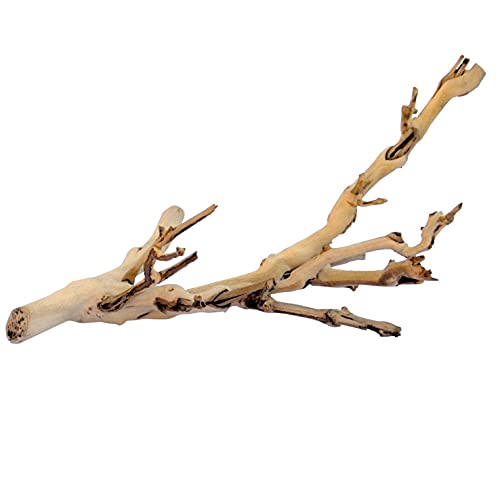
- ✓ Natural, realistic look
- ✓ Sturdy and durable
- ✓ Easy to set up
- ✕ Limited size options
- ✕ Might be too small for large reptiles
| Material | Real wood, heat treated for safety and pest removal |
| Dimensions | Small size suitable for juvenile reptiles and smaller species |
| Intended Use | Climbing, basking, and exploring for reptiles and amphibians |
| Design Features | Naturalistic, three-dimensional branch shape for enrichment |
| Safety & Durability | Heat treated to ensure safety and durability |
| Compatibility | Suitable for rainforest and desert terrarium setups |
The moment I picked up the Exo Terra Forest Branch, I immediately noticed how solid and natural it felt in my hand. The textured surface mimics real bark perfectly, making it almost feel like I was holding a tiny piece of a forest.
When I placed it into my terrarium, I was impressed by how stable and sturdy it was—no wobbling or flimsy parts here.
Setting it up was a breeze. The branch fits snugly into my small terrarium, offering a perfect climbing spot for my gecko.
It immediately changed the space, giving the habitat a more authentic, natural vibe. My little lizard loved climbing and basking on it right away, which is exactly what I wanted for encouraging natural behaviors.
The heat treatment process is obvious—no pests or weird smells. It’s ready to go straight out of the box, saving me time and hassle.
Plus, I appreciate how versatile this piece is; it looks great in both rainforest and desert setups and pairs well with other decor.
What really stands out is its durability. Unlike some wood that can warp or break easily, this branch feels built to last.
It’s compact enough for smaller reptiles but still provides plenty of climbing surface. Honestly, for just under nine bucks, it’s a smart buy that elevates the look and function of any terrarium.
Jorewood Small Aquarium Driftwood 5-Piece, 4-8 Inch

- ✓ Natural, authentic look
- ✓ Easy to sink and clean
- ✓ Versatile for aquatic and reptiles
- ✕ Limited size options
- ✕ May need soaking to prevent floating
| Material | Natural driftwood, hand-selected, chemical-free |
| Size Range | 4-8 inches |
| Suitable for | Aquariums (up to 5+ gallons) and reptile terrariums |
| Tannin Release | Low, keeps water clear |
| Setup Requirements | Pre-boiled to sink, soak for 24 hours to prevent floating |
| Design Features | Twisted branches, porous texture, realistic caves and bridges |
As soon as I pulled this Jorewood driftwood out of the package, I was struck by its natural, twisted appearance. The branches are uneven and textured, with a porous surface that instantly makes you think of a real, untouched piece of nature.
It feels solid and substantial in your hand, not flimsy or overly lightweight.
Setting it up in my tank was surprisingly straightforward. The pieces are pre-boiled, so they sink quickly without much fuss.
I soaked them for a day, and they stayed submerged without any floating issues, which is a huge time-saver. The size range of 4-8 inches fits perfectly in my 10-gallon tank, providing plenty of climbing spots for my reptiles and hiding places for fish.
The natural look really enhances the habitat. The porous texture and twisted branches mimic real caves and branches, creating a more authentic environment.
My gecko loves climbing on it, and the fish seem calmer with the added hiding spots. Plus, the low tannin release keeps my water clear, which is a big plus for maintaining water quality.
I also appreciate how versatile it is. It works well with live plants and moss, and I even used a small reptile lamp on top for basking.
The durability feels sturdy enough to last long-term, whether submerged or dry in a terrarium. Overall, this piece adds both function and natural beauty to my setup without breaking the bank.
Majoywoo Natural Small Driftwood for Aquarium Decor
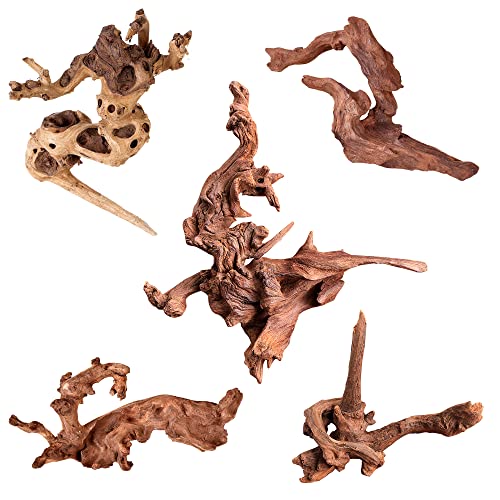
- ✓ Natural, unique shapes
- ✓ Suitable for small tanks
- ✓ Durable and long-lasting
- ✕ Variations in appearance
- ✕ Limited size options
| Material | Natural driftwood, high-quality hardwood |
| Size Range | 4.5 to 7.5 inches in length |
| Suitable Tank Size | 5 to 10 gallons |
| Durability | Sturdy and durable for underwater and drought environments |
| Usage | Aquarium decoration, moss tree creation, reptile decor |
| Shape and Appearance | Unique, distinctive shapes with different angles |
The moment I picked up this piece of Majoywoo driftwood, I immediately noticed how each twist and curve felt naturally smooth, almost like it had been shaped by the water itself. Placing it into my small 8-gallon tank, I was surprised at how instantly it transformed the space.
The rich, earthy tones added a calming vibe that made my fish and plants pop.
What really stood out is the uniqueness of each piece. No two pieces look alike, which means your tank gets a truly one-of-a-kind decoration.
The size range, from about 4.5 to 7.5 inches, fits perfectly without overcrowding. I used it to create a natural hideout for my aquatic critters, and they took to it right away.
The wood feels sturdy in your hand, and once submerged, it stays rock solid. I’ve had it sitting submerged for weeks now, and it hasn’t shown any signs of deterioration or smell.
Plus, I love that it works well in both simple and more elaborate aquascapes, even doubling as a moss tree base if you want to get creative.
Overall, it’s a simple yet effective way to bring a natural touch to your tank. The only minor downside is that each piece is unique, so what you get might look slightly different from the photos.
But honestly, that’s part of the charm. It’s durable, natural, and easy to work with.
Jorewood Driftwood for Fish Tanks & Reptiles, 3-Piece, 7-11

- ✓ Very natural appearance
- ✓ Easy to prepare and sink
- ✓ Durable for long-term use
- ✕ Slightly heavy to move
- ✕ Limited size options
| Material | Natural, untreated driftwood |
| Size Range | 7-11 inches (17.8-27.9 cm) |
| Suitable Tank Size | 20+ gallon tanks |
| Water Compatibility | Low tannin release, safe for freshwater aquatic life |
| Setup Requirements | Pre-boiled to sink faster, soak for 24 hours to prevent floating |
| Design Features | Twisted branches with porous texture, mimicking natural habitats |
Imagine you’re setting up a new terrarium and want something that looks natural but also serves as a functional hideout for your reptiles. You toss a piece of driftwood into the tank, and instantly, it feels like you’ve created a mini wilderness.
That’s exactly the vibe the Jorewood Driftwood gives off—authentic, earthy, and perfect for both aquatic life and land critters.
The twisted branches and porous texture really do mimic natural habitats. When you place it in your tank or terrarium, it looks like a piece of the wild.
Your reptiles can climb, hide, and bask on it comfortably. Meanwhile, fish and shrimp love swimming around or hiding inside the caves it creates.
What I like most is how easy it is to set up. The driftwood is pre-boiled, so it sinks quickly.
Just soaking it for a day prevents it from floating back up, which saves you hassle. Plus, it’s sturdy enough to last in water or dry environments without falling apart.
It fits well in tanks over 20 gallons, and the size options are versatile. You can even add plants or moss around it to boost the natural look.
I’ve used it with reptile heating lamps, and it holds up well, giving my pets a realistic, safe environment.
Overall, this piece of wood makes the whole setup feel more genuine. It’s safe, low-maintenance, and adds a lot of character to any terrarium or aquarium.
Can’t ask for much more in a piece of natural decor that’s built to last.
What Types of Wood Are Best for Terrariums?
The best types of wood for terrariums include:
- Driftwood: Driftwood is popular for its unique shapes and textures that can enhance the aesthetic of a terrarium. It is typically waterlogged and has been naturally weathered, making it less likely to leach harmful substances into the soil.
- Bamboo: Bamboo is lightweight, strong, and has a natural resistance to rot, making it an excellent choice for terrariums. Its hollow structure is ideal for creating hiding spots for small creatures and adds a tropical feel to the environment.
- Manzanita: Manzanita wood is known for its striking appearance and durability. This hardwood is dense and resistant to decay, making it suitable for both decorative purposes and structural support within a terrarium.
- Cork Bark: Cork bark is lightweight and provides a naturalistic look while also serving as a substrate for climbing plants and animals. It is naturally rot-resistant and offers an excellent surface for mosses and other epiphytic plants to grow.
- Maple: Maple wood is a hardwood that can be used in terrariums due to its density and resistance to decay. It has a fine grain that can provide a polished look to the terrarium while also being sturdy enough to support various plant species.
- Pine: Pine is often used for its availability and affordability, but care must be taken as it contains resin that can be harmful to some plants. When properly cured and treated, it can serve as a decorative element, though it should be used sparingly.
How Does Each Type of Wood Affect the Terrarium Environment?
- Bamboo: Bamboo is a lightweight, fast-growing grass that is often used in terrariums due to its natural resilience and aesthetic appeal. Its hollow structure can provide habitat spaces for small creatures, while its moisture-retaining properties can help maintain humidity levels.
- Driftwood: Driftwood is a popular choice for terrariums, as it adds a natural, rustic look. It is typically waterlogged and can help maintain moisture in the substrate, while also serving as a climbing surface for plants and animals, enhancing the terrarium’s vertical space.
- Cork Bark: Cork bark is highly favored for its lightweight and porous nature, allowing for excellent air circulation and moisture retention. Its unique texture and appearance can create interesting focal points in the terrarium and provide hiding spots for small fauna.
- Hardwood (e.g., oak, maple): Hardwoods are durable and decay-resistant, making them suitable for long-term use in terrariums. They can contribute to a stable environment by slowly releasing tannins, which can help lower pH and enrich the soil, benefiting plant growth.
- Softwood (e.g., pine, cedar): Softwoods are generally less durable than hardwoods and may contain resins that can be harmful to certain plant species. While they can be used sparingly in terrariums, it’s important to monitor for any adverse effects on the ecosystem, as they may introduce unwanted chemicals.
- Vines (e.g., grapevine): Vines can add a dynamic element to a terrarium, providing natural climbing structures for plants and animals. They are typically easy to work with and can help create a lush, layered environment, though care should be taken to ensure they do not overpower the space.
What Are the Key Characteristics of Suitable Wood for Terrariums?
Lightweight: Selecting lightweight wood helps in constructing a terrarium that is easy to handle and reposition. Heavy wood can make the terrarium cumbersome and less versatile in terms of placement and design.
Why Is Durability Important for Terrarium Wood?
Durability is crucial for terrarium wood because it ensures the longevity and stability of the ecosystem within the enclosure. Wood that decomposes quickly can release toxins and alter the pH balance, adversely affecting plants and any animal inhabitants.
According to a study published in the Journal of Environmental Horticulture, certain types of wood, such as driftwood and hardwoods, are proven to be more resistant to decay and can maintain structural integrity over extended periods. This resistance to rot is essential in a terrarium environment, where moisture levels can be high, creating a breeding ground for fungi and bacteria.
The underlying mechanism of durability relates to the wood’s density and chemical composition. Dense woods have higher lignin and cellulose content, making them less susceptible to microbial degradation. Additionally, certain natural oils and compounds found in durable woods possess antimicrobial properties, further protecting against decay and ensuring that the terrarium remains a healthy habitat for its inhabitants. This interplay of factors underscores the importance of selecting the best wood for terrarium applications to promote a thriving, balanced ecosystem.
How Does Moisture Retention Influence Wood Selection?
- Cedar: Cedar is known for its natural resistance to moisture, making it a popular choice for terrariums. Its aromatic oils help prevent mold and decay, ensuring a healthier environment for plants.
- Redwood: Redwood is another excellent option due to its ability to withstand humidity without warping or rotting. This wood contains natural preservatives that help maintain its integrity, making it suitable for long-term use in a damp environment.
- Birch: Birch is a hardwood that can retain some moisture while still allowing for adequate airflow. This balance is important for preventing excessive dampness and promoting healthy growth in a terrarium.
- Pine: Pine is often used in terrariums due to its lightweight nature and moderate moisture retention capabilities. However, it can be more prone to rot than other types, so it’s best to use treated pine or ensure proper ventilation.
- Maple: Maple offers a good level of moisture retention while also being dense and durable. Its fine grain helps create a stable environment, making it suitable for a variety of plants within a terrarium.
What Wood Should Be Avoided for Terrarium Use?
When selecting wood for terrarium use, certain types should be avoided due to their potential to harm the ecosystem within the enclosure.
- Cedar: Cedar wood contains natural oils that can be toxic to some plants and animals, leading to adverse health effects in a terrarium. Additionally, these oils can inhibit the growth of beneficial microorganisms that are essential for a healthy ecosystem.
- Pine: Pine wood is another type to avoid, as it releases sap that can create an acidic environment detrimental to many plants. The high resin content can also lead to mold growth, which can further disrupt the balance of the terrarium.
- Redwood: While beautiful, redwood can be problematic due to its chemical compounds that may leach into the soil, affecting the plants negatively. Furthermore, redwood tends to break down slowly, which can lead to an imbalance in the terrarium as it decays.
- Birch: Birch wood can be prone to fungal decay when introduced to the humidity of a terrarium, which can compromise the health of the plants and the overall environment. Additionally, its soft texture may not hold up well over time in a moist setting.
- Driftwood from saltwater sources: While some driftwood can be suitable, saltwater driftwood should be avoided as it may carry salt residues that can harm freshwater plants and animals in a terrarium. It’s crucial to ensure that any wood used is free from contaminants that could disrupt the terrarium ecosystem.
Why Are Treated and Treated Woods Hazardous?
Treated woods are hazardous primarily due to the chemicals used in their preservation processes, which can leach into the environment and pose health risks to both plants and animals in a terrarium setting.
According to the Environmental Protection Agency (EPA), many treated woods are infused with preservatives such as chromated copper arsenate (CCA), which contains arsenic, a toxic element known to cause various health issues. These chemicals can leach into soil and water, potentially harming the ecosystem within a terrarium and affecting the plants and animals that rely on that environment for survival.
The underlying mechanism involves the interaction of moisture and temperature within a closed terrarium system. When treated wood is used, the chemicals can dissolve and migrate into the substrate and water, creating a toxic environment. Research by the University of California has shown that even small amounts of arsenic can have detrimental effects on plant growth and animal health. This leaching process is exacerbated in humid environments typical of terrariums, leading to a higher concentration of harmful substances in the ecosystem.
How Can You Prepare Wood for Use in a Terrarium?
Preparing wood for use in a terrarium involves selecting the right type and ensuring it is safe and suitable for the enclosed environment.
- Choose the Right Type of Wood: Opt for hardwoods like oak, maple, or magnolia, which are less likely to rot and provide a stable structure in the humid environment of a terrarium.
- Clean and Sanitize the Wood: Remove any dirt, bark, or insects by scrubbing the wood with a brush and warm soapy water, then rinse thoroughly to eliminate soap residue.
- Drying the Wood: Allow the wood to dry completely in a well-ventilated area for several days to prevent mold growth and ensure it doesn’t introduce excess moisture into the terrarium.
- Optional Treatment: Consider treating the wood with a natural sealant or boiling it to eliminate any potential pathogens, ensuring it is safe for plants and animals inside the terrarium.
- Placement in the Terrarium: Arrange the wood strategically within the terrarium to create visual interest and provide hiding spots or climbing areas for any inhabitants.
Choose hardwoods for their durability and resistance to decay, making them ideal for the humid conditions of a terrarium.
Cleaning and sanitizing the wood is crucial to remove any contaminants that could harm the plants or animals in your terrarium.
Correctly drying the wood helps maintain the right humidity levels within the terrarium, as excess moisture can lead to mold and rot.
Treating the wood can provide an extra layer of protection against disease while ensuring it remains a safe environment for your terrarium’s ecosystem.
Thoughtful placement of the wood can enhance the aesthetics and functionality of the terrarium, creating a more engaging habitat for its inhabitants.
What Cleaning Methods Are Safe for Terrarium Wood?
The best cleaning methods for terrarium wood ensure the preservation of the wood while maintaining a safe environment for the plants and animals within the terrarium.
- Boiling Water: This method involves immersing the wood in boiling water for several minutes. The heat helps to kill off any pests or bacteria present without introducing harmful chemicals.
- Vinegar Solution: A mixture of vinegar and water can be used to clean the wood safely. Vinegar has natural antibacterial properties and can break down organic matter without leaving toxic residues.
- Soap and Water: Mild dish soap mixed with warm water can effectively clean the wood. This method is effective for removing dirt and grime, but it’s important to rinse thoroughly to avoid soap residue.
- Sandblasting: Using a sandblaster, you can clean the wood without chemicals, removing old finishes or contaminants. This method is particularly useful for larger pieces but requires careful handling to avoid damaging the wood.
- Dry Brushing: A stiff brush can be used to gently remove surface dirt and debris from wood. This method is non-invasive and helps maintain the natural texture of the wood while avoiding water damage.
- UV Light Sanitization: Placing wood under UV light can help eliminate pathogens without any chemical contact. This method is effective for sterilization and can be used alongside other cleaning methods for maximum safety.
What Are the Benefits of Using Natural Wood in Terrariums?
The benefits of using natural wood in terrariums are numerous and can significantly enhance the aesthetics and health of the ecosystem.
- Natural Aesthetics: Natural wood adds a visually appealing organic touch to terrariums, creating a more authentic and serene environment that mimics natural habitats.
- Habitat Creation: Wood provides essential hiding spots and climbing structures for various terrarium inhabitants, such as reptiles and amphibians, promoting their well-being and reducing stress.
- Moisture Retention: Natural wood can help maintain humidity levels within the terrarium, as it absorbs and releases moisture, which is crucial for many plant and animal species.
- Natural Filtration: Certain types of wood can act as a natural filter, breaking down toxins and contributing to a healthier microenvironment for both plants and animals.
- Biodegradability: Unlike synthetic materials, natural wood is biodegradable, ensuring that it won’t contribute to environmental waste when it eventually decomposes.
- Variety of Textures and Colors: Different types of wood provide a range of textures and colors, allowing for creative customization of the terrarium design, making it unique and visually stimulating.
- Non-Toxic Options: Many natural woods are safe for use in terrariums, meaning they won’t leach harmful chemicals, providing a safe environment for both plants and animals.
How Can Wood Enhance the Aesthetic of a Terrarium?
Using wood in a terrarium can significantly enhance its aesthetic appeal by adding natural elements, texture, and visual interest.
- Driftwood: Driftwood brings a unique, weathered appearance that adds character to any terrarium. Its organic shapes and textures create a natural focal point and can be used to elevate plants or provide hiding spots for small creatures.
- Bark: Bark pieces, whether from trees or shrubs, can serve as beautiful accents in a terrarium. They can mimic the forest floor or provide a rustic backdrop, enhancing the overall theme while also offering a habitat for mosses and fungi.
- Branches: Using branches allows for vertical space utilization in a terrarium, which can create layers and depth. They can be arranged in various orientations to support climbing plants or to create a habitat for small terrarium inhabitants.
- Cork: Natural cork not only provides a lightweight, aesthetically pleasing option but also helps maintain humidity levels within the terrarium. Its unique texture and appearance can mimic the bark of trees and can serve as a base for moss or other plants.
- Wood Chips: Wood chips can be used as a substrate or decorative top layer, providing a natural look while also aiding in moisture retention. They come in various sizes and can enhance drainage, making them a functional as well as decorative choice.