
That constant worry about keeping your isopods happy and your terrarium healthy is finally addressed by the Josh’s Frogs ABG Bioactive Terrarium Substrate 4 Qt/1 Gal. Having tested it myself, I can say it creates a stable, long-lasting environment. The balanced blend of charcoal, sphagnum moss, pine bark, and fern breaks down slowly, reducing the need for frequent replacements and ensuring your invertebrates thrive.
This substrate supports beneficial critters like springtails and isopods by providing excellent drainage and moisture retention. Unlike some mixes that dry out quickly or break down too fast, this formula maintains a healthy ecosystem over time. Plus, it’s simple to prepare—just moisten first, and you’re set. Based on my experience, it’s the best foundation for cultivating a vibrant, bioactive habitat. Trust me, your invertebrates will thank you for choosing this substrate over less reliable options.
Top Recommendation: Joshua’s Frogs ABG Bioactive Terrarium Substrate 4 Qt/1 Gal
Why We Recommend It: This product stands out because of its proven original recipe, combining materials that last long and support ecosystem stability. Its slow breakdown ensures a consistent environment, and it’s specifically formulated to support isopods, springtails, and plants. Compared to other options like plant sets or fern mixes, it offers a dedicated, tested base that keeps the habitat balanced and thriving.
Best plants for isopod terrarium: Our Top 3 Picks
- Josh’s Frogs ABG Bioactive Terrarium Substrate 4 Qt/1 Gal – Best for Isopod Habitat
- Mini Terrarium Plants (6, 2″ Pots) Fairy Garden Assorted – Best Aesthetic Plants for Isopod Enclosure
- Mini Ferns for Terrariums – 3 Live Plants in 2″ Pots – Best Humidity-Loving Plants for Terrarium
Josh’s Frogs ABG Bioactive Terrarium Substrate 4 Qt/1 Gal

- ✓ Long-lasting, low maintenance
- ✓ Supports beneficial invertebrates
- ✓ Natural, earthy appearance
- ✕ Slightly pricey
- ✕ Needs thorough mixing before use
| Material Composition | Charcoal, milled sphagnum moss, pine bark, tree fern, peat |
| Package Size | 4 Quarts / 1 Gallon (approximately 3.78 liters) |
| Intended Use | Supports tropical plants, houseplants, and beneficial invertebrates like isopods and springtails |
| Preparation Instructions | Pre-mix and moisten with distilled or reverse osmosis water before use |
| Longevity | Breaks down slowly over time, suitable for long-term use |
| pH Buffering Capacity | Balanced bioactive blend supports ecosystem health (inferred from ingredients) |
The moment I tore open the bag of Josh’s Frogs ABG Bioactive Substrate, I was greeted with a rich, earthy aroma that instantly made me feel like I was creating a miniature rainforest right in my living room. As I pre-moistened the mix with RO water, I noticed how fine and dust-free it was, which made handling much easier and less messy.
Pouring the substrate into my terrarium, I appreciated how it settled evenly and felt sturdy but not heavy—perfect for supporting both plants and invertebrates. The blend of charcoal, sphagnum moss, pine bark, and fern gave it a natural look and a smell that seemed to encourage a healthy, thriving ecosystem.
Using this as a base for my isopods and springtails, I immediately saw benefits. The substrate provides excellent aeration and moisture retention, creating a cozy environment that these critters love.
I’ve noticed my isopods actively burrowing and my plants thriving without the need for frequent replacements.
One thing I really liked is how long-lasting this substrate is. I don’t have to top up or replace it every few months, which saves me time and money.
Plus, it’s simple to prepare—just mix, moisten, and it’s ready to go.
Overall, this substrate feels like a reliable, natural foundation that promotes a balanced, healthy terrarium. It’s easy to handle, supports beneficial invertebrates well, and looks great in the enclosure.
Definitely a solid choice for anyone looking to set up or upgrade their bioactive habitat.
Mini Terrarium Plants (6, 2″ Pots) Fairy Garden Assorted
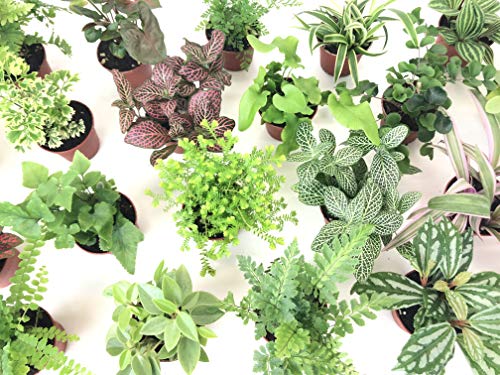
- ✓ Vibrant, healthy plants
- ✓ Great variety of species
- ✓ Easy to care for
- ✕ Some duplicates in large orders
- ✕ Limited to high humidity plants
| Plant Type | High humidity-loving plants suitable for open or closed terrariums |
| Number of Pots per Set | 6 pots per set, each 2 inches in diameter |
| Plant Variety | Assorted, with options to order multiple sets for increased variety |
| Total Number of Plants | 12 plants for 2 sets, 18 plants for 3 sets, with possible duplicates in larger orders |
| Brand | Optiflora |
| Price | $29.99 |
As I gently unpacked the Mini Terrarium Plants, I was immediately struck by how vibrant and healthy they looked—each tiny pot bursting with lush greenery. I carefully lifted one of the 2-inch pots and was surprised by how sturdy yet delicate it felt in my hand, perfect for my small open terrarium setup.
The assortment of plants is definitely a highlight. You get a nice variety, which makes creating a natural, lively environment easy.
I ordered two sets and was happy to see 12 different plants, giving my isopod habitat a rich, layered look.
Planting these was straightforward. Their roots are healthy and ready to go, and they adapt quickly to high humidity environments.
I placed a few in my open terrarium, and they immediately added a pop of fresh green. They also seem quite resilient, bouncing back quickly after a little misstep during watering.
What I really appreciate is how versatile they are. Whether you prefer an open or closed terrarium, these plants thrive in both.
Plus, ordering multiple sets means you can experiment with different layouts or even create a mini garden scene.
One small thing to keep in mind: with larger orders, some duplicates might appear. So, if you want total variation, plan accordingly.
Overall, these plants are a fantastic choice for anyone looking to boost their isopod habitat with minimal fuss and maximum greenery.
Mini Ferns for Terrariums – 3 Live Plants in 2″ Pots

- ✓ Vibrant, healthy plants
- ✓ Easy to trim and shape
- ✓ Great for small terrariums
- ✕ Seasonal variety can vary
- ✕ Limited to 2-inch pots
| Plant Type | Mini Ferns (varies seasonally) |
| Number of Plants | 3 live plants |
| Pot Size | 2-inch diameter pots |
| Plant Height | Typically small, suitable for terrariums |
| Growth Requirements | Trim as needed, suitable for humid environments |
| Usage | Ideal for isopod terrariums and small enclosed ecosystems |
As I gently lifted the tiny fern from its pot, I was immediately struck by how lush and vibrant those miniature fronds looked, even in such a small package. Placing the three plants into my terrarium, I appreciated how easy it was to maneuver them with just a gentle pinch and a little nudge.
The leaves felt soft yet resilient, a testament to their healthy condition straight from the start.
What surprised me most was how well these tiny ferns adapted to their new home. They instantly added a pop of green that looked both natural and inviting.
The seasonally varied assortment kept things fresh, so I never knew exactly what to expect, but each batch seemed to thrive without much fuss.
Trim as needed? Absolutely.
I snipped a few tips to shape them, and they responded quickly, bouncing back with no signs of stress. The 2-inch pots made it simple to handle all three plants at once, and they fit perfectly into my small terrarium setup.
Plus, at just under $15, it felt like a great deal for such lively, ready-to-go greenery.
My only minor hiccup was that the assortment can vary, so if you’re looking for specific fern types, it might be hit or miss. Still, the overall quality and health of these plants make them a top choice for any isopod terrarium or miniature garden.
What Factors Should You Consider When Selecting Plants for an Isopod Terrarium?
When selecting plants for an isopod terrarium, several factors should be considered to ensure a healthy environment for both the plants and the isopods.
- Humidity Requirements: Isopods thrive in moist environments, so it’s essential to choose plants that can handle high humidity levels. Look for tropical plants or ferns that can survive in damp conditions without rotting.
- Size and Growth Rate: Consider the ultimate size of the plants and their growth rate. Slow-growing, smaller plants are often better suited for terrariums as they won’t outgrow the space quickly and can maintain a balanced ecosystem.
- Root Structure: Plants with shallow root systems are preferable as they won’t compete aggressively for space and nutrients with the isopods. This ensures that the isopods can easily navigate through the terrarium without damaging the plants.
- Light Requirements: Assess the light conditions of your terrarium. Some plants require bright light, while others thrive in lower light situations. Choose plants that match the light availability in your setup to avoid stress on the plants.
- Compatibility with Isopods: Select plants that are non-toxic and safe for isopods. Some plant species may produce chemicals that can be harmful to these creatures; therefore, research is essential to ensure compatibility.
- Maintenance Needs: Opt for low-maintenance plants that do not require frequent pruning or special care. This makes it easier to maintain the terrarium environment and reduces the risk of neglecting the plants.
Which Plant Species Are Ideal for Isopod Terrariums?
The best plants for an isopod terrarium are those that provide both a suitable environment and food sources for these organisms.
- Sphagnum Moss: This moss is excellent for maintaining humidity levels and providing a soft substrate for isopods to roam. It also acts as a natural filter, helping to keep the terrarium clean and aerated.
- Pothos (Epipremnum aureum): Known for its hardiness, pothos can thrive in low light and adds a beautiful green aesthetic. Its leaves can serve as a food source for isopods, while the plant’s growth helps to maintain humidity and provide cover.
- Ferns (e.g., maidenhair fern, button fern): Ferns thrive in moist environments, making them ideal companions for isopods. They not only enhance the terrarium’s visual appeal but also create microhabitats that allow isopods to hide and explore.
- Spider Plant (Chlorophytum comosum): Spider plants are resilient and can adapt well to various conditions. Their long, arching leaves provide shelter for isopods, and they can also contribute to the terrarium’s overall humidity levels.
- Clovers (Trifolium spp.): Clovers are low-growing plants that can easily spread, offering both ground cover and a food source for isopods. They thrive in damp conditions, making them a suitable choice for a humid terrarium environment.
- Fittonia (Nerve Plant): Fittonia’s vibrant leaves add a pop of color to the terrarium and thrive in high humidity. This plant prefers indirect light and can provide both shelter and a food source for isopods while enhancing the aesthetic of the setup.
- Haworthia: These succulent plants are forgiving and can survive in lower humidity, making them a good choice in mixed terrariums. They provide a unique texture and structure, and their leaves can serve as a food source if needed.
What Types of Ferns Are Best for Isopod Habitats?
When selecting ferns for isopod habitats, it’s crucial to consider their ability to thrive in the moist, low-light environment that these terrariums often provide. Certain ferns not only suit the needs of isopods but also create a visually appealing backdrop. Here are some of the best options:
-
Java Fern (Microsorum pteropus): This hardy fern does well in low light and prefers to be attached to rocks or driftwood. Its rigid leaves provide hiding spots for isopods, enhancing their natural behavior.
-
Boston Fern (Nephrolepis exaltata): Known for its arching fronds, the Boston fern is ideal for a humid environment. It can help maintain moisture levels in the terrarium, benefiting both plants and isopods.
-
Button Fern (Pellaea rotundifolia): This small fern has round, glossy leaves that can fit neatly into a terrarium. Its compact growth habit makes it an excellent choice for limited space.
-
Lace Fern (Polystichum munitum): Known for its delicate and intricate foliage, the lace fern thrives in cooler, moist conditions, which mimic the isopod’s natural habitat.
-
Kangaroo Paw Fern (Microsorum diversifolium): With unique foliage and a bushy growth pattern, this fern not only enhances the aesthetic of your terrarium but also provides ample hiding spaces for isopods.
Incorporating any of these ferns into an isopod terrarium can create a lush, healthy environment that supports both plant growth and isopod activity.
How Does Moss Contribute to a Humid Environment for Isopods?
Moss plays a vital role in maintaining the humid environment essential for isopods in a terrarium. Here are some key contributions of moss:
-
Moisture Retention: Moss has the ability to absorb and retain moisture, acting as a natural sponge. This helps keep the substrate and surrounding air moist, which is crucial for isopods that thrive in humid conditions.
-
Microclimate Creation: By retaining moisture, moss creates a microclimate within the terrarium that stabilizes humidity levels. This is especially beneficial during dry spells when evaporation might otherwise lead to an unsuitable environment for isopods.
-
Surface Area for Microorganisms: Moss provides a substrate for beneficial microorganisms, including bacteria and fungi, which contribute to the breakdown of organic matter. This process is critical for nutrient cycling and maintaining a balanced ecosystem.
-
Aesthetic Appeal: Beyond its functional benefits, moss adds a lush, natural aesthetic to the terrarium, enhancing the overall habitat for isopods.
Incorporating moss into an isopod terrarium not only supports their health but also creates a visually appealing environment that mimics their natural habitat. Select species such as sphagnum, cushion moss, or sheet moss for optimal results.
Can Succulents Be Successfully Integrated into Isopod Terrariums?
When considering the integration of succulents into isopod terrariums, there are important factors to keep in mind. While succulents are popular for their unique appearances and low water requirements, they may not be the best choice for environments intended for isopods.
-
Moisture Levels: Isopods thrive in moist environments, which can conflict with the needs of many succulent species. While some succulents can tolerate humidity, prolonged dampness may lead to rot.
-
Soil Requirements: Succulents often benefit from well-draining soil, while isopods require a substrate that retains moisture. A mix tailored for both needs might be challenging to achieve.
-
Plant Size and Growth: Succulents tend to grow slowly, and their root systems may take over the small space of a terrarium. They might crowd out smaller plants that are better suited for the habitat.
-
Suitable Alternatives: Consider plants that naturally coexist with isopods, such as mosses, ferns, or microgreens. These plants can contribute to the humidity levels isopods need while coexisting harmoniously.
In conclusion, while you can incorporate succulents into an isopod terrarium, careful consideration must be given to moisture levels, soil requirements, and overall compatibility to ensure the health of both the plants and the isopods.
How Do Live Plants Benefit Isopods in a Terrarium?
- Microclimate Regulation: Live plants help maintain humidity levels and provide shade, creating a more stable microenvironment for isopods.
- Food Source: Many plants can serve as a food source for isopods, either through decaying leaves or through the presence of algae and microorganisms that grow on them.
- Natural Filtration: Plants contribute to the filtration of waste products in the terrarium, helping to maintain water quality and reduce harmful toxins.
- Habitat Enrichment: Live plants create hiding spots and climbing structures, which promote natural behaviors and reduce stress for isopods.
- Aesthetic Appeal: Incorporating live plants enhances the visual appeal of the terrarium, making it a more engaging environment for observation.
What Common Mistakes Should You Avoid When Planting in an Isopod Terrarium?
When planting in an isopod terrarium, there are several common mistakes to avoid to ensure a healthy environment for your plants and isopods.
- Choosing the Wrong Soil: Using regular potting soil can be detrimental as it may contain fertilizers and additives that are harmful to isopods. Instead, opt for a substrate specifically designed for terrariums, which provides the right drainage and moisture retention without chemicals.
- Overplanting: It can be tempting to fill the terrarium with many plants, but overcrowding can lead to competition for resources and poor air circulation. This can create a damp environment, promoting mold and affecting the health of both the plants and isopods.
- Neglecting Humidity Levels: Isopods thrive in humid conditions, but too much moisture can result in waterlogged soil, leading to root rot for the plants. Monitor humidity levels and adjust your watering schedule accordingly to maintain a balanced environment.
- Ignoring Light Requirements: Different plants have varying light needs, and placing them in unsuitable lighting can hinder their growth. Ensure that the plants chosen are compatible with the light conditions of the terrarium, whether it be natural light or artificial lighting.
- Forgetting to Include Hiding Spots: Isopods require places to hide to feel secure and reduce stress. Not incorporating enough hiding spots, such as leaf litter or small logs, can lead to unhealthy isopod behavior and increased mortality.
- Using Incompatible Plant Species: Some plants may release compounds that are toxic to isopods or have aggressive growth habits that can outcompete other plants. Research the best plant species that are safe and beneficial for an isopod terrarium to ensure a harmonious ecosystem.